U.S. Consumer Sentiment Index Hits All-Time Low
Written by Emily J. Thompson, Senior Investment Analyst
Updated: May 14 2026
0mins


Source: Newsfilter
- Consumer Confidence Collapse: The University of Michigan's consumer sentiment index hit an all-time low in May, indicating that American consumers have not regained confidence in the economy since the COVID-19 pandemic, highlighting the fragility of economic recovery.
- Inflation's Lasting Impact: Although the annual inflation rate has cooled, consumers remain scarred by years of rapid price increases, leading to a pessimistic outlook on future economic conditions, which in turn affects their spending behavior.
- Frequent Economic Shocks: Economists note that consumers lack the time to recover from a series of economic shocks, preventing confidence from rebounding, especially amid rising geopolitical conflicts and increasing trade tariffs.
- Strong Consumer Spending: Despite low confidence, consumer spending remains robust, with companies like Uber and Disney reporting strong customer spending, indicating a shift in the traditional relationship between sentiment and consumption.
Trade with 70% Backtested Accuracy
Stop guessing "Should I Buy GOOGL?" and start using high-conviction signals backed by rigorous historical data.
Sign up today to access powerful investing tools and make smarter, data-driven decisions.
Analyst Views on GOOGL
Wall Street analysts forecast GOOGL stock price to fall
33 Analyst Rating
26 Buy
7 Hold
0 Sell
Strong Buy
Current: 380.340

Low
305.00
Averages
374.25
High
400.00
Current: 380.340
Low
305.00
Averages
374.25
High
400.00
About GOOGL
Alphabet Inc. is a holding company. The Company's segments include Google Services, Google Cloud, and Other Bets. The Google Services segment includes products and services such as ads, Android, Chrome, devices, Google Maps, Google Play, Search, and YouTube. The Google Cloud segment includes infrastructure and platform services, collaboration tools, and other services for enterprise customers. Its Other Bets segment is engaged in the sale of healthcare-related services and Internet services. Its Google Cloud provides enterprise-ready cloud services, including Google Cloud Platform and Google Workspace. Google Cloud Platform provides access to solutions such as artificial intelligence (AI) offerings, including its AI infrastructure, Vertex AI platform, and Gemini for Google Cloud; cybersecurity, and data and analytics. Google Workspace includes cloud-based communication and collaboration tools for enterprises, such as Calendar, Gmail, Docs, Drive, and Meet.
About the author

Emily J. Thompson
Emily J. Thompson, a Chartered Financial Analyst (CFA) with 12 years in investment research, graduated with honors from the Wharton School. Specializing in industrial and technology stocks, she provides in-depth analysis for Intellectia’s earnings and market brief reports.

Alphabet Plans to Raise $80 Billion in Equity Offerings

- Funding Initiative: Alphabet, Google's parent company, aims to raise $80 billion through equity offerings, which includes a $10 billion investment deal with Berkshire Hathaway, indicating a proactive approach in capital markets.
- Private Placement Details: The company has agreed to sell $10 billion worth of shares to Berkshire Hathaway, comprising $5 billion in Class A common stock priced at $351.81 per share and $5 billion in Class C capital stock at $348.20 per share, demonstrating strong demand for its stock.
- AI Solutions Demand: Alphabet reported that the demand for its AI solutions and services from enterprises and consumers is exceeding the company's available supply, a trend that could drive future revenue growth and market share expansion.
- Stock Price Reaction: Despite the positive financing announcement, Alphabet's shares fell by 1.2% in after-hours trading, reflecting market caution regarding its short-term performance.
See More
Analysis of SpaceX IPO Prospects and Market Impact


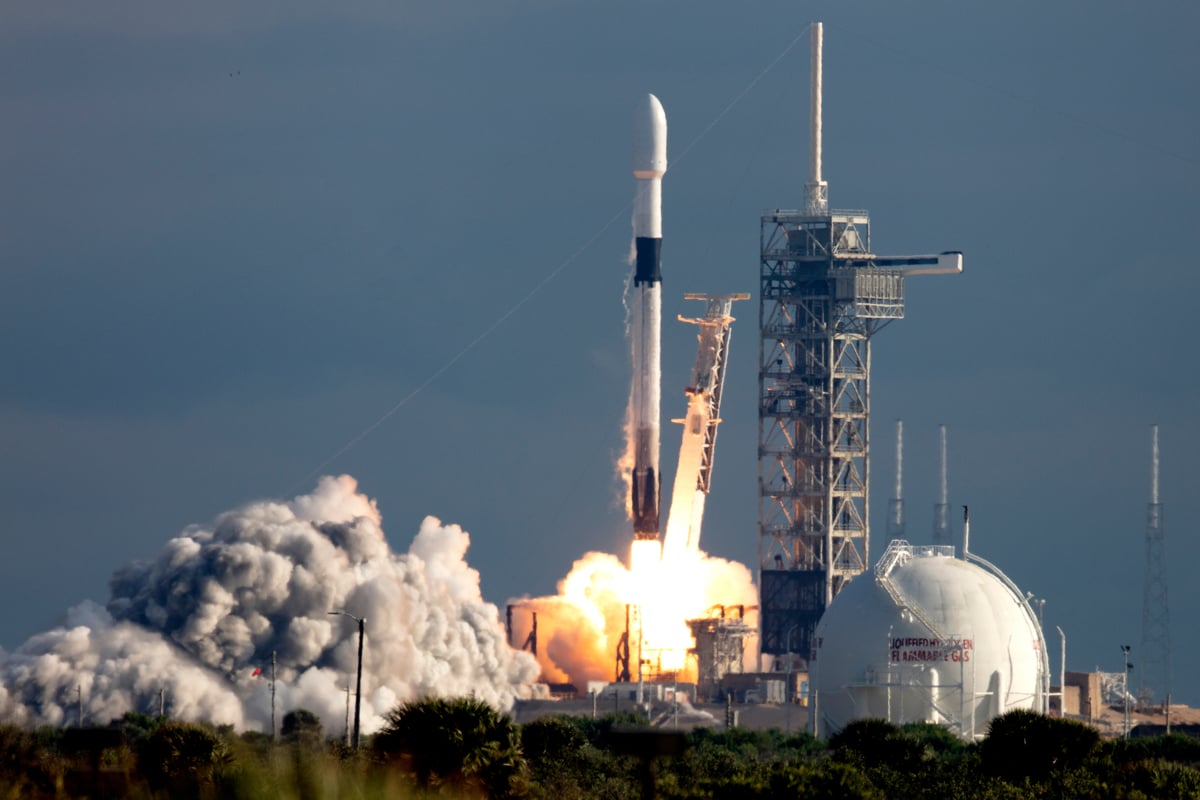
- IPO Plans: SpaceX filed its S-1 registration statement with the SEC on May 20, aiming for a June 12 IPO at a $1.75 trillion valuation, despite reporting a $2.59 billion net loss in 2025, indicating a lack of profitability.
- Market Share and Competitive Edge: By the end of 2025, SpaceX operated approximately 9,600 Starlink satellites serving millions of customers, maintaining a dominant position in the commercial space launch industry, although its revenue of $18.67 billion is significantly lower than its valuation.
- Impact of New Nasdaq Rules: Nasdaq plans to include SpaceX in the Nasdaq-100 index shortly after its IPO, with new rules allowing large companies to enter the index quickly, positioning SpaceX as the seventh-largest company and potentially increasing market volatility.
- Investment Strategy Recommendation: Given the high valuation and potential volatility of SpaceX's IPO, investors are advised to consider low-cost S&P 500 index funds to mitigate risk and achieve stable returns, especially as insider selling increases the float significantly.
See More

SpaceX to Go Public on June 12 with $1.75 Trillion Valuation
- IPO Plans: SpaceX is set to go public on June 12 with a projected valuation of $1.75 trillion, despite only generating $18.67 billion in revenue in 2025 and reporting a net loss of $2.59 billion, highlighting the impact of its substantial R&D expenditures on profitability.
- Nasdaq Listing Details: The company will list under the ticker SPCX on Nasdaq, and due to its market size, it is expected to be included in the S&P 500 index within weeks of its IPO, reflecting the expedited inclusion rules for mega-cap companies.
- Market Impact Analysis: The addition of SpaceX will position it as the seventh-largest company in the S&P 500, potentially increasing the index's volatility, especially as tech stocks already account for 51% of the index, which may influence investor risk assessments and strategies.
- Investment Strategy Recommendation: Given SpaceX's high valuation and potential volatility, investors are advised to consider low-cost S&P 500 index funds to mitigate risk while capturing future high-return opportunities, particularly in the context of ongoing growth in technology and artificial intelligence sectors.
See More
U.S. Stock Futures Decline Amid Political Uncertainty

- Market Performance Review: On Monday, all three major U.S. indexes closed higher, with the Nasdaq rising 0.42%, the Dow Jones up 0.09%, and the S&P 500 gaining for the eighth consecutive day, indicating strong demand for tech stocks, particularly driven by Nvidia's performance.
- Futures Market Volatility: In overnight trading on Monday, U.S. stock futures declined, with Dow futures falling 0.46%, S&P 500 futures down 0.41%, and Nasdaq 100 futures dropping 0.63%, reflecting market uncertainty over the Middle East situation, especially the escalating conflict between Israel and Lebanon.
- Oil Prices Edge Up: During Monday's trading, Brent crude futures rose about 0.13%, trading at approximately $95.10 per barrel, while WTI crude futures increased by 0.05%, indicating ongoing market attention to energy demand despite an overall cautious sentiment.
- Tech Stock Dynamics: Nvidia's shares surged over 6% on Monday after CEO Jensen Huang unveiled new products at a conference in Taipei, highlighting the company's ongoing innovation in AI workloads for data centers, further solidifying its leadership position in the tech industry.
See More

Asian Stocks Open Cautiously Amid Geopolitical Uncertainty
- Market Volatility: Asian stocks opened cautiously on Tuesday, with MSCI's Asia-Pacific index down 0.5%, led by a 2% decline in Korean shares, reflecting the impact of geopolitical uncertainty on market sentiment.
- Oil Price Stability: Brent crude held steady around $95 a barrel, as Iran announced a suspension of negotiations with the U.S., although partial ceasefire news from Lebanon may pave the way for ending the three-month conflict.
- U.S. Economic Data: The S&P 500 closed 0.3% higher on Monday, with ISM's manufacturing PMI rising from 52.7 to 54.0, exceeding expectations and indicating businesses are front-loading orders amid rising prices and shortages.
- AI Market Dynamics: AI suppliers in Asia gained as AI developer Anthropic confidentially filed for a U.S. IPO, indicating strong market interest and a potential trillion-dollar valuation for the sector.
See More
AI Market Booms as Alphabet and Broadcom Thrive Together

- TPU Advantage: Alphabet's TPUs have optimized its hardware and software stack over the past decade, leading to a 63% year-over-year increase in cloud revenue to $20 billion and a tripling of operating income to $6 billion, reflecting strong market demand and profitability.
- High-Margin Revenue Stream: By allowing select customers to order TPUs from Broadcom, Alphabet has expanded its high-margin revenue sources, further solidifying its leadership in the AI market, while its $460 billion Google Cloud backlog provides robust support for future growth.
- Broadcom's Growth Potential: As the physical deliverer of TPUs, Broadcom expects to generate over $100 billion in ASIC revenue in fiscal 2027, with Citigroup projecting AI revenue to reach $180 billion in fiscal 2028, highlighting its critical role in AI infrastructure investment.
- Market Diversification Trend: As hyperscalers seek to diversify their supply chains, Broadcom is poised to benefit significantly, especially against the backdrop of surging demand for AI chips, making its stock a compelling buy opportunity.
See More
Alphabet Plans to Raise $80 Billion in Equity Offerings
- Funding Initiative: Alphabet, Google's parent company, aims to raise $80 billion through equity offerings, which includes a $10 billion investment deal with Berkshire Hathaway, indicating a proactive approach in capital markets.
- Private Placement Details: The company has agreed to sell $10 billion worth of shares to Berkshire Hathaway, comprising $5 billion in Class A common stock priced at $351.81 per share and $5 billion in Class C capital stock at $348.20 per share, demonstrating strong demand for its stock.
- AI Solutions Demand: Alphabet reported that the demand for its AI solutions and services from enterprises and consumers is exceeding the company's available supply, a trend that could drive future revenue growth and market share expansion.
- Stock Price Reaction: Despite the positive financing announcement, Alphabet's shares fell by 1.2% in after-hours trading, reflecting market caution regarding its short-term performance.
See More
Analysis of SpaceX IPO Prospects and Market Impact
- IPO Plans: SpaceX filed its S-1 registration statement with the SEC on May 20, aiming for a June 12 IPO at a $1.75 trillion valuation, despite reporting a $2.59 billion net loss in 2025, indicating a lack of profitability.
- Market Share and Competitive Edge: By the end of 2025, SpaceX operated approximately 9,600 Starlink satellites serving millions of customers, maintaining a dominant position in the commercial space launch industry, although its revenue of $18.67 billion is significantly lower than its valuation.
- Impact of New Nasdaq Rules: Nasdaq plans to include SpaceX in the Nasdaq-100 index shortly after its IPO, with new rules allowing large companies to enter the index quickly, positioning SpaceX as the seventh-largest company and potentially increasing market volatility.
- Investment Strategy Recommendation: Given the high valuation and potential volatility of SpaceX's IPO, investors are advised to consider low-cost S&P 500 index funds to mitigate risk and achieve stable returns, especially as insider selling increases the float significantly.
See More
SpaceX to Go Public on June 12 with $1.75 Trillion Valuation
- IPO Plans: SpaceX is set to go public on June 12 with a projected valuation of $1.75 trillion, despite only generating $18.67 billion in revenue in 2025 and reporting a net loss of $2.59 billion, highlighting the impact of its substantial R&D expenditures on profitability.
- Nasdaq Listing Details: The company will list under the ticker SPCX on Nasdaq, and due to its market size, it is expected to be included in the S&P 500 index within weeks of its IPO, reflecting the expedited inclusion rules for mega-cap companies.
- Market Impact Analysis: The addition of SpaceX will position it as the seventh-largest company in the S&P 500, potentially increasing the index's volatility, especially as tech stocks already account for 51% of the index, which may influence investor risk assessments and strategies.
- Investment Strategy Recommendation: Given SpaceX's high valuation and potential volatility, investors are advised to consider low-cost S&P 500 index funds to mitigate risk while capturing future high-return opportunities, particularly in the context of ongoing growth in technology and artificial intelligence sectors.
See More
U.S. Stock Futures Decline Amid Political Uncertainty
- Market Performance Review: On Monday, all three major U.S. indexes closed higher, with the Nasdaq rising 0.42%, the Dow Jones up 0.09%, and the S&P 500 gaining for the eighth consecutive day, indicating strong demand for tech stocks, particularly driven by Nvidia's performance.
- Futures Market Volatility: In overnight trading on Monday, U.S. stock futures declined, with Dow futures falling 0.46%, S&P 500 futures down 0.41%, and Nasdaq 100 futures dropping 0.63%, reflecting market uncertainty over the Middle East situation, especially the escalating conflict between Israel and Lebanon.
- Oil Prices Edge Up: During Monday's trading, Brent crude futures rose about 0.13%, trading at approximately $95.10 per barrel, while WTI crude futures increased by 0.05%, indicating ongoing market attention to energy demand despite an overall cautious sentiment.
- Tech Stock Dynamics: Nvidia's shares surged over 6% on Monday after CEO Jensen Huang unveiled new products at a conference in Taipei, highlighting the company's ongoing innovation in AI workloads for data centers, further solidifying its leadership position in the tech industry.
See More
Asian Stocks Open Cautiously Amid Geopolitical Uncertainty
- Market Volatility: Asian stocks opened cautiously on Tuesday, with MSCI's Asia-Pacific index down 0.5%, led by a 2% decline in Korean shares, reflecting the impact of geopolitical uncertainty on market sentiment.
- Oil Price Stability: Brent crude held steady around $95 a barrel, as Iran announced a suspension of negotiations with the U.S., although partial ceasefire news from Lebanon may pave the way for ending the three-month conflict.
- U.S. Economic Data: The S&P 500 closed 0.3% higher on Monday, with ISM's manufacturing PMI rising from 52.7 to 54.0, exceeding expectations and indicating businesses are front-loading orders amid rising prices and shortages.
- AI Market Dynamics: AI suppliers in Asia gained as AI developer Anthropic confidentially filed for a U.S. IPO, indicating strong market interest and a potential trillion-dollar valuation for the sector.
See More
AI Market Booms as Alphabet and Broadcom Thrive Together
- TPU Advantage: Alphabet's TPUs have optimized its hardware and software stack over the past decade, leading to a 63% year-over-year increase in cloud revenue to $20 billion and a tripling of operating income to $6 billion, reflecting strong market demand and profitability.
- High-Margin Revenue Stream: By allowing select customers to order TPUs from Broadcom, Alphabet has expanded its high-margin revenue sources, further solidifying its leadership in the AI market, while its $460 billion Google Cloud backlog provides robust support for future growth.
- Broadcom's Growth Potential: As the physical deliverer of TPUs, Broadcom expects to generate over $100 billion in ASIC revenue in fiscal 2027, with Citigroup projecting AI revenue to reach $180 billion in fiscal 2028, highlighting its critical role in AI infrastructure investment.
- Market Diversification Trend: As hyperscalers seek to diversify their supply chains, Broadcom is poised to benefit significantly, especially against the backdrop of surging demand for AI chips, making its stock a compelling buy opportunity.
See More