U.S. Army Awards AeroVironment $186 Million Contract for Drones
Written by Emily J. Thompson, Senior Investment Analyst
Updated: Feb 27 2026
0mins
Should l Buy AVAV?
Source: NASDAQ.COM
- Contract Value: The U.S. Army awarded AeroVironment a $186 million task order, part of a previously awarded $990 million IDIQ contract, which, despite its size, did not bring in new revenue, leading to a stock price decline.
- Product Types: The order includes unspecified quantities of Switchblade 600 Block 2 and Switchblade 300 Block 20 drone systems equipped with explosively formed penetrators (EFP), indicating the military's confidence in their relevance on modern battlefields.
- Stock Volatility: Although AeroVironment's stock rose 1.7% following the contract announcement, it fell 4.6% by noon Friday, reflecting investor concerns over the company's high valuation, with a current market cap of $18 billion and a price-to-earnings ratio of 150.
- Market Reaction: Analysts suggest that the high valuation and lack of new revenue sources are primary reasons for the stock's decline, as diminished expectations for future earnings could impact the company's long-term performance in the defense sector.
Trade with 70% Backtested Accuracy
Stop guessing "Should I Buy AVAV?" and start using high-conviction signals backed by rigorous historical data.
Sign up today to access powerful investing tools and make smarter, data-driven decisions.
Analyst Views on AVAV
Wall Street analysts forecast AVAV stock price to rise
13 Analyst Rating
13 Buy
0 Hold
0 Sell
Strong Buy
Current: 158.000

Low
315.00
Averages
390.75
High
450.00
Current: 158.000
Low
315.00
Averages
390.75
High
450.00
About AVAV
AeroVironment, Inc. is a defense technology provider delivering integrated capabilities across air, land, sea, space, and cyber. The Company develops and deploys autonomous systems, precision strike systems, counter-UAS technologies, space-based platforms, directed energy systems, and cyber and electronic warfare capabilities. The Company’s segments include Autonomous Systems (AxS) and Space, Cyber, and Directed Energy (SCDE). The AxS segment focuses on the design, development, production, delivery, and support of intelligent, multi-domain robotic systems, including uncrewed aircraft systems (UAS) and ground robot systems. It includes the Company’s former Uncrewed Systems, Loitering Munitions Systems, and MacCready Works segments as well as Radio Frequency and Kinetic Counter-UAS Electronic Warfare Systems and others. The SCDE segment focuses on advanced technologies in the space domain providing space-based and ground-based platforms, cyber capabilities, and directed energy systems.
About the author

Emily J. Thompson
Emily J. Thompson, a Chartered Financial Analyst (CFA) with 12 years in investment research, graduated with honors from the Wharton School. Specializing in industrial and technology stocks, she provides in-depth analysis for Intellectia’s earnings and market brief reports.

AeroVironment Unveils Flexible Multi-Role System for Modern Warfare

- Modern Warfare Concept: AeroVironment executive Brian Young emphasized that modern warfare is no longer just about striking targets but about the ability to choose the right response in real time, which is crucial for the company's future weapon system designs.
- MAYHEM 10 System: The newly launched MAYHEM 10 is a flexible multi-role launched system built with a modular design that supports interchangeable payloads, including intelligence, surveillance, and reconnaissance, enabling rapid adaptation to complex battlefield environments.
- LOCUST Laser Weapon: At the BofA conference, CEO Wahid Nawabi stated that the LOCUST laser system can destroy drones while vehicles are in motion, significantly enhancing battlefield protection and showcasing the company's technological advantages in dynamic combat scenarios.
- Positive Market Reaction: Despite AVAV stock declining over 33% year-to-date, it rose 0.9% in Tuesday's premarket trading, reflecting optimistic sentiment among investors regarding the company's future, particularly among retail investors who remain bullish.
See More
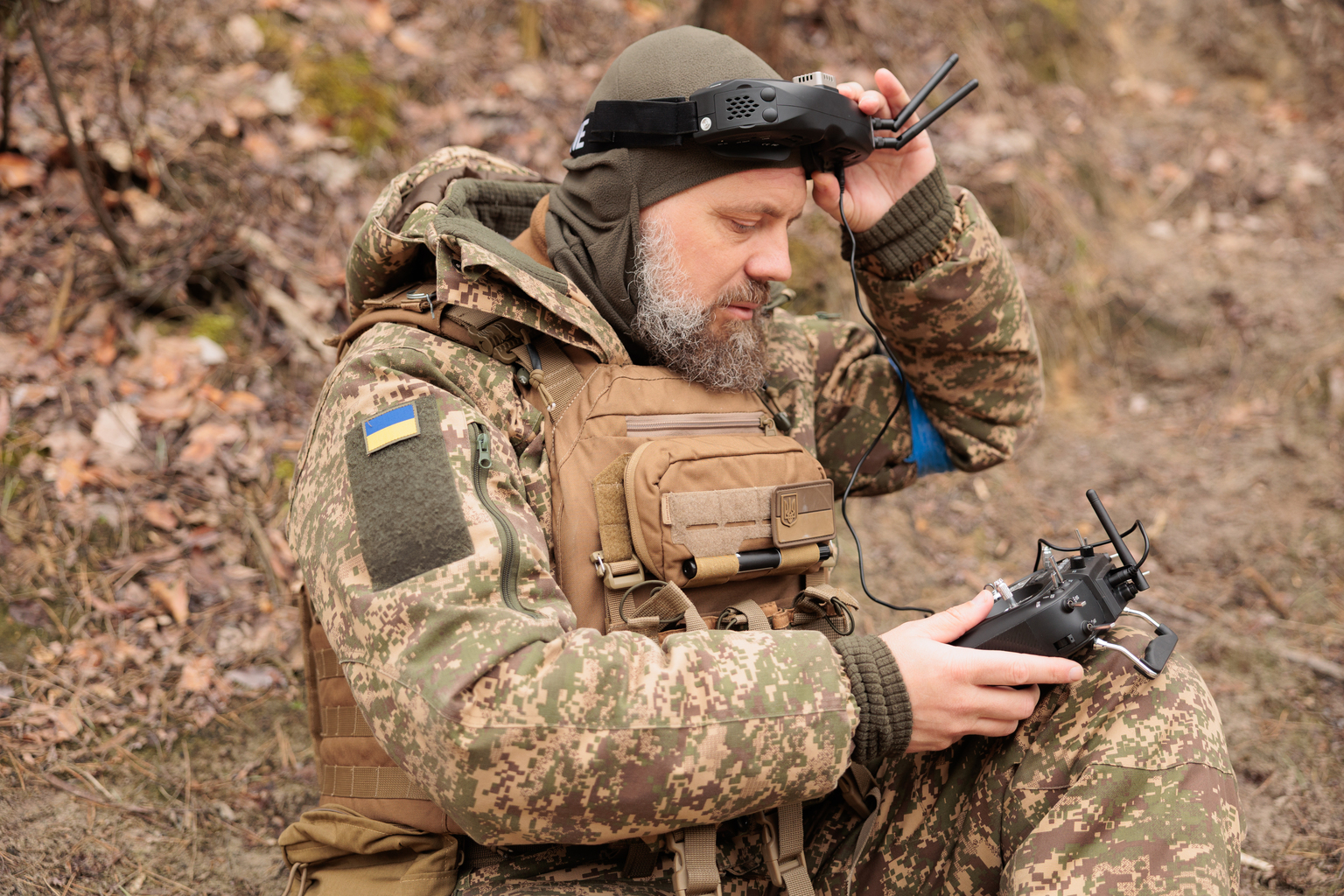
Defense Contractors Shift to New Battlefield Systems
- Transformation of Combat Systems: Defense contractors are repositioning loitering munitions into software-driven battlefield systems capable of surveillance, electronic warfare, and autonomous coordination, reflecting broader changes in modern combat and military procurement priorities.
- Increased Adaptability Demand: Brian Young from AeroVironment noted that traditional precision-strike systems have shown limitations in contested environments where GPS signals and communications are unreliable, necessitating future battlefield systems to adapt in real-time rather than execute a single pre-programmed mission.
- Rise of Autonomous Systems: As Western defense firms rapidly incorporate lessons from conflicts like Ukraine, military planners are placing greater emphasis on autonomous systems that can operate in distributed formations, which could benefit companies tied to autonomous systems, artificial intelligence, and electronic warfare.
- MAYHEM 10 System: AeroVironment's new MAYHEM 10 system is described as a modular platform capable of carrying various payloads, designed for ranges of approximately 100 kilometers with endurance nearing 50 minutes, emphasizing collaborative autonomy to achieve intelligent combat effects.
See More

Pentagon Accelerates Hypersonic Weapons Testing Infrastructure Development

- Infrastructure Shortage: The U.S. Department of Defense faces a critical shortage in hypersonic weapons testing infrastructure, with NASA completing its first new wind tunnel in over 40 years, highlighting the urgent need for testing capabilities and expected to drive market opportunities for related companies.
- Significant Budget Increase: The proposed FY 2027 U.S. Space Force budget is projected to reach $71.2 billion, marking the largest single-year increase in history, while the overall Pentagon budget totals $1.5 trillion, with $17.5 billion earmarked for space-based missile defense, indicating a substantial rise in defense spending.
- Expanded Technical Collaboration: Starfighters Space announced the availability of its F-104 fleet as an airborne aerodynamic test platform, capable of simulating complex aerodynamic conditions of rocket launches, enhancing testing accuracy and efficiency, thereby supporting innovation in the U.S. defense and aerospace sectors.
- Industry Developments: Kratos Defense has selected Indiana for its new facility to support hypersonic materials testing, AeroVironment secured a $14.6 million U.S. Army contract, and BWX Technologies acquired Precision Components Group, further solidifying its position in the defense manufacturing sector.
See More

Pentagon Accelerates Hypersonic Weapons Testing Infrastructure Development

- Surging Demand for Hypersonic Weapons: The U.S. Department of Defense faces a critical shortfall in hypersonic weapons testing infrastructure, with the proposed 2027 Space Force budget reaching $71.2 billion, marking the largest single-year increase in history, underscoring the urgent need for hypersonic technology.
- Investment in Wind Tunnel Construction: The Air Force, Navy, and Army each have budget allocations for wind tunnel construction and modernization in FY 2026, reflecting a commitment to enhancing hypersonic testing capabilities aimed at alleviating current bottlenecks in testing capacity.
- Starfighters Space Innovative Platform: Starfighters Space announced its F-104 fleet as an airborne aerodynamic test platform, capable of simulating the first 30 seconds of a rocket launch, thereby improving testing accuracy and efficiency, which supports the defense and aerospace sectors.
- Kratos New Facility Location: Kratos Defense has selected Odon, Indiana, as the future site for its new mid-tier coupled arc jet and laser facility, designed to address critical gaps in U.S. hypersonic materials testing infrastructure, which is expected to significantly enhance access to vital material evaluation resources.
See More

Rapid Growth in the Drone Market Driven by Defense Budgets

- Surging Market Demand: The global military drone market is projected to grow from $15.8 billion in 2025 to $22.8 billion by 2030, reflecting an increasing reliance on drones by nations, which is driving significant increases in defense spending.
- Accelerated Technological Innovation: ZenaTech's ZenaDrone 2000 heavy-lift interceptor drone has completed fuselage manufacturing and is set to begin initial flight testing in Q3 2026, aiming to meet urgent demands for counter-drone systems and solidify its position in the projected $20 billion market.
- Increased Defense Budgets: The Trump administration is seeking approximately $55 billion for drone and autonomous warfare programs in the fiscal 2027 budget, a substantial increase from $225 million the previous year, marking a strategic shift in U.S. drone technology priorities.
- International Collaboration and Investment: Quantum Cyber has signed an IP licensing agreement with BP United to secure exclusive rights to innovative drone technology, highlighting the rapid development of global drone ecosystems and nations' investment intentions in defense sectors.
See More

Rapid Growth in the Drone Market Driven by Defense Budgets

- Surging Market Demand: The military drone market is projected to grow from $15.8 billion in 2025 to $22.8 billion by 2030, reflecting a strong global demand for drone technology, particularly amid increasing defense budgets.
- Accelerated Technological Innovation: ZenaTech's ZenaDrone 2000 heavy-lift interceptor drone has completed fuselage manufacturing and entered the systems integration phase, with initial flight testing planned for Q3 2026 to meet the rising demand in the counter-drone market.
- Rise of Counter-Drone Systems: As drones become more integrated into military operations, countries are racing to develop counter-drone technologies, with the counter-drone market expected to exceed $20 billion by 2030, highlighting the importance of drones as essential military infrastructure.
- Increased Global Investment: Governments across the U.S., Europe, Asia, and the Middle East are ramping up investments in domestic drone production and next-generation autonomous technologies to address geopolitical tensions and enhance intelligence, surveillance, and reconnaissance capabilities.
See More
AeroVironment Unveils Flexible Multi-Role System for Modern Warfare
- Modern Warfare Concept: AeroVironment executive Brian Young emphasized that modern warfare is no longer just about striking targets but about the ability to choose the right response in real time, which is crucial for the company's future weapon system designs.
- MAYHEM 10 System: The newly launched MAYHEM 10 is a flexible multi-role launched system built with a modular design that supports interchangeable payloads, including intelligence, surveillance, and reconnaissance, enabling rapid adaptation to complex battlefield environments.
- LOCUST Laser Weapon: At the BofA conference, CEO Wahid Nawabi stated that the LOCUST laser system can destroy drones while vehicles are in motion, significantly enhancing battlefield protection and showcasing the company's technological advantages in dynamic combat scenarios.
- Positive Market Reaction: Despite AVAV stock declining over 33% year-to-date, it rose 0.9% in Tuesday's premarket trading, reflecting optimistic sentiment among investors regarding the company's future, particularly among retail investors who remain bullish.
See More
Defense Contractors Shift to New Battlefield Systems
- Transformation of Combat Systems: Defense contractors are repositioning loitering munitions into software-driven battlefield systems capable of surveillance, electronic warfare, and autonomous coordination, reflecting broader changes in modern combat and military procurement priorities.
- Increased Adaptability Demand: Brian Young from AeroVironment noted that traditional precision-strike systems have shown limitations in contested environments where GPS signals and communications are unreliable, necessitating future battlefield systems to adapt in real-time rather than execute a single pre-programmed mission.
- Rise of Autonomous Systems: As Western defense firms rapidly incorporate lessons from conflicts like Ukraine, military planners are placing greater emphasis on autonomous systems that can operate in distributed formations, which could benefit companies tied to autonomous systems, artificial intelligence, and electronic warfare.
- MAYHEM 10 System: AeroVironment's new MAYHEM 10 system is described as a modular platform capable of carrying various payloads, designed for ranges of approximately 100 kilometers with endurance nearing 50 minutes, emphasizing collaborative autonomy to achieve intelligent combat effects.
See More
Pentagon Accelerates Hypersonic Weapons Testing Infrastructure Development
- Infrastructure Shortage: The U.S. Department of Defense faces a critical shortage in hypersonic weapons testing infrastructure, with NASA completing its first new wind tunnel in over 40 years, highlighting the urgent need for testing capabilities and expected to drive market opportunities for related companies.
- Significant Budget Increase: The proposed FY 2027 U.S. Space Force budget is projected to reach $71.2 billion, marking the largest single-year increase in history, while the overall Pentagon budget totals $1.5 trillion, with $17.5 billion earmarked for space-based missile defense, indicating a substantial rise in defense spending.
- Expanded Technical Collaboration: Starfighters Space announced the availability of its F-104 fleet as an airborne aerodynamic test platform, capable of simulating complex aerodynamic conditions of rocket launches, enhancing testing accuracy and efficiency, thereby supporting innovation in the U.S. defense and aerospace sectors.
- Industry Developments: Kratos Defense has selected Indiana for its new facility to support hypersonic materials testing, AeroVironment secured a $14.6 million U.S. Army contract, and BWX Technologies acquired Precision Components Group, further solidifying its position in the defense manufacturing sector.
See More
Pentagon Accelerates Hypersonic Weapons Testing Infrastructure Development
- Surging Demand for Hypersonic Weapons: The U.S. Department of Defense faces a critical shortfall in hypersonic weapons testing infrastructure, with the proposed 2027 Space Force budget reaching $71.2 billion, marking the largest single-year increase in history, underscoring the urgent need for hypersonic technology.
- Investment in Wind Tunnel Construction: The Air Force, Navy, and Army each have budget allocations for wind tunnel construction and modernization in FY 2026, reflecting a commitment to enhancing hypersonic testing capabilities aimed at alleviating current bottlenecks in testing capacity.
- Starfighters Space Innovative Platform: Starfighters Space announced its F-104 fleet as an airborne aerodynamic test platform, capable of simulating the first 30 seconds of a rocket launch, thereby improving testing accuracy and efficiency, which supports the defense and aerospace sectors.
- Kratos New Facility Location: Kratos Defense has selected Odon, Indiana, as the future site for its new mid-tier coupled arc jet and laser facility, designed to address critical gaps in U.S. hypersonic materials testing infrastructure, which is expected to significantly enhance access to vital material evaluation resources.
See More
Rapid Growth in the Drone Market Driven by Defense Budgets
- Surging Market Demand: The global military drone market is projected to grow from $15.8 billion in 2025 to $22.8 billion by 2030, reflecting an increasing reliance on drones by nations, which is driving significant increases in defense spending.
- Accelerated Technological Innovation: ZenaTech's ZenaDrone 2000 heavy-lift interceptor drone has completed fuselage manufacturing and is set to begin initial flight testing in Q3 2026, aiming to meet urgent demands for counter-drone systems and solidify its position in the projected $20 billion market.
- Increased Defense Budgets: The Trump administration is seeking approximately $55 billion for drone and autonomous warfare programs in the fiscal 2027 budget, a substantial increase from $225 million the previous year, marking a strategic shift in U.S. drone technology priorities.
- International Collaboration and Investment: Quantum Cyber has signed an IP licensing agreement with BP United to secure exclusive rights to innovative drone technology, highlighting the rapid development of global drone ecosystems and nations' investment intentions in defense sectors.
See More
Rapid Growth in the Drone Market Driven by Defense Budgets
- Surging Market Demand: The military drone market is projected to grow from $15.8 billion in 2025 to $22.8 billion by 2030, reflecting a strong global demand for drone technology, particularly amid increasing defense budgets.
- Accelerated Technological Innovation: ZenaTech's ZenaDrone 2000 heavy-lift interceptor drone has completed fuselage manufacturing and entered the systems integration phase, with initial flight testing planned for Q3 2026 to meet the rising demand in the counter-drone market.
- Rise of Counter-Drone Systems: As drones become more integrated into military operations, countries are racing to develop counter-drone technologies, with the counter-drone market expected to exceed $20 billion by 2030, highlighting the importance of drones as essential military infrastructure.
- Increased Global Investment: Governments across the U.S., Europe, Asia, and the Middle East are ramping up investments in domestic drone production and next-generation autonomous technologies to address geopolitical tensions and enhance intelligence, surveillance, and reconnaissance capabilities.
See More