UK Economy Posts Strongest Quarterly Growth in a Year
Written by Emily J. Thompson, Senior Investment Analyst
Updated: 1 hour ago
0mins
Should l Buy GF?
Source: seekingalpha
- Economic Growth Highlight: The UK economy posted its strongest quarterly growth in a year during Q1, indicating a robust recovery that may bolster government fiscal policy support.
- Inflation Dynamics: Spain's inflation rate dropped to 3.2% in April, while Slovakia's annual inflation rose to 3.9%, reflecting the varying challenges and achievements in inflation control across different countries.
- Market Reaction: The pan-European Stoxx 600 index increased by 0.34% to 613.5 points, as investors digested a fresh wave of corporate earnings, leading to improved market sentiment.
- Bond Yield Changes: The yield on the US 10-year Treasury fell by 2 basis points to 4.46%, indicating a cautious market outlook on future economic growth, with similar declines observed in the UK and Germany's 10-year yields.
Trade with 70% Backtested Accuracy
Stop guessing "Should I Buy GF?" and start using high-conviction signals backed by rigorous historical data.
Sign up today to access powerful investing tools and make smarter, data-driven decisions.
Analyst Views on GF
Wall Street analysts forecast GF stock price to rise
0 Analyst Rating
0 Buy
0 Hold
0 Sell
Current: 11.720

Low
Averages
High
Current: 11.720
Low
Averages
High

No data
About GF
The New Germany Fund, Inc. (the Fund) is a diversified, closed-end management investment company. The Fund seeks long-term capital appreciation primarily through investment in middle-market German equities. The focus of the Fund's investments lies within Germany. Under normal market conditions at least 80% of the Fund’s net assets are invested in equity or equity-linked securities. The Fund invests in range of sectors, which include aerospace and defense; auto components; automobiles; banks; building products; chemicals; electrical equipment; independent power and renewable electricity producers; insurance; Internet and direct marketing retail; information technology (IT) services, life sciences tools and services; metals and mining; real estate management and development; software; textiles, apparel and luxury goods; trading companies and distributors; diversified financial services; commercial services and supplies, and others. The Fund's investment advisor is DWS International GmbH.
About the author

Emily J. Thompson
Emily J. Thompson, a Chartered Financial Analyst (CFA) with 12 years in investment research, graduated with honors from the Wharton School. Specializing in industrial and technology stocks, she provides in-depth analysis for Intellectia’s earnings and market brief reports.

UK Economy Posts Strongest Quarterly Growth in a Year

- Economic Growth Highlight: The UK economy posted its strongest quarterly growth in a year during Q1, indicating a robust recovery that may bolster government fiscal policy support.
- Inflation Dynamics: Spain's inflation rate dropped to 3.2% in April, while Slovakia's annual inflation rose to 3.9%, reflecting the varying challenges and achievements in inflation control across different countries.
- Market Reaction: The pan-European Stoxx 600 index increased by 0.34% to 613.5 points, as investors digested a fresh wave of corporate earnings, leading to improved market sentiment.
- Bond Yield Changes: The yield on the US 10-year Treasury fell by 2 basis points to 4.46%, indicating a cautious market outlook on future economic growth, with similar declines observed in the UK and Germany's 10-year yields.
See More
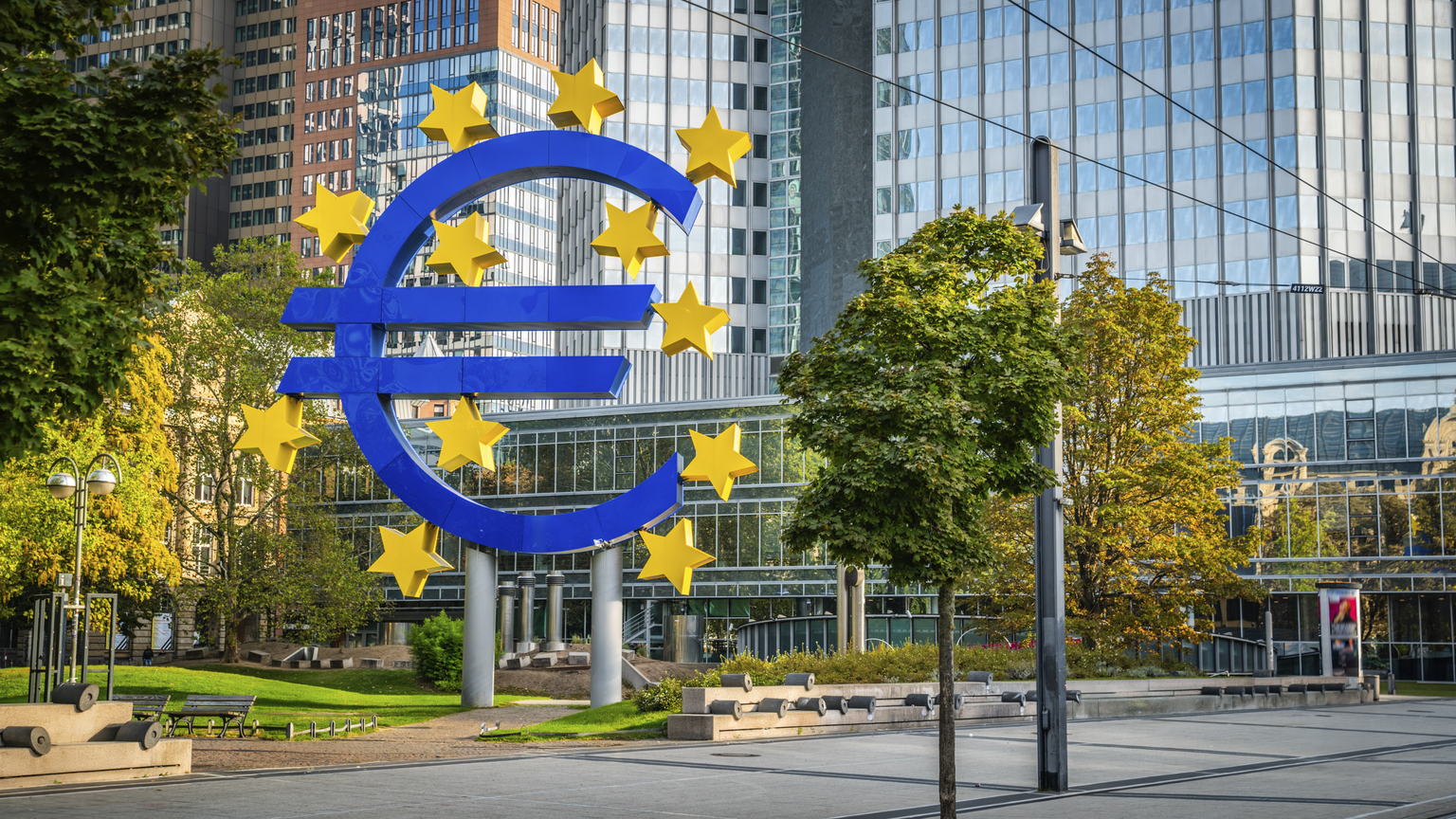
Euro Area GDP Shows Modest Growth in Q1 2026
- GDP Growth: According to flash estimates, the Euro Area's GDP increased by 0.1% in Q1 2026, while the EU saw a 0.2% rise, indicating a slight economic recovery, although the slow pace may influence future policy decisions.
- Employment Improvement: In Q1 2026, the number of employed persons rose by 0.1% in both the Euro Area and the EU, reflecting stability in the labor market, which, despite limited growth, supports the economic recovery.
- Industrial Production Rebound: In March 2026, industrial production in the Euro Area increased by 0.2% compared to the previous month, suggesting a revival in manufacturing activity that could drive overall economic growth, especially amid a global demand recovery.
- Inflation and Unemployment: France's inflation rate rose to 2.2% in April, with unemployment reaching its highest level since 2021, indicating economic pressures that may prompt policymakers to adopt more proactive measures.
See More

European Markets Rebound as German Wholesale Prices Surge
- German Wholesale Prices Surge: Germany's wholesale prices increased by 6.3% year-over-year in April, indicating significant supply chain pressures and rising costs that could lead to further consumer price increases, impacting overall economic recovery.
- Rising Inflation in France: France's inflation rate rose to 2.2% in April, with unemployment reaching its highest level since 2021, suggesting challenges to economic recovery that may prompt the government to implement additional stimulus measures to support employment and consumption.
- Slovakia's Economic Growth: Slovakia's economy expanded by 0.9% year-over-year in Q1, demonstrating resilience in its economic recovery, which could attract more investor interest in its market potential.
- Improved Market Sentiment: The pan-European Stoxx 600 index rose by 0.77% to 611.5, snapping a four-day losing streak, as investor sentiment was bolstered by renewed focus on corporate earnings, reflecting optimism about future economic prospects.
See More

European Stocks Decline for Fourth Consecutive Day
- Rising Inflation in Germany: Germany's inflation rate surged to 2.9% in April, potentially increasing market expectations for ECB rate hikes, which could negatively impact investor confidence and lead to stock market declines.
- Broad Market Decline: The pan-European Stoxx 600 index fell by 0.90%, marking its fourth consecutive day of losses and hovering near one-week lows, reflecting diminished hopes for a peace deal between the U.S. and Iran and concerns over political turmoil in the UK.
- Increasing Bond Yields: The yield on the U.S. 10-year Treasury rose by 2 basis points to 4.44%, while the UK and Germany's 10-year yields increased by 11 and 5 basis points respectively, indicating a cautious market outlook on future economic conditions.
- Investor Sentiment Deteriorating: Heightened pressure on UK Prime Minister Keir Starmer to resign has dampened investor confidence, contributing to overall market pessimism and exacerbating downward pressure on stock prices.
See More

Germany's Annual Inflation Rate Rises to 2.9% in April
- Inflation Rate Increase: Germany's annual inflation rate rose to 2.9% in April from 2.7% in March, marking the highest level since January 2024, which may impact consumer confidence and spending patterns.
- Surge in Energy Prices: Energy prices surged by 10.1%, driven by rising crude oil prices linked to the ongoing Iran conflict, resulting in a 26.2% jump in motor fuel costs and a staggering 55.1% increase in heating oil prices, thereby increasing household expenditure pressure.
- Food and Goods Inflation: Food inflation increased from 0.9% to 1.2%, while goods inflation accelerated from 2.3% to 2.9%, indicating that consumers are facing greater pressure on daily living costs, which could lead to shifts in consumption patterns.
- Services Inflation Eases: In contrast, services inflation decreased from 3.2% to 2.8%, reflecting a slowdown in price growth within the service sector, which may indicate a weakening demand for services and impact revenues in related industries.
See More

Pound Climbs to Two-Month High Amid Election Fallout
- Pound Performance: The pound climbed toward $1.36, nearing a two-month high, reflecting investor assessment of the UK local and devolved government elections, which may enhance market confidence and stimulate consumer spending.
- Germany's Trade Surplus: Germany's trade surplus narrowed in March due to a surge in imports, indicating strong domestic demand that could positively impact economic growth, but also raises concerns about reliance on foreign trade.
- European Market Trends: The pan-European Stoxx 600 index fell by 0.82% as investors reacted to renewed military clashes in the Strait of Hormuz and President Trump's threats of higher tariffs, potentially leading to increased market volatility.
- Bond Yield Movements: The yield on the US 10-year Treasury decreased by 2 basis points to 4.37%, while the UK's 10-year yield fell by 3 basis points to 4.91%, reflecting a cautious market outlook on future economic growth.
See More
UK Economy Posts Strongest Quarterly Growth in a Year
- Economic Growth Highlight: The UK economy posted its strongest quarterly growth in a year during Q1, indicating a robust recovery that may bolster government fiscal policy support.
- Inflation Dynamics: Spain's inflation rate dropped to 3.2% in April, while Slovakia's annual inflation rose to 3.9%, reflecting the varying challenges and achievements in inflation control across different countries.
- Market Reaction: The pan-European Stoxx 600 index increased by 0.34% to 613.5 points, as investors digested a fresh wave of corporate earnings, leading to improved market sentiment.
- Bond Yield Changes: The yield on the US 10-year Treasury fell by 2 basis points to 4.46%, indicating a cautious market outlook on future economic growth, with similar declines observed in the UK and Germany's 10-year yields.
See More
Euro Area GDP Shows Modest Growth in Q1 2026
- GDP Growth: According to flash estimates, the Euro Area's GDP increased by 0.1% in Q1 2026, while the EU saw a 0.2% rise, indicating a slight economic recovery, although the slow pace may influence future policy decisions.
- Employment Improvement: In Q1 2026, the number of employed persons rose by 0.1% in both the Euro Area and the EU, reflecting stability in the labor market, which, despite limited growth, supports the economic recovery.
- Industrial Production Rebound: In March 2026, industrial production in the Euro Area increased by 0.2% compared to the previous month, suggesting a revival in manufacturing activity that could drive overall economic growth, especially amid a global demand recovery.
- Inflation and Unemployment: France's inflation rate rose to 2.2% in April, with unemployment reaching its highest level since 2021, indicating economic pressures that may prompt policymakers to adopt more proactive measures.
See More
European Markets Rebound as German Wholesale Prices Surge
- German Wholesale Prices Surge: Germany's wholesale prices increased by 6.3% year-over-year in April, indicating significant supply chain pressures and rising costs that could lead to further consumer price increases, impacting overall economic recovery.
- Rising Inflation in France: France's inflation rate rose to 2.2% in April, with unemployment reaching its highest level since 2021, suggesting challenges to economic recovery that may prompt the government to implement additional stimulus measures to support employment and consumption.
- Slovakia's Economic Growth: Slovakia's economy expanded by 0.9% year-over-year in Q1, demonstrating resilience in its economic recovery, which could attract more investor interest in its market potential.
- Improved Market Sentiment: The pan-European Stoxx 600 index rose by 0.77% to 611.5, snapping a four-day losing streak, as investor sentiment was bolstered by renewed focus on corporate earnings, reflecting optimism about future economic prospects.
See More
European Stocks Decline for Fourth Consecutive Day
- Rising Inflation in Germany: Germany's inflation rate surged to 2.9% in April, potentially increasing market expectations for ECB rate hikes, which could negatively impact investor confidence and lead to stock market declines.
- Broad Market Decline: The pan-European Stoxx 600 index fell by 0.90%, marking its fourth consecutive day of losses and hovering near one-week lows, reflecting diminished hopes for a peace deal between the U.S. and Iran and concerns over political turmoil in the UK.
- Increasing Bond Yields: The yield on the U.S. 10-year Treasury rose by 2 basis points to 4.44%, while the UK and Germany's 10-year yields increased by 11 and 5 basis points respectively, indicating a cautious market outlook on future economic conditions.
- Investor Sentiment Deteriorating: Heightened pressure on UK Prime Minister Keir Starmer to resign has dampened investor confidence, contributing to overall market pessimism and exacerbating downward pressure on stock prices.
See More
Germany's Annual Inflation Rate Rises to 2.9% in April
- Inflation Rate Increase: Germany's annual inflation rate rose to 2.9% in April from 2.7% in March, marking the highest level since January 2024, which may impact consumer confidence and spending patterns.
- Surge in Energy Prices: Energy prices surged by 10.1%, driven by rising crude oil prices linked to the ongoing Iran conflict, resulting in a 26.2% jump in motor fuel costs and a staggering 55.1% increase in heating oil prices, thereby increasing household expenditure pressure.
- Food and Goods Inflation: Food inflation increased from 0.9% to 1.2%, while goods inflation accelerated from 2.3% to 2.9%, indicating that consumers are facing greater pressure on daily living costs, which could lead to shifts in consumption patterns.
- Services Inflation Eases: In contrast, services inflation decreased from 3.2% to 2.8%, reflecting a slowdown in price growth within the service sector, which may indicate a weakening demand for services and impact revenues in related industries.
See More
Pound Climbs to Two-Month High Amid Election Fallout
- Pound Performance: The pound climbed toward $1.36, nearing a two-month high, reflecting investor assessment of the UK local and devolved government elections, which may enhance market confidence and stimulate consumer spending.
- Germany's Trade Surplus: Germany's trade surplus narrowed in March due to a surge in imports, indicating strong domestic demand that could positively impact economic growth, but also raises concerns about reliance on foreign trade.
- European Market Trends: The pan-European Stoxx 600 index fell by 0.82% as investors reacted to renewed military clashes in the Strait of Hormuz and President Trump's threats of higher tariffs, potentially leading to increased market volatility.
- Bond Yield Movements: The yield on the US 10-year Treasury decreased by 2 basis points to 4.37%, while the UK's 10-year yield fell by 3 basis points to 4.91%, reflecting a cautious market outlook on future economic growth.
See More