

Uber Shares Rebound as Robotaxis Emerge as New Growth Driver
Written by Emily J. Thompson, Senior Investment Analyst
Updated: 36 minutes ago
0mins
Source: Fool
- Stock Recovery: Uber's shares have risen about 7% over the past month and 5% in the last week, although they remain 25% below their 52-week high, reflecting investor optimism towards robotaxis as a growth driver.
- Partner Network: Uber has reportedly signed agreements with around 30 autonomous partners and aims to offer driverless services in up to 15 cities by the end of 2026, indicating its aggregation capabilities in the autonomous driving market.
- Strong Financial Performance: In Q1 2026, Uber's revenue rose 14% year-over-year to $13.2 billion, with gross bookings increasing 25% to $53.7 billion, demonstrating that its core business growth supports future robotaxi services.
- Competitive Market Pressure: Despite Uber's investment of over $10 billion in autonomous vehicles, the dominance of competitors like Waymo and Tesla poses significant challenges that could impact Uber's future market share.
Trade with 70% Backtested Accuracy
Stop guessing "Should I Buy UBER?" and start using high-conviction signals backed by rigorous historical data.
Sign up today to access powerful investing tools and make smarter, data-driven decisions.
Analyst Views on UBER
Wall Street analysts forecast UBER stock price to rise
32 Analyst Rating
28 Buy
3 Hold
1 Sell
Strong Buy
Current: 76.200

Low
72.00
Averages
107.10
High
150.00
Current: 76.200
Low
72.00
Averages
107.10
High
150.00
About UBER
Uber Technologies, Inc. operates a technology platform that uses network and technology to power movement from point A to point B. It develops and operates technology applications supporting a variety of offerings on its platform (platform(s)). Its segments include Mobility, Delivery and Freight. Mobility products connect consumers with drivers who provide rides in a variety of vehicles, such as cars, auto rickshaws, motorbikes, minibuses, or taxis. Delivery offerings allow consumers to search for and discover local restaurants, order a meal, and either pick-up at the restaurant or have the meal delivered. In certain markets, the Delivery segment provides offerings for grocery, alcohol, and convenience store delivery as well as select other goods. The Freight segment connects carriers with shippers on its platform, and gives carriers upfront, pricing and the ability to book a shipment. The Freight segment also includes transportation management and other logistics service offerings.
About the author

Emily J. Thompson
Emily J. Thompson, a Chartered Financial Analyst (CFA) with 12 years in investment research, graduated with honors from the Wharton School. Specializing in industrial and technology stocks, she provides in-depth analysis for Intellectia’s earnings and market brief reports.

Uber Shares Rebound as Robotaxis Emerge as New Growth Driver


- Stock Recovery: Uber's shares have risen about 7% over the past month and 5% in the last week, although they remain 25% below their 52-week high, reflecting investor optimism towards robotaxis as a growth driver.
- Partner Network: Uber has reportedly signed agreements with around 30 autonomous partners and aims to offer driverless services in up to 15 cities by the end of 2026, indicating its aggregation capabilities in the autonomous driving market.
- Strong Financial Performance: In Q1 2026, Uber's revenue rose 14% year-over-year to $13.2 billion, with gross bookings increasing 25% to $53.7 billion, demonstrating that its core business growth supports future robotaxi services.
- Competitive Market Pressure: Despite Uber's investment of over $10 billion in autonomous vehicles, the dominance of competitors like Waymo and Tesla poses significant challenges that could impact Uber's future market share.
See More
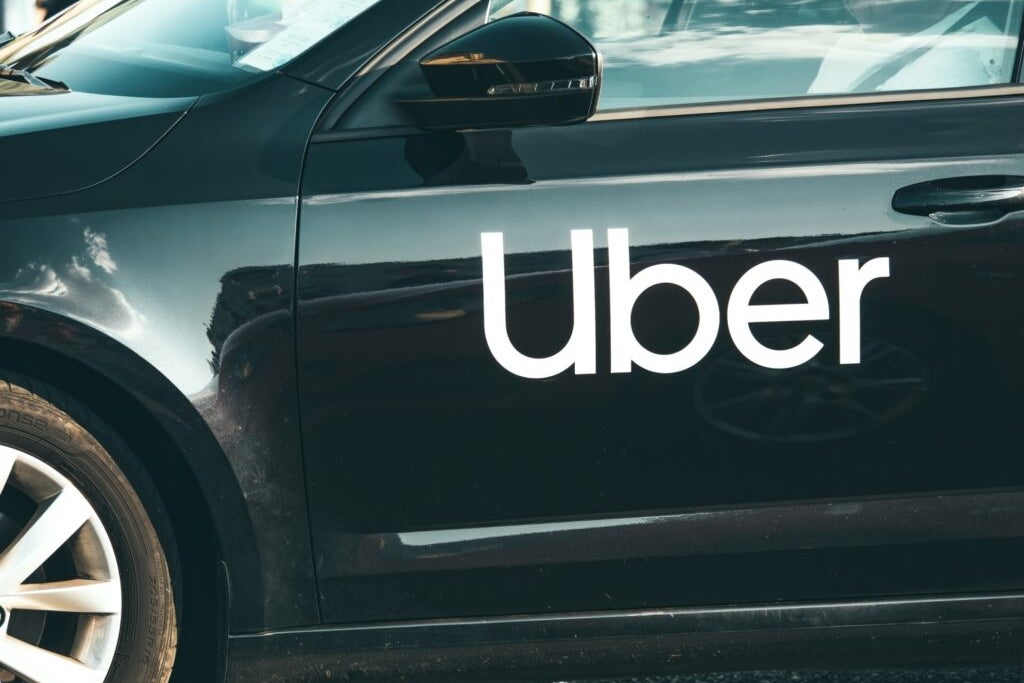
Analysis of Uber's Autonomous Driving Strategy
- Massive Investment: Uber has reportedly committed over $10 billion to build its autonomous vehicle supply chain, including a deal for at least 35,000 electric robotaxis with Lucid Group and Nuro, showcasing its ambition in the self-driving sector.
- Market Recovery: Uber's shares have rebounded approximately 7% over the past month and 5% in the last week, although the stock remains about 25% below its 52-week high, reflecting investor optimism regarding the potential of robotaxis.
- Partner Network Expansion: Uber has signed agreements with around 30 autonomous partners and aims to offer driverless services in up to 15 cities by the end of 2026, indicating its desire to become a marketplace for autonomous vehicle capacity.
- Strong Core Business Growth: In Q1 2026, Uber's revenue rose 14% year-over-year to $13.2 billion, with gross bookings increasing by 25% to $53.7 billion, demonstrating that its robust traditional business supports its autonomous strategy.
See More

Uber and Waymo End Robotaxi Partnership in Phoenix

- Partnership Conclusion: Uber and Waymo have officially ended their robotaxi partnership in Phoenix, which began in 2023 and involved thousands of trips, highlighting a divergence in their strategic approaches despite initial collaboration.
- Future Expansion: Waymo noted that this partnership paved the way for future expansions and global collaborations, while Uber's partnerships are critical for its autonomous ride-hailing ambitions, as Waymo has expanded into cities like Nashville and Miami.
- Ongoing Delivery Agreement: Despite the partnership's conclusion, Waymo will continue its delivery agreement with DoorDash, ensuring its operations in Phoenix remain unaffected and demonstrating its ongoing commitment to the logistics sector.
- New Partnership Announcement: Uber plans to announce a new partnership with another autonomous vehicle provider in Phoenix in the future, although no new city collaborations have been disclosed yet, indicating that Uber's autonomous ride-hailing vision is still progressing.
See More

Waymo Ends Partnership with Uber, Vehicles Return to Own Fleet
- Partnership Termination: Waymo's collaboration with Uber for autonomous taxis in Phoenix quietly ended in May 2023, with Uber's app no longer offering Waymo vehicles, marking a significant shift in their relationship, although Uber's shares fell by 1% following the news.
- Fleet Integration: Waymo announced that over a dozen vehicles used in the Uber pilot have been reintegrated into its Phoenix fleet and are now exclusively available through the Waymo app, indicating an enhanced control over its autonomous vehicle technology.
- Strategic Shift: Uber is preparing to launch a new autonomous vehicle partnership in Phoenix, although the specific partner has not been disclosed, showcasing Uber's flexibility and diversification strategy in the autonomous driving sector.
- Positive Market Sentiment: Despite Uber's stock falling 8% year-to-date, retail sentiment on Stocktwits remains bullish, with investors viewing the end of the partnership as a structural shift rather than a setback, reflecting optimism for future growth.
See More

Analysis of Electric Vehicle Market Dynamics


- Market Trend Shift: EV stocks soared in 2021 due to low interest rates and a surge in post-pandemic vehicle purchases, but many fizzled in 2022 and 2023 as inflation and rising rates dampened interest, leading investors to chase hotter AI stocks instead.
- Rivian Production Challenges: Rivian produced 57,232 vehicles in 2023, but expects a drop to 49,476 in 2024 and 42,284 in 2025, primarily due to supply chain constraints and intense competition, although its new R2 SUV is projected to boost annual deliveries to 62,000-67,000.
- BYD Market Expansion: BYD surpassed Tesla to become the world's largest EV maker in 2025 with annual sales of 4.6 million vehicles, indicating strong growth in the EV market, with revenue and EPS expected to grow at CAGRs of 13% and 23% from 2025 to 2028.
- Joby Aviation Prospects: Joby's S4 eVTOL aircraft has backing from major investors like Toyota and Delta, and while it awaits full FAA certification, its revenue is projected to increase nearly ninefold from 2025 to 2028, highlighting significant potential in the future air mobility market.
See More
Rivian, BYD, and Joby's Market Prospects
- Rivian Production Challenges: Rivian produced 57,232 vehicles in 2023 but expects a drop to 49,476 in 2024 due to supply chain constraints and increased competition, which could impact its market share and profitability.
- R2 Model Launch: Rivian plans to launch the R2 SUV starting at $57,990, expecting to boost annual deliveries to 62,000-67,000 vehicles, thereby enhancing its market appeal and gross margins.
- BYD Global Expansion: BYD sold 4.6 million electric vehicles in 2025, surpassing Tesla, and improved production efficiency and market competitiveness through in-house lithium iron phosphate batteries and a vertically integrated supply chain.
- Joby Commercial Flight Plans: Joby aims to launch its first commercial eVTOL flights in the U.S., and although FAA certification is pending, analysts expect revenue to grow nearly ninefold from 2025 to 2028, indicating significant market potential.
See More
Uber Shares Rebound as Robotaxis Emerge as New Growth Driver
- Stock Recovery: Uber's shares have risen about 7% over the past month and 5% in the last week, although they remain 25% below their 52-week high, reflecting investor optimism towards robotaxis as a growth driver.
- Partner Network: Uber has reportedly signed agreements with around 30 autonomous partners and aims to offer driverless services in up to 15 cities by the end of 2026, indicating its aggregation capabilities in the autonomous driving market.
- Strong Financial Performance: In Q1 2026, Uber's revenue rose 14% year-over-year to $13.2 billion, with gross bookings increasing 25% to $53.7 billion, demonstrating that its core business growth supports future robotaxi services.
- Competitive Market Pressure: Despite Uber's investment of over $10 billion in autonomous vehicles, the dominance of competitors like Waymo and Tesla poses significant challenges that could impact Uber's future market share.
See More
Analysis of Uber's Autonomous Driving Strategy
- Massive Investment: Uber has reportedly committed over $10 billion to build its autonomous vehicle supply chain, including a deal for at least 35,000 electric robotaxis with Lucid Group and Nuro, showcasing its ambition in the self-driving sector.
- Market Recovery: Uber's shares have rebounded approximately 7% over the past month and 5% in the last week, although the stock remains about 25% below its 52-week high, reflecting investor optimism regarding the potential of robotaxis.
- Partner Network Expansion: Uber has signed agreements with around 30 autonomous partners and aims to offer driverless services in up to 15 cities by the end of 2026, indicating its desire to become a marketplace for autonomous vehicle capacity.
- Strong Core Business Growth: In Q1 2026, Uber's revenue rose 14% year-over-year to $13.2 billion, with gross bookings increasing by 25% to $53.7 billion, demonstrating that its robust traditional business supports its autonomous strategy.
See More
Uber and Waymo End Robotaxi Partnership in Phoenix
- Partnership Conclusion: Uber and Waymo have officially ended their robotaxi partnership in Phoenix, which began in 2023 and involved thousands of trips, highlighting a divergence in their strategic approaches despite initial collaboration.
- Future Expansion: Waymo noted that this partnership paved the way for future expansions and global collaborations, while Uber's partnerships are critical for its autonomous ride-hailing ambitions, as Waymo has expanded into cities like Nashville and Miami.
- Ongoing Delivery Agreement: Despite the partnership's conclusion, Waymo will continue its delivery agreement with DoorDash, ensuring its operations in Phoenix remain unaffected and demonstrating its ongoing commitment to the logistics sector.
- New Partnership Announcement: Uber plans to announce a new partnership with another autonomous vehicle provider in Phoenix in the future, although no new city collaborations have been disclosed yet, indicating that Uber's autonomous ride-hailing vision is still progressing.
See More
Waymo Ends Partnership with Uber, Vehicles Return to Own Fleet
- Partnership Termination: Waymo's collaboration with Uber for autonomous taxis in Phoenix quietly ended in May 2023, with Uber's app no longer offering Waymo vehicles, marking a significant shift in their relationship, although Uber's shares fell by 1% following the news.
- Fleet Integration: Waymo announced that over a dozen vehicles used in the Uber pilot have been reintegrated into its Phoenix fleet and are now exclusively available through the Waymo app, indicating an enhanced control over its autonomous vehicle technology.
- Strategic Shift: Uber is preparing to launch a new autonomous vehicle partnership in Phoenix, although the specific partner has not been disclosed, showcasing Uber's flexibility and diversification strategy in the autonomous driving sector.
- Positive Market Sentiment: Despite Uber's stock falling 8% year-to-date, retail sentiment on Stocktwits remains bullish, with investors viewing the end of the partnership as a structural shift rather than a setback, reflecting optimism for future growth.
See More
Analysis of Electric Vehicle Market Dynamics
- Market Trend Shift: EV stocks soared in 2021 due to low interest rates and a surge in post-pandemic vehicle purchases, but many fizzled in 2022 and 2023 as inflation and rising rates dampened interest, leading investors to chase hotter AI stocks instead.
- Rivian Production Challenges: Rivian produced 57,232 vehicles in 2023, but expects a drop to 49,476 in 2024 and 42,284 in 2025, primarily due to supply chain constraints and intense competition, although its new R2 SUV is projected to boost annual deliveries to 62,000-67,000.
- BYD Market Expansion: BYD surpassed Tesla to become the world's largest EV maker in 2025 with annual sales of 4.6 million vehicles, indicating strong growth in the EV market, with revenue and EPS expected to grow at CAGRs of 13% and 23% from 2025 to 2028.
- Joby Aviation Prospects: Joby's S4 eVTOL aircraft has backing from major investors like Toyota and Delta, and while it awaits full FAA certification, its revenue is projected to increase nearly ninefold from 2025 to 2028, highlighting significant potential in the future air mobility market.
See More
Rivian, BYD, and Joby's Market Prospects
- Rivian Production Challenges: Rivian produced 57,232 vehicles in 2023 but expects a drop to 49,476 in 2024 due to supply chain constraints and increased competition, which could impact its market share and profitability.
- R2 Model Launch: Rivian plans to launch the R2 SUV starting at $57,990, expecting to boost annual deliveries to 62,000-67,000 vehicles, thereby enhancing its market appeal and gross margins.
- BYD Global Expansion: BYD sold 4.6 million electric vehicles in 2025, surpassing Tesla, and improved production efficiency and market competitiveness through in-house lithium iron phosphate batteries and a vertically integrated supply chain.
- Joby Commercial Flight Plans: Joby aims to launch its first commercial eVTOL flights in the U.S., and although FAA certification is pending, analysts expect revenue to grow nearly ninefold from 2025 to 2028, indicating significant market potential.
See More




