UAW Calls for Strike at Michigan Factory Supplying GM
Written by Emily J. Thompson, Senior Investment Analyst
Updated: 2 hours ago
0mins
Source: Newsfilter
- Strike Announcement: UAW President Shawn Fain declared a strike at the Dauch Corp factory in Three Rivers, Michigan, set to commence at midnight, which supplies axles for GM's profitable pickup trucks, highlighting the union's strong demand for improved worker conditions.
- Worker Conditions: The plant employs around 1,000 unionized workers, and the union noted that employees made sacrifices in 2008 to keep the facility operational, with current wages capped at $22 per hour, significantly lower than the $29 per hour in 2008, reflecting deep dissatisfaction with pay and benefits.
- Strike Authorization Vote: In early May, workers voted 98% in favor of authorizing a strike if necessary, demonstrating the union members' firm resolve to improve working conditions, with Fain stating that for 18 years, workers have built profits for the company while being treated unfairly.
- GM's Response: General Motors stated it is closely monitoring the situation and assessing potential impacts, indicating the company's concern over the union's actions and the possible risks to production and supply chains.
Trade with 70% Backtested Accuracy
Stop guessing "Should I Buy GM?" and start using high-conviction signals backed by rigorous historical data.
Sign up today to access powerful investing tools and make smarter, data-driven decisions.
Analyst Views on GM
Wall Street analysts forecast GM stock price to rise
19 Analyst Rating
14 Buy
4 Hold
1 Sell
Moderate Buy
Current: 84.350

Low
57.00
Averages
95.06
High
122.00
Current: 84.350
Low
57.00
Averages
95.06
High
122.00
About GM
General Motors Company designs, builds and sells trucks, crossovers, cars and automobile parts and provides software-enabled services and subscriptions worldwide. The Company's segments include GMNA, GMI and GM Financial. Its GM North America (GMNA) and GM International (GMI) segment develop, manufacture and/or markets vehicles under the Buick, Cadillac, Chevrolet and GMC brands. The Company's GM Financial segment provides automotive financing and related services. The Company is also focused on investing in electric vehicles (EVs) and autonomous vehicles (Avs), software-enabled services and subscriptions and new business opportunities. The Company's portfolio includes OnStar, GM Energy, GM Insurance, GM Genuine Parts, and the GM Company Store. Its OnStar portfolio offers safety, connectivity and hands-free driver assistance technologies. Its GM Energy provides Home EV Charging, Public EV Charging, Vehicle-To-Home and Energy Storage services.
About the author

Emily J. Thompson
Emily J. Thompson, a Chartered Financial Analyst (CFA) with 12 years in investment research, graduated with honors from the Wharton School. Specializing in industrial and technology stocks, she provides in-depth analysis for Intellectia’s earnings and market brief reports.

UAW Calls for Strike at Michigan Factory Supplying GM


- Strike Announcement: UAW President Shawn Fain declared a strike at the Dauch Corp factory in Three Rivers, Michigan, set to commence at midnight, which supplies axles for GM's profitable pickup trucks, highlighting the union's strong demand for improved worker conditions.
- Worker Conditions: The plant employs around 1,000 unionized workers, and the union noted that employees made sacrifices in 2008 to keep the facility operational, with current wages capped at $22 per hour, significantly lower than the $29 per hour in 2008, reflecting deep dissatisfaction with pay and benefits.
- Strike Authorization Vote: In early May, workers voted 98% in favor of authorizing a strike if necessary, demonstrating the union members' firm resolve to improve working conditions, with Fain stating that for 18 years, workers have built profits for the company while being treated unfairly.
- GM's Response: General Motors stated it is closely monitoring the situation and assessing potential impacts, indicating the company's concern over the union's actions and the possible risks to production and supply chains.
See More
Ford and GM Q1 Earnings Contrast

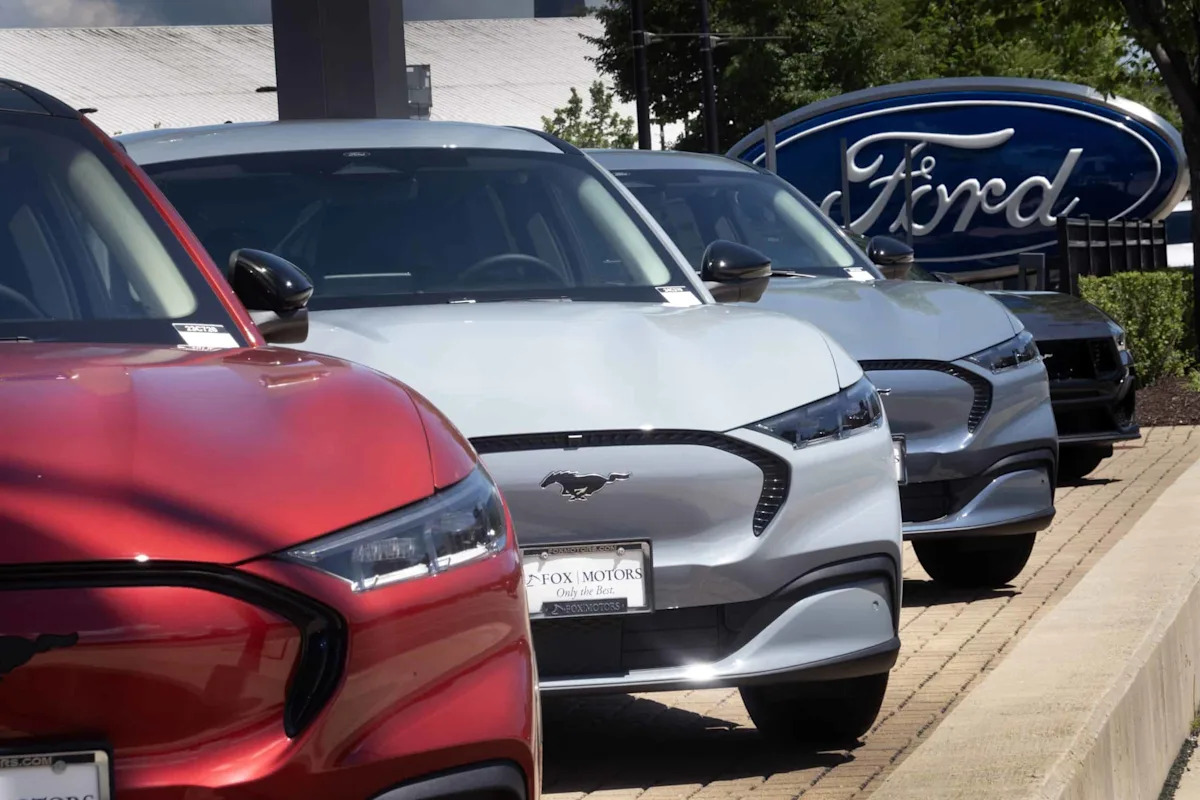
- Ford Revenue Growth: Ford reported $23.9 billion in Q1 revenue, a 14% increase year-over-year, driven by strong demand for models like the F-Series, Bronco, and Explorer, indicating its competitive edge and growth potential in the U.S. market.
- Software Subscription Increase: Ford Pro reached 879,000 paid software subscribers, up 30% year-over-year, achieving an 11.4% margin, demonstrating the company's successful transformation in software services and enhancing its long-term profitability.
- EV Investment: Ford is investing $1.5 billion in electric vehicles, despite Model e posting a $777 million loss in the quarter, with full-year losses projected between $4 billion and $4.5 billion, reflecting its commitment and challenges in the EV market.
- GM's Strong Performance: General Motors exceeded expectations with a 41.31% EPS beat in Q1, even as North American wholesale volumes fell to 793,000 units, but managed to increase its margin to 9.7%, showcasing effective strategies in cost control and profit management.
See More

Foundation Future Industries: Rise of Military Humanoid Robots

- Technological Application Outlook: Founded in 2024, Foundation Future Industries focuses on developing dual-use humanoid robots for military and industrial applications, with plans to conduct frontline testing with the U.S. military within the next 18 months, showcasing the technology's potential in hazardous environments.
- Ukraine Testing Case: The company has sent two Phantom MK-1 robots to Ukraine for pilot testing, marking the first known deployment of humanoid robots in a combat theater, aimed at enhancing logistics efficiency and reducing soldiers' exposure to danger.
- Government Contract Support: Foundation has secured $24 million in government research contracts focusing on inspection, logistics, and weapons handling, indicating a close collaboration with the U.S. Department of Defense that could facilitate the scaling of its technology.
- Clear Strategic Goals: CEO Sankaet Pathak stated that Foundation aims to scale production to thousands of units this year and is committed to developing the Phantom 2 robot with “superhuman abilities” to meet future military demands, further solidifying its market position.
See More

General Motors Stock Pulls Back as Market Sentiment Turns Cautious
- Stock Pullback: General Motors shares fell 1.13% to $83.40 on Friday after a six-session winning streak, despite a 16% surge during that period, lagging behind the S&P 500's 2.86% gain.
- Weak EV Demand: Investor sentiment turned cautious as reports indicated that GM and partner LG Energy Solution delayed the return of laid-off workers at the Ohio Ultium battery plant until August, highlighting ongoing softness in electric vehicle demand.
- Increased Policy Pressure: The White House is considering stricter U.S. content requirements under the USMCA trade agreement, which may lead automakers to push back, arguing that higher domestic sourcing thresholds could result in production delays and increased vehicle prices, affecting market competitiveness.
- Analyst Optimism: Despite challenges, Seeking Alpha's Quant Ratings system remains bullish on GM, assigning a Strong Buy rating with a score of 4.84, indicating strong support for profitability and growth potential.
See More
GM and LG Energy Delay Ohio Battery Plant Reopening to August Amid EV Demand Slump
- Reopening Delay: The Ohio battery plant, jointly owned by GM and LG Energy, has postponed the return of 850 laid-off employees from June to August due to soft demand in the electric vehicle market, highlighting the challenging market conditions.
- Layoff Context: Ultium Cells employees have been on layoff status since January, and while a small number returned to work earlier this month, the overall lack of demand has led to significant layoffs, underscoring the challenges facing the EV industry.
- Significant Financial Impact: GM has taken a $7 billion writedown due to low EV demand and the loss of federal tax credits, which has resulted in canceled supplier contracts, plant closures, and assembly line retooling, severely affecting the company's financial health.
- Production Strategy Shift: In response to market changes, GM has significantly scaled back production at its Ultium battery plants and shifted the focus of its Spring Hill, Tennessee facility from EV batteries to energy storage, aiming to optimize resource allocation and adapt to the evolving market landscape.
See More
US Auto Manufacturers Face Pressure from New Trade Rules
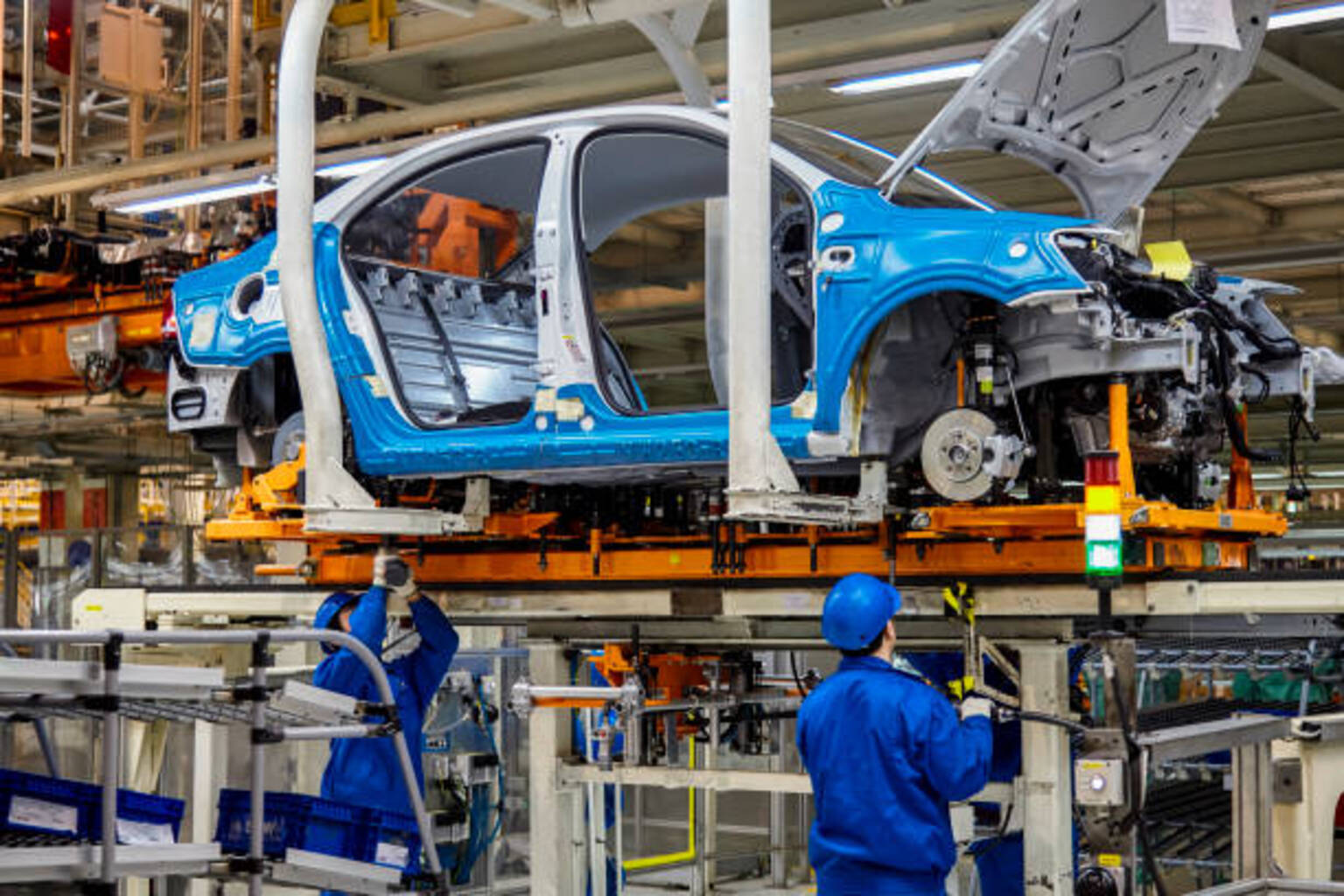
- Increased Domestic Assembly Requirements: The White House aims to enforce a rise in the domestic assembly percentage of U.S. vehicles under the USMCA from 75% to 82%, while mandating that 50% of components come from American suppliers, directly impacting manufacturers' production costs and pricing strategies.
- Heightened Tariff Risks: Vehicles that do not comply with the new regulations will face a 25% import tariff, raising concerns among automakers that this policy will lead to production delays and increased prices for consumers, thereby affecting market competitiveness and purchasing power.
- Industry Pushback: General Motors CEO Mary Barra cautioned that stricter regional content requirements would harm U.S. competitiveness, emphasizing that inconsistent trade policies complicate capital investments and highlighting the need for clarity and consistency in regulations.
- Supply Chain Adjustment Challenges: Automakers typically require five to six years to redesign production lines and adjust supply chains, with Barra noting that while everything can be moved over time, it must be done effectively to maintain global competitiveness.
See More
UAW Calls for Strike at Michigan Factory Supplying GM
- Strike Announcement: UAW President Shawn Fain declared a strike at the Dauch Corp factory in Three Rivers, Michigan, set to commence at midnight, which supplies axles for GM's profitable pickup trucks, highlighting the union's strong demand for improved worker conditions.
- Worker Conditions: The plant employs around 1,000 unionized workers, and the union noted that employees made sacrifices in 2008 to keep the facility operational, with current wages capped at $22 per hour, significantly lower than the $29 per hour in 2008, reflecting deep dissatisfaction with pay and benefits.
- Strike Authorization Vote: In early May, workers voted 98% in favor of authorizing a strike if necessary, demonstrating the union members' firm resolve to improve working conditions, with Fain stating that for 18 years, workers have built profits for the company while being treated unfairly.
- GM's Response: General Motors stated it is closely monitoring the situation and assessing potential impacts, indicating the company's concern over the union's actions and the possible risks to production and supply chains.
See More
Ford and GM Q1 Earnings Contrast
- Ford Revenue Growth: Ford reported $23.9 billion in Q1 revenue, a 14% increase year-over-year, driven by strong demand for models like the F-Series, Bronco, and Explorer, indicating its competitive edge and growth potential in the U.S. market.
- Software Subscription Increase: Ford Pro reached 879,000 paid software subscribers, up 30% year-over-year, achieving an 11.4% margin, demonstrating the company's successful transformation in software services and enhancing its long-term profitability.
- EV Investment: Ford is investing $1.5 billion in electric vehicles, despite Model e posting a $777 million loss in the quarter, with full-year losses projected between $4 billion and $4.5 billion, reflecting its commitment and challenges in the EV market.
- GM's Strong Performance: General Motors exceeded expectations with a 41.31% EPS beat in Q1, even as North American wholesale volumes fell to 793,000 units, but managed to increase its margin to 9.7%, showcasing effective strategies in cost control and profit management.
See More
Foundation Future Industries: Rise of Military Humanoid Robots
- Technological Application Outlook: Founded in 2024, Foundation Future Industries focuses on developing dual-use humanoid robots for military and industrial applications, with plans to conduct frontline testing with the U.S. military within the next 18 months, showcasing the technology's potential in hazardous environments.
- Ukraine Testing Case: The company has sent two Phantom MK-1 robots to Ukraine for pilot testing, marking the first known deployment of humanoid robots in a combat theater, aimed at enhancing logistics efficiency and reducing soldiers' exposure to danger.
- Government Contract Support: Foundation has secured $24 million in government research contracts focusing on inspection, logistics, and weapons handling, indicating a close collaboration with the U.S. Department of Defense that could facilitate the scaling of its technology.
- Clear Strategic Goals: CEO Sankaet Pathak stated that Foundation aims to scale production to thousands of units this year and is committed to developing the Phantom 2 robot with “superhuman abilities” to meet future military demands, further solidifying its market position.
See More
General Motors Stock Pulls Back as Market Sentiment Turns Cautious
- Stock Pullback: General Motors shares fell 1.13% to $83.40 on Friday after a six-session winning streak, despite a 16% surge during that period, lagging behind the S&P 500's 2.86% gain.
- Weak EV Demand: Investor sentiment turned cautious as reports indicated that GM and partner LG Energy Solution delayed the return of laid-off workers at the Ohio Ultium battery plant until August, highlighting ongoing softness in electric vehicle demand.
- Increased Policy Pressure: The White House is considering stricter U.S. content requirements under the USMCA trade agreement, which may lead automakers to push back, arguing that higher domestic sourcing thresholds could result in production delays and increased vehicle prices, affecting market competitiveness.
- Analyst Optimism: Despite challenges, Seeking Alpha's Quant Ratings system remains bullish on GM, assigning a Strong Buy rating with a score of 4.84, indicating strong support for profitability and growth potential.
See More
GM and LG Energy Delay Ohio Battery Plant Reopening to August Amid EV Demand Slump
- Reopening Delay: The Ohio battery plant, jointly owned by GM and LG Energy, has postponed the return of 850 laid-off employees from June to August due to soft demand in the electric vehicle market, highlighting the challenging market conditions.
- Layoff Context: Ultium Cells employees have been on layoff status since January, and while a small number returned to work earlier this month, the overall lack of demand has led to significant layoffs, underscoring the challenges facing the EV industry.
- Significant Financial Impact: GM has taken a $7 billion writedown due to low EV demand and the loss of federal tax credits, which has resulted in canceled supplier contracts, plant closures, and assembly line retooling, severely affecting the company's financial health.
- Production Strategy Shift: In response to market changes, GM has significantly scaled back production at its Ultium battery plants and shifted the focus of its Spring Hill, Tennessee facility from EV batteries to energy storage, aiming to optimize resource allocation and adapt to the evolving market landscape.
See More
US Auto Manufacturers Face Pressure from New Trade Rules
- Increased Domestic Assembly Requirements: The White House aims to enforce a rise in the domestic assembly percentage of U.S. vehicles under the USMCA from 75% to 82%, while mandating that 50% of components come from American suppliers, directly impacting manufacturers' production costs and pricing strategies.
- Heightened Tariff Risks: Vehicles that do not comply with the new regulations will face a 25% import tariff, raising concerns among automakers that this policy will lead to production delays and increased prices for consumers, thereby affecting market competitiveness and purchasing power.
- Industry Pushback: General Motors CEO Mary Barra cautioned that stricter regional content requirements would harm U.S. competitiveness, emphasizing that inconsistent trade policies complicate capital investments and highlighting the need for clarity and consistency in regulations.
- Supply Chain Adjustment Challenges: Automakers typically require five to six years to redesign production lines and adjust supply chains, with Barra noting that while everything can be moved over time, it must be done effectively to maintain global competitiveness.
See More