Two High-Risk Stocks That Could Plummet This Quarter


Coca-Cola Consolidated Inc Performance: The company reported a year-over-year increase in third-quarter financial results, with a stock gain of around 22% over the past month and an RSI value of 88.5, indicating it may be overbought.
Nature’s Sunshine Products Growth: Nature’s Sunshine reported better-than-expected third-quarter results, raising its FY25 sales guidance, with a stock increase of approximately 45% in five days and an RSI value of 81.1, also suggesting overbought conditions.
Momentum Indicator Explanation: The Relative Strength Index (RSI) is a momentum indicator that helps traders assess stock performance by comparing price strength on up days versus down days, with values above 70 indicating overbought conditions.
Investor Caution Advised: Both Coca-Cola Consolidated and Nature’s Sunshine Products are highlighted as potentially risky investments for momentum-focused traders due to their high RSI values.
Trade with 70% Backtested Accuracy
Analyst Views on COKE
About COKE
About the author


U.S. Markets Increased on Monday; QXO Saw the Largest Gain


- U.S. Stock Market Performance: Stock indexes in the U.S. experienced gains on Monday, with the S&P 500 rising by 1.38%.
- Index Movements: The Dow Jones Industrial Average also increased by 1.38%, while the Nasdaq Composite saw a rise of 1.15%.
Warren Buffett's Investment Legacy and Lessons


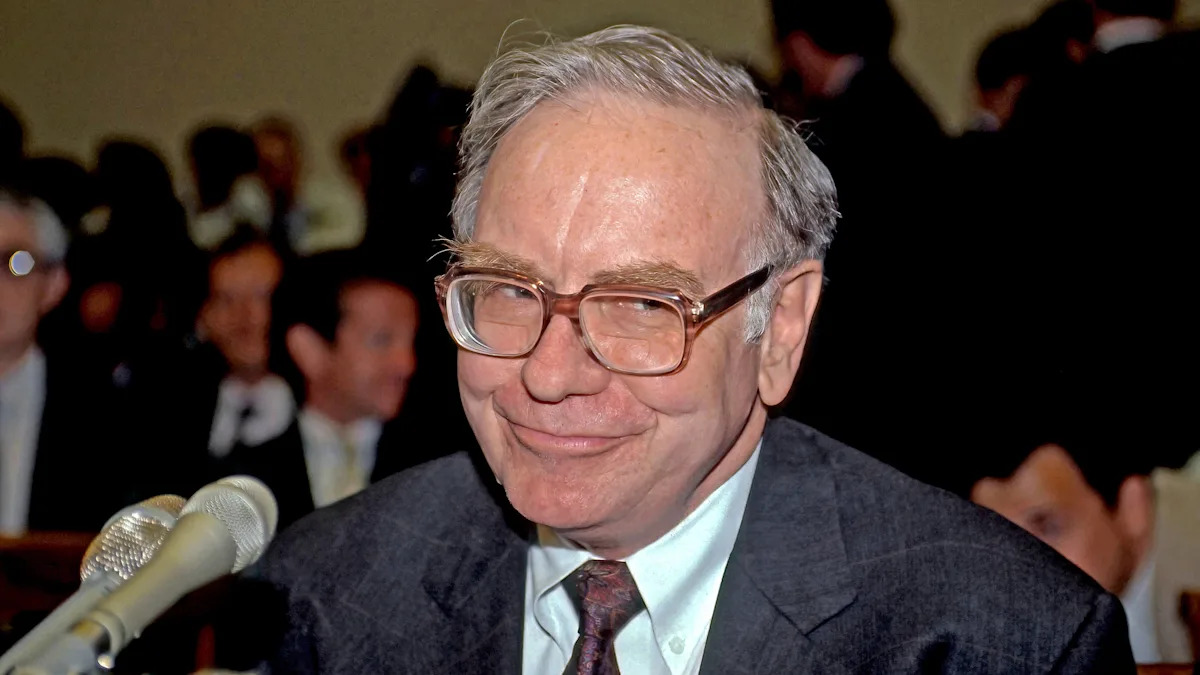
- Staggering Returns: Since Warren Buffett took control of Berkshire Hathaway in 1965, the company's stock has returned over 6 million%, vastly outperforming the S&P 500's 46,061% during the same period, showcasing his exceptional investment acumen and the success of a long-term holding strategy.
- Coca-Cola's Lasting Profits: Buffett invested $1.3 billion in Coca-Cola in 1988, and by 2025, its value had soared to $31 billion, with annual dividends increasing from $75 million to $816 million, illustrating the power of compounding and brand strength.
- Bank of America's Strategic Deal: In 2011, Buffett invested $5 billion in Bank of America, securing $300 million in annual income and realizing a $12 billion paper profit by 2017 through warrant exercise, demonstrating his ability to seize opportunities during crises.
- Apple's Strategic Investment: Buffett invested approximately $36 billion in Apple in 2016, and by 2023, its value exceeded $174 billion, indicating his deep understanding of consumer brands and a successful pivot into tech investments.
Analysis of Consumer Staples Stock Appeal

- Sector Positioning: Consumer staples stocks represent only 5.3% of the S&P 500, ranking as the seventh-largest sector weight, yet their everyday product familiarity fosters brand loyalty, making them a focal point for investors despite lacking the glamour of tech stocks.
- Coca-Cola Europacific Partners: This company serves over 600 million consumers across 31 markets, boasting a market cap of $45 billion and a dividend yield of 2.30%, indicating strong shareholder return potential and solid dividend growth prospects.
- Keurig Dr Pepper Acquisition: The company is nearing the completion of its $18 billion acquisition of JDE Peet's, with expectations to generate $4.2 billion in annual free cash flow from 2027 to 2030, supported by $1 billion in cash liquidity, despite an increase in debt ratio.
- Clorox's Recovery Potential: Although Clorox's stock has declined 37.6% over the past five years, it maintains a market cap of $13 billion and a dividend yield of 4.54%, with its innovative R&D efforts positioning it to rebound and attract income-focused investors.

Investment Opportunities in Consumer Staples Sector
- Strong Sector Performance: The consumer staples sector has outperformed the broader market in 2023, capturing investor interest due to its stable dividend yields and lower volatility, despite only representing 5.3% of the S&P 500, highlighting its investment appeal.
- Coca-Cola Europacific Partners: This company serves over 600 million consumers across 31 markets, operating independently while Coca-Cola retains a 19% stake, and is expected to benefit from rising demand for Coca-Cola products, showcasing potential for reliable dividend growth.
- Keurig Dr Pepper Acquisition: Keurig Dr Pepper is nearing the completion of its $18 billion acquisition of JDE Peet's, with expectations of generating $4.2 billion in annual free cash flow from 2027 to 2030, although dividend growth may slow in the short term, the long-term outlook remains positive.
- Clorox's Recovery Potential: Despite a 37.6% decline in stock price over the past five years, Clorox's nearly fifty-year streak of dividend increases and ongoing R&D efforts may support a rebound, making it attractive for income-seeking investors.

Consumer Stocks Defy Market Trends with Gains

- Coca-Cola Consolidated Performance: Coca-Cola Consolidated's stock surged 51% over the past year, reaching a market cap of $14 billion, and despite revenue growth not exceeding 12%, it has achieved 16 consecutive years of positive growth, indicating its stable market performance and long-term investment value.
- McDonald's Product Innovation: McDonald's launched the limited-time Big Arch, and despite controversy surrounding the CEO's tasting video, the company achieved a net margin of 27% in 2025, with expectations to increase dividends, solidifying its status as a 'Dividend King'.
- Restaurant Brands International Growth: Restaurant Brands International boasts a market cap of $26 billion, and while smaller than McDonald's, it achieved a 12% revenue growth rate in 2025 and offers a 3.5% dividend yield, showcasing its attractiveness in a competitive market.
- Defensive Consumer Trends: Amid economic uncertainty, oil, gas, and defense sectors performed strongly, while consumer companies like Coca-Cola, McDonald's, and Restaurant Brands International reached new stock highs, reflecting market confidence and demand for these brands.

Coca-Cola Consolidated Stock Shows Significant Potential
- Independent Bottler Advantage: Coca-Cola Consolidated, the largest independent bottler globally, acquired all equity interest from Coca-Cola last November for $2.4 billion at $127 per share, significantly below its current closing price of $206.38, highlighting its strong market position and investment appeal.
- Significant Performance Growth: In the fourth quarter, the company reported increases in operating income, gross profit, and net sales, indicating that it benefits not only from Coke Classic and Diet Coke but also from brands like Core Power, Dasani, and Monster, showcasing the stability provided by its diversified product portfolio.
- Long-Term Investment Potential: Despite the stock hovering near all-time highs and a 34% surge in February, investors may still consider it a long-term hold in the consumer staples sector, especially since Berkshire Hathaway regards Coca-Cola as one of its four “forever” stocks, suggesting its long-term stability.
- Dividend and Buyback Capacity: Coca-Cola Consolidated is not only a steady dividend payer but also has the capacity to repurchase a significant portion of its outstanding shares, providing additional return potential for investors and enhancing its appeal as a “forever” stock.
U.S. Markets Increased on Monday; QXO Saw the Largest Gain
- U.S. Stock Market Performance: Stock indexes in the U.S. experienced gains on Monday, with the S&P 500 rising by 1.38%.
- Index Movements: The Dow Jones Industrial Average also increased by 1.38%, while the Nasdaq Composite saw a rise of 1.15%.
Warren Buffett's Investment Legacy and Lessons
- Staggering Returns: Since Warren Buffett took control of Berkshire Hathaway in 1965, the company's stock has returned over 6 million%, vastly outperforming the S&P 500's 46,061% during the same period, showcasing his exceptional investment acumen and the success of a long-term holding strategy.
- Coca-Cola's Lasting Profits: Buffett invested $1.3 billion in Coca-Cola in 1988, and by 2025, its value had soared to $31 billion, with annual dividends increasing from $75 million to $816 million, illustrating the power of compounding and brand strength.
- Bank of America's Strategic Deal: In 2011, Buffett invested $5 billion in Bank of America, securing $300 million in annual income and realizing a $12 billion paper profit by 2017 through warrant exercise, demonstrating his ability to seize opportunities during crises.
- Apple's Strategic Investment: Buffett invested approximately $36 billion in Apple in 2016, and by 2023, its value exceeded $174 billion, indicating his deep understanding of consumer brands and a successful pivot into tech investments.
Analysis of Consumer Staples Stock Appeal
- Sector Positioning: Consumer staples stocks represent only 5.3% of the S&P 500, ranking as the seventh-largest sector weight, yet their everyday product familiarity fosters brand loyalty, making them a focal point for investors despite lacking the glamour of tech stocks.
- Coca-Cola Europacific Partners: This company serves over 600 million consumers across 31 markets, boasting a market cap of $45 billion and a dividend yield of 2.30%, indicating strong shareholder return potential and solid dividend growth prospects.
- Keurig Dr Pepper Acquisition: The company is nearing the completion of its $18 billion acquisition of JDE Peet's, with expectations to generate $4.2 billion in annual free cash flow from 2027 to 2030, supported by $1 billion in cash liquidity, despite an increase in debt ratio.
- Clorox's Recovery Potential: Although Clorox's stock has declined 37.6% over the past five years, it maintains a market cap of $13 billion and a dividend yield of 4.54%, with its innovative R&D efforts positioning it to rebound and attract income-focused investors.
Investment Opportunities in Consumer Staples Sector
- Strong Sector Performance: The consumer staples sector has outperformed the broader market in 2023, capturing investor interest due to its stable dividend yields and lower volatility, despite only representing 5.3% of the S&P 500, highlighting its investment appeal.
- Coca-Cola Europacific Partners: This company serves over 600 million consumers across 31 markets, operating independently while Coca-Cola retains a 19% stake, and is expected to benefit from rising demand for Coca-Cola products, showcasing potential for reliable dividend growth.
- Keurig Dr Pepper Acquisition: Keurig Dr Pepper is nearing the completion of its $18 billion acquisition of JDE Peet's, with expectations of generating $4.2 billion in annual free cash flow from 2027 to 2030, although dividend growth may slow in the short term, the long-term outlook remains positive.
- Clorox's Recovery Potential: Despite a 37.6% decline in stock price over the past five years, Clorox's nearly fifty-year streak of dividend increases and ongoing R&D efforts may support a rebound, making it attractive for income-seeking investors.
Consumer Stocks Defy Market Trends with Gains
- Coca-Cola Consolidated Performance: Coca-Cola Consolidated's stock surged 51% over the past year, reaching a market cap of $14 billion, and despite revenue growth not exceeding 12%, it has achieved 16 consecutive years of positive growth, indicating its stable market performance and long-term investment value.
- McDonald's Product Innovation: McDonald's launched the limited-time Big Arch, and despite controversy surrounding the CEO's tasting video, the company achieved a net margin of 27% in 2025, with expectations to increase dividends, solidifying its status as a 'Dividend King'.
- Restaurant Brands International Growth: Restaurant Brands International boasts a market cap of $26 billion, and while smaller than McDonald's, it achieved a 12% revenue growth rate in 2025 and offers a 3.5% dividend yield, showcasing its attractiveness in a competitive market.
- Defensive Consumer Trends: Amid economic uncertainty, oil, gas, and defense sectors performed strongly, while consumer companies like Coca-Cola, McDonald's, and Restaurant Brands International reached new stock highs, reflecting market confidence and demand for these brands.
Coca-Cola Consolidated Stock Shows Significant Potential
- Independent Bottler Advantage: Coca-Cola Consolidated, the largest independent bottler globally, acquired all equity interest from Coca-Cola last November for $2.4 billion at $127 per share, significantly below its current closing price of $206.38, highlighting its strong market position and investment appeal.
- Significant Performance Growth: In the fourth quarter, the company reported increases in operating income, gross profit, and net sales, indicating that it benefits not only from Coke Classic and Diet Coke but also from brands like Core Power, Dasani, and Monster, showcasing the stability provided by its diversified product portfolio.
- Long-Term Investment Potential: Despite the stock hovering near all-time highs and a 34% surge in February, investors may still consider it a long-term hold in the consumer staples sector, especially since Berkshire Hathaway regards Coca-Cola as one of its four “forever” stocks, suggesting its long-term stability.
- Dividend and Buyback Capacity: Coca-Cola Consolidated is not only a steady dividend payer but also has the capacity to repurchase a significant portion of its outstanding shares, providing additional return potential for investors and enhancing its appeal as a “forever” stock.