

Trump and Vance Show Stark Investment Differences
Written by Emily J. Thompson, Senior Investment Analyst
Updated: 22 hours ago
0mins


Source: stocktwits
- Investment Disclosure Comparison: Trump's financial disclosure spans 927 pages with 21,285 trades across numerous companies, while Vance's is only 17 pages long, showing a stark contrast in their investment strategies with Vance focusing on just 10 transactions in market-linked ETFs.
- Income Source Analysis: In 2025, Vance's income of $7.4 million primarily came from royalties of his bestselling memoir 'Hillbilly Elegy', whereas Trump generated at least $2.24 billion, highlighting the significant differences in their income sources.
- Cryptocurrency Investments: Both leaders are actively investing in digital currencies, with Vance holding between $250,001 and $500,000 in Bitcoin in a Coinbase account, while Trump reported about $1.2 billion in crypto-related income, indicating their alignment in emerging asset classes.
- Market Impact and Policy: Trump's policies aim to position the U.S. as a global hub for digital assets, with a White House spokesperson stating that his initiatives are designed to drive innovation and economic opportunities, reflecting his strategic intent in the digital economy.
Trade with 70% Backtested Accuracy
Stop guessing "Should I Buy NVDA?" and start using high-conviction signals backed by rigorous historical data.
Sign up today to access powerful investing tools and make smarter, data-driven decisions.
Analyst Views on NVDA
Wall Street analysts forecast NVDA stock price to rise
41 Analyst Rating
39 Buy
1 Hold
1 Sell
Strong Buy
Current: 197.580

Low
200.00
Averages
264.97
High
352.00
Current: 197.580
Low
200.00
Averages
264.97
High
352.00
About NVDA
NVIDIA Corporation is an artificial intelligence (AI) infrastructure company. The Company is engaged in accelerated computing to help solve the challenging computational problems. Its segments include Compute & Networking and Graphics. The Compute & Networking segment includes its Data Center accelerated computing and networking platforms and AI solutions and software, and automotive platforms and autonomous and electric vehicle solutions, including software. The Graphics segment includes GeForce GPUs for gaming and personal computers (PCs), and Quadro/NVIDIA RTX GPUs for enterprise workstation graphics. Its technology stack includes the foundational NVIDIA CUDA development platform that runs on all NVIDIA GPUs, as well as hundreds of domain-specific software libraries, frameworks, algorithms, software development kits (SDKs), and application programming interfaces (APIs). Its platforms address four markets, which include Data Center, Gaming, Professional Visualization, and Automotive.
About the author

Emily J. Thompson
Emily J. Thompson, a Chartered Financial Analyst (CFA) with 12 years in investment research, graduated with honors from the Wharton School. Specializing in industrial and technology stocks, she provides in-depth analysis for Intellectia’s earnings and market brief reports.

Nvidia's Stock Performance and Future Outlook

- Staggering Returns: Nvidia has achieved a compound annual growth rate of 59.49% since 2021, meaning a $1,000 investment five years ago would now be worth $10,319.71, significantly outperforming the S&P 500's 13.06% growth, highlighting its exceptional investment potential.
- Market Leadership: Nvidia remains the undisputed leader in the GPU market, and with hyperscalers investing heavily in AI infrastructure, this trend is expected to continue, further solidifying its market dominance and driving future growth.
- Relative Valuation: Despite Nvidia's stock appearing cheap relative to its growth potential, trading at a forward P/E of 22.2x compared to the tech sector's average of 22.4x, this suggests the market may be undervaluing its future growth prospects.
- Investor Confidence: Although the stock has seen recent declines, analysts believe Nvidia can still deliver above-average returns, prompting investors to seize the opportunity to buy its shares for solid returns in the coming years.
See More

Nvidia Caps Off Strong Trading Quarter Amid Market Shifts
- Stock Price Fluctuations: Despite an 8% drop in June, Nvidia's stock has risen 24% over the past year, indicating its long-term growth potential, even as market leadership shifts.
- Strong Financial Performance: The latest financial report reveals an 85% year-over-year revenue increase and a 55.7% adjusted net margin, showcasing robust profitability despite declining sales in China and rising competition.
- Future Earnings Expectations: Analysts project Nvidia's earnings at $8.97 per share for this fiscal year and $12.76 for the new fiscal year, reflecting optimism about its growth, even as the current stock trades at less than 22 times earnings.
- Market Competition Dynamics: While competitors are emerging in the AI space, Nvidia is still trading at a lower price-to-earnings ratio compared to many slower-growing tech companies, indicating its relative value and potential investment opportunities.
See More
Analysis of S&P 500 Performance in 2026

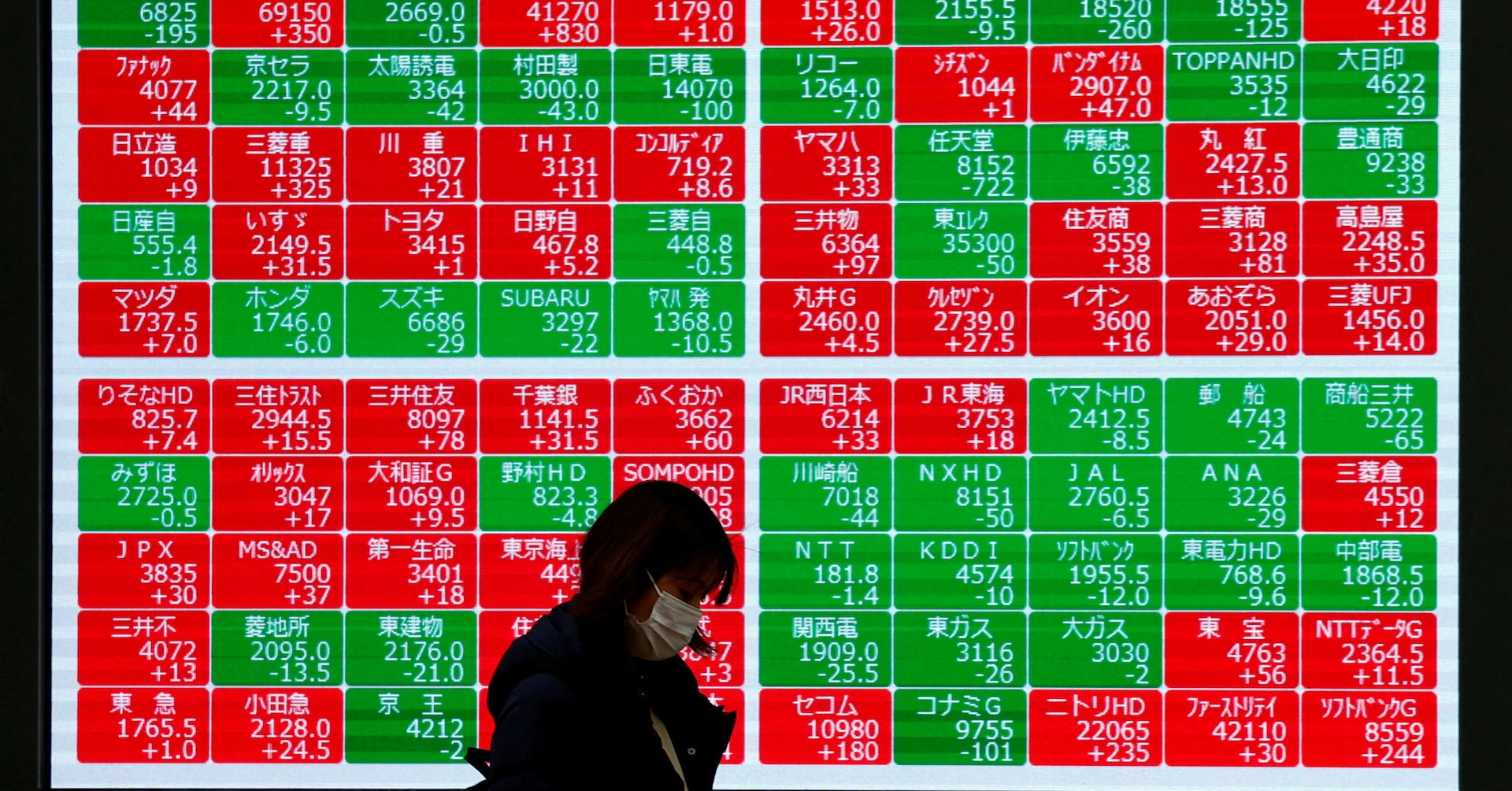
- Overall Market Performance: The S&P 500 index has risen nearly 10% in 2026, and if this trend continues, it is expected to exceed the typical 10% annual returns anticipated by investors, indicating strong market recovery potential.
- Divergent Stock Performances: Within the S&P 500, Sandisk has surged approximately 800%, making it the best-performing stock, while Intuit has plummeted around 60%, highlighting significant disparities in individual stock performances that investors need to monitor closely.
- Memory Chip Shortage: Sandisk is benefiting from a memory chip shortage that is expected to persist into 2026 and 2027, driving its stock price higher and indicating the company's competitive advantage in the rapidly growing AI data center market.
- Nvidia's Investment Potential: Although Nvidia has only risen 5% so far in 2026, it is projected to achieve nearly 100% gains in the second half due to ongoing AI buildout, making it a stock to watch for future growth potential and relative undervaluation.
See More
Sandisk Benefits from Memory Chip Shortage
- Memory Chip Shortage: Sandisk's stock has surged approximately 800% in 2026 due to skyrocketing demand for memory chips in data centers, indicating a significant enhancement in the company's market competitiveness, with expectations that this shortage will persist into 2027, providing further growth opportunities for Sandisk.
- Divergent Market Performance: While the S&P 500 has risen nearly 10% overall in 2026, individual stocks have shown starkly different performances, with Sandisk emerging as the best performer and Intuit declining around 60%, reflecting the vast differences in market confidence and expectations for these companies.
- Nvidia's Potential: Although Nvidia has only increased by 5% in early 2026, analysts predict it could achieve nearly 100% growth in the second half, primarily driven by the ongoing AI buildout, which could push Nvidia's stock to a forward P/E ratio of 40 by the end of 2026, significantly enhancing its market value.
- Investment Recommendation: Despite Nvidia not being included in the current best stocks list by Motley Fool Stock Advisor, its future growth potential remains attractive to investors, especially against the backdrop of continued investments in AI, positioning Nvidia as a stock worth holding that may perform exceptionally well by the end of 2026.
See More

Analysis of S&P 500 Performance in 2026

- Overall Market Performance: The S&P 500 index has risen nearly 10% in 2026, and if this trend continues, it is expected to exceed the typical 10% annual returns investors anticipate, indicating strong market recovery potential.
- Divergent Stock Performances: Within the S&P 500, Sandisk has surged approximately 800%, making it the best-performing stock, while Intuit has plummeted around 60%, highlighting significant disparities in individual stock performance that investors need to consider.
- Memory Chip Shortage: Sandisk is benefiting from a memory chip shortage in the market, which is expected to persist into 2026 and 2027, potentially driving further stock price increases and solidifying its market position.
- Nvidia's Potential: Although Nvidia has only risen 5% so far in 2026, it is projected to achieve nearly 100% growth in the second half due to ongoing AI buildout, making it a stock to watch for future growth opportunities.
See More
SpaceX Achieves Historic $75 Billion IPO, Valued at $2.1 Trillion

- Record IPO Size: SpaceX went public on June 12 at $135 per share, raising $75 billion, marking the largest initial public offering in history, which underscores the market's high expectations for its future potential.
- Market Cap Surpasses $2 Trillion: Three weeks post-IPO, SpaceX commands a market capitalization of approximately $2.1 trillion, despite reporting a trailing net loss of about $9.4 billion across 2025 and Q1 2026, indicating an unprecedented valuation that reflects extreme market optimism.
- Revenue vs. Loss Analysis: According to the IPO prospectus, SpaceX generated around $19.3 billion in revenue in 2025, with a net loss of $4.9 billion; however, its Starlink business accounted for 61% of revenue and produced $4.4 billion in operating profit, highlighting its potential profitability.
- Future Growth Challenges: The high valuation demands that SpaceX's Starlink business continues to grow, while the Starship and AI projects must convert their substantial R&D expenditures into significant cost reductions, prompting investors to closely monitor the upcoming earnings report for insights into actual performance and future outlook.
See More
Nvidia's Stock Performance and Future Outlook
- Staggering Returns: Nvidia has achieved a compound annual growth rate of 59.49% since 2021, meaning a $1,000 investment five years ago would now be worth $10,319.71, significantly outperforming the S&P 500's 13.06% growth, highlighting its exceptional investment potential.
- Market Leadership: Nvidia remains the undisputed leader in the GPU market, and with hyperscalers investing heavily in AI infrastructure, this trend is expected to continue, further solidifying its market dominance and driving future growth.
- Relative Valuation: Despite Nvidia's stock appearing cheap relative to its growth potential, trading at a forward P/E of 22.2x compared to the tech sector's average of 22.4x, this suggests the market may be undervaluing its future growth prospects.
- Investor Confidence: Although the stock has seen recent declines, analysts believe Nvidia can still deliver above-average returns, prompting investors to seize the opportunity to buy its shares for solid returns in the coming years.
See More
Nvidia Caps Off Strong Trading Quarter Amid Market Shifts
- Stock Price Fluctuations: Despite an 8% drop in June, Nvidia's stock has risen 24% over the past year, indicating its long-term growth potential, even as market leadership shifts.
- Strong Financial Performance: The latest financial report reveals an 85% year-over-year revenue increase and a 55.7% adjusted net margin, showcasing robust profitability despite declining sales in China and rising competition.
- Future Earnings Expectations: Analysts project Nvidia's earnings at $8.97 per share for this fiscal year and $12.76 for the new fiscal year, reflecting optimism about its growth, even as the current stock trades at less than 22 times earnings.
- Market Competition Dynamics: While competitors are emerging in the AI space, Nvidia is still trading at a lower price-to-earnings ratio compared to many slower-growing tech companies, indicating its relative value and potential investment opportunities.
See More
Analysis of S&P 500 Performance in 2026
- Overall Market Performance: The S&P 500 index has risen nearly 10% in 2026, and if this trend continues, it is expected to exceed the typical 10% annual returns anticipated by investors, indicating strong market recovery potential.
- Divergent Stock Performances: Within the S&P 500, Sandisk has surged approximately 800%, making it the best-performing stock, while Intuit has plummeted around 60%, highlighting significant disparities in individual stock performances that investors need to monitor closely.
- Memory Chip Shortage: Sandisk is benefiting from a memory chip shortage that is expected to persist into 2026 and 2027, driving its stock price higher and indicating the company's competitive advantage in the rapidly growing AI data center market.
- Nvidia's Investment Potential: Although Nvidia has only risen 5% so far in 2026, it is projected to achieve nearly 100% gains in the second half due to ongoing AI buildout, making it a stock to watch for future growth potential and relative undervaluation.
See More
Sandisk Benefits from Memory Chip Shortage
- Memory Chip Shortage: Sandisk's stock has surged approximately 800% in 2026 due to skyrocketing demand for memory chips in data centers, indicating a significant enhancement in the company's market competitiveness, with expectations that this shortage will persist into 2027, providing further growth opportunities for Sandisk.
- Divergent Market Performance: While the S&P 500 has risen nearly 10% overall in 2026, individual stocks have shown starkly different performances, with Sandisk emerging as the best performer and Intuit declining around 60%, reflecting the vast differences in market confidence and expectations for these companies.
- Nvidia's Potential: Although Nvidia has only increased by 5% in early 2026, analysts predict it could achieve nearly 100% growth in the second half, primarily driven by the ongoing AI buildout, which could push Nvidia's stock to a forward P/E ratio of 40 by the end of 2026, significantly enhancing its market value.
- Investment Recommendation: Despite Nvidia not being included in the current best stocks list by Motley Fool Stock Advisor, its future growth potential remains attractive to investors, especially against the backdrop of continued investments in AI, positioning Nvidia as a stock worth holding that may perform exceptionally well by the end of 2026.
See More
Analysis of S&P 500 Performance in 2026
- Overall Market Performance: The S&P 500 index has risen nearly 10% in 2026, and if this trend continues, it is expected to exceed the typical 10% annual returns investors anticipate, indicating strong market recovery potential.
- Divergent Stock Performances: Within the S&P 500, Sandisk has surged approximately 800%, making it the best-performing stock, while Intuit has plummeted around 60%, highlighting significant disparities in individual stock performance that investors need to consider.
- Memory Chip Shortage: Sandisk is benefiting from a memory chip shortage in the market, which is expected to persist into 2026 and 2027, potentially driving further stock price increases and solidifying its market position.
- Nvidia's Potential: Although Nvidia has only risen 5% so far in 2026, it is projected to achieve nearly 100% growth in the second half due to ongoing AI buildout, making it a stock to watch for future growth opportunities.
See More
SpaceX Achieves Historic $75 Billion IPO, Valued at $2.1 Trillion
- Record IPO Size: SpaceX went public on June 12 at $135 per share, raising $75 billion, marking the largest initial public offering in history, which underscores the market's high expectations for its future potential.
- Market Cap Surpasses $2 Trillion: Three weeks post-IPO, SpaceX commands a market capitalization of approximately $2.1 trillion, despite reporting a trailing net loss of about $9.4 billion across 2025 and Q1 2026, indicating an unprecedented valuation that reflects extreme market optimism.
- Revenue vs. Loss Analysis: According to the IPO prospectus, SpaceX generated around $19.3 billion in revenue in 2025, with a net loss of $4.9 billion; however, its Starlink business accounted for 61% of revenue and produced $4.4 billion in operating profit, highlighting its potential profitability.
- Future Growth Challenges: The high valuation demands that SpaceX's Starlink business continues to grow, while the Starship and AI projects must convert their substantial R&D expenditures into significant cost reductions, prompting investors to closely monitor the upcoming earnings report for insights into actual performance and future outlook.
See More




