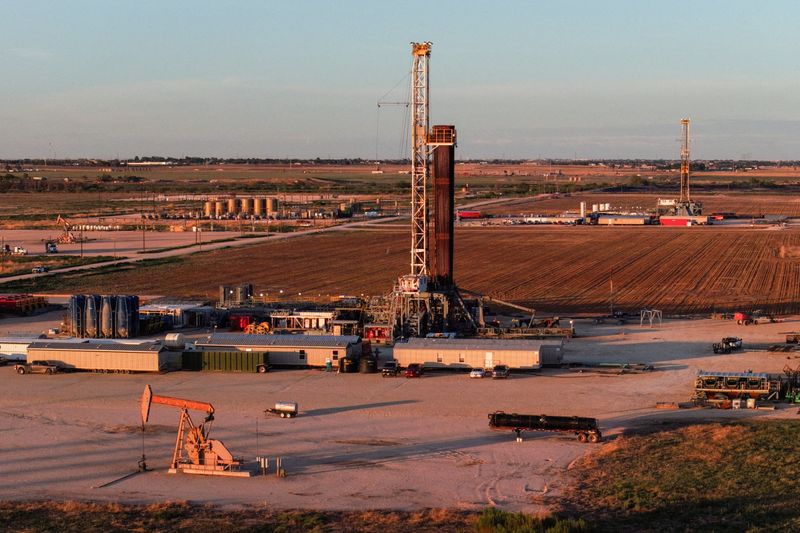
Trump Administration Plans Over $1T Investment in Energy and Semiconductor Supply Chains


The Trump administration plans to launch a voluntary international consortium aimed at investing more than $1T in energy, minerals, and semiconductors to secure critical supply chains under U.S. influence, The New York Times' Ana Swanson and Sheera Frenkel report. The initiative, tied to the "Pax Silica" program, would include countries such as Singapore, the United Arab Emirates, Qatar, and Sweden, with the United States contributing $250M and expanding the effort to address energy security concerns. Publicly traded energy companies include Exxon (XOM), Chevron (CVX), Shell (SHEL), and BP (BP), while critical minerals companies include Albermarle (ALB), SQM (SQM), BHP (BHP), and Freeport McMoRan (FCX). Companies involved in the development and mining of rare earth minerals include Nova Minerals (NVA), Ioneer (IONR), Lynas Rare Earths (LYSCF), MP Materials (MP), Energy Fuels (UUUU), NioCorp (NB) and VanEck Vectors Rare Earth/Strategic Metals ETF (REMX). Publicly traded companies in the semi space include AMD (AMD), Intel (INTC), Marvell (MRVL), Microchip (MCHP), Micron (MU), Nvidia (NVDA), Qualcomm (QCOM) and Texas Instruments (TXN).
Trade with 70% Backtested Accuracy
Analyst Views on AMD

About AMD
About the author


AMD Stock Soars After Reporting Fantastic Quarterly Results

- Strong Quarterly Performance: AMD reported significant revenue growth in its latest quarterly results, with specific figures undisclosed, yet the stock surged 11.44% on the afternoon of May 6, 2026, indicating strong investor confidence in the company's future prospects.
- Market Reaction: Following the video release on May 8, 2026, analysts highlighted that AMD's robust performance not only enhances its competitiveness in the semiconductor industry but may also attract more institutional investors, further driving up the stock price.
- Strategic Implications: This performance surge underscores AMD's success in technological innovation and market demand, particularly through ongoing investments in high-performance computing and artificial intelligence, which could lead to long-term market share gains.
- Optimistic Future Outlook: With increasing market demand for high-performance chips, AMD's strong quarterly results lay a solid foundation for its future financial performance, likely propelling the company’s leadership position in the global semiconductor market.
AMD Named Among Top Stocks to Outperform S&P 500
- Price Target Increase: TD Cowen raised AMD's price target from $290 to $500 while reiterating a Buy rating, indicating increased market confidence in AMD's future growth, particularly in the expanding server CPU market.
- Strong Quarterly Performance: Cantor Fitzgerald lifted AMD's price target from $450 to $500, highlighting the company's accelerated growth in server CPUs and AI GPUs, with revenue and earnings per share exceeding market expectations, showcasing its robust market performance.
- Growing Market Demand: AMD's decision to double its total addressable market forecast for server CPUs reflects the company's confidence in future data center opportunities, especially against the backdrop of rising AI-related demand.
- Challenges and Opportunities: Despite facing some margin pressures and supply chain constraints, analysts believe AMD still has significant growth potential, particularly driven by new product launches and expanding data center demand.

U.S. Stocks Close Higher, Nasdaq Hits Record High

- Strong Market Performance: The S&P 500 rose by 0.84% and the Nasdaq 100 increased by 2.35%, reaching record highs, reflecting market optimism driven by robust corporate earnings despite concerns over the Iran conflict.
- Support from Employment Data: U.S. nonfarm payrolls for April increased by 115,000, surpassing expectations of 65,000, with March figures revised up to 185,000, indicating resilience in the labor market and further boosting stock prices.
- Decline in Consumer Confidence: The University of Michigan's May consumer sentiment index fell to a record low of 48.2, below the expected 49.5, highlighting economic uncertainty that could impact future consumer spending.
- Oil Market Volatility: Iran's seizure of an oil tanker in the Strait of Hormuz led to a rise in WTI crude prices, with expectations that this incident will affect global oil supply, potentially causing further price fluctuations.

Rackspace Surges on AMD AI Cloud Agreement

- Stock Surge: Rackspace Technology's shares soared by 55.97% to close at $5.49, primarily driven by the announcement of a partnership with AMD to develop AI cloud infrastructure, indicating strong market expectations for future demand.
- Volume Spike: The company's trading volume reached 150.9 million shares, approximately 389% above its three-month average of 30.6 million shares, reflecting heightened investor interest and positive market sentiment regarding the new collaboration.
- Financial Recovery: Rackspace reported a 2% increase in first-quarter revenue to $678 million, achieving a net income of about $8 million, marking a return to profitability; while private cloud revenue declined to $235 million, public cloud revenue grew to $443 million, showcasing potential for business restructuring.
- Future Outlook: Although the agreement with AMD is still a framework rather than a confirmed revenue contract, it provides Rackspace with a more targeted AI offering, particularly for regulated industries like healthcare and finance, which is expected to drive sustained revenue growth in the future.

Transformations in Semiconductor Market Amid AI Surge

- Memory Market Surge: Micron's market capitalization surpassed $800 billion for the first time, with stock prices soaring over 750% in the past year, indicating a strong trend driven by global memory shortages that is likely to continue attracting investor interest.
- CPU Demand Revival: AMD anticipates a 35% growth in the server CPU market over the next three to five years, significantly up from the previous forecast of 18%, reflecting the robust recovery in overall market demand driven by AI agents, which could reshape the industry landscape.
- Intel's Resurgence: Intel's stock achieved its best monthly performance in April, rising 33% in early May, bolstered by a partnership agreement with Apple, showcasing its revival potential in the CPU market and a return of market confidence.
- Optical Technology Partnership: Corning signed a $3.2 billion deal with Nvidia to establish three new factories in the U.S. focused on optical technologies, marking a significant step in Nvidia's transition towards fiber-optic cables, which could reshape the landscape of American manufacturing.

AI Surge Drives Soaring Demand for CPUs
- CPU Market Revival: As AI shifts from chatbots to agents, the data center CPU market is projected to grow from $27 billion in 2025 to $60 billion by 2030, indicating strong growth potential and new opportunities for companies like AMD and Intel.
- Memory Market Boom: Micron's market capitalization surpassed $800 billion for the first time, with its stock price soaring over 750% in the past year, reflecting a global memory shortage that has driven prices up and solidified its leadership in the semiconductor market.
- Intel's Resurgence: After years of market decline, Intel is experiencing a revival due to significant U.S. government investment, with its stock achieving record performance in April and rising 33% in early May, showcasing a strong comeback in the CPU market.
- Optical Technology Partnership: Corning signed a $3.2 billion deal with Nvidia focused on developing optical technologies, marking a significant step in Nvidia's transition to fiber-optic cables, while also contributing to Corning's sustained stock price increase over recent months.
AMD Stock Soars After Reporting Fantastic Quarterly Results
- Strong Quarterly Performance: AMD reported significant revenue growth in its latest quarterly results, with specific figures undisclosed, yet the stock surged 11.44% on the afternoon of May 6, 2026, indicating strong investor confidence in the company's future prospects.
- Market Reaction: Following the video release on May 8, 2026, analysts highlighted that AMD's robust performance not only enhances its competitiveness in the semiconductor industry but may also attract more institutional investors, further driving up the stock price.
- Strategic Implications: This performance surge underscores AMD's success in technological innovation and market demand, particularly through ongoing investments in high-performance computing and artificial intelligence, which could lead to long-term market share gains.
- Optimistic Future Outlook: With increasing market demand for high-performance chips, AMD's strong quarterly results lay a solid foundation for its future financial performance, likely propelling the company’s leadership position in the global semiconductor market.
AMD Named Among Top Stocks to Outperform S&P 500
- Price Target Increase: TD Cowen raised AMD's price target from $290 to $500 while reiterating a Buy rating, indicating increased market confidence in AMD's future growth, particularly in the expanding server CPU market.
- Strong Quarterly Performance: Cantor Fitzgerald lifted AMD's price target from $450 to $500, highlighting the company's accelerated growth in server CPUs and AI GPUs, with revenue and earnings per share exceeding market expectations, showcasing its robust market performance.
- Growing Market Demand: AMD's decision to double its total addressable market forecast for server CPUs reflects the company's confidence in future data center opportunities, especially against the backdrop of rising AI-related demand.
- Challenges and Opportunities: Despite facing some margin pressures and supply chain constraints, analysts believe AMD still has significant growth potential, particularly driven by new product launches and expanding data center demand.
U.S. Stocks Close Higher, Nasdaq Hits Record High
- Strong Market Performance: The S&P 500 rose by 0.84% and the Nasdaq 100 increased by 2.35%, reaching record highs, reflecting market optimism driven by robust corporate earnings despite concerns over the Iran conflict.
- Support from Employment Data: U.S. nonfarm payrolls for April increased by 115,000, surpassing expectations of 65,000, with March figures revised up to 185,000, indicating resilience in the labor market and further boosting stock prices.
- Decline in Consumer Confidence: The University of Michigan's May consumer sentiment index fell to a record low of 48.2, below the expected 49.5, highlighting economic uncertainty that could impact future consumer spending.
- Oil Market Volatility: Iran's seizure of an oil tanker in the Strait of Hormuz led to a rise in WTI crude prices, with expectations that this incident will affect global oil supply, potentially causing further price fluctuations.
Rackspace Surges on AMD AI Cloud Agreement
- Stock Surge: Rackspace Technology's shares soared by 55.97% to close at $5.49, primarily driven by the announcement of a partnership with AMD to develop AI cloud infrastructure, indicating strong market expectations for future demand.
- Volume Spike: The company's trading volume reached 150.9 million shares, approximately 389% above its three-month average of 30.6 million shares, reflecting heightened investor interest and positive market sentiment regarding the new collaboration.
- Financial Recovery: Rackspace reported a 2% increase in first-quarter revenue to $678 million, achieving a net income of about $8 million, marking a return to profitability; while private cloud revenue declined to $235 million, public cloud revenue grew to $443 million, showcasing potential for business restructuring.
- Future Outlook: Although the agreement with AMD is still a framework rather than a confirmed revenue contract, it provides Rackspace with a more targeted AI offering, particularly for regulated industries like healthcare and finance, which is expected to drive sustained revenue growth in the future.
Transformations in Semiconductor Market Amid AI Surge
- Memory Market Surge: Micron's market capitalization surpassed $800 billion for the first time, with stock prices soaring over 750% in the past year, indicating a strong trend driven by global memory shortages that is likely to continue attracting investor interest.
- CPU Demand Revival: AMD anticipates a 35% growth in the server CPU market over the next three to five years, significantly up from the previous forecast of 18%, reflecting the robust recovery in overall market demand driven by AI agents, which could reshape the industry landscape.
- Intel's Resurgence: Intel's stock achieved its best monthly performance in April, rising 33% in early May, bolstered by a partnership agreement with Apple, showcasing its revival potential in the CPU market and a return of market confidence.
- Optical Technology Partnership: Corning signed a $3.2 billion deal with Nvidia to establish three new factories in the U.S. focused on optical technologies, marking a significant step in Nvidia's transition towards fiber-optic cables, which could reshape the landscape of American manufacturing.
AI Surge Drives Soaring Demand for CPUs
- CPU Market Revival: As AI shifts from chatbots to agents, the data center CPU market is projected to grow from $27 billion in 2025 to $60 billion by 2030, indicating strong growth potential and new opportunities for companies like AMD and Intel.
- Memory Market Boom: Micron's market capitalization surpassed $800 billion for the first time, with its stock price soaring over 750% in the past year, reflecting a global memory shortage that has driven prices up and solidified its leadership in the semiconductor market.
- Intel's Resurgence: After years of market decline, Intel is experiencing a revival due to significant U.S. government investment, with its stock achieving record performance in April and rising 33% in early May, showcasing a strong comeback in the CPU market.
- Optical Technology Partnership: Corning signed a $3.2 billion deal with Nvidia focused on developing optical technologies, marking a significant step in Nvidia's transition to fiber-optic cables, while also contributing to Corning's sustained stock price increase over recent months.