Three Leading Dividend Stocks to Consider Purchasing in September


Dividend Opportunities in the Energy Sector: Despite the S&P 500 being near all-time highs, attractive high-yield stocks like NextEra Energy, Chevron, and Enterprise Products Partners present good investment opportunities for dividend investors.
NextEra Energy's Growth Potential: NextEra Energy offers a dividend yield of 3.1% and has a strong track record of 10% annualized dividend growth, driven by its regulated utility operations and significant investments in solar and wind energy.
Chevron's Resilience and Stability: Chevron boasts a 4.3% dividend yield and has increased its dividend for 38 consecutive years, supported by a strong balance sheet and recent improvements in its operations, including the completion of its acquisition of Hess.
Enterprise Products Partners' Reliable Income: With a distribution yield of 6.8% and 27 years of consecutive increases, Enterprise Products Partners operates a stable midstream energy business that provides reliable cash flows, appealing to income-focused investors.
Trade with 70% Backtested Accuracy
Analyst Views on NEE

About NEE
About the author


Surge in Electricity Demand Driven by AI Investments

- Electricity Demand Surge: Electricity demand is projected to grow by 60% from 2025 to 2045, primarily driven by artificial intelligence and data centers, prompting utility companies to ramp up investments to meet this demand, thereby catalyzing industry growth.
- Investor Considerations: As regulated utilities must pass on spending through rate increases, regulatory approval becomes crucial, especially amid high inflation and rising electricity costs, which could pressure utility profitability if costs cannot be fully transferred.
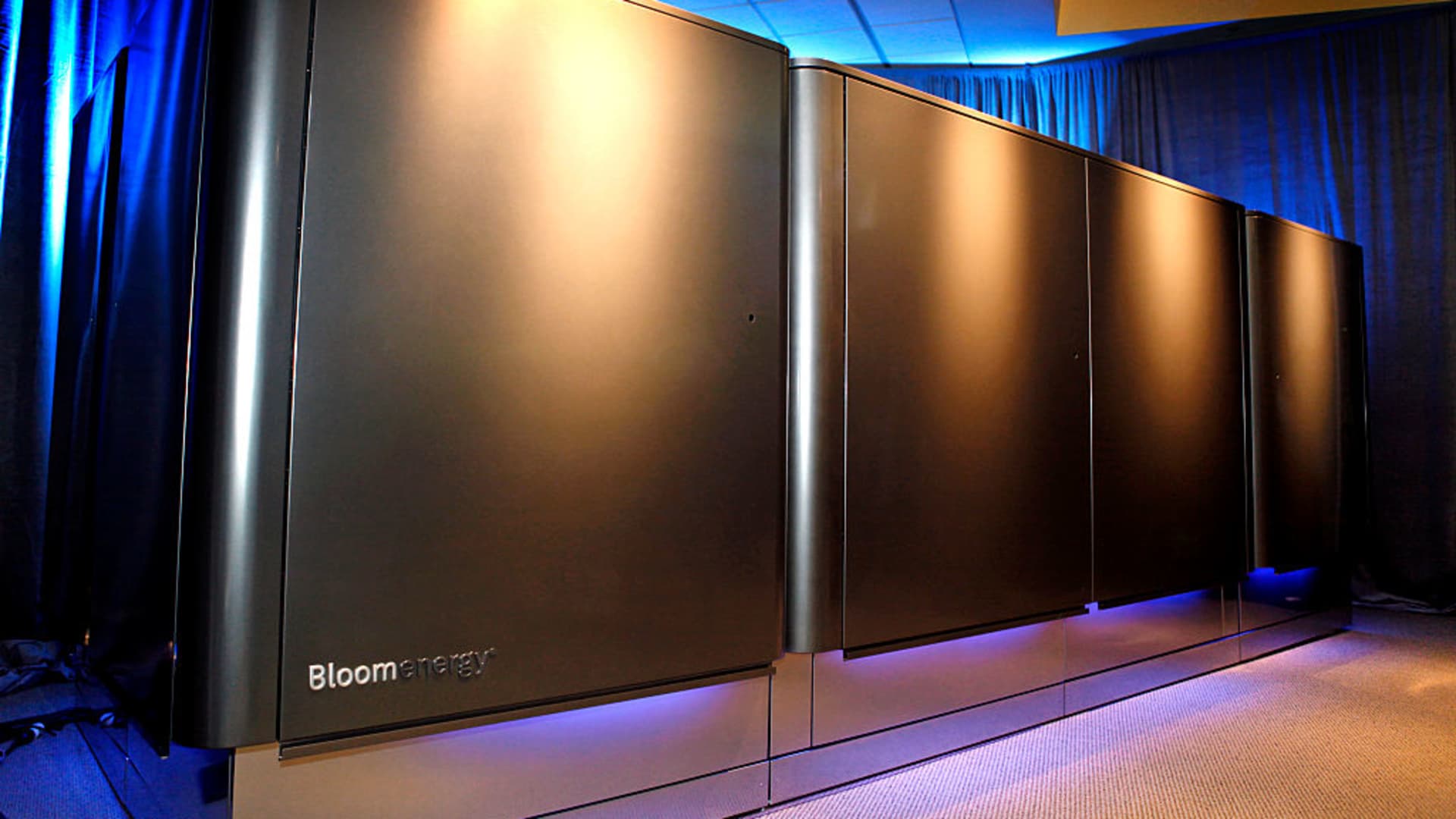
- Bloom Energy Opportunity: Bloom Energy's hydrogen fuel cells have a backlog of $6 billion at the start of 2026, up 2.5 times year-over-year, indicating strong demand in the AI data center market, although its price-to-sales ratio of 29x suggests that market expectations for future success are already reflected in its stock price.
- Renewable Energy Investment: Brookfield Renewable Partners boasts a diversified portfolio of renewable assets and is expected to benefit from AI demand, offering a distribution yield of 4.5% with plans for annual growth of 5% to 9%, providing investors with a stable income stream.
AI Demand Fuels $240 Billion Utility Investment Surge
- Surging Power Demand: Utilities are projected to spend up to $240 billion by 2026 to meet AI-driven electricity demand, which will likely lead to increased power prices and impact industry profitability.
- Investor Considerations: With electricity demand growing by 10% from 2005 to 2025 and expected to rise by 60% from 2025 to 2045, utility companies must ramp up capital investments to meet this escalating demand.
- Company Options: Bloom Energy's hydrogen fuel cells have a $6 billion backlog at the start of 2026, up 2.5 times year-over-year, indicating strong potential for powering AI data centers, while Brookfield Renewable Partners attracts dividend-seeking investors with a 4.5% distribution yield.
- Market Outlook: NextEra Energy's proposed acquisition of Dominion Energy, which operates in one of the world's largest data center markets, is expected to drive annual earnings growth of about 9% post-acquisition, further solidifying its leadership in renewable energy.

Rising Medicare Costs and Investment Strategies


- Rising Medicare Costs: The standard monthly premium for Medicare Part B in 2026 is set at $202.90, reflecting a $17.90 increase from 2025, leading to an annual cost nearing $5,000, which continues to exert financial pressure on retirees.
- Investment Requirement Analysis: To cover the annual $5,000 healthcare bill, investors need approximately $143,000 in capital at a 3.5% yield or about $100,000 at a 5% yield, highlighting the urgent need for stable income sources in retirement planning.
- Yield Comparison: An investment portfolio yielding 3.5% can grow a $5,000 income stream to $19,300 over 20 years, while a 10% yield portfolio remains flat at $5,000, underscoring the significance of long-term investment and compounding returns.
- Retirement Income Planning: Retirees should focus on breaking down healthcare costs, ensuring coverage for Medicare expenses first before addressing other expenditures, thereby optimizing financial management and alleviating economic burdens.

Senator Opposes NextEra's $67B Dominion Acquisition

- Opposition to Acquisition: Senator Angus King stated in a letter to the Federal Energy Regulatory Commission that NextEra Energy's proposed $67 billion acquisition of Dominion Energy should be rejected, citing concerns over excessive power consolidation affecting over 10 million people.
- Competition Concerns: King highlighted that the merged entity would create the world's largest regulated electric utility by market capitalization, potentially stifling competition and allowing a single firm to exert significant influence across generation and transmission sectors.
- Impact on Clean Energy: The senator expressed worries that NextEra's lobbying efforts in New England have already harmed clean energy competition, alongside other business practices that could lead to increased prices for consumers.
- Regulatory Challenges Ahead: The opposition to this acquisition could pose significant challenges for NextEra's future growth, particularly in a climate where energy market competition and consumer protection are under heightened scrutiny.

Senator Urges Rejection of NextEra's Dominion Acquisition
- Acquisition Controversy: U.S. Senator Angus King is urging the rejection of NextEra's proposed $66.8 billion acquisition of Dominion Energy, arguing that the deal would concentrate too much power and potentially impact over 10 million people.
- Competition Concerns: King highlighted that the merged entity would possess 110 gigawatts of electric-generating capacity, which could deter competition and affect market fairness, particularly in regions with high concentrations of data centers.
- Rising Energy Demand: The past few years have seen a surge in electricity demand, driven by the electrification of industries like transportation and the expansion of energy-intensive data centers, leading to several large power mergers, including NextEra's acquisition plan.
- Clean Energy Competition: King noted that NextEra has already stifled clean energy competition through lobbying efforts in New England, raising concerns that this could ultimately lead to higher prices for consumers and further scrutiny of the company's business practices.
Investment Outlook for NextEra and Vistra

- NextEra Growth: NextEra Energy's $67 billion acquisition of Dominion Energy is expected to increase its customer base to over 10 million and generation capacity to 110 GW, enhancing its competitive position amid surging electricity demand.
- Vistra's Market Position: With a generation capacity of 44,000 MW serving approximately 5 million customers, Vistra reported a 12.4% revenue decline to $17 billion in FY 2025, yet still achieved a net income of $944 million, demonstrating resilience in both retail and wholesale markets.
- Risks and Challenges: NextEra faces integration risks and regulatory approval pressures from its $67 billion acquisition, while Vistra must navigate wholesale price volatility and environmental compliance costs, particularly after acquiring Cogentrix, which may attract stricter market scrutiny.
- Investment Choice Analysis: While NextEra has advantages in infrastructure development, Vistra is viewed as a more attractive investment due to its lower debt levels and favorable long-term revenue outlook following significant power purchase agreements with major tech companies.
Surge in Electricity Demand Driven by AI Investments
- Electricity Demand Surge: Electricity demand is projected to grow by 60% from 2025 to 2045, primarily driven by artificial intelligence and data centers, prompting utility companies to ramp up investments to meet this demand, thereby catalyzing industry growth.
- Investor Considerations: As regulated utilities must pass on spending through rate increases, regulatory approval becomes crucial, especially amid high inflation and rising electricity costs, which could pressure utility profitability if costs cannot be fully transferred.
- Bloom Energy Opportunity: Bloom Energy's hydrogen fuel cells have a backlog of $6 billion at the start of 2026, up 2.5 times year-over-year, indicating strong demand in the AI data center market, although its price-to-sales ratio of 29x suggests that market expectations for future success are already reflected in its stock price.
- Renewable Energy Investment: Brookfield Renewable Partners boasts a diversified portfolio of renewable assets and is expected to benefit from AI demand, offering a distribution yield of 4.5% with plans for annual growth of 5% to 9%, providing investors with a stable income stream.
AI Demand Fuels $240 Billion Utility Investment Surge
- Surging Power Demand: Utilities are projected to spend up to $240 billion by 2026 to meet AI-driven electricity demand, which will likely lead to increased power prices and impact industry profitability.
- Investor Considerations: With electricity demand growing by 10% from 2005 to 2025 and expected to rise by 60% from 2025 to 2045, utility companies must ramp up capital investments to meet this escalating demand.
- Company Options: Bloom Energy's hydrogen fuel cells have a $6 billion backlog at the start of 2026, up 2.5 times year-over-year, indicating strong potential for powering AI data centers, while Brookfield Renewable Partners attracts dividend-seeking investors with a 4.5% distribution yield.
- Market Outlook: NextEra Energy's proposed acquisition of Dominion Energy, which operates in one of the world's largest data center markets, is expected to drive annual earnings growth of about 9% post-acquisition, further solidifying its leadership in renewable energy.
Rising Medicare Costs and Investment Strategies
- Rising Medicare Costs: The standard monthly premium for Medicare Part B in 2026 is set at $202.90, reflecting a $17.90 increase from 2025, leading to an annual cost nearing $5,000, which continues to exert financial pressure on retirees.
- Investment Requirement Analysis: To cover the annual $5,000 healthcare bill, investors need approximately $143,000 in capital at a 3.5% yield or about $100,000 at a 5% yield, highlighting the urgent need for stable income sources in retirement planning.
- Yield Comparison: An investment portfolio yielding 3.5% can grow a $5,000 income stream to $19,300 over 20 years, while a 10% yield portfolio remains flat at $5,000, underscoring the significance of long-term investment and compounding returns.
- Retirement Income Planning: Retirees should focus on breaking down healthcare costs, ensuring coverage for Medicare expenses first before addressing other expenditures, thereby optimizing financial management and alleviating economic burdens.
Senator Opposes NextEra's $67B Dominion Acquisition
- Opposition to Acquisition: Senator Angus King stated in a letter to the Federal Energy Regulatory Commission that NextEra Energy's proposed $67 billion acquisition of Dominion Energy should be rejected, citing concerns over excessive power consolidation affecting over 10 million people.
- Competition Concerns: King highlighted that the merged entity would create the world's largest regulated electric utility by market capitalization, potentially stifling competition and allowing a single firm to exert significant influence across generation and transmission sectors.
- Impact on Clean Energy: The senator expressed worries that NextEra's lobbying efforts in New England have already harmed clean energy competition, alongside other business practices that could lead to increased prices for consumers.
- Regulatory Challenges Ahead: The opposition to this acquisition could pose significant challenges for NextEra's future growth, particularly in a climate where energy market competition and consumer protection are under heightened scrutiny.
Senator Urges Rejection of NextEra's Dominion Acquisition
- Acquisition Controversy: U.S. Senator Angus King is urging the rejection of NextEra's proposed $66.8 billion acquisition of Dominion Energy, arguing that the deal would concentrate too much power and potentially impact over 10 million people.
- Competition Concerns: King highlighted that the merged entity would possess 110 gigawatts of electric-generating capacity, which could deter competition and affect market fairness, particularly in regions with high concentrations of data centers.
- Rising Energy Demand: The past few years have seen a surge in electricity demand, driven by the electrification of industries like transportation and the expansion of energy-intensive data centers, leading to several large power mergers, including NextEra's acquisition plan.
- Clean Energy Competition: King noted that NextEra has already stifled clean energy competition through lobbying efforts in New England, raising concerns that this could ultimately lead to higher prices for consumers and further scrutiny of the company's business practices.
Investment Outlook for NextEra and Vistra
- NextEra Growth: NextEra Energy's $67 billion acquisition of Dominion Energy is expected to increase its customer base to over 10 million and generation capacity to 110 GW, enhancing its competitive position amid surging electricity demand.
- Vistra's Market Position: With a generation capacity of 44,000 MW serving approximately 5 million customers, Vistra reported a 12.4% revenue decline to $17 billion in FY 2025, yet still achieved a net income of $944 million, demonstrating resilience in both retail and wholesale markets.
- Risks and Challenges: NextEra faces integration risks and regulatory approval pressures from its $67 billion acquisition, while Vistra must navigate wholesale price volatility and environmental compliance costs, particularly after acquiring Cogentrix, which may attract stricter market scrutiny.
- Investment Choice Analysis: While NextEra has advantages in infrastructure development, Vistra is viewed as a more attractive investment due to its lower debt levels and favorable long-term revenue outlook following significant power purchase agreements with major tech companies.