

This Uncommon Signal Last Appeared in 1998—Subsequently, Stocks Soared

Bond Market Signal: A rare bond market signal has emerged in mid-August 2025, reminiscent of conditions before a significant bull market in the late 1990s, indicating strong investor confidence in corporate debt.
Narrowing Credit Spreads: The spread between U.S. investment-grade corporate bonds and Treasury yields has fallen to 75 basis points, suggesting that investors are willing to accept minimal risk premiums for corporate debt compared to government securities.
Broad-Based Credit Rally: Unlike the narrow equity rally dominated by a few tech giants, the investment-grade credit market is experiencing broad participation, with nearly all sectors benefiting from the tightening spreads.
Future Outlook: Goldman Sachs predicts that as long as recession risks remain low, corporate credit spreads may stay tight, reflecting growing confidence in the overall health of the corporate sector, similar to patterns observed prior to previous market rallies.
Trade with 70% Backtested Accuracy
Analyst Views on TLT
About the author


TRUMP: POSITIVE DISCUSSIONS ON IRAN OVER THE PAST DAY


- Trump's Recent Talks: Donald Trump has engaged in discussions regarding Iran over the past 24 hours.
- Focus on Iran: The conversations have been characterized as very positive, indicating a potential shift in diplomatic relations.
U.S. SEC Proposes Changes to Allow Public Companies to Choose Semiannual Reporting


- Proposed Amendments: The U.S. SEC has proposed amendments to eliminate the requirement for public companies to provide optional semiannual reporting.
- Impact on Reporting: This change aims to streamline reporting processes for public companies, potentially reducing their regulatory burden.

U.S. Major Indexes Recover from Losses Following Reports of Donald Trump's Call for Israel to Reduce Strikes on Lebanon.


Market Recovery: U.S. major indexes have reversed previous losses and are trending higher.
Trump's Influence: Donald Trump has urged Israel to reduce its military strikes on Lebanon.
U.S. Stocks Turn Negative as Nasdaq Falls 0.57% and S&P 500 Declines 0.17% Amid Rising Oil Prices and Geopolitical Concerns.

Market Performance: U.S. stocks experienced a reversal in intraday trading, with the Nasdaq down 0.57% and the S&P 500 off 0.17%.
Influencing Factors: The decline in stock prices was influenced by rising oil prices and increasing geopolitical tensions, which weighed on market sentiment.

Ned Davis Research Lowers Equity Ratings and Moves to Cash: Here's the Reason.


- Market Downgrade: Ned Davis Research has downgraded equities in response to current market conditions.
- Shift to Cash: The firm is moving towards cash investments due to high volatility influenced by the Iran war, persistent inflation, and changing Federal Reserve policy expectations.
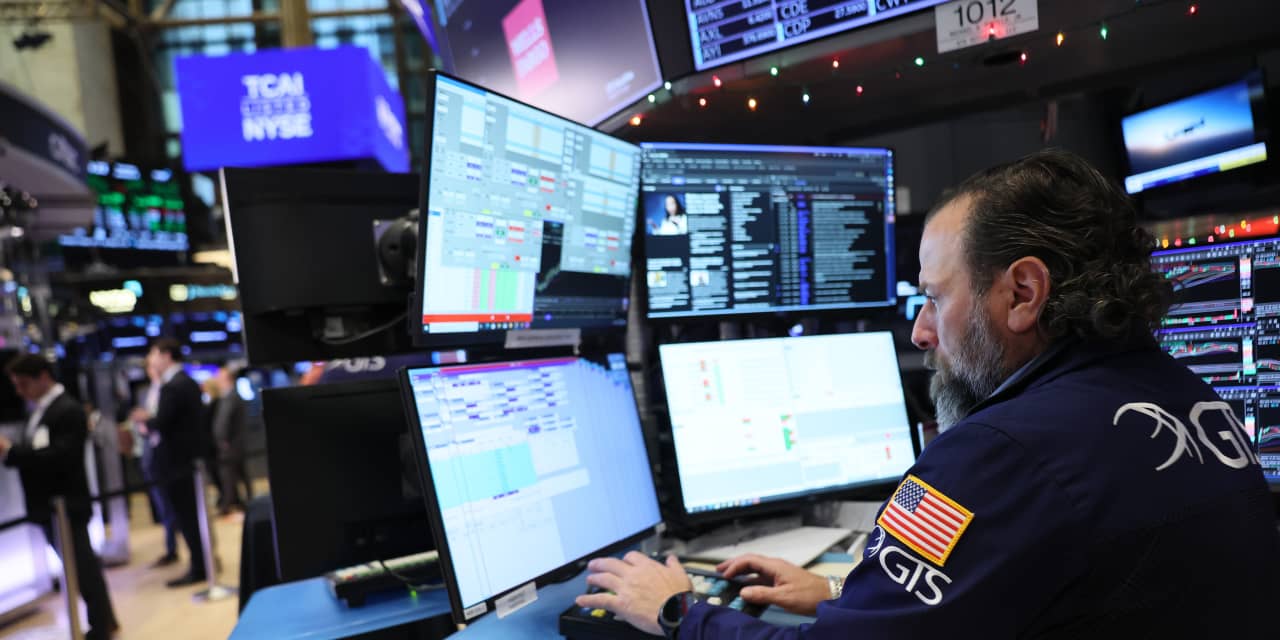
Bond Market Indicators Suggest Rising Interest Rates Ahead

- Market Signals: The bond market is indicating potential shifts that investors should pay attention to.
- Investor Caution: There are signs that suggest investors may need to reconsider their strategies based on current bond market trends.
- Economic Implications: Changes in the bond market could have broader implications for the economy and investment decisions.
- Future Outlook: Analysts are urging investors to closely monitor these signals for future market movements.
TRUMP: POSITIVE DISCUSSIONS ON IRAN OVER THE PAST DAY
- Trump's Recent Talks: Donald Trump has engaged in discussions regarding Iran over the past 24 hours.
- Focus on Iran: The conversations have been characterized as very positive, indicating a potential shift in diplomatic relations.
U.S. SEC Proposes Changes to Allow Public Companies to Choose Semiannual Reporting
- Proposed Amendments: The U.S. SEC has proposed amendments to eliminate the requirement for public companies to provide optional semiannual reporting.
- Impact on Reporting: This change aims to streamline reporting processes for public companies, potentially reducing their regulatory burden.
U.S. Major Indexes Recover from Losses Following Reports of Donald Trump's Call for Israel to Reduce Strikes on Lebanon.
Market Recovery: U.S. major indexes have reversed previous losses and are trending higher.
Trump's Influence: Donald Trump has urged Israel to reduce its military strikes on Lebanon.
U.S. Stocks Turn Negative as Nasdaq Falls 0.57% and S&P 500 Declines 0.17% Amid Rising Oil Prices and Geopolitical Concerns.
Market Performance: U.S. stocks experienced a reversal in intraday trading, with the Nasdaq down 0.57% and the S&P 500 off 0.17%.
Influencing Factors: The decline in stock prices was influenced by rising oil prices and increasing geopolitical tensions, which weighed on market sentiment.
Ned Davis Research Lowers Equity Ratings and Moves to Cash: Here's the Reason.
- Market Downgrade: Ned Davis Research has downgraded equities in response to current market conditions.
- Shift to Cash: The firm is moving towards cash investments due to high volatility influenced by the Iran war, persistent inflation, and changing Federal Reserve policy expectations.
Bond Market Indicators Suggest Rising Interest Rates Ahead
- Market Signals: The bond market is indicating potential shifts that investors should pay attention to.
- Investor Caution: There are signs that suggest investors may need to reconsider their strategies based on current bond market trends.
- Economic Implications: Changes in the bond market could have broader implications for the economy and investment decisions.
- Future Outlook: Analysts are urging investors to closely monitor these signals for future market movements.





