This Space Stock Has Surged More Than 300% in a Year – Analyst Predicts Continued Growth
Rocket Lab's Expansion: Rocket Lab is expanding into defense, spacecraft manufacturing, and integrated space systems, positioning itself as a key player alongside SpaceX in the evolving space economy.
Investment Outlook: Citizens analysts have upgraded Rocket Lab's rating to "Outperform," citing improved fundamentals and a favorable risk-to-reward profile, with a price target set at $85.
Stock Performance: Rocket Lab's stock has seen significant growth, gaining over 313% in the last 12 months, although recent retail sentiment has shifted to a bearish outlook.
Future Potential: Citizens expect solid upside potential for Rocket Lab over the next 12 months, driven by its evolving business model and strengthened market position in the space sector.
Trade with 70% Backtested Accuracy
Analyst Views on RKLB

About RKLB
About the author

Rocket Lab to Acquire Iridium Communications in $8B Deal
- Acquisition Overview: Rocket Lab (RKLB) plans to acquire Iridium Communications (IRDM) in a deal valued at approximately $8 billion, which will further solidify Iridium's position in the satellite market while enhancing Rocket Lab's competitive edge.
- Market Reaction Analysis: Analysts note that Iridium's fundamentals are relatively strong within the satellite industry, and despite a downgrade from 'buy' to 'hold', the stability from the acquisition is expected to result in minimal stock volatility, appealing to defensive market participants.
- Industry Outlook: As demand for satellite and telecommunications equipment rises, more space companies are showing strong interest in these sectors, particularly for defense purposes, creating new growth opportunities for related firms, even as many have seen significant stock price increases.
- Investor Focus: Among various satellite companies, emerging Earth observation firms like Planet Labs (PL), Satellogic (SATL), and Spire Global (SPIR) are viewed as more attractive investment options currently due to their focus on RF intelligence, which may yield higher return potential.

SanDisk Plummets 26% as Semiconductor Bubble Risk Emerges


- Market Performance Decline: SanDisk's stock price fell 26% to $1,745 per share during the holiday-shortened week, making it the biggest loser on Nasdaq, reflecting market concerns over semiconductor sector bubble risks.
- Sector-Wide Decline: Alongside SanDisk, companies like Micron, Western Digital, and Seagate also posted double-digit weekly losses, indicating pressure across the storage industry, even as their fundamentals remain healthy.
- Bank Warning Impact: Bank of America's Bubble Risk Indicator hit 0.91, signaling extreme frothiness in the semiconductor sector, which led to a decline in investor confidence, despite analysts maintaining a bullish outlook on SanDisk's long-term prospects.
- Uncertain Future Outlook: Although SanDisk's stock price dropped, analysts raised its price target to $2,500, suggesting NAND pricing may remain stable in the coming years; however, capacity expansions by Samsung and SK Hynix could exert downward pressure on prices.
Rocket Lab Acquires Iridium Communications, Shares Surge 24%

- Acquisition Announcement: Rocket Lab has announced its acquisition of satellite operator Iridium Communications for approximately $8 billion, structured as a 50-50 mix of cash and RKLB stock, with the deal expected to close by mid-2027, which will propel Rocket Lab beyond being solely a launch provider.
- Positive Market Reaction: The announcement led to a 24% surge in Rocket Lab's stock last week, reflecting investor confidence in the company's future growth potential, particularly in expanding its space applications.
- Financial Impact: Over the past 12 months, Rocket Lab burned $161 million in cash from operations, while Iridium generated $411 million, and if the deal goes through, it will provide Rocket Lab with a stable cash flow to support its business scaling efforts.
- Valuation Considerations: Although the $8 billion price tag for Iridium is relatively high, valuing it at 26 times free cash flow, Rocket Lab's strategy to use its highly valued stock for half of the funding demonstrates the strategic significance of equity financing under current market conditions.
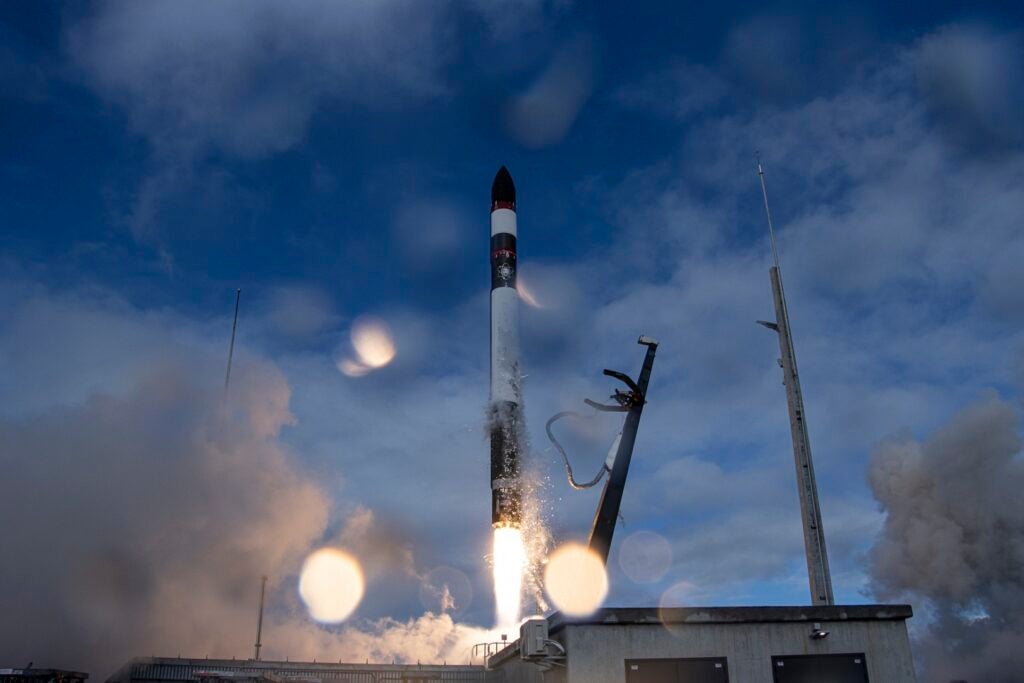
Rocket Lab Acquires Satellite Maker Iridium for $8 Billion
- Acquisition Scale: Rocket Lab has agreed to acquire satellite communications provider Iridium for approximately $8 billion, with the deal expected to close by mid-2027, marking a significant strategic expansion in the space market.
- Growth Potential: This acquisition will provide Rocket Lab with a recurring revenue stream from over 2.5 million subscribers, enhancing its cash flow and profit margins, which is crucial in the capital-intensive and low-margin launch services sector.
- Enhanced Market Competitiveness: By controlling satellites, spectrum, and orbital operations, Rocket Lab will become the second company after SpaceX to achieve this level of integration, strengthening its competitive position in the rapidly evolving space economy, especially against SpaceX's upcoming Starship rocket.
- Strategic Diversification: The acquisition not only increases Rocket Lab's scale and diversity but also lays the groundwork for stable profits in the future, further solidifying its market position within the space industry.
Rocket Lab to Acquire Iridium for $8 Billion
- Acquisition Overview: Rocket Lab has agreed to acquire satellite communications provider Iridium for approximately $8 billion, with the cash-and-stock deal expected to close by mid-2027, potentially reshaping the space economy landscape.
- Revenue Diversification: This acquisition allows Rocket Lab to gain a high-margin, cash-generating business with over 2.5 million subscribers, significantly enhancing its revenue streams and improving overall financial health.
- Enhanced Market Competitiveness: The acquisition positions Rocket Lab as a more formidable competitor against SpaceX, which dominates the market through its rocket launches and Starlink internet satellite services, thereby strengthening Rocket Lab's foothold in the space economy.
- Technology and Resource Integration: Rocket Lab will acquire Iridium's satellites, weather-resilient L-band spectrum, and consumer data network, facilitating technology and resource integration that is expected to lead to stable profit growth in the future.
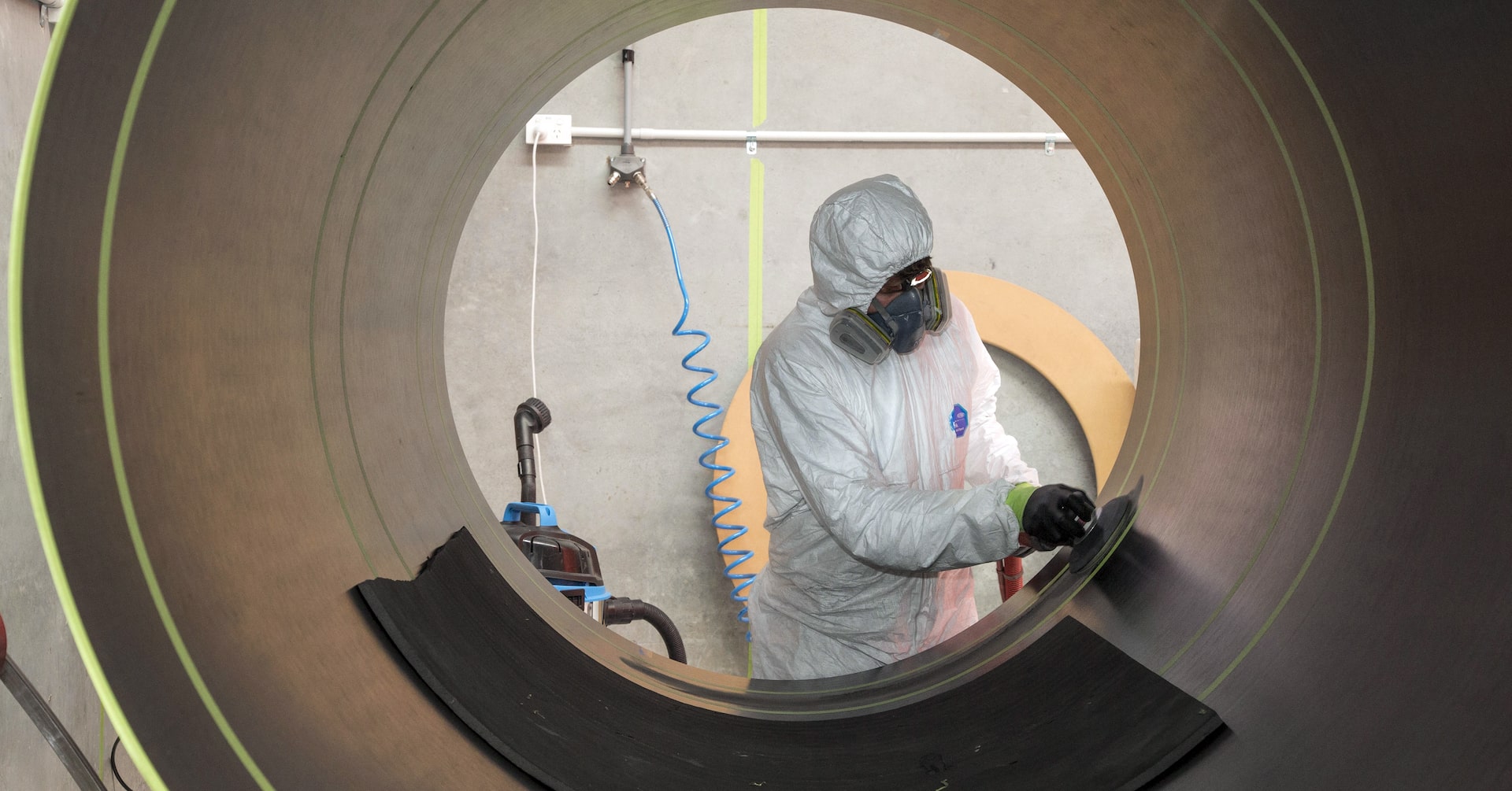
Rocket Lab to Acquire Iridium for $8 Billion

- Acquisition Scale: Rocket Lab has agreed to acquire satellite communications provider Iridium for approximately $8 billion, with the cash-and-stock deal expected to close by mid-2027, significantly enhancing its market position and revenue sources.
- Growth Potential: This acquisition will provide Rocket Lab with a stable cash flow from over 2.5 million subscribers and a higher-margin business, which is expected to improve overall profitability and reduce reliance on low-margin launch services.
- Competitive Edge: The acquisition positions Rocket Lab as one of the only two companies controlling the entire space economy supply chain, enhancing its competitiveness against SpaceX, particularly in launch services and satellite internet.
- Technology and Resource Integration: Rocket Lab will gain Iridium's satellite network and L-band spectrum, further enhancing its technical capabilities and market reach, laying the groundwork for stable profits in the future.
Rocket Lab to Acquire Iridium Communications in $8B Deal
- Acquisition Overview: Rocket Lab (RKLB) plans to acquire Iridium Communications (IRDM) in a deal valued at approximately $8 billion, which will further solidify Iridium's position in the satellite market while enhancing Rocket Lab's competitive edge.
- Market Reaction Analysis: Analysts note that Iridium's fundamentals are relatively strong within the satellite industry, and despite a downgrade from 'buy' to 'hold', the stability from the acquisition is expected to result in minimal stock volatility, appealing to defensive market participants.
- Industry Outlook: As demand for satellite and telecommunications equipment rises, more space companies are showing strong interest in these sectors, particularly for defense purposes, creating new growth opportunities for related firms, even as many have seen significant stock price increases.
- Investor Focus: Among various satellite companies, emerging Earth observation firms like Planet Labs (PL), Satellogic (SATL), and Spire Global (SPIR) are viewed as more attractive investment options currently due to their focus on RF intelligence, which may yield higher return potential.
SanDisk Plummets 26% as Semiconductor Bubble Risk Emerges
- Market Performance Decline: SanDisk's stock price fell 26% to $1,745 per share during the holiday-shortened week, making it the biggest loser on Nasdaq, reflecting market concerns over semiconductor sector bubble risks.
- Sector-Wide Decline: Alongside SanDisk, companies like Micron, Western Digital, and Seagate also posted double-digit weekly losses, indicating pressure across the storage industry, even as their fundamentals remain healthy.
- Bank Warning Impact: Bank of America's Bubble Risk Indicator hit 0.91, signaling extreme frothiness in the semiconductor sector, which led to a decline in investor confidence, despite analysts maintaining a bullish outlook on SanDisk's long-term prospects.
- Uncertain Future Outlook: Although SanDisk's stock price dropped, analysts raised its price target to $2,500, suggesting NAND pricing may remain stable in the coming years; however, capacity expansions by Samsung and SK Hynix could exert downward pressure on prices.
Rocket Lab Acquires Iridium Communications, Shares Surge 24%
- Acquisition Announcement: Rocket Lab has announced its acquisition of satellite operator Iridium Communications for approximately $8 billion, structured as a 50-50 mix of cash and RKLB stock, with the deal expected to close by mid-2027, which will propel Rocket Lab beyond being solely a launch provider.
- Positive Market Reaction: The announcement led to a 24% surge in Rocket Lab's stock last week, reflecting investor confidence in the company's future growth potential, particularly in expanding its space applications.
- Financial Impact: Over the past 12 months, Rocket Lab burned $161 million in cash from operations, while Iridium generated $411 million, and if the deal goes through, it will provide Rocket Lab with a stable cash flow to support its business scaling efforts.
- Valuation Considerations: Although the $8 billion price tag for Iridium is relatively high, valuing it at 26 times free cash flow, Rocket Lab's strategy to use its highly valued stock for half of the funding demonstrates the strategic significance of equity financing under current market conditions.
Rocket Lab Acquires Satellite Maker Iridium for $8 Billion
- Acquisition Scale: Rocket Lab has agreed to acquire satellite communications provider Iridium for approximately $8 billion, with the deal expected to close by mid-2027, marking a significant strategic expansion in the space market.
- Growth Potential: This acquisition will provide Rocket Lab with a recurring revenue stream from over 2.5 million subscribers, enhancing its cash flow and profit margins, which is crucial in the capital-intensive and low-margin launch services sector.
- Enhanced Market Competitiveness: By controlling satellites, spectrum, and orbital operations, Rocket Lab will become the second company after SpaceX to achieve this level of integration, strengthening its competitive position in the rapidly evolving space economy, especially against SpaceX's upcoming Starship rocket.
- Strategic Diversification: The acquisition not only increases Rocket Lab's scale and diversity but also lays the groundwork for stable profits in the future, further solidifying its market position within the space industry.
Rocket Lab to Acquire Iridium for $8 Billion
- Acquisition Overview: Rocket Lab has agreed to acquire satellite communications provider Iridium for approximately $8 billion, with the cash-and-stock deal expected to close by mid-2027, potentially reshaping the space economy landscape.
- Revenue Diversification: This acquisition allows Rocket Lab to gain a high-margin, cash-generating business with over 2.5 million subscribers, significantly enhancing its revenue streams and improving overall financial health.
- Enhanced Market Competitiveness: The acquisition positions Rocket Lab as a more formidable competitor against SpaceX, which dominates the market through its rocket launches and Starlink internet satellite services, thereby strengthening Rocket Lab's foothold in the space economy.
- Technology and Resource Integration: Rocket Lab will acquire Iridium's satellites, weather-resilient L-band spectrum, and consumer data network, facilitating technology and resource integration that is expected to lead to stable profit growth in the future.
Rocket Lab to Acquire Iridium for $8 Billion
- Acquisition Scale: Rocket Lab has agreed to acquire satellite communications provider Iridium for approximately $8 billion, with the cash-and-stock deal expected to close by mid-2027, significantly enhancing its market position and revenue sources.
- Growth Potential: This acquisition will provide Rocket Lab with a stable cash flow from over 2.5 million subscribers and a higher-margin business, which is expected to improve overall profitability and reduce reliance on low-margin launch services.
- Competitive Edge: The acquisition positions Rocket Lab as one of the only two companies controlling the entire space economy supply chain, enhancing its competitiveness against SpaceX, particularly in launch services and satellite internet.
- Technology and Resource Integration: Rocket Lab will gain Iridium's satellite network and L-band spectrum, further enhancing its technical capabilities and market reach, laying the groundwork for stable profits in the future.