The S&P 500 Struggles to Surpass 7000: Factors Behind Its Stagnation.
Written by Emily J. Thompson, Senior Investment Analyst
Updated: 2h ago
0mins
Should l Buy NVDA?
Source: Barron's
Current Market Situation: U.S. stocks are experiencing significant uncertainty, with the S&P 500 testing the 7000 mark.
Influencing Factors: The market is affected by rising commodity prices, disruptions from artificial intelligence technologies, and economic concerns regarding labor needs and capital investment.
Trade with 70% Backtested Accuracy
Stop guessing "Should I Buy NVDA?" and start using high-conviction signals backed by rigorous historical data.
Sign up today to access powerful investing tools and make smarter, data-driven decisions.
Analyst Views on NVDA
Wall Street analysts forecast NVDA stock price to rise over the next 12 months. According to Wall Street analysts, the average 1-year price target for NVDA is 264.97 USD with a low forecast of 200.00 USD and a high forecast of 352.00 USD. However, analyst price targets are subjective and often lag stock prices, so investors should focus on the objective reasons behind analyst rating changes, which better reflect the company's fundamentals.
41 Analyst Rating
39 Buy
1 Hold
1 Sell
Strong Buy
Current: 188.540

Low
200.00
Averages
264.97
High
352.00
Current: 188.540
Low
200.00
Averages
264.97
High
352.00
About NVDA
NVIDIA Corporation is a full-stack computing infrastructure company. The Company is engaged in accelerated computing to help solve the challenging computational problems. The Company’s segments include Compute & Networking and Graphics. The Compute & Networking segment includes its Data Center accelerated computing platforms and artificial intelligence (AI) solutions and software; networking; automotive platforms and autonomous and electric vehicle solutions; Jetson for robotics and other embedded platforms, and DGX Cloud computing services. The Graphics segment includes GeForce GPUs for gaming and PCs, the GeForce NOW game streaming service and related infrastructure, and solutions for gaming platforms; Quadro/NVIDIA RTX GPUs for enterprise workstation graphics; virtual GPU software for cloud-based visual and virtual computing; automotive platforms for infotainment systems, and Omniverse Enterprise software for building and operating industrial AI and digital twin applications.
About the author

Emily J. Thompson
Emily J. Thompson, a Chartered Financial Analyst (CFA) with 12 years in investment research, graduated with honors from the Wharton School. Specializing in industrial and technology stocks, she provides in-depth analysis for Intellectia’s earnings and market brief reports.
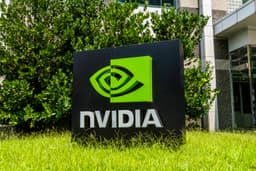
Nvidia's Earnings Outlook Remains Positive as Shares Rise

- Stock Performance: Nvidia shares rose 1.8% in premarket trading on Wednesday, reflecting market optimism ahead of its upcoming earnings report, particularly as UBS analysts noted a “favorable” financial setup.
- Earnings Expectations: UBS analyst Timothy Arcuri reiterated his Buy rating and raised the price target from $235 to $245, anticipating Nvidia's revenue to reach approximately $76 billion, surpassing the market's expectations of $74 billion to $75 billion for the next quarter.
- Gross Margin Outlook: Despite investor skepticism regarding the 75% gross margin guidance, Arcuri stated that there are no near-term factors likely to impact this figure, indicating Nvidia's stability amid competitive threats from Google and Broadcom.
- Market Signals: As the GTC conference approaches, Nvidia's management appears frustrated with prevailing market doubts, yet bullish supply chain signals support the company's prospects for growth and margin sustainability.
See More

AI Drives Growth for Five Major Companies


- Netflix Acquisition Opportunity: Netflix is planning to acquire Warner Bros. and its related businesses for $82.7 billion, and while this deal has dragged its stock down to the lowest valuation since early 2023, a successful acquisition would position it as the most powerful media company globally, fueling growth for years to come.
- Nvidia's Market Dominance: Nvidia's GPU chips serve as the foundational technology for nearly all AI models today, and with its high-end chips and CUDA programming, it holds a commanding market share in AI chips; the upcoming launch of its Rubin chip platform is expected to further solidify its competitive edge.
- Alphabet's AI Advantage: Alphabet's fourth-quarter earnings report showcased robust growth, particularly in Google Search and Cloud services, and with its comprehensive AI technology stack and vast user base, the stock is anticipated to remain a long-term winner as the company continues to expand.
- Amazon's Investment Outlook: Although Amazon's stock has fallen nearly 20% due to a $200 billion spending plan, these investments indicate management's recognition of significant future growth opportunities; the spread of AI is expected to drive cloud service growth and reduce costs in its e-commerce supply chain, promising substantial returns for investors in the long run.
See More

Tech Giants' Debt Surge Raises Concerns

- Surge in Capital Expenditure: The four major tech giants are projected to spend nearly $700 billion in 2023 on capital expenditures and finance leases to meet historic demand for AI, potentially leading to future financial pressures.
- Active Debt Market: Companies like Alphabet and Oracle have significantly increased their debt sales, with Alphabet recently raising its bond offering to over $30 billion, indicating strong financing needs that may heighten concerns about an AI bubble.
- Lackluster IPO Outlook: Despite excitement around IPOs for companies like SpaceX, the activity for U.S. tech IPOs remains low in 2023, with only 120 expected, raising $160 billion, which is far below the 121 deals completed in 2021.
- Rising Financing Costs: As debt supply increases, investors are demanding higher yields from other companies, leading to an overall rise in financing costs, which could negatively impact companies reliant on debt in the long term.
See More

Major Wall Street Rating Updates


- Apple Siri Upgrade Delay: Evercore ISI reiterates Apple as outperform, suggesting that reports of delays in Siri upgrades are overstated, with expectations for a multi-phase rollout of AI features this year, emphasizing the importance of privacy protection and seamless integration.
- Shopify Attractiveness Upgrade: TD Cowen upgrades Shopify from hold to buy, citing its strong quarterly performance and continued growth momentum as compelling reasons for investors to consider the stock, especially given its recent price decline.
- Fastly's Stellar Performance: William Blair upgrades Fastly from market perform to outperform following impressive earnings, driven by a significant increase in AI traffic contributions, indicating substantial growth potential in this emerging sector.
- MercadoLibre's Improved Competitive Landscape: JPMorgan upgrades MercadoLibre from neutral to overweight, noting a reduction in competitive pressures in the Latin American online marketplace, with expectations for sustained growth in the coming quarters.
See More

Surge in Tech Debt Amidst IPO Enthusiasm

- Surge in Tech Debt: UBS estimates that global tech and AI-related debt issuance exceeded $710 billion last year and could soar to $990 billion by 2026, indicating a pressing need for financing as investments in AI continue to rise.
- IPO Market Stagnation: Despite the excitement around SpaceX's potential IPO, there have been no significant tech IPOs this year, reflecting a cautious attitude in the market towards new listings, which may impact venture capitalists' confidence.
- Large Corporations' Financing Plans: Alphabet and Oracle plan to raise over $30 billion and $45-$50 billion in debt respectively to support their AI capabilities, demonstrating that major tech firms are relying on debt financing to meet historic demand for computing resources.
- Increased Market Risks: As tech companies accumulate significant debt, concerns about a potential AI bubble and cash-burning startups intensify, which could lead to rising financing costs in the future, thereby affecting overall economic stability.
See More

Samsung's HBM4 Module Powers Nvidia's AI Chip

- Surging Market Demand: Samsung has announced the commencement of mass production of its HBM4 memory modules and has shipped the first units to customers, expected to meet the demands of Nvidia's upcoming Vera Rubin AI accelerators, thereby solidifying its leadership in the high-performance memory market.
- Technological Breakthrough: The HBM4 module achieves data transfer speeds of 11.7 Gbps, representing a 22% increase over its predecessor HBM3e, with potential for further enhancement to 13 Gbps, effectively alleviating data bottlenecks as AI models scale, thus boosting AI computing capabilities.
- Client Collaboration: Nvidia plans to source about 30% of its HBM4 needs from Samsung, with the remaining 70% from SK Hynix, indicating Samsung's competitive edge in the high-performance memory sector, particularly in outperforming Micron.
- ByteDance Partnership Prospects: ByteDance is looking to Samsung to manufacture its developing AI chip, expecting to receive samples by March and planning to produce 100,000 AI chips this year, ramping up to 350,000 annually, showcasing Samsung's potential in AI chip manufacturing.
See More
Nvidia's Earnings Outlook Remains Positive as Shares Rise
- Stock Performance: Nvidia shares rose 1.8% in premarket trading on Wednesday, reflecting market optimism ahead of its upcoming earnings report, particularly as UBS analysts noted a “favorable” financial setup.
- Earnings Expectations: UBS analyst Timothy Arcuri reiterated his Buy rating and raised the price target from $235 to $245, anticipating Nvidia's revenue to reach approximately $76 billion, surpassing the market's expectations of $74 billion to $75 billion for the next quarter.
- Gross Margin Outlook: Despite investor skepticism regarding the 75% gross margin guidance, Arcuri stated that there are no near-term factors likely to impact this figure, indicating Nvidia's stability amid competitive threats from Google and Broadcom.
- Market Signals: As the GTC conference approaches, Nvidia's management appears frustrated with prevailing market doubts, yet bullish supply chain signals support the company's prospects for growth and margin sustainability.
See More
AI Drives Growth for Five Major Companies
- Netflix Acquisition Opportunity: Netflix is planning to acquire Warner Bros. and its related businesses for $82.7 billion, and while this deal has dragged its stock down to the lowest valuation since early 2023, a successful acquisition would position it as the most powerful media company globally, fueling growth for years to come.
- Nvidia's Market Dominance: Nvidia's GPU chips serve as the foundational technology for nearly all AI models today, and with its high-end chips and CUDA programming, it holds a commanding market share in AI chips; the upcoming launch of its Rubin chip platform is expected to further solidify its competitive edge.
- Alphabet's AI Advantage: Alphabet's fourth-quarter earnings report showcased robust growth, particularly in Google Search and Cloud services, and with its comprehensive AI technology stack and vast user base, the stock is anticipated to remain a long-term winner as the company continues to expand.
- Amazon's Investment Outlook: Although Amazon's stock has fallen nearly 20% due to a $200 billion spending plan, these investments indicate management's recognition of significant future growth opportunities; the spread of AI is expected to drive cloud service growth and reduce costs in its e-commerce supply chain, promising substantial returns for investors in the long run.
See More
Tech Giants' Debt Surge Raises Concerns
- Surge in Capital Expenditure: The four major tech giants are projected to spend nearly $700 billion in 2023 on capital expenditures and finance leases to meet historic demand for AI, potentially leading to future financial pressures.
- Active Debt Market: Companies like Alphabet and Oracle have significantly increased their debt sales, with Alphabet recently raising its bond offering to over $30 billion, indicating strong financing needs that may heighten concerns about an AI bubble.
- Lackluster IPO Outlook: Despite excitement around IPOs for companies like SpaceX, the activity for U.S. tech IPOs remains low in 2023, with only 120 expected, raising $160 billion, which is far below the 121 deals completed in 2021.
- Rising Financing Costs: As debt supply increases, investors are demanding higher yields from other companies, leading to an overall rise in financing costs, which could negatively impact companies reliant on debt in the long term.
See More
Major Wall Street Rating Updates
- Apple Siri Upgrade Delay: Evercore ISI reiterates Apple as outperform, suggesting that reports of delays in Siri upgrades are overstated, with expectations for a multi-phase rollout of AI features this year, emphasizing the importance of privacy protection and seamless integration.
- Shopify Attractiveness Upgrade: TD Cowen upgrades Shopify from hold to buy, citing its strong quarterly performance and continued growth momentum as compelling reasons for investors to consider the stock, especially given its recent price decline.
- Fastly's Stellar Performance: William Blair upgrades Fastly from market perform to outperform following impressive earnings, driven by a significant increase in AI traffic contributions, indicating substantial growth potential in this emerging sector.
- MercadoLibre's Improved Competitive Landscape: JPMorgan upgrades MercadoLibre from neutral to overweight, noting a reduction in competitive pressures in the Latin American online marketplace, with expectations for sustained growth in the coming quarters.
See More
Surge in Tech Debt Amidst IPO Enthusiasm
- Surge in Tech Debt: UBS estimates that global tech and AI-related debt issuance exceeded $710 billion last year and could soar to $990 billion by 2026, indicating a pressing need for financing as investments in AI continue to rise.
- IPO Market Stagnation: Despite the excitement around SpaceX's potential IPO, there have been no significant tech IPOs this year, reflecting a cautious attitude in the market towards new listings, which may impact venture capitalists' confidence.
- Large Corporations' Financing Plans: Alphabet and Oracle plan to raise over $30 billion and $45-$50 billion in debt respectively to support their AI capabilities, demonstrating that major tech firms are relying on debt financing to meet historic demand for computing resources.
- Increased Market Risks: As tech companies accumulate significant debt, concerns about a potential AI bubble and cash-burning startups intensify, which could lead to rising financing costs in the future, thereby affecting overall economic stability.
See More
Samsung's HBM4 Module Powers Nvidia's AI Chip
- Surging Market Demand: Samsung has announced the commencement of mass production of its HBM4 memory modules and has shipped the first units to customers, expected to meet the demands of Nvidia's upcoming Vera Rubin AI accelerators, thereby solidifying its leadership in the high-performance memory market.
- Technological Breakthrough: The HBM4 module achieves data transfer speeds of 11.7 Gbps, representing a 22% increase over its predecessor HBM3e, with potential for further enhancement to 13 Gbps, effectively alleviating data bottlenecks as AI models scale, thus boosting AI computing capabilities.
- Client Collaboration: Nvidia plans to source about 30% of its HBM4 needs from Samsung, with the remaining 70% from SK Hynix, indicating Samsung's competitive edge in the high-performance memory sector, particularly in outperforming Micron.
- ByteDance Partnership Prospects: ByteDance is looking to Samsung to manufacture its developing AI chip, expecting to receive samples by March and planning to produce 100,000 AI chips this year, ramping up to 350,000 annually, showcasing Samsung's potential in AI chip manufacturing.
See More