The $56 Billion Blueprint: Tracking TSMC's Capital Expenditure Flow

TSMC's Earnings and Capital Expenditure: Taiwan Semiconductor Manufacturing Company (TSMC) reported a net profit of $16 billion for the fourth quarter of 2026, with a projected capital expenditure budget of $52 billion to $56 billion aimed at expanding production capabilities, particularly for AI chips.
Investment Strategies and Market Dynamics: The anticipated spending plan is expected to trigger specific investment strategies, known as "Drafting the Titan," as TSMC aims to meet the growing demand for advanced semiconductor manufacturing amidst competitive pressures in the market.
Technological Advancements and Challenges: TSMC is transitioning to 2-nanometer chip production, which requires significant upgrades to manufacturing processes and equipment, including the adoption of new technologies to address challenges such as power delivery and wiring density.
Market Position and Future Outlook: As TSMC expands its operations globally, including new fabrication plants in Arizona and Japan, it is positioned as a critical player in the semiconductor industry, with analysts recommending investments in companies that will benefit from TSMC's growth and technological advancements.
Trade with 70% Backtested Accuracy
Analyst Views on TSM

About TSM
About the author


Taiwan Semiconductor Named One of the Best Stocks by Billionaire Steve Cohen

- Significant Shareholding Increase: Point72 Asset Management's latest filings for Q4 2025 reveal that it owns 4.6 million shares of TSMC, marking a 157% increase from Q3 2025, indicating a strong confidence in the company.
- Consistent Investment Trend: Since 2021, TSMC has been a constant presence in Point72's portfolio, reflecting its significance and attractiveness in the semiconductor industry amid ongoing technological advancements.
- Launch of 2nm Chip Production: TSMC officially commenced mass production of 2nm chips in January 2026, becoming the first company globally to achieve this milestone, which is expected to draw more institutional investor interest.
- High Demand and Profit Margins: Over 50% of the 2nm capacity has been pre-ordered by Apple, NVIDIA, and AMD, with wafers priced at $30,000, a 20% premium over the 3nm generation, significantly boosting the company's profit margins.
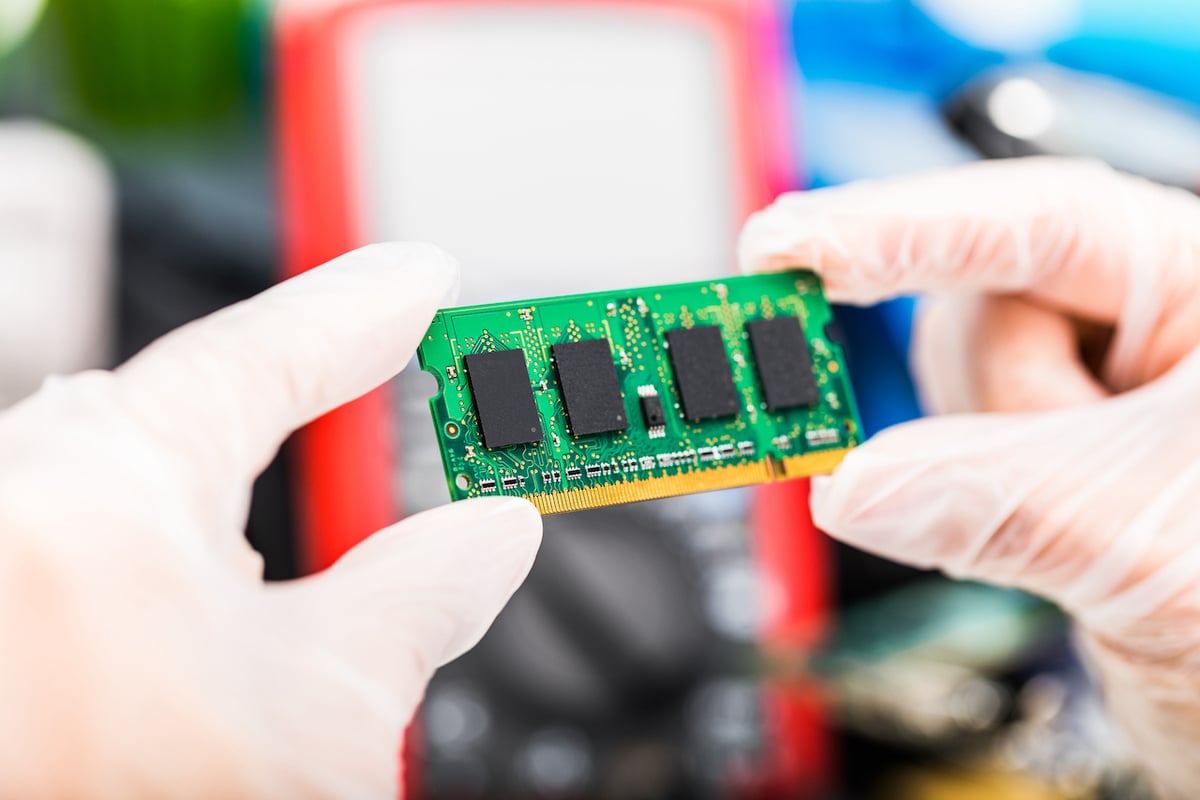
Can Micron Technology Reach a $1 Trillion Market Cap?

- Strong Market Demand: Micron Technology's market cap has surpassed $410 billion, with expectations of a 40% revenue growth by 2027 driven by surging AI demand, indicating a promising growth trajectory for the coming years.
- Share Buyback Plans: Management anticipates starting

Micron Technology Faces Market Challenges and Opportunities
- Market Value Growth: Micron Technology's market cap has surpassed $410 billion, and despite a recent pullback, the company is expected to see significant profit growth by 2027 due to surging AI demand, indicating strong market potential.
- Supply Tightness Expectations: The company anticipates that supply-demand conditions will remain tight at least until 2027, with projected third-quarter revenue around $33.5 billion, a 40% increase from the second quarter, which will further drive stock price appreciation.
- Stock Buyback Plans: Cantor Fitzgerald expects Micron to initiate 'very aggressive' stock buybacks starting in December after restrictions from the CHIPS Act expire, which will help lift the stock price and provide lasting benefits to investors.
- Cyclical Market Risks: While Micron's growth outlook in the AI sector is optimistic, it still faces cyclical market volatility risks, and investors are concerned about potential cooling in pricing dynamics, necessitating close attention to how the company navigates these challenges.

Investment Opportunities in the Great Rotation

- AI Infrastructure Growth: Broadcom forecasts its AI ASIC revenue will soar to over $100 billion next fiscal year, which is 1.5 times its total revenue from fiscal 2025, highlighting its critical role in AI infrastructure development and driving sustained growth for years to come.
- Data Center Networking Demand: With AI chip cluster sizes expected to exceed 1 million chips, Broadcom's leadership in the data center networking market will enable it to benefit by ensuring chips work efficiently together, thereby enhancing investment returns.
- Semiconductor Manufacturing Advantage: Taiwan Semiconductor Manufacturing Company (TSMC) holds a near-monopoly in advanced chip manufacturing, benefiting from both GPUs and AI ASICs, positioning itself at the forefront of every major chip trend over the next decade, driving continuous growth.
- High-Quality Growth Stocks: During market rotations, investors should focus on high-quality growth stocks like Broadcom and TSMC; while value and small-cap stocks gain traction, revenue and earnings growth remain the primary drivers of stock prices over the long term.

AI Infrastructure Trends Favor Broadcom and TSMC
- Market Trends Favorable: With the rapid growth in AI infrastructure demand, Broadcom and TSMC are positioned to benefit significantly as core players, especially as market funds shift from large-cap tech stocks to value stocks, creating a buying opportunity amid stock price pullbacks.
- Chip Cluster Expansion: Broadcom anticipates AI chip clusters will exceed 1 million chips, which will greatly enhance the importance of data center networking; as a market leader, Broadcom will ensure efficient chip collaboration through its networking components, thereby maximizing client investment utilization.
- Surge in Custom Chip Demand: Broadcom leads in ASIC technology, forecasting its AI ASIC revenue to soar to over $100 billion next fiscal year, which is 1.5 times its total revenue for fiscal 2025, indicating strong market demand for custom AI chips.
- TSMC's Monopoly Advantage: As a near-monopoly in advanced chip manufacturing, TSMC is at the forefront of every major chip trend, particularly with the growing demand for AI workloads and high-performance CPUs, making its production capabilities crucial in the autonomous vehicle and robotaxi revolution.
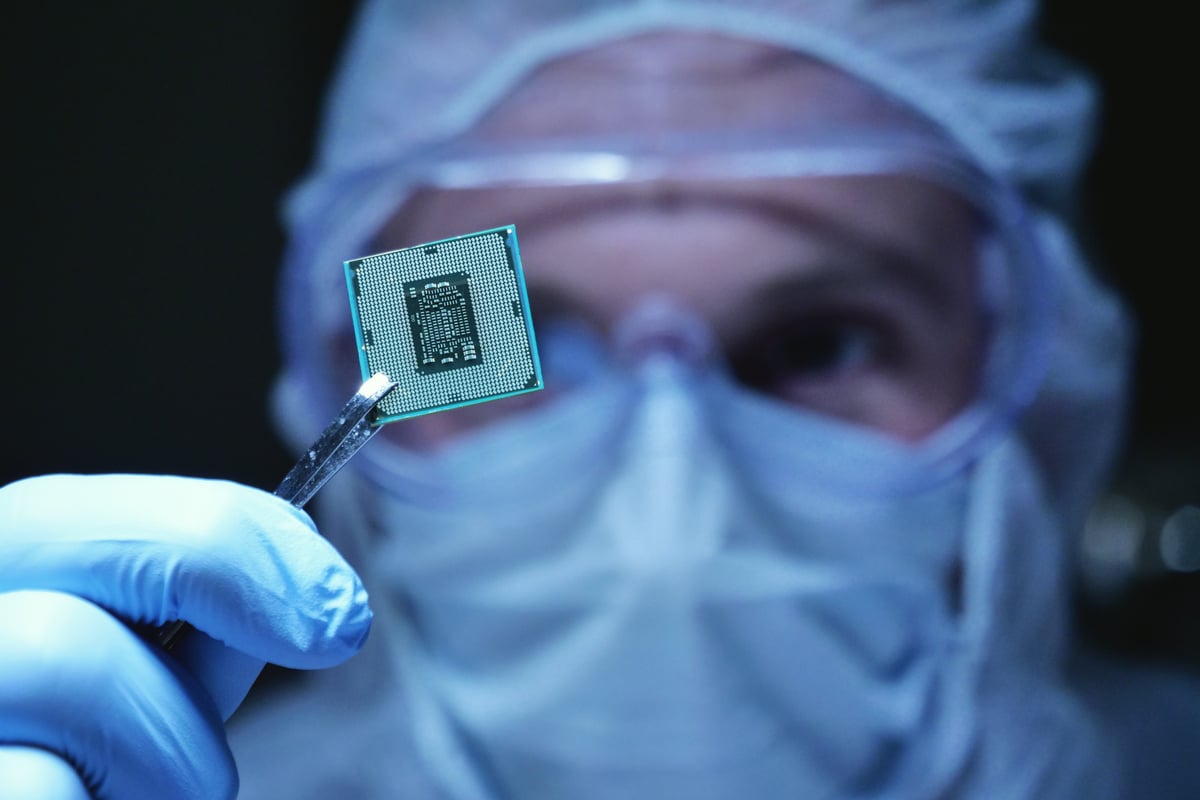
Semiconductor Stocks Lead AI Investment Surge
- Surging Market Demand: Taiwan Semiconductor expects the AI chip market to grow at a mid-to-high 50% CAGR from 2024 to 2029, planning to invest between $52 billion and $56 billion in capital expenditures in 2023 to meet rising demand, thereby solidifying its leadership in the AI sector.
- Memory Chip Outlook: Micron Technology anticipates the high-bandwidth memory market will expand from $35 billion to $100 billion between 2025 and 2028; despite price cooling due to Google's TurboQuant algorithm, the sustained demand for memory chips highlights its long-term investment value.
- Custom Chip Innovation: Broadcom focuses on designing custom AI chips, which are expected to generate over $100 billion in annual revenue by 2027, benefiting from the increasing demand for specific workloads in the AI industry, showcasing significant growth potential.
- GPU Market Leadership: Nvidia is projected to see a 71% revenue increase this year and 30% next year, with its stock trading at a forward P/E of only 20.2, close to the S&P 500's 20.4, indicating a rare investment opportunity that investors should not overlook.
Taiwan Semiconductor Named One of the Best Stocks by Billionaire Steve Cohen
- Significant Shareholding Increase: Point72 Asset Management's latest filings for Q4 2025 reveal that it owns 4.6 million shares of TSMC, marking a 157% increase from Q3 2025, indicating a strong confidence in the company.
- Consistent Investment Trend: Since 2021, TSMC has been a constant presence in Point72's portfolio, reflecting its significance and attractiveness in the semiconductor industry amid ongoing technological advancements.
- Launch of 2nm Chip Production: TSMC officially commenced mass production of 2nm chips in January 2026, becoming the first company globally to achieve this milestone, which is expected to draw more institutional investor interest.
- High Demand and Profit Margins: Over 50% of the 2nm capacity has been pre-ordered by Apple, NVIDIA, and AMD, with wafers priced at $30,000, a 20% premium over the 3nm generation, significantly boosting the company's profit margins.
Can Micron Technology Reach a $1 Trillion Market Cap?
- Strong Market Demand: Micron Technology's market cap has surpassed $410 billion, with expectations of a 40% revenue growth by 2027 driven by surging AI demand, indicating a promising growth trajectory for the coming years.
- Share Buyback Plans: Management anticipates starting
Micron Technology Faces Market Challenges and Opportunities
- Market Value Growth: Micron Technology's market cap has surpassed $410 billion, and despite a recent pullback, the company is expected to see significant profit growth by 2027 due to surging AI demand, indicating strong market potential.
- Supply Tightness Expectations: The company anticipates that supply-demand conditions will remain tight at least until 2027, with projected third-quarter revenue around $33.5 billion, a 40% increase from the second quarter, which will further drive stock price appreciation.
- Stock Buyback Plans: Cantor Fitzgerald expects Micron to initiate 'very aggressive' stock buybacks starting in December after restrictions from the CHIPS Act expire, which will help lift the stock price and provide lasting benefits to investors.
- Cyclical Market Risks: While Micron's growth outlook in the AI sector is optimistic, it still faces cyclical market volatility risks, and investors are concerned about potential cooling in pricing dynamics, necessitating close attention to how the company navigates these challenges.
Investment Opportunities in the Great Rotation
- AI Infrastructure Growth: Broadcom forecasts its AI ASIC revenue will soar to over $100 billion next fiscal year, which is 1.5 times its total revenue from fiscal 2025, highlighting its critical role in AI infrastructure development and driving sustained growth for years to come.
- Data Center Networking Demand: With AI chip cluster sizes expected to exceed 1 million chips, Broadcom's leadership in the data center networking market will enable it to benefit by ensuring chips work efficiently together, thereby enhancing investment returns.
- Semiconductor Manufacturing Advantage: Taiwan Semiconductor Manufacturing Company (TSMC) holds a near-monopoly in advanced chip manufacturing, benefiting from both GPUs and AI ASICs, positioning itself at the forefront of every major chip trend over the next decade, driving continuous growth.
- High-Quality Growth Stocks: During market rotations, investors should focus on high-quality growth stocks like Broadcom and TSMC; while value and small-cap stocks gain traction, revenue and earnings growth remain the primary drivers of stock prices over the long term.
AI Infrastructure Trends Favor Broadcom and TSMC
- Market Trends Favorable: With the rapid growth in AI infrastructure demand, Broadcom and TSMC are positioned to benefit significantly as core players, especially as market funds shift from large-cap tech stocks to value stocks, creating a buying opportunity amid stock price pullbacks.
- Chip Cluster Expansion: Broadcom anticipates AI chip clusters will exceed 1 million chips, which will greatly enhance the importance of data center networking; as a market leader, Broadcom will ensure efficient chip collaboration through its networking components, thereby maximizing client investment utilization.
- Surge in Custom Chip Demand: Broadcom leads in ASIC technology, forecasting its AI ASIC revenue to soar to over $100 billion next fiscal year, which is 1.5 times its total revenue for fiscal 2025, indicating strong market demand for custom AI chips.
- TSMC's Monopoly Advantage: As a near-monopoly in advanced chip manufacturing, TSMC is at the forefront of every major chip trend, particularly with the growing demand for AI workloads and high-performance CPUs, making its production capabilities crucial in the autonomous vehicle and robotaxi revolution.
Semiconductor Stocks Lead AI Investment Surge
- Surging Market Demand: Taiwan Semiconductor expects the AI chip market to grow at a mid-to-high 50% CAGR from 2024 to 2029, planning to invest between $52 billion and $56 billion in capital expenditures in 2023 to meet rising demand, thereby solidifying its leadership in the AI sector.
- Memory Chip Outlook: Micron Technology anticipates the high-bandwidth memory market will expand from $35 billion to $100 billion between 2025 and 2028; despite price cooling due to Google's TurboQuant algorithm, the sustained demand for memory chips highlights its long-term investment value.
- Custom Chip Innovation: Broadcom focuses on designing custom AI chips, which are expected to generate over $100 billion in annual revenue by 2027, benefiting from the increasing demand for specific workloads in the AI industry, showcasing significant growth potential.
- GPU Market Leadership: Nvidia is projected to see a 71% revenue increase this year and 30% next year, with its stock trading at a forward P/E of only 20.2, close to the S&P 500's 20.4, indicating a rare investment opportunity that investors should not overlook.