Tesla's Long-Term Advantage Amid AI Bubble
Written by Emily J. Thompson, Senior Investment Analyst
Updated: 36 minutes ago
0mins
Source: NASDAQ.COM
- AI Integration Advantage: Tesla's embedding of AI into electric vehicles, robotaxis, and Optimus humanoid robots distinguishes it from companies like Oracle, which primarily build AI capabilities for third-party sales, allowing Tesla to maintain growth potential even after an AI bubble bursts.
- Capital Investment Plan: Tesla plans to invest $25 billion by 2026 to support the growth of its electric vehicle and robotics products, ensuring supply chain stability despite facing risks from fluctuations in AI demand in the short term.
- Demand Independence: Tesla's primary demand stems from the energy, electric vehicle, and robotics markets rather than direct reliance on AI computing demand, positioning it to sustain growth post-bubble, while companies like Oracle may suffer significant losses due to debt and asset depreciation.
- Long-Term Growth Potential: Although Tesla may face short-term impacts from an AI bubble burst, its ongoing demand in the energy and electric vehicle sectors will enhance its competitiveness after market corrections, potentially leading to a stronger company in the long run.
Trade with 70% Backtested Accuracy
Stop guessing "Should I Buy TSLA?" and start using high-conviction signals backed by rigorous historical data.
Sign up today to access powerful investing tools and make smarter, data-driven decisions.
Analyst Views on TSLA
Wall Street analysts forecast TSLA stock price to fall
30 Analyst Rating
12 Buy
11 Hold
7 Sell
Hold
Current: 418.450

Low
25.28
Averages
401.93
High
600.00
Current: 418.450
Low
25.28
Averages
401.93
High
600.00
About TSLA
Tesla, Inc. designs, develops, manufactures, sells and leases high-performance fully electric vehicles and energy generation and storage systems, and offers services related to its products. Its segments include automotive, and energy generation and storage. The automotive segment includes the design, development, manufacturing, sales and leasing of high-performance fully electric vehicles, and sales of automotive regulatory credits. It also includes sales of used vehicles, non-warranty maintenance services and collisions, part sales, paid supercharging, insurance services revenue and retail merchandise sales. The energy generation and storage segment include the design, manufacture, installation, sales and leasing of solar energy generation and energy storage products and related services and sales of solar energy systems incentives. Its consumer vehicles include the Model 3, Y, S, X and Cybertruck. Its lithium-ion battery energy storage products include Powerwall and Megapack.
About the author

Emily J. Thompson
Emily J. Thompson, a Chartered Financial Analyst (CFA) with 12 years in investment research, graduated with honors from the Wharton School. Specializing in industrial and technology stocks, she provides in-depth analysis for Intellectia’s earnings and market brief reports.
SpaceX IPO Valuation Hits $1.77 Trillion

- Historic IPO Valuation: SpaceX is set to launch its IPO on June 12 with a valuation of $1.77 trillion, which, while lower than the previously anticipated $2 trillion, will still mark the largest IPO in U.S. history, likely having a significant impact on the broader market.
- Stock Pricing and Fundraising Goals: The company plans to sell 555.6 million Class A shares at $135 each, aiming to raise approximately $75 billion, a figure that far exceeds Alibaba's $22 billion raised in 2014, indicating strong market interest in space technology.
- Market Reaction and Risk Factors: Although SpaceX's IPO is viewed as a powerful market move, the $200 billion reduction in valuation raises concerns about the company's future performance, especially following Blue Origin's recent rocket launch failure, which has heightened industry risks.
- Potential Merger Considerations: Reports suggest that CEO Elon Musk may be considering a merger between SpaceX and Tesla, a strategic move that could further influence investor perceptions of SpaceX, particularly in the current market climate.
See More
Tesla Delays Next-Gen Roadster Unveiling
- Launch Delay: Tesla's planned unveiling of the next-generation Roadster, initially set for April 1 in Texas, has been postponed to August or later, resulting in a 5% drop in stock price on Friday, potentially marking the worst week since June 2025 if losses persist.
- Collaboration with SpaceX: Musk revealed that Tesla is collaborating with his rocket manufacturing company SpaceX to achieve acceleration from 0 to 60 mph in under one second, although safety is not the primary goal, which may attract high-end consumers looking for performance.
- Limited Financial Impact: While the new Roadster is seen as the latest addition to Tesla's lineup, Musk indicated that it will have a negligible impact on the company's finances, with an expected starting price of $200,000, significantly higher than the Cybertruck's $79,990 base price.
- Bearish Market Sentiment: On Stocktwits, retail sentiment around TSLA shares remains in the 'bearish' territory, with users generally viewing the stock as overvalued, reflecting investor concerns about Tesla's strategic pivot towards autonomous taxis and humanoid robots.
See More
Tesla's Long-Term Advantage Amid AI Bubble

- AI Integration Advantage: Tesla's embedding of AI into electric vehicles, robotaxis, and Optimus humanoid robots distinguishes it from companies like Oracle, which primarily build AI capabilities for third-party sales, allowing Tesla to maintain growth potential even after an AI bubble bursts.
- Capital Investment Plan: Tesla plans to invest $25 billion by 2026 to support the growth of its electric vehicle and robotics products, ensuring supply chain stability despite facing risks from fluctuations in AI demand in the short term.
- Demand Independence: Tesla's primary demand stems from the energy, electric vehicle, and robotics markets rather than direct reliance on AI computing demand, positioning it to sustain growth post-bubble, while companies like Oracle may suffer significant losses due to debt and asset depreciation.
- Long-Term Growth Potential: Although Tesla may face short-term impacts from an AI bubble burst, its ongoing demand in the energy and electric vehicle sectors will enhance its competitiveness after market corrections, potentially leading to a stronger company in the long run.
See More
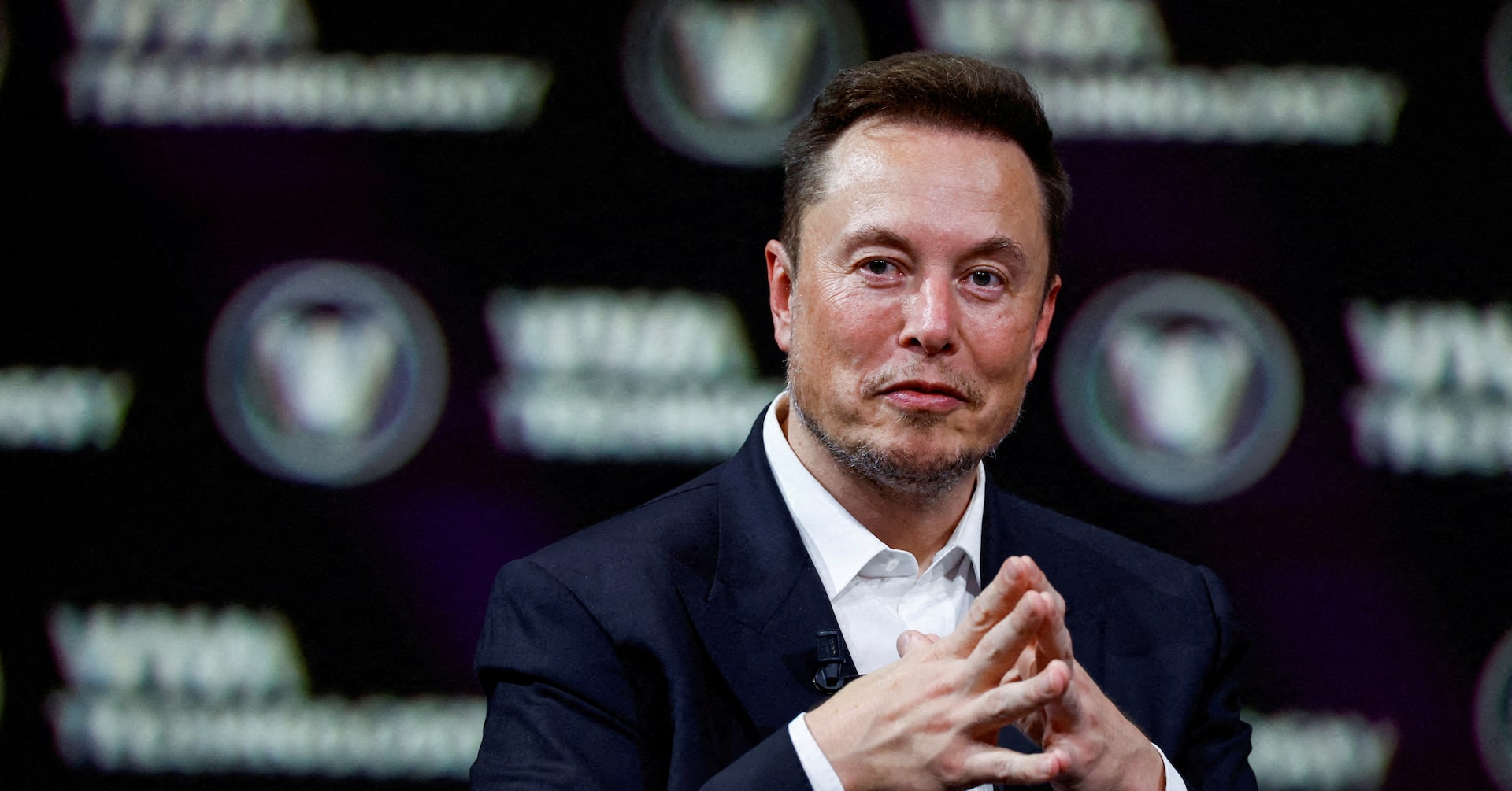
Tesla: A Long-Term Winner in the AI Bubble
- AI Integration: Tesla embeds AI into its electric vehicles, robotaxis, and Optimus humanoid robots, with a projected $25 billion investment in 2026 aimed at supporting the growth of these products, thereby enhancing its competitiveness in the energy and EV markets.
- Supply Chain Security: Tesla and SpaceX's joint investment in the Terafab chip manufacturing initiative aims to secure the chip supply needed for its vehicles and robots, reducing reliance on external suppliers and enhancing production stability.
- Demand Independence: While the AI bubble may cause short-term market setbacks, Tesla's primary demand stems from electric vehicles and energy solutions, which are not directly tied to AI computing demand, positioning it for continued growth post-correction.
- Risks and Opportunities: Although Tesla faces execution risks, particularly in scaling robotaxi and Optimus revenue, it is expected to emerge as a stronger company after an AI bubble burst, thereby protecting investors from downside risks.
See More
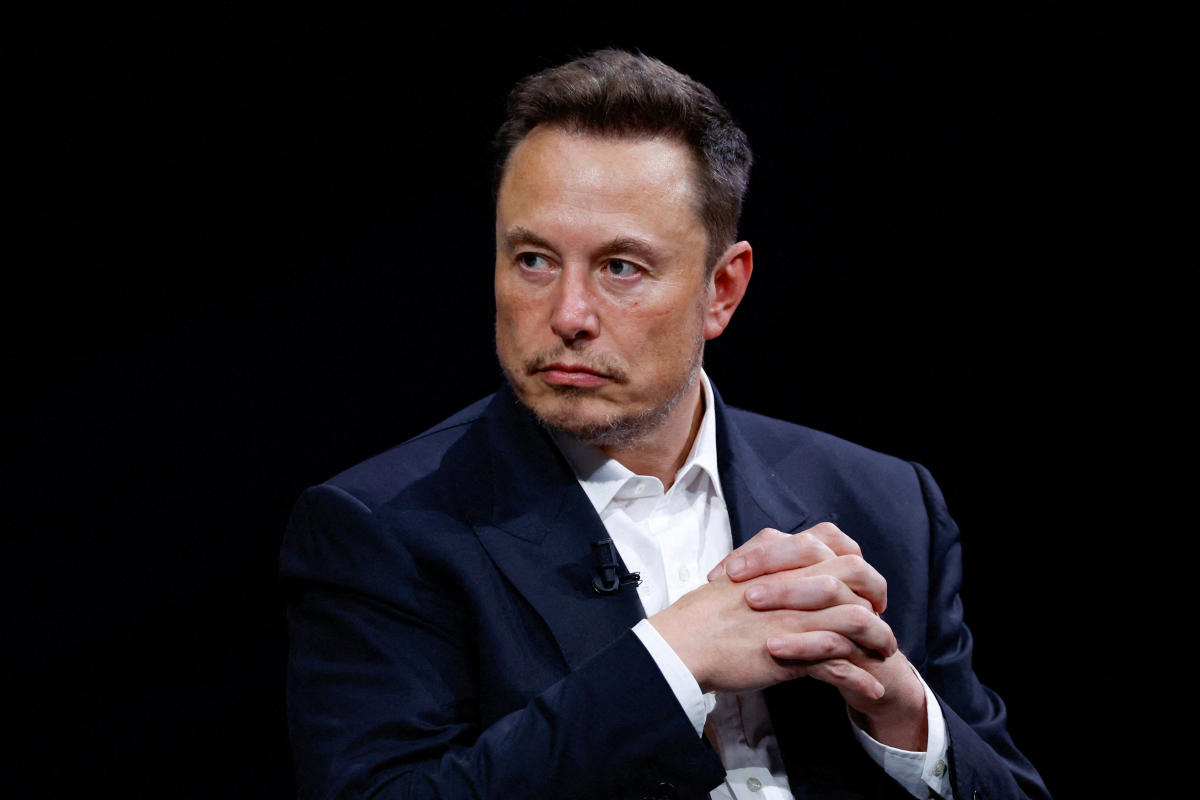
SpaceX IPO Could Alter Tesla's Valuation Landscape

- Tesla Delivery Volume: In 2025, Tesla delivered approximately 1.6 million electric vehicles, making it one of the largest EV manufacturers globally, yet its price-to-sales ratio of 15.6 starkly contrasts with General Motors' 0.4, highlighting a unique valuation logic among investors.
- Market Competition Pressure: As Tesla faces increasing competition from Chinese automakers, declining sales, and margin pressures, a potential SpaceX IPO could shift investor psychology and alter Tesla's valuation framework significantly.
- Investor Psychology Shift: The public listing of SpaceX would provide investors with another Musk-led company for direct comparison, potentially leading to more cautious future growth expectations for Tesla, especially as it needs to demonstrate its execution capabilities.
- Long-term Strategic Advantages: Despite facing challenges, Tesla retains global manufacturing scale and robust data collection capabilities, and if autonomous driving technology succeeds, it could unlock high-margin new businesses, suggesting investors should not rush to sell their shares.
See More
SpaceX IPO Could Reshape Tesla Valuation
- Tesla Delivery Figures: In 2025, Tesla delivered approximately 1.6 million vehicles, establishing itself as one of the largest EV manufacturers globally, yet its price-to-sales ratio of 15.6 significantly exceeds General Motors' 0.4, indicating a unique valuation perspective from investors.
- Market Competition Pressure: Tesla faces declining EV sales and margin pressures amid rising competition from Chinese automakers, with ongoing uncertainty regarding autonomous driving timelines, which could impact its market performance.
- Impact of SpaceX IPO: The potential SpaceX IPO could alter investor perceptions of Tesla by providing another Musk-led company for direct comparison, potentially affecting Tesla's valuation framework for the first time.
- Long-term Strategic Advantages: Despite challenges, Tesla retains significant long-term advantages in global manufacturing and real-world data collection, and if autonomous driving succeeds, it could unlock entirely new high-margin businesses, sustaining its market position.
See More
SpaceX IPO Valuation Hits $1.77 Trillion
- Historic IPO Valuation: SpaceX is set to launch its IPO on June 12 with a valuation of $1.77 trillion, which, while lower than the previously anticipated $2 trillion, will still mark the largest IPO in U.S. history, likely having a significant impact on the broader market.
- Stock Pricing and Fundraising Goals: The company plans to sell 555.6 million Class A shares at $135 each, aiming to raise approximately $75 billion, a figure that far exceeds Alibaba's $22 billion raised in 2014, indicating strong market interest in space technology.
- Market Reaction and Risk Factors: Although SpaceX's IPO is viewed as a powerful market move, the $200 billion reduction in valuation raises concerns about the company's future performance, especially following Blue Origin's recent rocket launch failure, which has heightened industry risks.
- Potential Merger Considerations: Reports suggest that CEO Elon Musk may be considering a merger between SpaceX and Tesla, a strategic move that could further influence investor perceptions of SpaceX, particularly in the current market climate.
See More
Tesla Delays Next-Gen Roadster Unveiling
- Launch Delay: Tesla's planned unveiling of the next-generation Roadster, initially set for April 1 in Texas, has been postponed to August or later, resulting in a 5% drop in stock price on Friday, potentially marking the worst week since June 2025 if losses persist.
- Collaboration with SpaceX: Musk revealed that Tesla is collaborating with his rocket manufacturing company SpaceX to achieve acceleration from 0 to 60 mph in under one second, although safety is not the primary goal, which may attract high-end consumers looking for performance.
- Limited Financial Impact: While the new Roadster is seen as the latest addition to Tesla's lineup, Musk indicated that it will have a negligible impact on the company's finances, with an expected starting price of $200,000, significantly higher than the Cybertruck's $79,990 base price.
- Bearish Market Sentiment: On Stocktwits, retail sentiment around TSLA shares remains in the 'bearish' territory, with users generally viewing the stock as overvalued, reflecting investor concerns about Tesla's strategic pivot towards autonomous taxis and humanoid robots.
See More
Tesla's Long-Term Advantage Amid AI Bubble
- AI Integration Advantage: Tesla's embedding of AI into electric vehicles, robotaxis, and Optimus humanoid robots distinguishes it from companies like Oracle, which primarily build AI capabilities for third-party sales, allowing Tesla to maintain growth potential even after an AI bubble bursts.
- Capital Investment Plan: Tesla plans to invest $25 billion by 2026 to support the growth of its electric vehicle and robotics products, ensuring supply chain stability despite facing risks from fluctuations in AI demand in the short term.
- Demand Independence: Tesla's primary demand stems from the energy, electric vehicle, and robotics markets rather than direct reliance on AI computing demand, positioning it to sustain growth post-bubble, while companies like Oracle may suffer significant losses due to debt and asset depreciation.
- Long-Term Growth Potential: Although Tesla may face short-term impacts from an AI bubble burst, its ongoing demand in the energy and electric vehicle sectors will enhance its competitiveness after market corrections, potentially leading to a stronger company in the long run.
See More
Tesla: A Long-Term Winner in the AI Bubble
- AI Integration: Tesla embeds AI into its electric vehicles, robotaxis, and Optimus humanoid robots, with a projected $25 billion investment in 2026 aimed at supporting the growth of these products, thereby enhancing its competitiveness in the energy and EV markets.
- Supply Chain Security: Tesla and SpaceX's joint investment in the Terafab chip manufacturing initiative aims to secure the chip supply needed for its vehicles and robots, reducing reliance on external suppliers and enhancing production stability.
- Demand Independence: While the AI bubble may cause short-term market setbacks, Tesla's primary demand stems from electric vehicles and energy solutions, which are not directly tied to AI computing demand, positioning it for continued growth post-correction.
- Risks and Opportunities: Although Tesla faces execution risks, particularly in scaling robotaxi and Optimus revenue, it is expected to emerge as a stronger company after an AI bubble burst, thereby protecting investors from downside risks.
See More
SpaceX IPO Could Alter Tesla's Valuation Landscape
- Tesla Delivery Volume: In 2025, Tesla delivered approximately 1.6 million electric vehicles, making it one of the largest EV manufacturers globally, yet its price-to-sales ratio of 15.6 starkly contrasts with General Motors' 0.4, highlighting a unique valuation logic among investors.
- Market Competition Pressure: As Tesla faces increasing competition from Chinese automakers, declining sales, and margin pressures, a potential SpaceX IPO could shift investor psychology and alter Tesla's valuation framework significantly.
- Investor Psychology Shift: The public listing of SpaceX would provide investors with another Musk-led company for direct comparison, potentially leading to more cautious future growth expectations for Tesla, especially as it needs to demonstrate its execution capabilities.
- Long-term Strategic Advantages: Despite facing challenges, Tesla retains global manufacturing scale and robust data collection capabilities, and if autonomous driving technology succeeds, it could unlock high-margin new businesses, suggesting investors should not rush to sell their shares.
See More
SpaceX IPO Could Reshape Tesla Valuation
- Tesla Delivery Figures: In 2025, Tesla delivered approximately 1.6 million vehicles, establishing itself as one of the largest EV manufacturers globally, yet its price-to-sales ratio of 15.6 significantly exceeds General Motors' 0.4, indicating a unique valuation perspective from investors.
- Market Competition Pressure: Tesla faces declining EV sales and margin pressures amid rising competition from Chinese automakers, with ongoing uncertainty regarding autonomous driving timelines, which could impact its market performance.
- Impact of SpaceX IPO: The potential SpaceX IPO could alter investor perceptions of Tesla by providing another Musk-led company for direct comparison, potentially affecting Tesla's valuation framework for the first time.
- Long-term Strategic Advantages: Despite challenges, Tesla retains significant long-term advantages in global manufacturing and real-world data collection, and if autonomous driving succeeds, it could unlock entirely new high-margin businesses, sustaining its market position.
See More