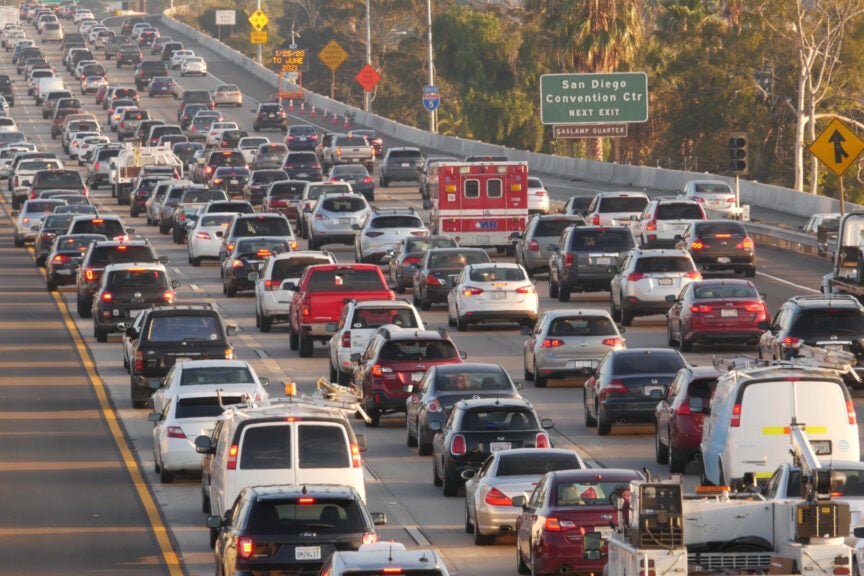
Tesla's $20 Billion Investment Reshapes Transportation Market
Written by Emily J. Thompson, Senior Investment Analyst
Updated: Feb 16 2026
0mins


Source: Fool
- Surge in Capital Expenditure: Tesla plans to invest over $20 billion in capital spending by 2026, more than double last year's expenditure, highlighting its ambitious vision for the electric vehicle market, especially as competitors scale back their investments.
- Diversified Factory Investments: Among the six new factories, three are dedicated to electric vehicle production, including a lithium refinery and a low-cost lithium iron phosphate battery factory, directly supporting EV growth and strengthening Tesla's market position.
- Autonomous Driving Vision: CEO Elon Musk clearly stated in the recent earnings call that only 1% to 5% of miles driven will be by humans in the future, indicating Tesla's leadership in autonomous driving, with expectations that Cybercab production will surpass all other models combined.
- Significant Market Potential: The Cybercab is expected to cost under $30,000 and have a significantly lower cost per mile than traditional taxis; if regulatory approval is achieved, Tesla's robotaxi could present a compelling market opportunity, further solidifying its leadership in the EV sector.
Trade with 70% Backtested Accuracy
Stop guessing "Should I Buy TSLA?" and start using high-conviction signals backed by rigorous historical data.
Sign up today to access powerful investing tools and make smarter, data-driven decisions.
Analyst Views on TSLA
Wall Street analysts forecast TSLA stock price to rise
30 Analyst Rating
12 Buy
11 Hold
7 Sell
Hold
Current: 399.150

Low
25.28
Averages
401.93
High
600.00
Current: 399.150
Low
25.28
Averages
401.93
High
600.00
About TSLA
Tesla, Inc. designs, develops, manufactures, sells and leases high-performance fully electric vehicles and energy generation and storage systems, and offers services related to its products. Its segments include automotive, and energy generation and storage. The automotive segment includes the design, development, manufacturing, sales and leasing of high-performance fully electric vehicles, and sales of automotive regulatory credits. It also includes sales of used vehicles, non-warranty maintenance services and collisions, part sales, paid supercharging, insurance services revenue and retail merchandise sales. The energy generation and storage segment include the design, manufacture, installation, sales and leasing of solar energy generation and energy storage products and related services and sales of solar energy systems incentives. Its consumer vehicles include the Model 3, Y, S, X and Cybertruck. Its lithium-ion battery energy storage products include Powerwall and Megapack.
About the author

Emily J. Thompson
Emily J. Thompson, a Chartered Financial Analyst (CFA) with 12 years in investment research, graduated with honors from the Wharton School. Specializing in industrial and technology stocks, she provides in-depth analysis for Intellectia’s earnings and market brief reports.
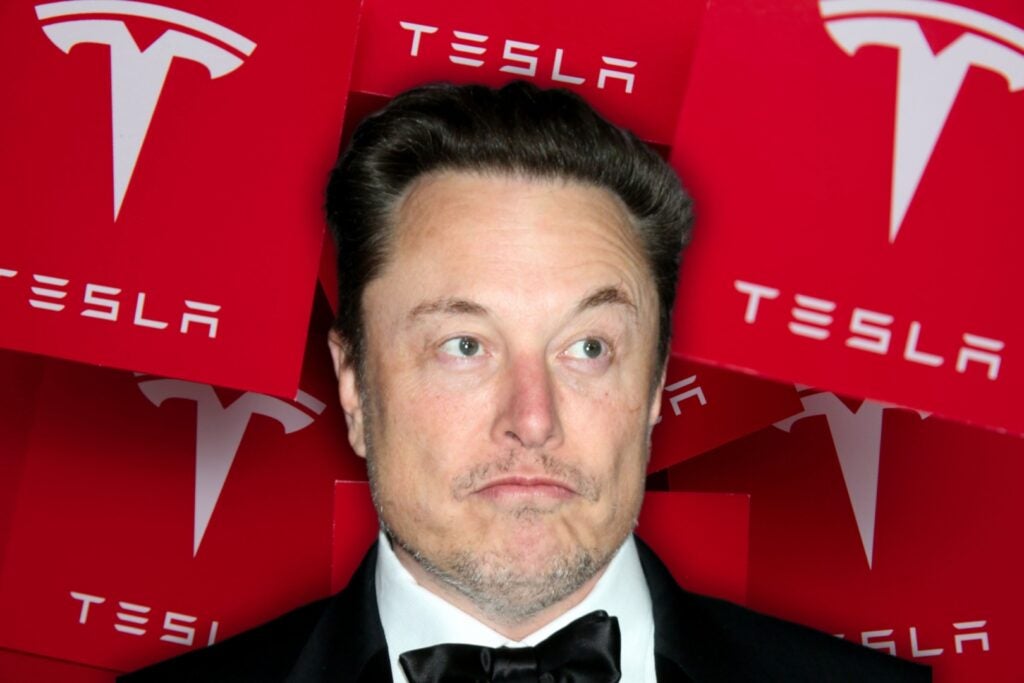
Elon Musk Becomes First Person to Reach $1 Trillion Net Worth

- Historic IPO: SpaceX raised $75 billion in its IPO, shattering previous records and pushing the company's valuation above $2 trillion, marking Elon Musk as the first person in history to surpass a $1 trillion net worth.
- Starlink as Financial Engine: Starlink generated $11.4 billion in revenue last year with nearly 40% operating margins, serving as a robust financial backbone for SpaceX's growth, despite the overall business facing significant losses.
- Valuation Risks: Priced at approximately 117 times sales, SpaceX's stock reflects high expectations for future performance, making it a risky investment despite the company's impressive technological advancements and achievements.
- Strong Market Reaction: Following its opening, SpaceX's stock surged 25%, rising from the initial offering price of $135 to $170, indicating strong market interest in its future potential, although analysts advise caution given the current high valuation.
See More
SpaceX Aims for Record IPO Valuation
- Fundraising Target: SpaceX aims to raise $75 billion through its IPO by selling 555.6 million shares at $135 each, achieving a valuation of $1.77 trillion, making it the seventh most valuable U.S. company, surpassing Tesla.
- Valuation Challenges: Former Tesla board member Steve Westly stated that pricing SpaceX's IPO will be difficult due to its three disparate core businesses, particularly noting that the Starlink satellite internet service is the only profitable unit, necessitating at least two successful 'moonshots' to maintain its high valuation.
- Merger Possibility: Westly mentioned that a merger between SpaceX and Tesla is 'absolutely likely' in the future, highlighting that both companies already share numerous resources, although such a merger would face governance issues, yet the chances of success remain high.
- Market Reaction: SpaceX's IPO is set to become the largest in history, with the market eagerly anticipating its future developments, especially under Musk's diversified business strategy, which may further expand its range of operations.
See More
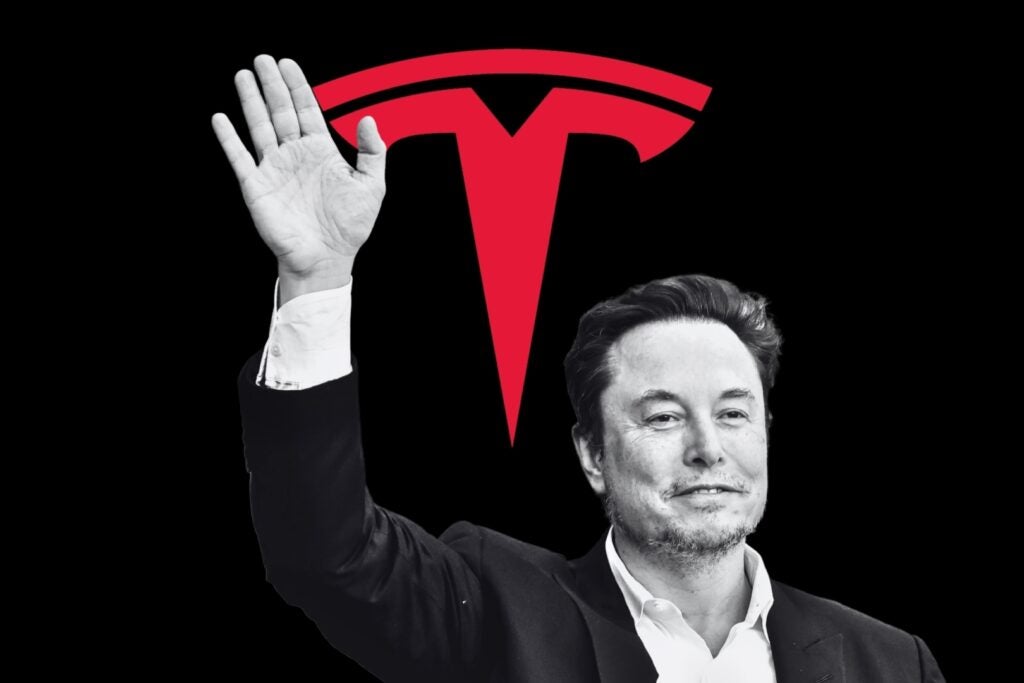
Impact of SpaceX IPO on Tesla

- IPO Pressure: Gary Black noted that SpaceX's IPO is likely to exert short-term pressure on Tesla (TSLA) as investors may withdraw from long-duration stocks to support the $75 billion IPO, leading to a decline in TSLA shares, which are down 18% year-to-date.
- Merger Speculation: While Black dismissed merger speculation between Tesla and SpaceX due to significant differences in business models and risk profiles, analyst Dan Ives suggested that a merger could occur within the next year, highlighting market interest in potential synergies.
- Shareholder Sentiment Shift: Retail sentiment around Tesla on Stocktwits shifted from 'neutral' to 'bullish' in the past 24 hours, while SpaceX sentiment remained in the 'extremely bullish' territory, indicating increased investor confidence in both companies' futures.
- Technological Collaboration Outlook: Tesla holds a small financial stake in SpaceX and plans to incorporate SpaceX technology in its upcoming Roadster for faster acceleration, demonstrating a close collaborative relationship that could drive future growth opportunities.
See More

Analysis of Competition in the eVTOL Market

- Market Outlook: According to Eve Air Mobility's Global Market Outlook, by 2045, there could be 30,000 eVTOLs in operation carrying three billion passengers, despite Joby and Archer lacking FAA approval for commercial flights, which has led to depressed stock prices for both companies.
- Technical Comparison: Joby's S4 and Archer's Midnight exhibit significant design differences, with the S4 achieving a maximum range of 150 miles and a speed of 200 mph, while the Midnight has a range of 100 miles and a speed of 150 mph, highlighting Joby's technological advantage.
- Financial Projections: Analysts expect Joby's revenue to grow from $53 million in 2025 to $458 million in 2028, with a net loss narrowing to $722 million, whereas Archer's revenue is projected to surge from under $1 million in 2025 to $482 million in 2028, but its net loss is expected to widen to $868 million.
- Investment Advantages: Joby's market cap stands at $9.2 billion, trading at 20 times its 2028 sales, reflecting its potential in the
See More
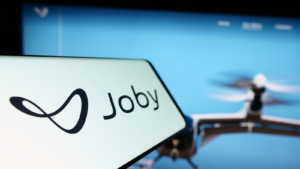
Joby and Archer's eVTOL Aircraft Prospects
- Market Outlook: According to Eve Air Mobility's Global Market Outlook, by 2045, there could be 30,000 eVTOLs operating globally, carrying three billion passengers, presenting potential market opportunities for both Joby and Archer.
- FAA Approval Challenges: Both Joby and Archer must navigate the lengthy multi-stage approval process from the Federal Aviation Administration (FAA), with full commercial flight approvals likely not occurring until late 2026 or 2027, contributing to stock pressure this year.
- Financial Projections Comparison: Analysts expect Joby's revenue to grow from $53 million in 2025 to $458 million in 2028, while Archer's revenue is projected to surge from under $1 million to $482 million, although both companies are expected to widen their net losses, indicating differing market expectations.
- Investment Value Assessment: Joby trades at a market cap of $9.2 billion at 20 times its 2028 sales, while Archer's $4.0 billion market cap trades at just eight times its 2028 sales; despite Archer appearing more attractive, Joby's vertically integrated model and stronger liquidity position it as a more compelling long-term investment.
See More

Elon Musk Becomes First Trillionaire
- Historic IPO: SpaceX successfully went public today, raising $75 billion, surpassing previous records, with a valuation exceeding $2 trillion, marking a significant leap in Musk's wealth.
- Wealth Surge: Musk's net worth skyrocketed from approximately $813 billion to over $1 trillion, making him the first trillionaire in history, showcasing his immense influence in the tech sector.
- Business Structure Analysis: SpaceX's revenue is primarily driven by Starlink, which generated $11.4 billion last year, accounting for 61% of total revenue, while the launch and AI segments face profitability challenges, highlighting the risks of business diversification.
- Investment Risk Advisory: SpaceX shares are currently trading near $170, with a price-to-sales ratio of nearly 120 times; although Starlink is profitable, the overall business relies on its cash flow to support other loss-making divisions, necessitating careful risk assessment by investors.
See More
Elon Musk Becomes First Person to Reach $1 Trillion Net Worth
- Historic IPO: SpaceX raised $75 billion in its IPO, shattering previous records and pushing the company's valuation above $2 trillion, marking Elon Musk as the first person in history to surpass a $1 trillion net worth.
- Starlink as Financial Engine: Starlink generated $11.4 billion in revenue last year with nearly 40% operating margins, serving as a robust financial backbone for SpaceX's growth, despite the overall business facing significant losses.
- Valuation Risks: Priced at approximately 117 times sales, SpaceX's stock reflects high expectations for future performance, making it a risky investment despite the company's impressive technological advancements and achievements.
- Strong Market Reaction: Following its opening, SpaceX's stock surged 25%, rising from the initial offering price of $135 to $170, indicating strong market interest in its future potential, although analysts advise caution given the current high valuation.
See More
SpaceX Aims for Record IPO Valuation
- Fundraising Target: SpaceX aims to raise $75 billion through its IPO by selling 555.6 million shares at $135 each, achieving a valuation of $1.77 trillion, making it the seventh most valuable U.S. company, surpassing Tesla.
- Valuation Challenges: Former Tesla board member Steve Westly stated that pricing SpaceX's IPO will be difficult due to its three disparate core businesses, particularly noting that the Starlink satellite internet service is the only profitable unit, necessitating at least two successful 'moonshots' to maintain its high valuation.
- Merger Possibility: Westly mentioned that a merger between SpaceX and Tesla is 'absolutely likely' in the future, highlighting that both companies already share numerous resources, although such a merger would face governance issues, yet the chances of success remain high.
- Market Reaction: SpaceX's IPO is set to become the largest in history, with the market eagerly anticipating its future developments, especially under Musk's diversified business strategy, which may further expand its range of operations.
See More
Impact of SpaceX IPO on Tesla
- IPO Pressure: Gary Black noted that SpaceX's IPO is likely to exert short-term pressure on Tesla (TSLA) as investors may withdraw from long-duration stocks to support the $75 billion IPO, leading to a decline in TSLA shares, which are down 18% year-to-date.
- Merger Speculation: While Black dismissed merger speculation between Tesla and SpaceX due to significant differences in business models and risk profiles, analyst Dan Ives suggested that a merger could occur within the next year, highlighting market interest in potential synergies.
- Shareholder Sentiment Shift: Retail sentiment around Tesla on Stocktwits shifted from 'neutral' to 'bullish' in the past 24 hours, while SpaceX sentiment remained in the 'extremely bullish' territory, indicating increased investor confidence in both companies' futures.
- Technological Collaboration Outlook: Tesla holds a small financial stake in SpaceX and plans to incorporate SpaceX technology in its upcoming Roadster for faster acceleration, demonstrating a close collaborative relationship that could drive future growth opportunities.
See More
Analysis of Competition in the eVTOL Market
- Market Outlook: According to Eve Air Mobility's Global Market Outlook, by 2045, there could be 30,000 eVTOLs in operation carrying three billion passengers, despite Joby and Archer lacking FAA approval for commercial flights, which has led to depressed stock prices for both companies.
- Technical Comparison: Joby's S4 and Archer's Midnight exhibit significant design differences, with the S4 achieving a maximum range of 150 miles and a speed of 200 mph, while the Midnight has a range of 100 miles and a speed of 150 mph, highlighting Joby's technological advantage.
- Financial Projections: Analysts expect Joby's revenue to grow from $53 million in 2025 to $458 million in 2028, with a net loss narrowing to $722 million, whereas Archer's revenue is projected to surge from under $1 million in 2025 to $482 million in 2028, but its net loss is expected to widen to $868 million.
- Investment Advantages: Joby's market cap stands at $9.2 billion, trading at 20 times its 2028 sales, reflecting its potential in the
See More
Joby and Archer's eVTOL Aircraft Prospects
- Market Outlook: According to Eve Air Mobility's Global Market Outlook, by 2045, there could be 30,000 eVTOLs operating globally, carrying three billion passengers, presenting potential market opportunities for both Joby and Archer.
- FAA Approval Challenges: Both Joby and Archer must navigate the lengthy multi-stage approval process from the Federal Aviation Administration (FAA), with full commercial flight approvals likely not occurring until late 2026 or 2027, contributing to stock pressure this year.
- Financial Projections Comparison: Analysts expect Joby's revenue to grow from $53 million in 2025 to $458 million in 2028, while Archer's revenue is projected to surge from under $1 million to $482 million, although both companies are expected to widen their net losses, indicating differing market expectations.
- Investment Value Assessment: Joby trades at a market cap of $9.2 billion at 20 times its 2028 sales, while Archer's $4.0 billion market cap trades at just eight times its 2028 sales; despite Archer appearing more attractive, Joby's vertically integrated model and stronger liquidity position it as a more compelling long-term investment.
See More
Elon Musk Becomes First Trillionaire
- Historic IPO: SpaceX successfully went public today, raising $75 billion, surpassing previous records, with a valuation exceeding $2 trillion, marking a significant leap in Musk's wealth.
- Wealth Surge: Musk's net worth skyrocketed from approximately $813 billion to over $1 trillion, making him the first trillionaire in history, showcasing his immense influence in the tech sector.
- Business Structure Analysis: SpaceX's revenue is primarily driven by Starlink, which generated $11.4 billion last year, accounting for 61% of total revenue, while the launch and AI segments face profitability challenges, highlighting the risks of business diversification.
- Investment Risk Advisory: SpaceX shares are currently trading near $170, with a price-to-sales ratio of nearly 120 times; although Starlink is profitable, the overall business relies on its cash flow to support other loss-making divisions, necessitating careful risk assessment by investors.
See More