

Tesla Shifts Focus to FSD and Robotaxis Ahead of Q4 Earnings
Written by Emily J. Thompson, Senior Investment Analyst
Updated: Jan 27 2026
0mins
Source: Benzinga
- Earnings Expectations: Analysts forecast Tesla's Q4 revenue at $24.9 billion, down from $25.71 billion year-over-year, indicating challenges in the electric vehicle market and fluctuating demand.
- Profitability Analysis: Expected earnings per share of $0.40, significantly lower than last year's $0.73, reflects pressure on Tesla's profitability, which may impact investor confidence.
- Robotaxi Strategy: Wedbush analyst Dan Ives highlights Tesla's focus on robotaxi progress, with Cybercab production expected to ramp up in April/May, a strategy that could reshape the company's growth outlook.
- Shareholder Questions: Key shareholder inquiries for the earnings call include whether long-term investors will receive priority access to the SpaceX IPO, a question that could influence Tesla's stock price volatility.
Trade with 70% Backtested Accuracy
Stop guessing "Should I Buy TSLA?" and start using high-conviction signals backed by rigorous historical data.
Sign up today to access powerful investing tools and make smarter, data-driven decisions.
Analyst Views on TSLA
Wall Street analysts forecast TSLA stock price to rise
30 Analyst Rating
12 Buy
11 Hold
7 Sell
Hold
Current: 375.120

Low
25.28
Averages
401.93
High
600.00
Current: 375.120
Low
25.28
Averages
401.93
High
600.00
About TSLA
Tesla, Inc. designs, develops, manufactures, sells and leases high-performance fully electric vehicles and energy generation and storage systems, and offers services related to its products. Its segments include automotive, and energy generation and storage. The automotive segment includes the design, development, manufacturing, sales and leasing of high-performance fully electric vehicles, and sales of automotive regulatory credits. It also includes sales of used vehicles, non-warranty maintenance services and collisions, part sales, paid supercharging, insurance services revenue and retail merchandise sales. The energy generation and storage segment include the design, manufacture, installation, sales and leasing of solar energy generation and energy storage products and related services and sales of solar energy systems incentives. Its consumer vehicles include the Model 3, Y, S, X and Cybertruck. Its lithium-ion battery energy storage products include Powerwall and Megapack.
About the author

Emily J. Thompson
Emily J. Thompson, a Chartered Financial Analyst (CFA) with 12 years in investment research, graduated with honors from the Wharton School. Specializing in industrial and technology stocks, she provides in-depth analysis for Intellectia’s earnings and market brief reports.

Baron ETF Emerges as Leader Among SpaceX ETFs

- ETF Performance: The Baron First Principles ETF leads among SpaceX ETFs with a 31.2% allocation to SpaceX as of June 17, significantly surpassing its second-largest holding, indicating strong performance in the space investment sector.
- Historical Investment Background: Founder Ron Baron has participated in 27 funding rounds for SpaceX since 2017, initially investing when the company was valued at just $22 billion, demonstrating his long-term confidence and strategic positioning in the company.
- Acquisition Speculation: Ongoing speculation about SpaceX potentially acquiring Tesla is relevant, as Tesla accounts for nearly 12% of the Baron ETF's holdings, creating investor anticipation for the fund's future performance.
- High Fee Structure: While the Baron ETF offers high exposure to SpaceX, its 1% annual fee is relatively high, which may impact net returns for investors, especially compared to other lower-fee ETFs.
See More
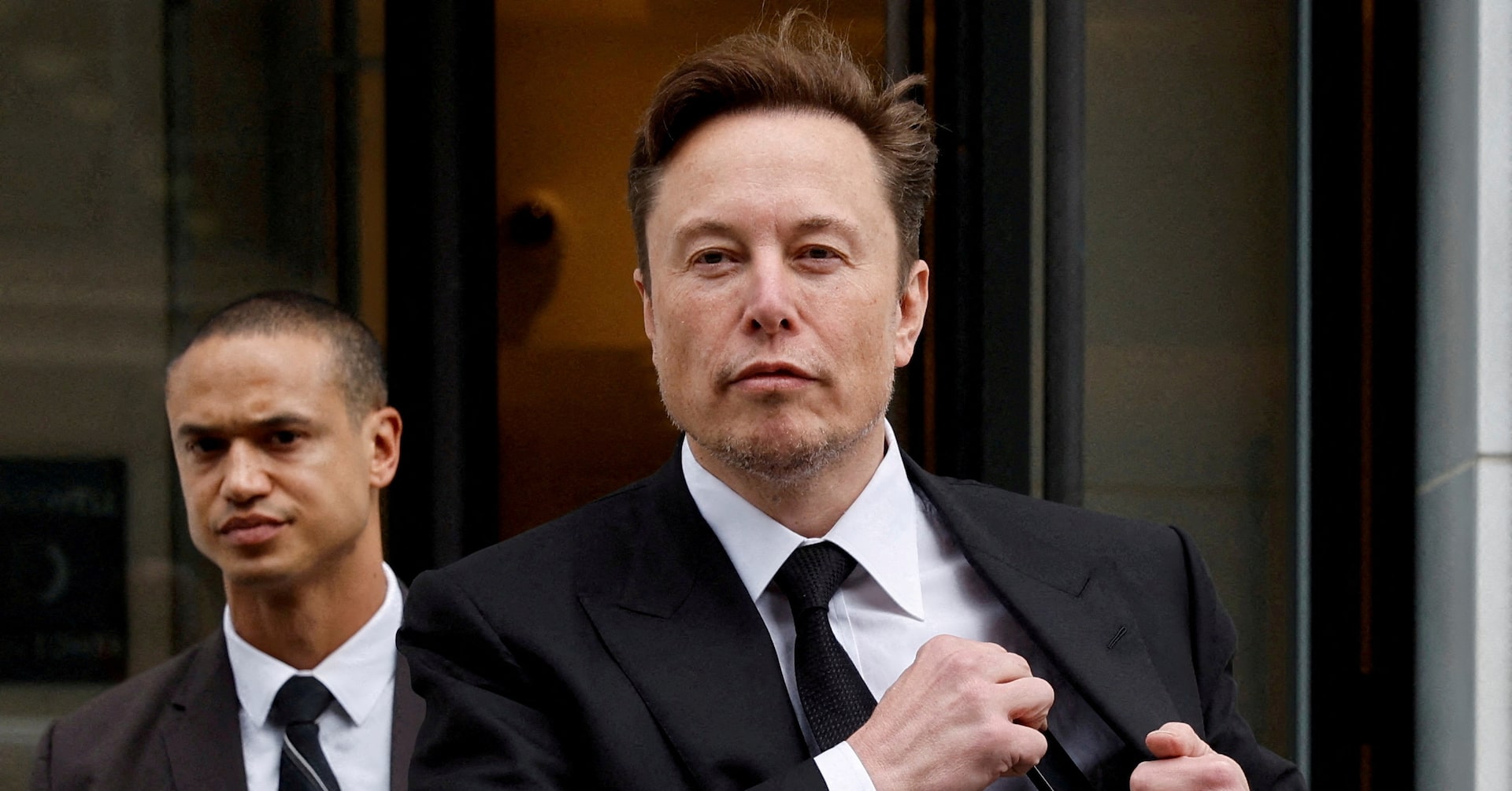
Tesla Settles Lawsuit Over FSD Accident Involving Pedestrian
- Accident Overview: In 2023, a Tesla Model Y in full self-driving mode struck pedestrian Johna Story on an Arizona highway, raising significant concerns about FSD capabilities, particularly under poor visibility conditions.
- Investigation Findings: The National Highway Traffic Safety Administration (NHTSA) investigation revealed that Tesla's FSD failed to detect common roadway conditions that impaired visibility until just before the crash, providing drivers with minimal reaction time and highlighting potential flaws in the system.
- Technical Enhancements: During the Q1 earnings call, Tesla announced that it had replaced the cameras and implemented stricter visibility measures, ensuring that FSD would be disabled if the cameras could not clearly see the environment, thereby enhancing safety protocols.
- Market Reaction: Following the settlement of the lawsuit, Tesla's stock showed sideways movement in premarket trading on Friday, indicating a relatively muted market response and suggesting that the incident has not significantly impacted the company's fundamentals.
See More

Major Wall Street Rating Changes on Friday

- Diageo Upgrade: TD Cowen upgraded Diageo from hold to buy, citing valuation dislocation as an attractive entry point, with CEO-led cost cuts and reinvestment expected to restore growth and enhance commercial execution.
- James Hardie Initiation: Stephens initiated coverage of James Hardie with an overweight rating and a $31 price target, highlighting its status as a high-quality company and its position as the second-largest composite decking manufacturer following its merger with AZEK.
- Nike Downgrade: KeyBanc downgraded Nike from overweight to sector weight, indicating that the turnaround is taking longer than anticipated, with slight reductions in FY27 estimates reflecting higher-than-expected headwinds in China and EMEA.
- American Tower Upgrade: RBC upgraded American Tower from sector perform to outperform, noting superior organic revenue growth compared to peers, despite rising interest rate pressures, indicating strong market potential.
See More

SpaceX Experiences Wild Volatility in First Week as Public Company


- Strong IPO Performance: SpaceX's stock surged over 60% from its initial offering price of $135 during its first week, briefly surpassing Amazon and Microsoft in market capitalization, indicating strong market confidence in its future potential.
- Retail Investor Enthusiasm: Retail investors purchased a net $405 million in SpaceX shares within the first five trading sessions, marking the strongest retail IPO debut in recent history, reflecting high demand driven by Elon Musk's vision and celebrity status.
- Increased Market Volatility: Despite a strong initial performance, the stock experienced declines of 5%, 4%, and 16% in subsequent trading days, highlighting market uncertainty regarding the company's future prospects and leading to fluctuating investor sentiment.
- Emerging Future Challenges: SpaceX faces dual challenges of increasing share supply as early investors cash out and concerns over its high valuation, as Musk's projected $1 trillion revenue by 2030 contrasts sharply with the company's current significant losses and capital requirements.
See More
Tata Electronics Restricts Internal Access Amid Client File Leak Investigation

- Leak Investigation: Tata Electronics has restricted internal access to sensitive systems while investigating a leak of over 200,000 client files, which impacts major clients like Apple and Tesla, potentially causing significant disruptions to its supply chain.
- Enhanced Security Measures: The company has tightened internal security protocols, limiting remote access to sensitive tools to select employees, thereby reducing future leak risks and safeguarding client information.
- External Audit Engagement: Tata has hired a global consultant for a forensic audit and reported the incident to the Indian government, demonstrating its commitment to information security and the maintenance of client trust.
- Industry Impact Assessment: This incident poses challenges not only for Tata Electronics' operations but may also affect Apple's production plans in India, as the company aims to increase global iPhone production to 26% by 2026.
See More

SpaceX Experiences Volatile Stock Performance in First Two Weeks as Public Company

- Stock Volatility: SpaceX's stock experienced significant volatility in its opening weeks, surging over 60% post-IPO and briefly surpassing Amazon and Microsoft in market cap, reflecting strong market enthusiasm and investor interest in its future prospects.
- Retail Investor Frenzy: In the first five trading sessions, retail investors bought a net $405 million of SpaceX shares, marking the strongest retail IPO debut in recent history, highlighting the company's appeal and excitement among retail investors.
- Future Growth Expectations: Despite reporting $18.7 billion in revenue and a $4.9 billion net loss in 2025, founder Elon Musk predicts revenues could reach approximately $1 trillion by 2030, showcasing the company's ambitious long-term growth outlook amidst challenges.
- Market Uncertainty: Analysts note that SpaceX faces significant challenges, including increased share supply as early investors cash out and the current stock price being too high given the uncertainty surrounding its prospects, yet there remains a reluctance to short the stock.
See More
Baron ETF Emerges as Leader Among SpaceX ETFs
- ETF Performance: The Baron First Principles ETF leads among SpaceX ETFs with a 31.2% allocation to SpaceX as of June 17, significantly surpassing its second-largest holding, indicating strong performance in the space investment sector.
- Historical Investment Background: Founder Ron Baron has participated in 27 funding rounds for SpaceX since 2017, initially investing when the company was valued at just $22 billion, demonstrating his long-term confidence and strategic positioning in the company.
- Acquisition Speculation: Ongoing speculation about SpaceX potentially acquiring Tesla is relevant, as Tesla accounts for nearly 12% of the Baron ETF's holdings, creating investor anticipation for the fund's future performance.
- High Fee Structure: While the Baron ETF offers high exposure to SpaceX, its 1% annual fee is relatively high, which may impact net returns for investors, especially compared to other lower-fee ETFs.
See More
Tesla Settles Lawsuit Over FSD Accident Involving Pedestrian
- Accident Overview: In 2023, a Tesla Model Y in full self-driving mode struck pedestrian Johna Story on an Arizona highway, raising significant concerns about FSD capabilities, particularly under poor visibility conditions.
- Investigation Findings: The National Highway Traffic Safety Administration (NHTSA) investigation revealed that Tesla's FSD failed to detect common roadway conditions that impaired visibility until just before the crash, providing drivers with minimal reaction time and highlighting potential flaws in the system.
- Technical Enhancements: During the Q1 earnings call, Tesla announced that it had replaced the cameras and implemented stricter visibility measures, ensuring that FSD would be disabled if the cameras could not clearly see the environment, thereby enhancing safety protocols.
- Market Reaction: Following the settlement of the lawsuit, Tesla's stock showed sideways movement in premarket trading on Friday, indicating a relatively muted market response and suggesting that the incident has not significantly impacted the company's fundamentals.
See More
Major Wall Street Rating Changes on Friday
- Diageo Upgrade: TD Cowen upgraded Diageo from hold to buy, citing valuation dislocation as an attractive entry point, with CEO-led cost cuts and reinvestment expected to restore growth and enhance commercial execution.
- James Hardie Initiation: Stephens initiated coverage of James Hardie with an overweight rating and a $31 price target, highlighting its status as a high-quality company and its position as the second-largest composite decking manufacturer following its merger with AZEK.
- Nike Downgrade: KeyBanc downgraded Nike from overweight to sector weight, indicating that the turnaround is taking longer than anticipated, with slight reductions in FY27 estimates reflecting higher-than-expected headwinds in China and EMEA.
- American Tower Upgrade: RBC upgraded American Tower from sector perform to outperform, noting superior organic revenue growth compared to peers, despite rising interest rate pressures, indicating strong market potential.
See More
SpaceX Experiences Wild Volatility in First Week as Public Company
- Strong IPO Performance: SpaceX's stock surged over 60% from its initial offering price of $135 during its first week, briefly surpassing Amazon and Microsoft in market capitalization, indicating strong market confidence in its future potential.
- Retail Investor Enthusiasm: Retail investors purchased a net $405 million in SpaceX shares within the first five trading sessions, marking the strongest retail IPO debut in recent history, reflecting high demand driven by Elon Musk's vision and celebrity status.
- Increased Market Volatility: Despite a strong initial performance, the stock experienced declines of 5%, 4%, and 16% in subsequent trading days, highlighting market uncertainty regarding the company's future prospects and leading to fluctuating investor sentiment.
- Emerging Future Challenges: SpaceX faces dual challenges of increasing share supply as early investors cash out and concerns over its high valuation, as Musk's projected $1 trillion revenue by 2030 contrasts sharply with the company's current significant losses and capital requirements.
See More
Tata Electronics Restricts Internal Access Amid Client File Leak Investigation
- Leak Investigation: Tata Electronics has restricted internal access to sensitive systems while investigating a leak of over 200,000 client files, which impacts major clients like Apple and Tesla, potentially causing significant disruptions to its supply chain.
- Enhanced Security Measures: The company has tightened internal security protocols, limiting remote access to sensitive tools to select employees, thereby reducing future leak risks and safeguarding client information.
- External Audit Engagement: Tata has hired a global consultant for a forensic audit and reported the incident to the Indian government, demonstrating its commitment to information security and the maintenance of client trust.
- Industry Impact Assessment: This incident poses challenges not only for Tata Electronics' operations but may also affect Apple's production plans in India, as the company aims to increase global iPhone production to 26% by 2026.
See More
SpaceX Experiences Volatile Stock Performance in First Two Weeks as Public Company
- Stock Volatility: SpaceX's stock experienced significant volatility in its opening weeks, surging over 60% post-IPO and briefly surpassing Amazon and Microsoft in market cap, reflecting strong market enthusiasm and investor interest in its future prospects.
- Retail Investor Frenzy: In the first five trading sessions, retail investors bought a net $405 million of SpaceX shares, marking the strongest retail IPO debut in recent history, highlighting the company's appeal and excitement among retail investors.
- Future Growth Expectations: Despite reporting $18.7 billion in revenue and a $4.9 billion net loss in 2025, founder Elon Musk predicts revenues could reach approximately $1 trillion by 2030, showcasing the company's ambitious long-term growth outlook amidst challenges.
- Market Uncertainty: Analysts note that SpaceX faces significant challenges, including increased share supply as early investors cash out and the current stock price being too high given the uncertainty surrounding its prospects, yet there remains a reluctance to short the stock.
See More




