Tesla Q1 Deliveries Expected to Decline
- Delivery Forecast Downgrade: RBC Capital estimates Tesla's Q1 deliveries at 367,000, slightly below S&P's Visible Alpha consensus of 370,000, indicating market caution regarding EV demand.
- Weak U.S. Market: Analyst Tom Narayan noted that the absence of the electric vehicle tax credit is expected to lead to a year-over-year decline in U.S. deliveries, reflecting changes in market conditions.
- Seasonal Trends: The Q1 delivery total is anticipated to be lower than Q4, consistent with seasonal patterns, suggesting that Tesla may need to adjust its sales strategies to navigate market fluctuations.
- Strategic Shift Ahead: Tesla plans to discontinue Model S and X in Q2 2026, pivoting towards robotaxis and humanoids, which could pressure future private vehicle sales as the company adapts to evolving market demands.
Trade with 70% Backtested Accuracy
Analyst Views on TSLA

About TSLA
About the author

SPACEX, LAST VALUED AT $1.25 TRILLION, WILL DETERMINE THE FINAL OFFERING SIZE AND VALUATION JUST WEEKS PRIOR TO THE IPO - THE INFORMATION

Company Valuation: SpaceX is currently valued at $1.25 trillion.
Upcoming Decisions: The actual size of the offering and its valuation will not be determined until a few weeks before the IPO.
SPACEX MAY SEEK OVER $75 BILLION IN IPO, REPORTS THE INFORMATION
- SpaceX's IPO Plans: SpaceX is attempting to raise over $75 billion through its initial public offering (IPO).
- Market Impact: The potential IPO could significantly influence the aerospace and technology sectors, attracting considerable investor interest.
Tesla's Terafab Project to Propel AI Advancements
- Project Overview: Tesla's Terafab project aims to address the significant constraints posed by chip and memory supply on AI advancements in the coming years by integrating design, fabrication, mask production, packaging, and testing to enhance overall production efficiency.
- Market Expectations: Wedbush analyst Dan Ives maintains an ‘Outperform’ rating on Tesla with a $600 price target, believing that Terafab will accelerate Tesla's positioning in the AI sector, despite uncertainties surrounding the project's timeline.
- Strategic Importance: Musk described Terafab as “the most epic chip-building exercise in history,” with the facility expected to produce over one terawatt of computing capacity annually, supporting Tesla's vehicles, Optimus robots, and future space-based AI infrastructure.
- Investor Sentiment: Despite TSLA stock gaining 38% over the past 12 months, retail sentiment on Stocktwits remains in the ‘extremely bearish’ territory, indicating market concerns about future developments.

Despite Rising Tech Earnings, This ETF Remains Lagging Behind


Tech Sector Performance: Despite struggles in the tech sector this year, companies in the Magnificent Seven have shown strong earnings growth and record-setting revenue, with projections indicating continued confidence from management teams across various industries.
Investor Sentiment: Investors have been rotating out of tech since Q4 2025, yet analysts are raising their earnings forecasts for 2026, with many companies exceeding Wall Street's expectations in Q1.
Stock Price Trends: Overall, the tech sector is down nearly 5% year-to-date, with individual companies like Microsoft experiencing significant declines, while some sectors, such as consumer staples, have performed better.
Market Opportunities: The ETF tracking the tech sector presents a substantial opportunity for investors, especially as tech stocks are expected to rebound, despite current underperformance and concerns about valuations.
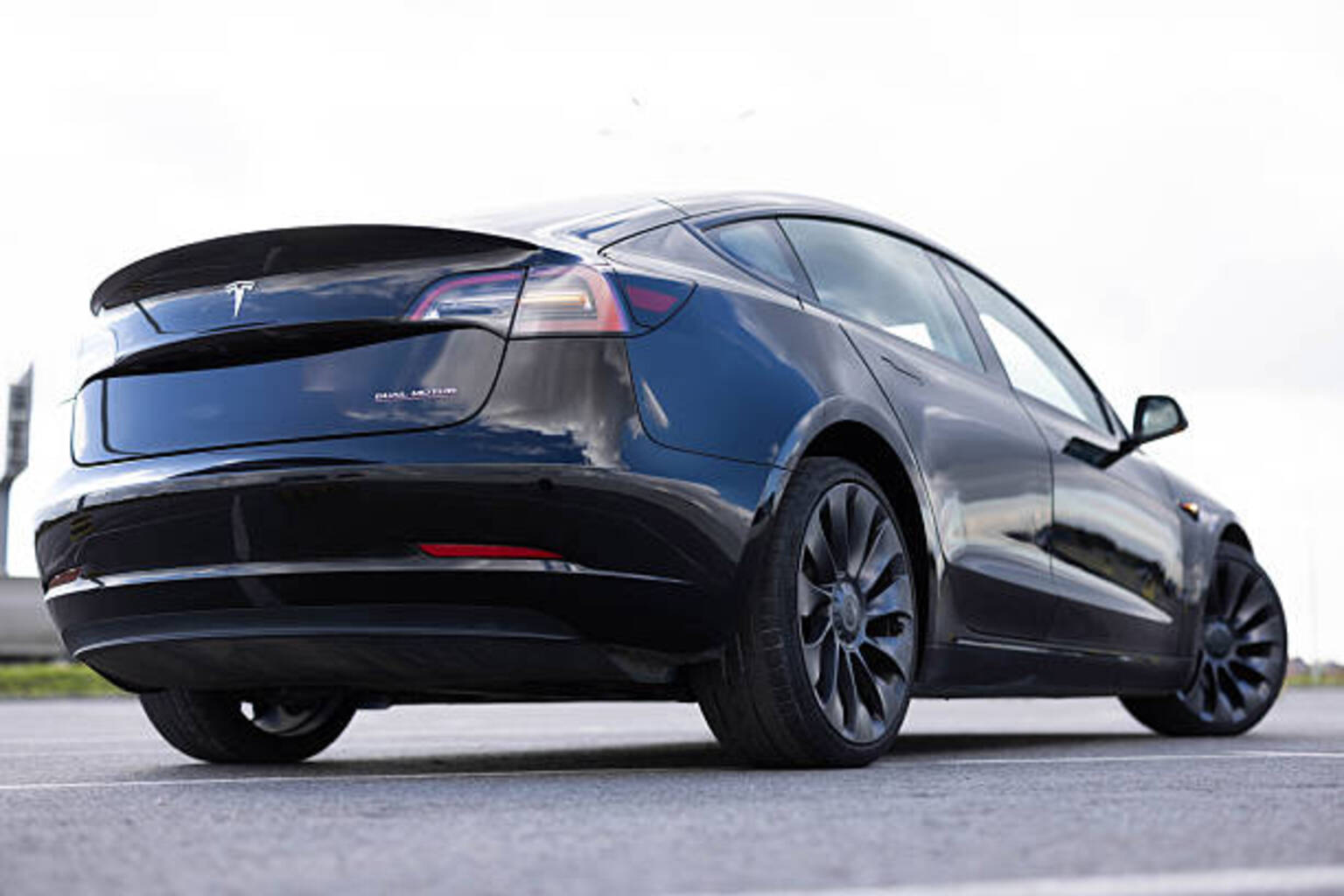
Tesla Q1 Deliveries Expected to Decline
- Delivery Forecast Downgrade: RBC Capital estimates Tesla's Q1 deliveries at 367,000, slightly below S&P's Visible Alpha consensus of 370,000, indicating market caution regarding EV demand.
- Weak U.S. Market: Analyst Tom Narayan noted that the absence of the electric vehicle tax credit is expected to lead to a year-over-year decline in U.S. deliveries, reflecting changes in market conditions.
- Seasonal Trends: The Q1 delivery total is anticipated to be lower than Q4, consistent with seasonal patterns, suggesting that Tesla may need to adjust its sales strategies to navigate market fluctuations.
- Strategic Shift Ahead: Tesla plans to discontinue Model S and X in Q2 2026, pivoting towards robotaxis and humanoids, which could pressure future private vehicle sales as the company adapts to evolving market demands.

Volkswagen in Talks with Israeli Defense Firm Rafael for Missile Defense Production

- Factory Transformation Opportunity: Volkswagen is reportedly in talks with Israeli defense firm Rafael to convert its Osnabrück factory into a facility for producing components for the Iron Dome missile defense system, potentially revitalizing a site set to close.
- Financial Challenges and Opportunities: VW's latest earnings report indicates a more than 50% drop in operating profit, with another tough year ahead; however, discussions with Rafael could provide a turnaround opportunity, improving the company's return on invested capital.
- Avoiding Layoffs and Competition: By repurposing the Osnabrück plant for defense production, VW could avoid laying off 2,300 employees due to the factory's closure and prevent selling capacity to emerging Chinese competitors, thus alleviating short-term financial burdens.
- Political Risk Considerations: While collaboration with an Israeli defense company may yield economic benefits, analysts caution that the potential political backlash from European public opinion regarding VW's association with Rafael remains uncertain, which could impact the company's reputation and market performance.
SPACEX, LAST VALUED AT $1.25 TRILLION, WILL DETERMINE THE FINAL OFFERING SIZE AND VALUATION JUST WEEKS PRIOR TO THE IPO - THE INFORMATION
Company Valuation: SpaceX is currently valued at $1.25 trillion.
Upcoming Decisions: The actual size of the offering and its valuation will not be determined until a few weeks before the IPO.
SPACEX MAY SEEK OVER $75 BILLION IN IPO, REPORTS THE INFORMATION
- SpaceX's IPO Plans: SpaceX is attempting to raise over $75 billion through its initial public offering (IPO).
- Market Impact: The potential IPO could significantly influence the aerospace and technology sectors, attracting considerable investor interest.
Tesla's Terafab Project to Propel AI Advancements
- Project Overview: Tesla's Terafab project aims to address the significant constraints posed by chip and memory supply on AI advancements in the coming years by integrating design, fabrication, mask production, packaging, and testing to enhance overall production efficiency.
- Market Expectations: Wedbush analyst Dan Ives maintains an ‘Outperform’ rating on Tesla with a $600 price target, believing that Terafab will accelerate Tesla's positioning in the AI sector, despite uncertainties surrounding the project's timeline.
- Strategic Importance: Musk described Terafab as “the most epic chip-building exercise in history,” with the facility expected to produce over one terawatt of computing capacity annually, supporting Tesla's vehicles, Optimus robots, and future space-based AI infrastructure.
- Investor Sentiment: Despite TSLA stock gaining 38% over the past 12 months, retail sentiment on Stocktwits remains in the ‘extremely bearish’ territory, indicating market concerns about future developments.
Despite Rising Tech Earnings, This ETF Remains Lagging Behind
Tech Sector Performance: Despite struggles in the tech sector this year, companies in the Magnificent Seven have shown strong earnings growth and record-setting revenue, with projections indicating continued confidence from management teams across various industries.
Investor Sentiment: Investors have been rotating out of tech since Q4 2025, yet analysts are raising their earnings forecasts for 2026, with many companies exceeding Wall Street's expectations in Q1.
Stock Price Trends: Overall, the tech sector is down nearly 5% year-to-date, with individual companies like Microsoft experiencing significant declines, while some sectors, such as consumer staples, have performed better.
Market Opportunities: The ETF tracking the tech sector presents a substantial opportunity for investors, especially as tech stocks are expected to rebound, despite current underperformance and concerns about valuations.
Tesla Q1 Deliveries Expected to Decline
- Delivery Forecast Downgrade: RBC Capital estimates Tesla's Q1 deliveries at 367,000, slightly below S&P's Visible Alpha consensus of 370,000, indicating market caution regarding EV demand.
- Weak U.S. Market: Analyst Tom Narayan noted that the absence of the electric vehicle tax credit is expected to lead to a year-over-year decline in U.S. deliveries, reflecting changes in market conditions.
- Seasonal Trends: The Q1 delivery total is anticipated to be lower than Q4, consistent with seasonal patterns, suggesting that Tesla may need to adjust its sales strategies to navigate market fluctuations.
- Strategic Shift Ahead: Tesla plans to discontinue Model S and X in Q2 2026, pivoting towards robotaxis and humanoids, which could pressure future private vehicle sales as the company adapts to evolving market demands.
Volkswagen in Talks with Israeli Defense Firm Rafael for Missile Defense Production
- Factory Transformation Opportunity: Volkswagen is reportedly in talks with Israeli defense firm Rafael to convert its Osnabrück factory into a facility for producing components for the Iron Dome missile defense system, potentially revitalizing a site set to close.
- Financial Challenges and Opportunities: VW's latest earnings report indicates a more than 50% drop in operating profit, with another tough year ahead; however, discussions with Rafael could provide a turnaround opportunity, improving the company's return on invested capital.
- Avoiding Layoffs and Competition: By repurposing the Osnabrück plant for defense production, VW could avoid laying off 2,300 employees due to the factory's closure and prevent selling capacity to emerging Chinese competitors, thus alleviating short-term financial burdens.
- Political Risk Considerations: While collaboration with an Israeli defense company may yield economic benefits, analysts caution that the potential political backlash from European public opinion regarding VW's association with Rafael remains uncertain, which could impact the company's reputation and market performance.