Tesla Plans Massive Solar Factory in Texas to Boost U.S. Manufacturing
Written by Emily J. Thompson, Senior Investment Analyst
Updated: May 19 2026
0mins
Source: stocktwits
- Solar Manufacturing Expansion: Tesla is constructing a massive solar panel factory in Brookshire, Texas, aiming for vertical integration that includes ingot growth, wafer slicing, cell production, and panel assembly, which is expected to significantly enhance U.S. solar manufacturing capacity and support the goal of producing 100 GW annually by 2028.
- Energy Business Growth: Tesla's energy generation and storage segment saw annual revenue surge from $6.04 billion in 2023 to $12.8 billion in 2025, marking a 67% increase followed by another 27% rise, driven primarily by strong demand for Megapack utility-scale batteries and Powerwall residential systems, making it the company's most profitable division.
- Market Sentiment Shift: Despite a 3% decline in TSLA shares amid broader market pressures, retail sentiment around the stock shifted from 'bullish' to 'neutral', indicating investor concerns about the company's future performance, particularly in light of declining electric vehicle delivery numbers.
- Declining Delivery Numbers: Tesla's electric vehicle deliveries peaked at approximately 1.81 million in 2023 but fell to 1.79 million in 2024 and dropped another 8.6% to 1.636 million in 2025, highlighting challenges from fluctuating market demand and increasing competition.
Trade with 70% Backtested Accuracy
Stop guessing "Should I Buy TSLA?" and start using high-conviction signals backed by rigorous historical data.
Sign up today to access powerful investing tools and make smarter, data-driven decisions.
Analyst Views on TSLA
Wall Street analysts forecast TSLA stock price to fall
30 Analyst Rating
12 Buy
11 Hold
7 Sell
Hold
Current: 440.360

Low
25.28
Averages
401.93
High
600.00
Current: 440.360
Low
25.28
Averages
401.93
High
600.00
About TSLA
Tesla, Inc. designs, develops, manufactures, sells and leases high-performance fully electric vehicles and energy generation and storage systems, and offers services related to its products. Its segments include automotive, and energy generation and storage. The automotive segment includes the design, development, manufacturing, sales and leasing of high-performance fully electric vehicles, and sales of automotive regulatory credits. It also includes sales of used vehicles, non-warranty maintenance services and collisions, part sales, paid supercharging, insurance services revenue and retail merchandise sales. The energy generation and storage segment include the design, manufacture, installation, sales and leasing of solar energy generation and energy storage products and related services and sales of solar energy systems incentives. Its consumer vehicles include the Model 3, Y, S, X and Cybertruck. Its lithium-ion battery energy storage products include Powerwall and Megapack.
About the author

Emily J. Thompson
Emily J. Thompson, a Chartered Financial Analyst (CFA) with 12 years in investment research, graduated with honors from the Wharton School. Specializing in industrial and technology stocks, she provides in-depth analysis for Intellectia’s earnings and market brief reports.

Analysis of Potential Tesla-SpaceX Merger

- Merger Potential: Analyst Dan Ives suggests that a merger between Tesla and SpaceX could occur as early as 2027, a timeline that, while aggressive, appears plausible given the current market dynamics, potentially enhancing capital liquidity for both companies.
- Resource Sharing: Tesla and SpaceX have collaborated on various projects, such as the Terafab chip manufacturing initiative, and this cross-industry cooperation not only enhances technological capabilities but may also lay the groundwork for a future merger, strengthening market competitiveness.
- Capital Advantage: Tesla generated $7 billion in free cash flow over the past 12 months, providing significant funding support for SpaceX, and a merger would facilitate easier access to investor capital, promoting business expansion for the combined entity.
- Market Reaction: Despite Tesla's stock decline this year, the anticipation of a merger could shift investor sentiment positively, boosting market confidence and adding new momentum to Tesla's growth narrative.
See More

SpaceX Targets Nasdaq Listing with Valuation Up to $2 Trillion
- IPO Plans: SpaceX is targeting a Nasdaq listing on June 12 with a valuation between $1.75 trillion and $2 trillion, which, if successful, would mark the largest IPO in history, positioning it above Tesla and reinforcing its leadership in the aerospace and satellite internet sectors.
- Starlink Revenue Surge: Starlink, SpaceX's satellite internet business, generated $11.4 billion in revenue in 2025, up nearly 50% year-over-year, with operating income more than doubling to $4.4 billion, highlighting its strong demand and profitability as a key driver of the company's valuation.
- User Growth Momentum: Starlink currently boasts 10.3 million subscribers across 164 countries, a significant increase from 8.9 million at the end of 2025, and despite a drop in revenue per user from $99 in 2023 to $66, it still achieved $3.3 billion in revenue in Q1, indicating robust market penetration and user base expansion.
- AI Business Challenges: SpaceX's AI segment reported a loss of $6.4 billion in 2025 and an additional $2.5 billion in Q1, while plans to deploy orbital AI compute satellites by 2028 present both risks and opportunities, contrasting sharply with the rapid growth of Starlink and reflecting the complexities of the company's diversification strategy.
See More
Waymo Launches New Ojai Robotaxi Service


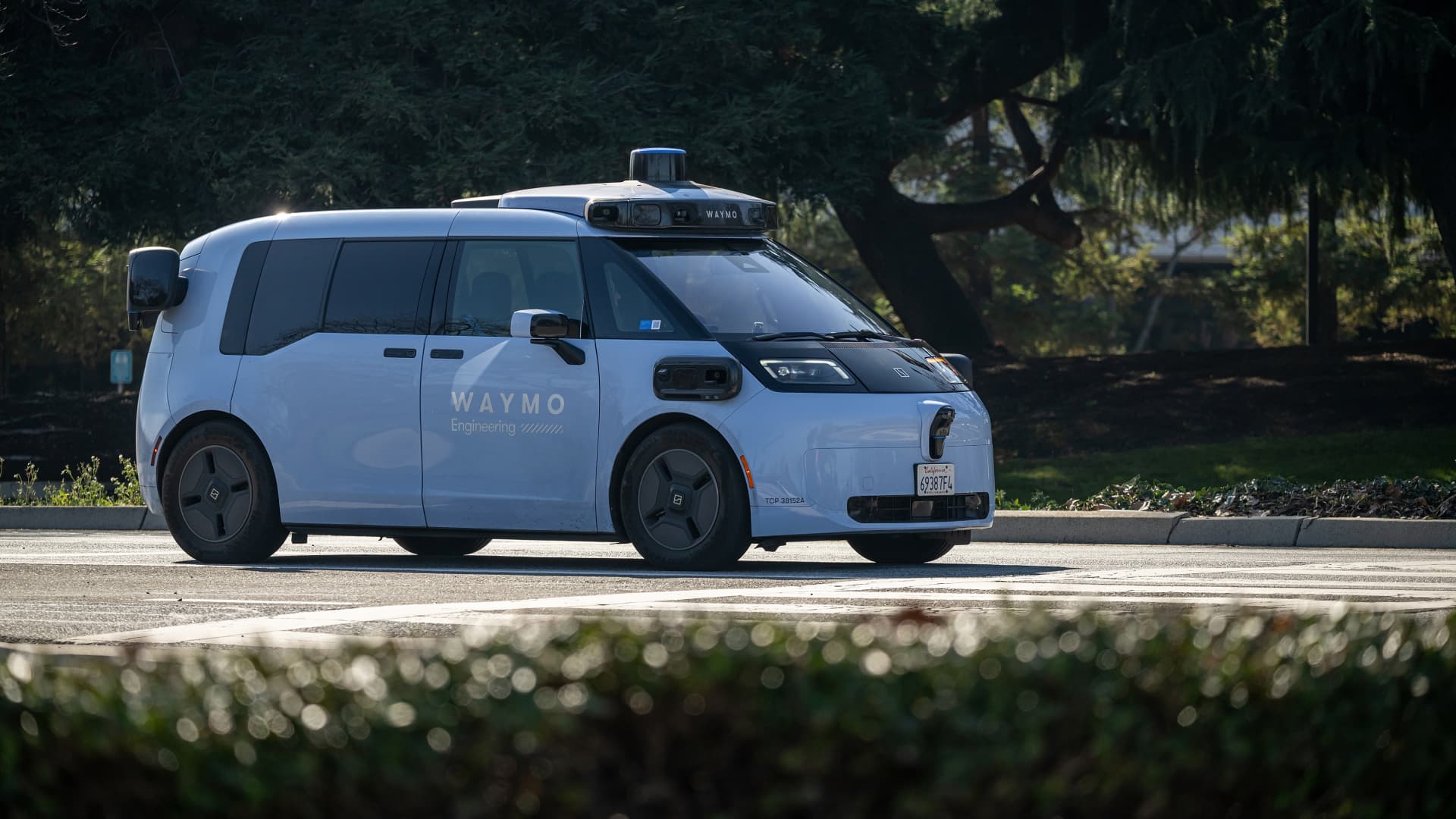
- New Model Launch: Waymo has introduced the Ojai robotaxi, designed to perform better in snowy conditions and manufactured at a lower cost than previous models, which is expected to significantly reduce operational costs and enhance market competitiveness.
- Service Expansion Plan: The service will be available to select public passengers in San Francisco, Los Angeles, and Phoenix, with plans to expand to San Diego, Las Vegas, and Denver this summer, further broadening its user base and market coverage.
- Technological Innovation: The Ojai model utilizes the sixth-generation Waymo Driver system, equipped with improved lidar and audio receivers that can better detect surroundings in adverse weather conditions, enhancing safety and user experience.
- Safety Issue Response: Waymo recently issued a voluntary recall of approximately 3,800 robotaxis to address software issues, demonstrating the company's commitment to safety; despite facing challenges, it remains focused on improving service quality and user trust.
See More
Waymo Unveils New Ojai Robotaxis to Expand Fleet
- New Model Launch: Waymo's newly introduced Ojai vehicles are roomier and feature removable steering wheels, significantly reducing manufacturing costs, aimed at enhancing market competitiveness and meeting diverse customer needs.
- Service Expansion Plan: Waymo plans to offer rides in Ojai robotaxis to select customers in San Francisco, Los Angeles, and Phoenix, with an expected expansion to San Diego, Las Vegas, and Denver this summer, further broadening its market coverage.
- Technological Innovation: The Ojai model utilizes the sixth-generation Waymo Driver system, which enhances low-light detection capabilities, and integrates new hardware and software to improve safety in adverse weather conditions.
- Safety Issue Management: Despite facing a voluntary recall of about 3,800 robotaxis to address software issues, Waymo remains committed to achieving its goal of 1 million autonomous rides per week by year-end, demonstrating its ambition in technology and market leadership.
See More
EV Stocks Poised for Autonomous Driving Revolution

- Autonomous Driving Outlook: Experts predict that by 2030, autonomous vehicles will be widely adopted, with robotaxis expected to be the first commercial application, representing a market potential of $5 trillion to $10 trillion, benefiting electric vehicle companies significantly.
- Tesla's Market Leadership: Tesla, with a current valuation of $1.3 trillion, heavily relies on robotaxi growth potential and has initiated pilot programs in several U.S. cities, with plans for widespread deployment by the end of the year.
- Rivian's Growth Potential: Rivian, valued at $18 billion, may have more upside than Tesla despite lower production capacity; its $1.25 billion investment deal with Uber indicates strong interest in its upcoming R2 SUV for robotaxi fleets.
- Advantages of EVs: Electric vehicles are better suited for robotaxi operations due to lower maintenance and operating costs, attracting potential operators and accelerating the growth of the EV market.
See More

Autonomous Driving Market Poised for Trillions
- Massive Market Potential: Experts predict that by 2030, autonomous vehicles will become the norm in many parts of the world, with the market expected to reach trillions of dollars, driving strong growth in electric vehicle stocks.
- Rise of Robotaxis: A McKinsey report indicates that robotaxis are expected to roll out on a large scale by 2030, becoming the first commercial application, with electric vehicles being better suited for this market due to lower maintenance costs and advanced technology.
- Tesla's Leading Position: Tesla currently has a market valuation of $1.3 trillion, heavily reliant on its robotaxi growth potential, and has initiated pilot programs in several U.S. cities, with widespread deployment expected by the end of the year.
- Rivian's Market Opportunity: Rivian, valued at $18 billion, may have significant upside potential despite lacking all of Tesla's competitive advantages, as evidenced by its $1.25 billion investment agreement with Uber, indicating its potential as a key supplier in the robotaxi market.
See More
Analysis of Potential Tesla-SpaceX Merger
- Merger Potential: Analyst Dan Ives suggests that a merger between Tesla and SpaceX could occur as early as 2027, a timeline that, while aggressive, appears plausible given the current market dynamics, potentially enhancing capital liquidity for both companies.
- Resource Sharing: Tesla and SpaceX have collaborated on various projects, such as the Terafab chip manufacturing initiative, and this cross-industry cooperation not only enhances technological capabilities but may also lay the groundwork for a future merger, strengthening market competitiveness.
- Capital Advantage: Tesla generated $7 billion in free cash flow over the past 12 months, providing significant funding support for SpaceX, and a merger would facilitate easier access to investor capital, promoting business expansion for the combined entity.
- Market Reaction: Despite Tesla's stock decline this year, the anticipation of a merger could shift investor sentiment positively, boosting market confidence and adding new momentum to Tesla's growth narrative.
See More
SpaceX Targets Nasdaq Listing with Valuation Up to $2 Trillion
- IPO Plans: SpaceX is targeting a Nasdaq listing on June 12 with a valuation between $1.75 trillion and $2 trillion, which, if successful, would mark the largest IPO in history, positioning it above Tesla and reinforcing its leadership in the aerospace and satellite internet sectors.
- Starlink Revenue Surge: Starlink, SpaceX's satellite internet business, generated $11.4 billion in revenue in 2025, up nearly 50% year-over-year, with operating income more than doubling to $4.4 billion, highlighting its strong demand and profitability as a key driver of the company's valuation.
- User Growth Momentum: Starlink currently boasts 10.3 million subscribers across 164 countries, a significant increase from 8.9 million at the end of 2025, and despite a drop in revenue per user from $99 in 2023 to $66, it still achieved $3.3 billion in revenue in Q1, indicating robust market penetration and user base expansion.
- AI Business Challenges: SpaceX's AI segment reported a loss of $6.4 billion in 2025 and an additional $2.5 billion in Q1, while plans to deploy orbital AI compute satellites by 2028 present both risks and opportunities, contrasting sharply with the rapid growth of Starlink and reflecting the complexities of the company's diversification strategy.
See More
Waymo Launches New Ojai Robotaxi Service
- New Model Launch: Waymo has introduced the Ojai robotaxi, designed to perform better in snowy conditions and manufactured at a lower cost than previous models, which is expected to significantly reduce operational costs and enhance market competitiveness.
- Service Expansion Plan: The service will be available to select public passengers in San Francisco, Los Angeles, and Phoenix, with plans to expand to San Diego, Las Vegas, and Denver this summer, further broadening its user base and market coverage.
- Technological Innovation: The Ojai model utilizes the sixth-generation Waymo Driver system, equipped with improved lidar and audio receivers that can better detect surroundings in adverse weather conditions, enhancing safety and user experience.
- Safety Issue Response: Waymo recently issued a voluntary recall of approximately 3,800 robotaxis to address software issues, demonstrating the company's commitment to safety; despite facing challenges, it remains focused on improving service quality and user trust.
See More
Waymo Unveils New Ojai Robotaxis to Expand Fleet
- New Model Launch: Waymo's newly introduced Ojai vehicles are roomier and feature removable steering wheels, significantly reducing manufacturing costs, aimed at enhancing market competitiveness and meeting diverse customer needs.
- Service Expansion Plan: Waymo plans to offer rides in Ojai robotaxis to select customers in San Francisco, Los Angeles, and Phoenix, with an expected expansion to San Diego, Las Vegas, and Denver this summer, further broadening its market coverage.
- Technological Innovation: The Ojai model utilizes the sixth-generation Waymo Driver system, which enhances low-light detection capabilities, and integrates new hardware and software to improve safety in adverse weather conditions.
- Safety Issue Management: Despite facing a voluntary recall of about 3,800 robotaxis to address software issues, Waymo remains committed to achieving its goal of 1 million autonomous rides per week by year-end, demonstrating its ambition in technology and market leadership.
See More
EV Stocks Poised for Autonomous Driving Revolution
- Autonomous Driving Outlook: Experts predict that by 2030, autonomous vehicles will be widely adopted, with robotaxis expected to be the first commercial application, representing a market potential of $5 trillion to $10 trillion, benefiting electric vehicle companies significantly.
- Tesla's Market Leadership: Tesla, with a current valuation of $1.3 trillion, heavily relies on robotaxi growth potential and has initiated pilot programs in several U.S. cities, with plans for widespread deployment by the end of the year.
- Rivian's Growth Potential: Rivian, valued at $18 billion, may have more upside than Tesla despite lower production capacity; its $1.25 billion investment deal with Uber indicates strong interest in its upcoming R2 SUV for robotaxi fleets.
- Advantages of EVs: Electric vehicles are better suited for robotaxi operations due to lower maintenance and operating costs, attracting potential operators and accelerating the growth of the EV market.
See More
Autonomous Driving Market Poised for Trillions
- Massive Market Potential: Experts predict that by 2030, autonomous vehicles will become the norm in many parts of the world, with the market expected to reach trillions of dollars, driving strong growth in electric vehicle stocks.
- Rise of Robotaxis: A McKinsey report indicates that robotaxis are expected to roll out on a large scale by 2030, becoming the first commercial application, with electric vehicles being better suited for this market due to lower maintenance costs and advanced technology.
- Tesla's Leading Position: Tesla currently has a market valuation of $1.3 trillion, heavily reliant on its robotaxi growth potential, and has initiated pilot programs in several U.S. cities, with widespread deployment expected by the end of the year.
- Rivian's Market Opportunity: Rivian, valued at $18 billion, may have significant upside potential despite lacking all of Tesla's competitive advantages, as evidenced by its $1.25 billion investment agreement with Uber, indicating its potential as a key supplier in the robotaxi market.
See More