Tesla Launches All-Wheel-Drive Model Y SUV
Written by Emily J. Thompson, Senior Investment Analyst
Updated: 1h ago
0mins
Should l Buy TSLA?
Source: seekingalpha
- New Model Launch: Tesla has introduced an all-wheel-drive variant of its Model Y SUV in the U.S. at a price of $41,990, strategically positioned as a mid-tier option to maintain sales volumes and attract a broader customer base.
- Market Positioning: The new Model Y sits above the cheaper standard version and below premium models, showcasing Tesla's adaptive strategy in the electric vehicle market, particularly as competition intensifies.
- Delivery Challenges: Tesla's Q4 deliveries totaled 418,227 units, reflecting a 16% year-over-year decline, indicating significant pressure on the company to sustain delivery volumes, especially in the domestic market affected by policy shifts and increased competition.
- Policy Impact: Following the Trump administration's termination of the $7,500 federal EV tax credits in late September 2025, Tesla's introduction of stripped-down versions of the Model Y and Model 3 at approximately $5,000 lower prices demonstrates the company's quick response to changing market conditions.
Discover Tomorrow's Bullish Stocks Today
Analyst Views on TSLA
Wall Street analysts forecast TSLA stock price to fall over the next 12 months. According to Wall Street analysts, the average 1-year price target for TSLA is 401.93 USD with a low forecast of 25.28 USD and a high forecast of 600.00 USD. However, analyst price targets are subjective and often lag stock prices, so investors should focus on the objective reasons behind analyst rating changes, which better reflect the company's fundamentals.
30 Analyst Rating
12 Buy
11 Hold
7 Sell
Hold
Current: 430.410

Low
25.28
Averages
401.93
High
600.00
Current: 430.410
Low
25.28
Averages
401.93
High
600.00
About TSLA
Tesla, Inc. designs, develops, manufactures, sells and leases high-performance fully electric vehicles and energy generation and storage systems, and offers services related to its products. Its segments include automotive, and energy generation and storage. The automotive segment includes the design, development, manufacturing, sales and leasing of high-performance fully electric vehicles, and sales of automotive regulatory credits. It also includes sales of used vehicles, non-warranty maintenance services and collisions, part sales, paid supercharging, insurance services revenue and retail merchandise sales. The energy generation and storage segment include the design, manufacture, installation, sales and leasing of solar energy generation and energy storage products and related services and sales of solar energy systems incentives. Its consumer vehicles include the Model 3, Y, S, X and Cybertruck. Its lithium-ion battery energy storage products include Powerwall and Megapack.
About the author

Emily J. Thompson
Emily J. Thompson, a Chartered Financial Analyst (CFA) with 12 years in investment research, graduated with honors from the Wharton School. Specializing in industrial and technology stocks, she provides in-depth analysis for Intellectia’s earnings and market brief reports.

Tesla's Transformation Plans and Earnings Analysis

- Production Transformation: Tesla announced plans to shut down production of its luxury Model S and X vehicles, converting one factory to produce 1 million Optimus humanoid robots annually, aiming to reduce reliance on electric vehicle manufacturing, which may impact traditional auto revenue streams.
- Autonomous Driving Progress: The company expects to begin production of steering wheel-less robotaxis in April and aims to launch autonomous vehicles in 'dozens of major cities' by year-end, a significant advancement that could enhance its competitiveness in future mobility, though it faces technical and regulatory hurdles.
- Financial Performance Decline: Tesla's Q4 vehicle deliveries fell 16%, marking the third decline in four quarters, leading to an 11% drop in auto revenue to $17.7 billion, indicating ongoing weakness in its core auto business, which may affect investor confidence.
- Capital Expenditure Plans: Tesla plans to invest over $20 billion in capital expenditures by 2026, despite the likelihood of negative free cash flow this year, reflecting the company's commitment to its future robotics and autonomous driving initiatives while putting pressure on its financial health.
See More

Musk's Orbital Data Center Ambition Gains Attention

- Orbital Data Center Advantage: Investor Gene Munster from Deepwater Asset Management highlights that the merger between SpaceX and xAI focuses on 'datacenters in the sky,' which are more efficient due to better solar energy access and no cooling requirements.
- IPO Flexibility: Munster notes that SpaceX is expected to go public in June this year, which will provide Musk with the financial flexibility needed to fund AI development for xAI, further advancing his business ambitions.
- Market Valuation Outlook: Munster predicts that the combined entity of SpaceX-xAI could be valued at around $1.2 trillion, showcasing the immense potential of this merger, especially in comparison to Nvidia's competitive target.
- Speculative Merger Insights: Reports suggest that Musk may also be considering a merger between SpaceX and Tesla, hinting at a possible 'convergence' of his enterprises that could create new strategic opportunities.
See More
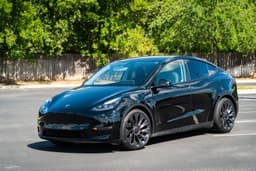
Tesla Launches All-Wheel-Drive Model Y SUV
- New Model Launch: Tesla has introduced an all-wheel-drive variant of its Model Y SUV in the U.S. at a price of $41,990, strategically positioned as a mid-tier option to maintain sales volumes and attract a broader customer base.
- Market Positioning: The new Model Y sits above the cheaper standard version and below premium models, showcasing Tesla's adaptive strategy in the electric vehicle market, particularly as competition intensifies.
- Delivery Challenges: Tesla's Q4 deliveries totaled 418,227 units, reflecting a 16% year-over-year decline, indicating significant pressure on the company to sustain delivery volumes, especially in the domestic market affected by policy shifts and increased competition.
- Policy Impact: Following the Trump administration's termination of the $7,500 federal EV tax credits in late September 2025, Tesla's introduction of stripped-down versions of the Model Y and Model 3 at approximately $5,000 lower prices demonstrates the company's quick response to changing market conditions.
See More

California Unveils $200 Million EV Incentive Program for First-Time Buyers
- Incentive Program Overview: California Governor Gavin Newsom announced a $200 million electric vehicle incentive program aimed at supporting first-time buyers, requiring participating manufacturers to offer matching incentives, which is expected to stimulate growth in the EV market.
- Eligibility Criteria: The program stipulates that passenger vehicles priced at or below $55,000, vans, SUVs, and pickup trucks under $80,000, and $25,000 for used vehicles will qualify for rebates, making some of Tesla's popular models eligible for incentives.
- Policy Background: This initiative follows Congress's termination of the federal $7,500 tax deduction for new EVs and the $4,000 tax credit for used EVs last year, reflecting California's proactive stance on promoting electric vehicles.
- Market Impact: The incentive is expected to boost EV sales, particularly among major manufacturers like Tesla, further solidifying California's leadership position in the electric vehicle market.
See More
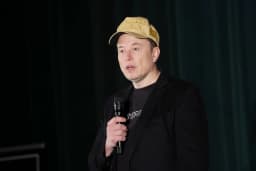
Musk's SpaceX-xAI Merger Raises Concerns for Tesla Investors
- Merger Plans Raise Concerns: Musk's announcement to merge SpaceX and xAI has sparked worries about Tesla's future position, particularly as the company faces slowing EV demand and intensifying global competition, leading retail investors to adopt an extremely bearish sentiment towards Tesla.
- Financial Logic Questioned: Gary Black warned that a merger between Tesla and SpaceX could dilute Tesla shareholders' equity and introduce earnings volatility from the aerospace and communications sectors, which may unsettle institutional investors, especially given Tesla's underperformance over the past year and five years.
- IPO Prospects and Fund Flow: SpaceX is reportedly expected to pursue an IPO later this year, potentially raising up to $50 billion, raising concerns that funds may flow out of Tesla into the newly formed entities, further exacerbating Tesla's market pressures.
- Retail Investor Reactions: While some investors remain optimistic about the merger, believing Tesla could become a major customer for SpaceX, the overall market sentiment remains bearish, with many investors worried that a narrowing product lineup and weakening sales momentum could lead to a decline in stock price.
See More

Lemonade Launches Tesla-Specific Insurance Plan

- Stock Surge: In January 2026, Lemonade's shares rose by 21.9%, indicating strong investor enthusiasm for its new car insurance plan, which, despite prior announcements, was perceived as a fresh innovation by the market.
- Launch of New Insurance Plan: On January 21, Lemonade introduced a Tesla-specific car insurance plan that charges premiums per mile, halving the fee when the full self-driving feature is active, aimed at attracting more electric vehicle users and increasing market share.
- Data-Driven Growth Strategy: This plan relies on a direct data feed from Tesla's sensor system, setting the stage for future expansion into self-driving vehicle insurance, which could significantly reduce accident rates and claims, thereby enhancing the company's financial performance.
- Market Expansion Potential: Lemonade aims to extend this discount to other self-driving brands in the future, which, if successful, could serve as a pivotal turning point for the company's financials and solidify its competitive position in the insurance market.
See More
Tesla's Transformation Plans and Earnings Analysis
- Production Transformation: Tesla announced plans to shut down production of its luxury Model S and X vehicles, converting one factory to produce 1 million Optimus humanoid robots annually, aiming to reduce reliance on electric vehicle manufacturing, which may impact traditional auto revenue streams.
- Autonomous Driving Progress: The company expects to begin production of steering wheel-less robotaxis in April and aims to launch autonomous vehicles in 'dozens of major cities' by year-end, a significant advancement that could enhance its competitiveness in future mobility, though it faces technical and regulatory hurdles.
- Financial Performance Decline: Tesla's Q4 vehicle deliveries fell 16%, marking the third decline in four quarters, leading to an 11% drop in auto revenue to $17.7 billion, indicating ongoing weakness in its core auto business, which may affect investor confidence.
- Capital Expenditure Plans: Tesla plans to invest over $20 billion in capital expenditures by 2026, despite the likelihood of negative free cash flow this year, reflecting the company's commitment to its future robotics and autonomous driving initiatives while putting pressure on its financial health.
See More
Musk's Orbital Data Center Ambition Gains Attention
- Orbital Data Center Advantage: Investor Gene Munster from Deepwater Asset Management highlights that the merger between SpaceX and xAI focuses on 'datacenters in the sky,' which are more efficient due to better solar energy access and no cooling requirements.
- IPO Flexibility: Munster notes that SpaceX is expected to go public in June this year, which will provide Musk with the financial flexibility needed to fund AI development for xAI, further advancing his business ambitions.
- Market Valuation Outlook: Munster predicts that the combined entity of SpaceX-xAI could be valued at around $1.2 trillion, showcasing the immense potential of this merger, especially in comparison to Nvidia's competitive target.
- Speculative Merger Insights: Reports suggest that Musk may also be considering a merger between SpaceX and Tesla, hinting at a possible 'convergence' of his enterprises that could create new strategic opportunities.
See More
Tesla Launches All-Wheel-Drive Model Y SUV
- New Model Launch: Tesla has introduced an all-wheel-drive variant of its Model Y SUV in the U.S. at a price of $41,990, strategically positioned as a mid-tier option to maintain sales volumes and attract a broader customer base.
- Market Positioning: The new Model Y sits above the cheaper standard version and below premium models, showcasing Tesla's adaptive strategy in the electric vehicle market, particularly as competition intensifies.
- Delivery Challenges: Tesla's Q4 deliveries totaled 418,227 units, reflecting a 16% year-over-year decline, indicating significant pressure on the company to sustain delivery volumes, especially in the domestic market affected by policy shifts and increased competition.
- Policy Impact: Following the Trump administration's termination of the $7,500 federal EV tax credits in late September 2025, Tesla's introduction of stripped-down versions of the Model Y and Model 3 at approximately $5,000 lower prices demonstrates the company's quick response to changing market conditions.
See More
California Unveils $200 Million EV Incentive Program for First-Time Buyers
- Incentive Program Overview: California Governor Gavin Newsom announced a $200 million electric vehicle incentive program aimed at supporting first-time buyers, requiring participating manufacturers to offer matching incentives, which is expected to stimulate growth in the EV market.
- Eligibility Criteria: The program stipulates that passenger vehicles priced at or below $55,000, vans, SUVs, and pickup trucks under $80,000, and $25,000 for used vehicles will qualify for rebates, making some of Tesla's popular models eligible for incentives.
- Policy Background: This initiative follows Congress's termination of the federal $7,500 tax deduction for new EVs and the $4,000 tax credit for used EVs last year, reflecting California's proactive stance on promoting electric vehicles.
- Market Impact: The incentive is expected to boost EV sales, particularly among major manufacturers like Tesla, further solidifying California's leadership position in the electric vehicle market.
See More
Musk's SpaceX-xAI Merger Raises Concerns for Tesla Investors
- Merger Plans Raise Concerns: Musk's announcement to merge SpaceX and xAI has sparked worries about Tesla's future position, particularly as the company faces slowing EV demand and intensifying global competition, leading retail investors to adopt an extremely bearish sentiment towards Tesla.
- Financial Logic Questioned: Gary Black warned that a merger between Tesla and SpaceX could dilute Tesla shareholders' equity and introduce earnings volatility from the aerospace and communications sectors, which may unsettle institutional investors, especially given Tesla's underperformance over the past year and five years.
- IPO Prospects and Fund Flow: SpaceX is reportedly expected to pursue an IPO later this year, potentially raising up to $50 billion, raising concerns that funds may flow out of Tesla into the newly formed entities, further exacerbating Tesla's market pressures.
- Retail Investor Reactions: While some investors remain optimistic about the merger, believing Tesla could become a major customer for SpaceX, the overall market sentiment remains bearish, with many investors worried that a narrowing product lineup and weakening sales momentum could lead to a decline in stock price.
See More
Lemonade Launches Tesla-Specific Insurance Plan
- Stock Surge: In January 2026, Lemonade's shares rose by 21.9%, indicating strong investor enthusiasm for its new car insurance plan, which, despite prior announcements, was perceived as a fresh innovation by the market.
- Launch of New Insurance Plan: On January 21, Lemonade introduced a Tesla-specific car insurance plan that charges premiums per mile, halving the fee when the full self-driving feature is active, aimed at attracting more electric vehicle users and increasing market share.
- Data-Driven Growth Strategy: This plan relies on a direct data feed from Tesla's sensor system, setting the stage for future expansion into self-driving vehicle insurance, which could significantly reduce accident rates and claims, thereby enhancing the company's financial performance.
- Market Expansion Potential: Lemonade aims to extend this discount to other self-driving brands in the future, which, if successful, could serve as a pivotal turning point for the company's financials and solidify its competitive position in the insurance market.
See More