Tesla Inc. Unveils First Lithium Refinery in Texas to Boost Battery Production
Written by Emily J. Thompson, Senior Investment Analyst
Updated: Jan 15 2026
0mins
Should l Buy TSLA?
Source: Benzinga
- Lithium Refinery Launch: Tesla has unveiled its first 'Spodumene to Lithium Hydroxide' refinery in Texas, aimed at scaling battery production and localizing supply chains, which is expected to create numerous jobs and reduce emissions.
- Elon Musk's Praise: Musk hailed the facility as the 'largest lithium refinery in America' on social media, emphasizing its advanced and clean technology, showcasing Tesla's leadership in lithium battery innovation.
- Strong EV Sales: The Tesla Model Y became the best-selling EV in the U.S. in 2025, selling over 357,528 units, contributing to a total of 589,000 units sold, further solidifying Tesla's market dominance.
- Energy Storage Growth: The new facility is set to enhance Tesla's energy storage business, which recorded a record 14.2 gigawatt-hours in Q4 deployments, indicating a new crucial revenue stream and potential in the renewable energy sector.
Trade with 70% Backtested Accuracy
Stop guessing "Should I Buy TSLA?" and start using high-conviction signals backed by rigorous historical data.
Sign up today to access powerful investing tools and make smarter, data-driven decisions.
Analyst Views on TSLA
Wall Street analysts forecast TSLA stock price to rise
30 Analyst Rating
12 Buy
11 Hold
7 Sell
Hold
Current: 381.260

Low
25.28
Averages
401.93
High
600.00
Current: 381.260
Low
25.28
Averages
401.93
High
600.00
About TSLA
Tesla, Inc. designs, develops, manufactures, sells and leases high-performance fully electric vehicles and energy generation and storage systems, and offers services related to its products. Its segments include automotive, and energy generation and storage. The automotive segment includes the design, development, manufacturing, sales and leasing of high-performance fully electric vehicles, and sales of automotive regulatory credits. It also includes sales of used vehicles, non-warranty maintenance services and collisions, part sales, paid supercharging, insurance services revenue and retail merchandise sales. The energy generation and storage segment include the design, manufacture, installation, sales and leasing of solar energy generation and energy storage products and related services and sales of solar energy systems incentives. Its consumer vehicles include the Model 3, Y, S, X and Cybertruck. Its lithium-ion battery energy storage products include Powerwall and Megapack.
About the author

Emily J. Thompson
Emily J. Thompson, a Chartered Financial Analyst (CFA) with 12 years in investment research, graduated with honors from the Wharton School. Specializing in industrial and technology stocks, she provides in-depth analysis for Intellectia’s earnings and market brief reports.
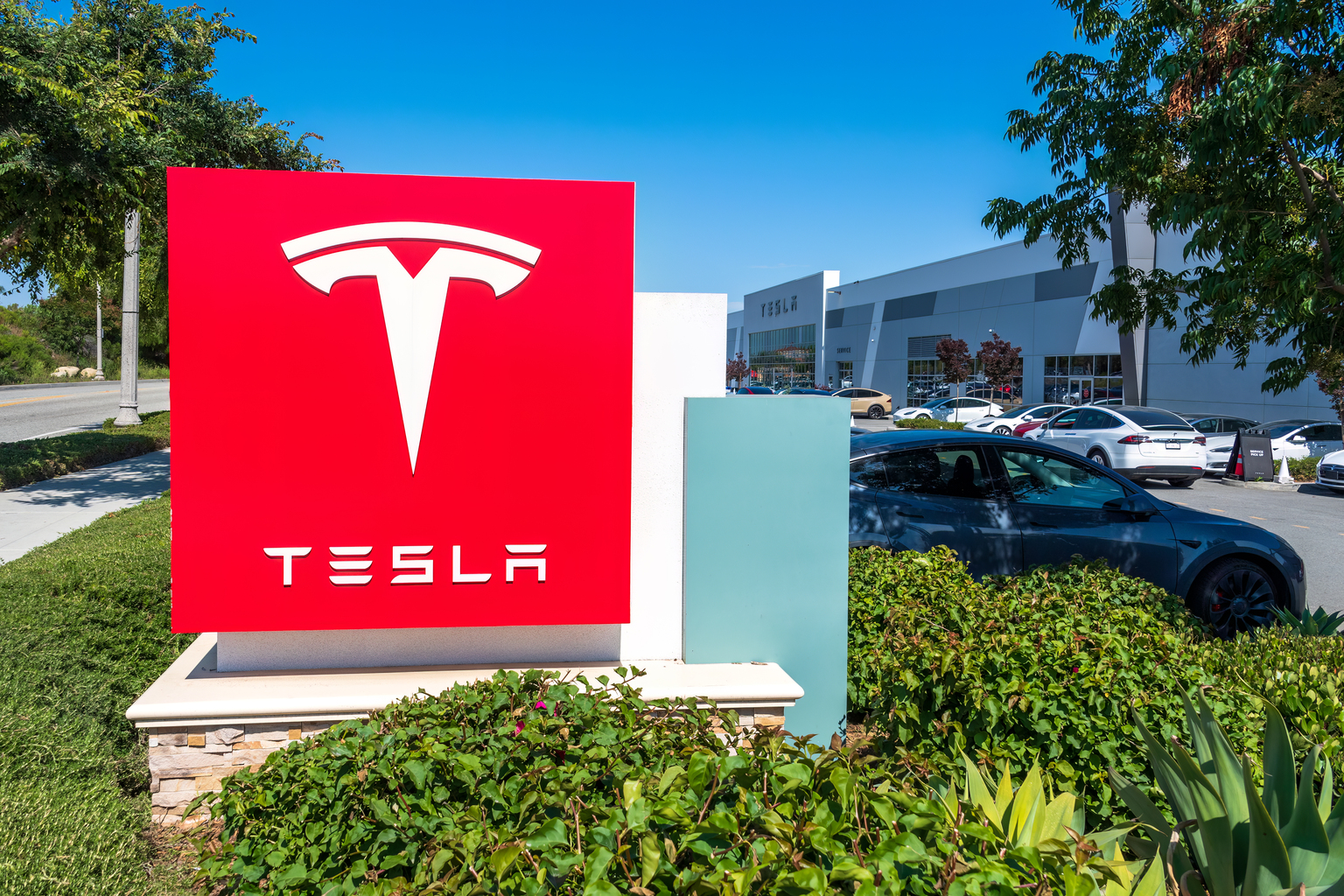
Tesla Q1 Deliveries Fall Short of Expectations

- Delivery Analysis: Tesla delivered 358,023 vehicles in Q1, falling short of the consensus estimate of 365,000, although this represents a 6.2% increase from 336,881 vehicles delivered in Q1 2025, indicating some growth potential amid market challenges.
- Production and Deliveries: During the same quarter, Tesla produced 408,386 vehicles, with Model 3/Y deliveries at 341,893 and other models at 16,130, highlighting sustained demand for core models, but the overall shortfall may impact investor confidence.
- Future Outlook: Analysts project Tesla's deliveries to reach 1.69 million in 2026, 1.88 million in 2027, and 2.13 million in 2028, with expectations of surpassing 3 million vehicles by 2030, which could attract investor interest given the long-term growth outlook.
- Market Reaction: Tesla's shares fell 3.3% in premarket trading and are down over 15% in 2026, reflecting market disappointment with the delivery figures, while its market cap stands at $1.39 trillion, indicating cautious sentiment regarding its future performance.
See More

Tesla Faces Continued Weakness in U.S. Demand as Q1 Approaches
- Declining U.S. Registrations: In Q1 2023, Tesla's U.S. vehicle registrations totaled 119,900, reflecting a 12.5% year-over-year decline, indicating persistent weakness in domestic demand that could adversely affect future delivery performance.
- Weak Delivery Expectations: Wall Street anticipates Tesla will report approximately 365,645 global deliveries in Q1, while independent researcher Troy Teslike projects around 375,000 vehicles, both figures falling short of last year's 336,681 deliveries, highlighting diminishing market confidence in Tesla.
- Sales Continue to Drop: Tesla sold 41,300 vehicles in March, down 7.9% year-over-year, although slightly above February's 38,500 units, marking the sixth consecutive month of year-over-year declines, which underscores ongoing demand challenges in the market.
- Bearish Market Sentiment: According to Stocktwits, retail sentiment for Tesla has remained in the 'bearish' territory over the past week, with investors expressing low expectations for Q1 deliveries, contributing to a 15% decline in TSLA stock year-to-date.
See More

Stock Market Rises Strongly Despite Soaring Oil Prices


- Market Rebound Signal: The stock market rose strongly this week despite soaring oil prices, indicating investor confidence in economic recovery and potentially signaling future investment opportunities.
- Oil Price Impact Analysis: Rising oil prices typically increase production costs; however, the market's rebound suggests that investors remain optimistic about the overall economic outlook, which may offset some negative impacts.
- Tesla Delivery Weakness: Tesla's stock tumbled on Thursday due to weak delivery numbers, reflecting market concerns about its performance and potentially affecting investor confidence in the electric vehicle market.
- Investor Focus: Investors should pay attention to market signals, particularly in the context of oil price volatility and Tesla's poor performance, to identify potential investment opportunities in response to market changes.
See More

Stock Market Rises Strongly Despite Soaring Oil Prices
- Market Rebound Signal: The stock market rose strongly this week despite soaring oil prices, indicating investor confidence in economic recovery and potentially signaling future investment opportunities.
- Oil Price Impact Analysis: Rising oil prices typically exert pressure on consumer spending and corporate costs, yet the market's robust performance suggests that investors remain optimistic about the overall economic outlook, potentially offsetting some negative effects.
- Tesla Delivery Weakness: Tesla's stock tumbled on Thursday due to weak delivery numbers, reflecting market concerns about its growth potential, which could impact investor confidence in the electric vehicle market.
- Investor Focus: With the dual impact of oil prices and Tesla's delivery issues, investors should pay close attention to market signals to make more informed decisions in future investments.
See More
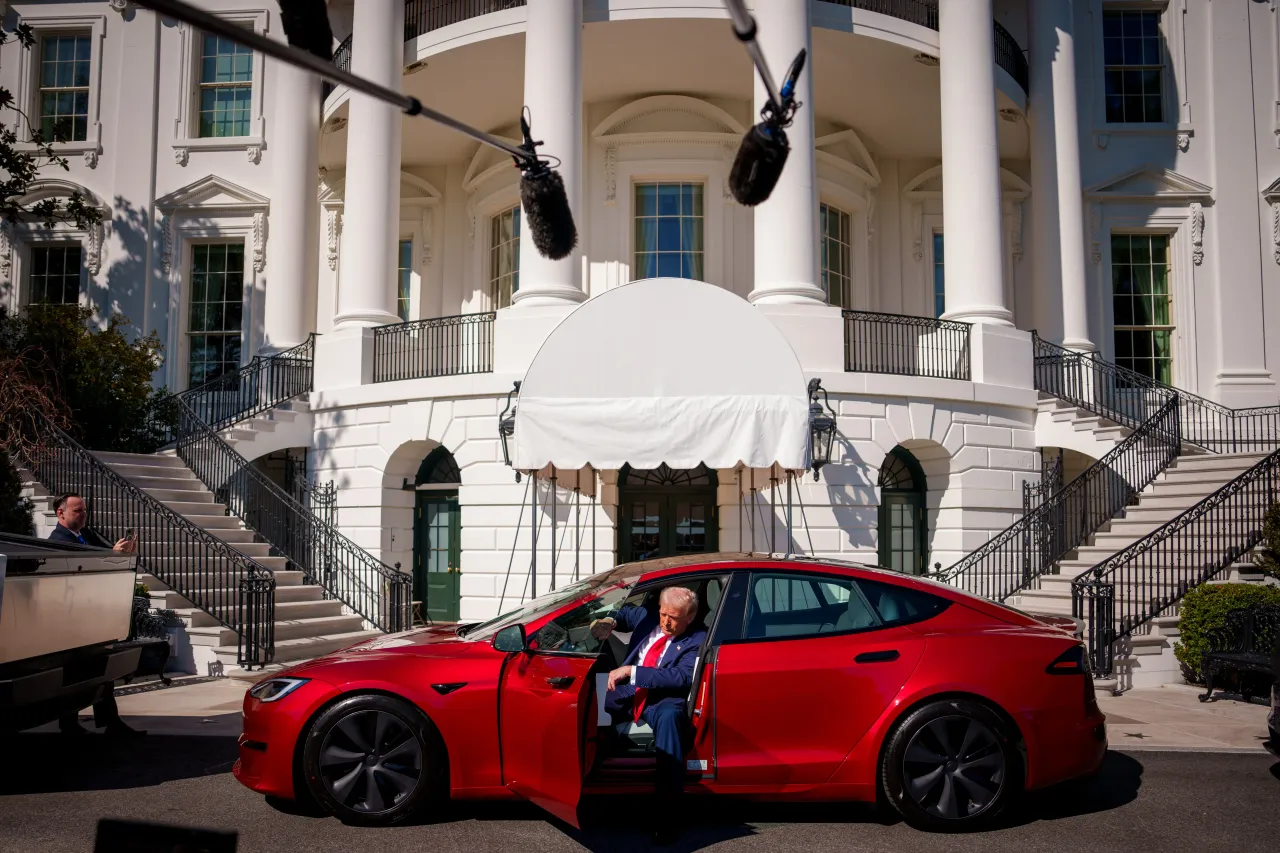
Tesla's Delivery Numbers Fall Short of Expectations
- Disappointing Delivery Numbers: Tesla delivered 358,023 vehicles in Q1 2026, showing mild growth from Q1 2025 but falling short of the analyst estimate of 365,645, indicating weak demand that could negatively impact future stock performance.
- Production and Inventory Pressure: The company produced 408,386 vehicles in the same quarter, yet may face pressure for price cuts or discounts due to a finished goods inventory level of 29 days at the end of Q1, reflecting insufficient demand in the U.S. market.
- Challenges in Europe: Wedbush analysts noted that Tesla is navigating a difficult regulatory environment in Europe, with delays in FSD (Full Self-Driving) approval likely hindering regional sales recovery, which they expect to improve in the first half of 2026.
- Focus on AI Strategy: Despite disappointing short-term delivery results, analysts believe Tesla's long-term growth hinges on advancements in AI technology, particularly FSD, which is seen as critical for future cash generation and stock performance.
See More

Tesla's Q1 Delivery Data Disappoints Investors
- Weak Delivery Growth: Tesla delivered 358,023 vehicles in Q1, reflecting a 6% year-over-year increase, yet a 14% sequential decline from Q4 2025's 418,227 deliveries indicates a concerning slowdown that may undermine investor confidence.
- Rising Inventory Pressure: The company produced 408,386 vehicles this quarter, exceeding delivery volume by approximately 50,000 units, suggesting potential demand constraints that could negatively impact future financial performance due to increased inventory.
- Energy Division Decline: Tesla deployed 8.8 GWh of energy storage products in Q1, sharply down from 14.2 GWh in the previous quarter, diminishing investor confidence in its energy business, particularly amid a sluggish automotive market.
- Valuation Risk: Despite the stock's decline, Tesla's price-to-earnings ratio remains above 300, and given the core business's inventory build and declining sales, market expectations for future growth appear overly optimistic, prompting investors to reassess risk exposure.
See More
Tesla Q1 Deliveries Fall Short of Expectations
- Delivery Analysis: Tesla delivered 358,023 vehicles in Q1, falling short of the consensus estimate of 365,000, although this represents a 6.2% increase from 336,881 vehicles delivered in Q1 2025, indicating some growth potential amid market challenges.
- Production and Deliveries: During the same quarter, Tesla produced 408,386 vehicles, with Model 3/Y deliveries at 341,893 and other models at 16,130, highlighting sustained demand for core models, but the overall shortfall may impact investor confidence.
- Future Outlook: Analysts project Tesla's deliveries to reach 1.69 million in 2026, 1.88 million in 2027, and 2.13 million in 2028, with expectations of surpassing 3 million vehicles by 2030, which could attract investor interest given the long-term growth outlook.
- Market Reaction: Tesla's shares fell 3.3% in premarket trading and are down over 15% in 2026, reflecting market disappointment with the delivery figures, while its market cap stands at $1.39 trillion, indicating cautious sentiment regarding its future performance.
See More
Tesla Faces Continued Weakness in U.S. Demand as Q1 Approaches
- Declining U.S. Registrations: In Q1 2023, Tesla's U.S. vehicle registrations totaled 119,900, reflecting a 12.5% year-over-year decline, indicating persistent weakness in domestic demand that could adversely affect future delivery performance.
- Weak Delivery Expectations: Wall Street anticipates Tesla will report approximately 365,645 global deliveries in Q1, while independent researcher Troy Teslike projects around 375,000 vehicles, both figures falling short of last year's 336,681 deliveries, highlighting diminishing market confidence in Tesla.
- Sales Continue to Drop: Tesla sold 41,300 vehicles in March, down 7.9% year-over-year, although slightly above February's 38,500 units, marking the sixth consecutive month of year-over-year declines, which underscores ongoing demand challenges in the market.
- Bearish Market Sentiment: According to Stocktwits, retail sentiment for Tesla has remained in the 'bearish' territory over the past week, with investors expressing low expectations for Q1 deliveries, contributing to a 15% decline in TSLA stock year-to-date.
See More
Stock Market Rises Strongly Despite Soaring Oil Prices
- Market Rebound Signal: The stock market rose strongly this week despite soaring oil prices, indicating investor confidence in economic recovery and potentially signaling future investment opportunities.
- Oil Price Impact Analysis: Rising oil prices typically increase production costs; however, the market's rebound suggests that investors remain optimistic about the overall economic outlook, which may offset some negative impacts.
- Tesla Delivery Weakness: Tesla's stock tumbled on Thursday due to weak delivery numbers, reflecting market concerns about its performance and potentially affecting investor confidence in the electric vehicle market.
- Investor Focus: Investors should pay attention to market signals, particularly in the context of oil price volatility and Tesla's poor performance, to identify potential investment opportunities in response to market changes.
See More
Stock Market Rises Strongly Despite Soaring Oil Prices
- Market Rebound Signal: The stock market rose strongly this week despite soaring oil prices, indicating investor confidence in economic recovery and potentially signaling future investment opportunities.
- Oil Price Impact Analysis: Rising oil prices typically exert pressure on consumer spending and corporate costs, yet the market's robust performance suggests that investors remain optimistic about the overall economic outlook, potentially offsetting some negative effects.
- Tesla Delivery Weakness: Tesla's stock tumbled on Thursday due to weak delivery numbers, reflecting market concerns about its growth potential, which could impact investor confidence in the electric vehicle market.
- Investor Focus: With the dual impact of oil prices and Tesla's delivery issues, investors should pay close attention to market signals to make more informed decisions in future investments.
See More
Tesla's Delivery Numbers Fall Short of Expectations
- Disappointing Delivery Numbers: Tesla delivered 358,023 vehicles in Q1 2026, showing mild growth from Q1 2025 but falling short of the analyst estimate of 365,645, indicating weak demand that could negatively impact future stock performance.
- Production and Inventory Pressure: The company produced 408,386 vehicles in the same quarter, yet may face pressure for price cuts or discounts due to a finished goods inventory level of 29 days at the end of Q1, reflecting insufficient demand in the U.S. market.
- Challenges in Europe: Wedbush analysts noted that Tesla is navigating a difficult regulatory environment in Europe, with delays in FSD (Full Self-Driving) approval likely hindering regional sales recovery, which they expect to improve in the first half of 2026.
- Focus on AI Strategy: Despite disappointing short-term delivery results, analysts believe Tesla's long-term growth hinges on advancements in AI technology, particularly FSD, which is seen as critical for future cash generation and stock performance.
See More
Tesla's Q1 Delivery Data Disappoints Investors
- Weak Delivery Growth: Tesla delivered 358,023 vehicles in Q1, reflecting a 6% year-over-year increase, yet a 14% sequential decline from Q4 2025's 418,227 deliveries indicates a concerning slowdown that may undermine investor confidence.
- Rising Inventory Pressure: The company produced 408,386 vehicles this quarter, exceeding delivery volume by approximately 50,000 units, suggesting potential demand constraints that could negatively impact future financial performance due to increased inventory.
- Energy Division Decline: Tesla deployed 8.8 GWh of energy storage products in Q1, sharply down from 14.2 GWh in the previous quarter, diminishing investor confidence in its energy business, particularly amid a sluggish automotive market.
- Valuation Risk: Despite the stock's decline, Tesla's price-to-earnings ratio remains above 300, and given the core business's inventory build and declining sales, market expectations for future growth appear overly optimistic, prompting investors to reassess risk exposure.
See More