Tech Sector Layoffs Accelerate in 2026
Written by Emily J. Thompson, Senior Investment Analyst
Updated: Feb 21 2026
0mins

Source: seekingalpha
- Layoff Acceleration: According to Layoffs.fyi, over 26,000 employees have been laid off in the tech sector in 2026, indicating a significant increase in layoffs compared to 2024 and 2025, highlighting structural challenges within the industry.
- Amazon's Layoff Plan: Amazon announced a plan to cut 16,000 jobs, representing 1.07% of its 1.5 million workforce, aimed at reducing bureaucracy and enhancing organizational efficiency, demonstrating the company's commitment to operational optimization.
- ASML and Ericsson Layoffs: ASML plans to lay off 1,700 employees, primarily in the Netherlands, to streamline processes and decision-making, while Ericsson intends to reduce its workforce by 1,600 to improve cost structure and maintain critical technology investments, reflecting widespread cost control pressures in the industry.
- Other Company Layoffs: Autodesk announced a reduction of about 1,000 employees, or 7% of its workforce, while Palo Alto Networks laid off approximately 10% of its staff, mainly related to restructuring and redundancy elimination, indicating the urgency for tech companies to consolidate resources.
Trade with 70% Backtested Accuracy
Stop guessing "Should I Buy AMZN?" and start using high-conviction signals backed by rigorous historical data.
Sign up today to access powerful investing tools and make smarter, data-driven decisions.
Analyst Views on AMZN
Wall Street analysts forecast AMZN stock price to rise
44 Analyst Rating
41 Buy
3 Hold
0 Sell
Strong Buy
Current: 270.640

Low
175.00
Averages
280.01
High
325.00
Current: 270.640
Low
175.00
Averages
280.01
High
325.00
About AMZN
Amazon.com, Inc. provides a range of products and services to customers. The products offered through its stores include merchandise and content it has purchased for resale and products offered by third-party sellers. The Company’s segments include North America, International and Amazon Web Services (AWS). It serves consumers through its online and physical stores and focuses on selection, price, and convenience. Customers access its offerings through its websites, mobile apps, Alexa, devices, streaming, and physically visiting its stores. It also manufactures and sells electronic devices, including Kindle, Fire tablet, Fire TV, Echo, Ring, Blink, and eero, and develops and produces media content. It serves developers and enterprises of all sizes, including start-ups, government agencies, and academic institutions, through AWS, which offers a set of on-demand technology services, including compute, storage, database, analytics, and machine learning, and other services.
About the author

Emily J. Thompson
Emily J. Thompson, a Chartered Financial Analyst (CFA) with 12 years in investment research, graduated with honors from the Wharton School. Specializing in industrial and technology stocks, she provides in-depth analysis for Intellectia’s earnings and market brief reports.

Amazon's Satellite Broadband Service Rapidly Advancing

- Significant Business Growth: Amazon's first-quarter report reveals impressive growth, with triple-digit increases in its chips business and a 170% quarter-over-quarter rise in client spending on its Bedrock platform, indicating that its substantial investments are yielding significant returns and solidifying its market position.
- Satellite Broadband Progress: The company is launching its satellite broadband service, Amazon Leo, and although it currently has just over 250 satellites in orbit, Amazon plans 20 more launches this year to rapidly close the gap with competitors in this fast-growing market.
- Massive Market Opportunity: According to Grand View Research, the satellite broadband industry is projected to reach $35.7 billion by 2033, with a compound annual growth rate of 15.1%, providing Amazon with a new revenue stream and growth pathway in connectivity.
- Strategic Partnerships: Amazon has signed significant agreements with Delta Airlines for in-flight Wi-Fi and Apple for integration with iPhones and Apple Watches, enhancing its competitive edge in the satellite broadband market.
See More

Greg Abel's Strategic Moves in Berkshire's Portfolio


- New CEO Appointment: Greg Abel took over as CEO of Berkshire Hathaway in January 2026, marking a significant leadership change that is expected to influence the company's investment strategy and market performance.
- Portfolio Adjustments: Abel quickly made adjustments to the stock portfolio after taking office, demonstrating his keen insight into market dynamics, which could impact Berkshire's long-term returns.
- Positive Market Reaction: Based on morning stock prices from May 29, 2026, Abel's investment decisions have elicited a positive market response, potentially boosting investor confidence in Berkshire's future performance.
- Clear Strategic Direction: Abel's investment choices reflect a clear strategy for the company's future development, which may attract more investor attention to Berkshire's long-term growth potential.
See More
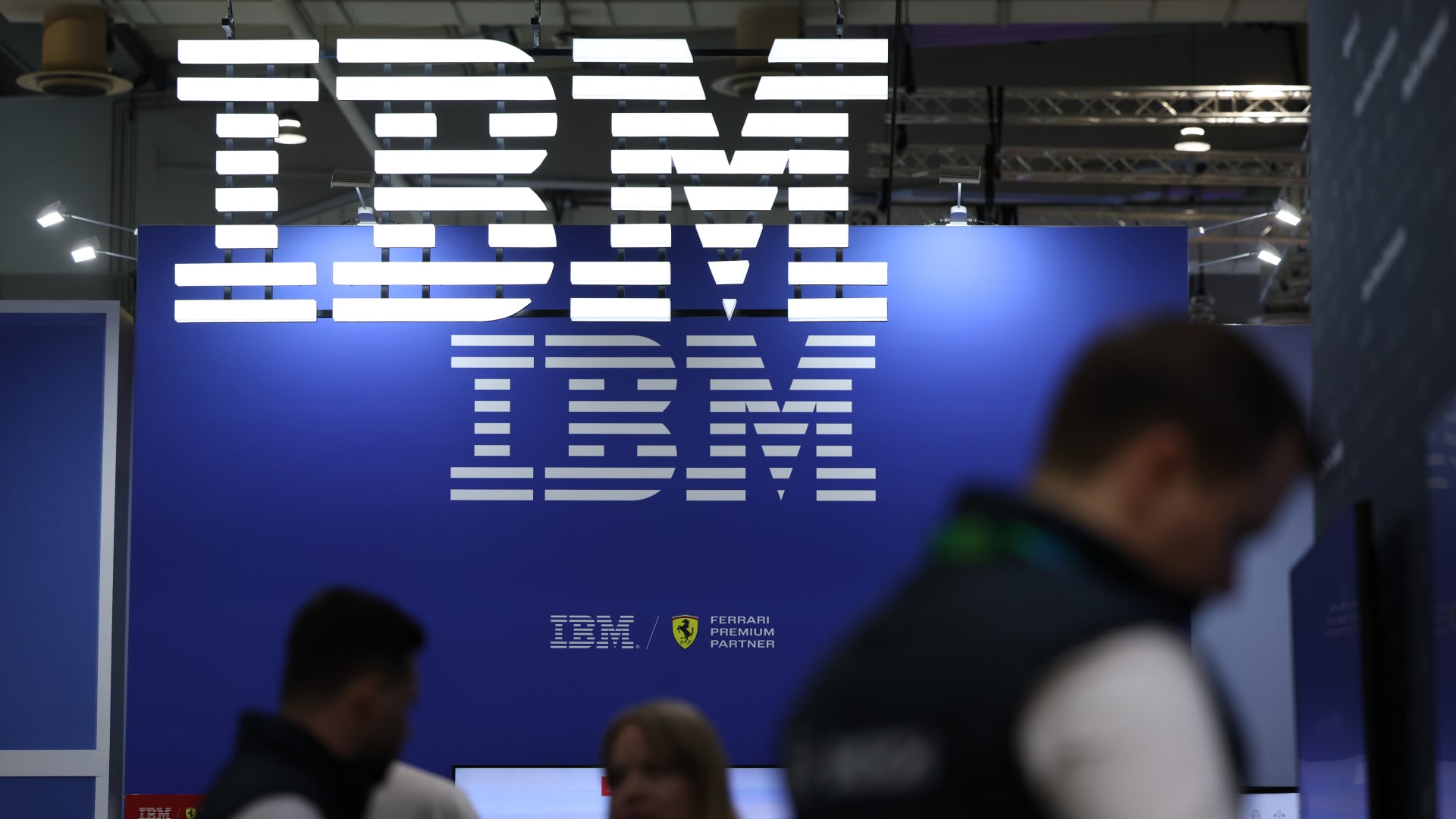
IBM's Quantum Computing Investment Seen as Promising by Barclays


- Upgraded Investment Rating: Barclays initiated coverage of IBM with an overweight rating and a 12-month price target of $350, indicating an 18% upside from last Friday's close, reflecting confidence in IBM's future in the quantum computing market.
- Stock Price Surge: IBM's stock rallied over 8% on Monday, showcasing positive market sentiment towards its quantum computing investments, which analysts believe could yield substantial returns for investors.
- Quantum Computing Investment Commitment: IBM has pledged to invest over $10 billion in quantum computing over the next five years, aiming to develop fault-tolerant quantum computers by 2029, highlighting its long-term strategic positioning in this cutting-edge technology.
- Significant Market Potential: The quantum computing market is projected to reach $1.4 billion by 2024, and with rapid technological advancements and investor interest, IBM, as an early mover, is well-positioned to lead in this emerging market.
See More

Broadcom's Earnings Report to Impact AI Chip Market

- Earnings Significance: Broadcom's earnings report is deemed more critical than any of the Magnificent Seven companies as it serves as a barometer for the rapidly changing custom AI chip market, particularly in training and inference, showcasing its influence in the semiconductor and infrastructure software sectors.
- AI Revenue Growth: Broadcom anticipates that 40% of its upcoming AI revenue will stem from networking rather than traditional chips, indicating the company's rapid growth in the AI networking space and the shifting market demands.
- Collaboration and Innovation: Partnering with Alphabet to design Google's Tensor Processing Units (TPUs), Broadcom emphasized the need for custom chips for AI inference and training during its earnings call, suggesting that XPUs will surpass GPU designs, driving the evolution of data centers.
- Long-term Investment Opportunity: With growth potential in AI chips and networking, alongside its legacy semiconductor and infrastructure software segments, Broadcom presents an excellent opportunity for long-term investors, and stakeholders should pay close attention to its June 3 earnings call for deep insights into industry trends.
See More

France Attracts €93 Billion in Foreign Investment at Choose France Summit


- Foreign Investment Scale: At the annual Choose France business summit, France announced 71 foreign investment projects worth €93 billion ($108.3 billion), expected to create over 15,600 jobs, highlighting France's attractiveness in the global investment landscape.
- AI Investment: SoftBank plans to develop and operate 5 GW of AI-dedicated data center capacity in France, with an initial investment of €45 billion, projected to create 8,600 construction jobs and 900 direct operating jobs by 2031, further solidifying France's leadership in AI infrastructure.
- Renewable Energy Investment: Portuguese utility EDP announced €1.3 billion in new investments in France by 2030, covering wind, solar, and battery storage, underscoring France's pivotal role in the renewable energy transition.
- Logistics and Retail Investment: Amazon announced a €400 million investment in France to build three new logistics centers, creating over 3,000 permanent jobs, further driving the growth of France's e-commerce and logistics sectors.
See More

Big Tech's Debt Surge Fuels AI Investment Ambitions


- Debt Financing Trend: Year-to-date, AI-related companies have issued approximately $140 billion in investment-grade bonds, accounting for 49% of total investment-grade issuance, indicating a growing reliance on debt financing that may impact future financial stability.
- High-Yield Bond Market: AI-related firms represent 38% of the high-yield corporate bond market with around $21 billion in issuance, suggesting an increasing market appetite for these companies despite the accompanying financial risks.
- Alphabet's Debt Innovation: Alphabet has become the first tech company in decades to issue a 100-year bond, raising $31.51 billion through a global bond offering in February, showcasing its strong market influence and demand for long-term financing.
- Capital Expenditure Plans: Google, Amazon, Microsoft, and Meta collectively plan to increase capital expenditures to $725 billion by 2026, a staggering 77% increase from last year's record of $410 billion, indicating a strong commitment to AI investments but potentially leading to higher debt burdens.
See More
Amazon's Satellite Broadband Service Rapidly Advancing
- Significant Business Growth: Amazon's first-quarter report reveals impressive growth, with triple-digit increases in its chips business and a 170% quarter-over-quarter rise in client spending on its Bedrock platform, indicating that its substantial investments are yielding significant returns and solidifying its market position.
- Satellite Broadband Progress: The company is launching its satellite broadband service, Amazon Leo, and although it currently has just over 250 satellites in orbit, Amazon plans 20 more launches this year to rapidly close the gap with competitors in this fast-growing market.
- Massive Market Opportunity: According to Grand View Research, the satellite broadband industry is projected to reach $35.7 billion by 2033, with a compound annual growth rate of 15.1%, providing Amazon with a new revenue stream and growth pathway in connectivity.
- Strategic Partnerships: Amazon has signed significant agreements with Delta Airlines for in-flight Wi-Fi and Apple for integration with iPhones and Apple Watches, enhancing its competitive edge in the satellite broadband market.
See More
Greg Abel's Strategic Moves in Berkshire's Portfolio
- New CEO Appointment: Greg Abel took over as CEO of Berkshire Hathaway in January 2026, marking a significant leadership change that is expected to influence the company's investment strategy and market performance.
- Portfolio Adjustments: Abel quickly made adjustments to the stock portfolio after taking office, demonstrating his keen insight into market dynamics, which could impact Berkshire's long-term returns.
- Positive Market Reaction: Based on morning stock prices from May 29, 2026, Abel's investment decisions have elicited a positive market response, potentially boosting investor confidence in Berkshire's future performance.
- Clear Strategic Direction: Abel's investment choices reflect a clear strategy for the company's future development, which may attract more investor attention to Berkshire's long-term growth potential.
See More
IBM's Quantum Computing Investment Seen as Promising by Barclays
- Upgraded Investment Rating: Barclays initiated coverage of IBM with an overweight rating and a 12-month price target of $350, indicating an 18% upside from last Friday's close, reflecting confidence in IBM's future in the quantum computing market.
- Stock Price Surge: IBM's stock rallied over 8% on Monday, showcasing positive market sentiment towards its quantum computing investments, which analysts believe could yield substantial returns for investors.
- Quantum Computing Investment Commitment: IBM has pledged to invest over $10 billion in quantum computing over the next five years, aiming to develop fault-tolerant quantum computers by 2029, highlighting its long-term strategic positioning in this cutting-edge technology.
- Significant Market Potential: The quantum computing market is projected to reach $1.4 billion by 2024, and with rapid technological advancements and investor interest, IBM, as an early mover, is well-positioned to lead in this emerging market.
See More
Broadcom's Earnings Report to Impact AI Chip Market
- Earnings Significance: Broadcom's earnings report is deemed more critical than any of the Magnificent Seven companies as it serves as a barometer for the rapidly changing custom AI chip market, particularly in training and inference, showcasing its influence in the semiconductor and infrastructure software sectors.
- AI Revenue Growth: Broadcom anticipates that 40% of its upcoming AI revenue will stem from networking rather than traditional chips, indicating the company's rapid growth in the AI networking space and the shifting market demands.
- Collaboration and Innovation: Partnering with Alphabet to design Google's Tensor Processing Units (TPUs), Broadcom emphasized the need for custom chips for AI inference and training during its earnings call, suggesting that XPUs will surpass GPU designs, driving the evolution of data centers.
- Long-term Investment Opportunity: With growth potential in AI chips and networking, alongside its legacy semiconductor and infrastructure software segments, Broadcom presents an excellent opportunity for long-term investors, and stakeholders should pay close attention to its June 3 earnings call for deep insights into industry trends.
See More
France Attracts €93 Billion in Foreign Investment at Choose France Summit
- Foreign Investment Scale: At the annual Choose France business summit, France announced 71 foreign investment projects worth €93 billion ($108.3 billion), expected to create over 15,600 jobs, highlighting France's attractiveness in the global investment landscape.
- AI Investment: SoftBank plans to develop and operate 5 GW of AI-dedicated data center capacity in France, with an initial investment of €45 billion, projected to create 8,600 construction jobs and 900 direct operating jobs by 2031, further solidifying France's leadership in AI infrastructure.
- Renewable Energy Investment: Portuguese utility EDP announced €1.3 billion in new investments in France by 2030, covering wind, solar, and battery storage, underscoring France's pivotal role in the renewable energy transition.
- Logistics and Retail Investment: Amazon announced a €400 million investment in France to build three new logistics centers, creating over 3,000 permanent jobs, further driving the growth of France's e-commerce and logistics sectors.
See More
Big Tech's Debt Surge Fuels AI Investment Ambitions
- Debt Financing Trend: Year-to-date, AI-related companies have issued approximately $140 billion in investment-grade bonds, accounting for 49% of total investment-grade issuance, indicating a growing reliance on debt financing that may impact future financial stability.
- High-Yield Bond Market: AI-related firms represent 38% of the high-yield corporate bond market with around $21 billion in issuance, suggesting an increasing market appetite for these companies despite the accompanying financial risks.
- Alphabet's Debt Innovation: Alphabet has become the first tech company in decades to issue a 100-year bond, raising $31.51 billion through a global bond offering in February, showcasing its strong market influence and demand for long-term financing.
- Capital Expenditure Plans: Google, Amazon, Microsoft, and Meta collectively plan to increase capital expenditures to $725 billion by 2026, a staggering 77% increase from last year's record of $410 billion, indicating a strong commitment to AI investments but potentially leading to higher debt burdens.
See More