Target's New CEO Pledges to Rebuild Trust with Customers and Employees
- New CEO Appointment: Target Corp has appointed insider Michael Fiddelke as the new CEO, replacing Brian Cornell, who was expected to retire, with Fiddelke pledging to rebuild trust with customers and employees.
- Trust Crisis: In his first town hall, Fiddelke stated that the company failed to clearly communicate its identity, leading to confusion among consumers and staff, particularly affecting trust among Black shoppers, necessitating immediate action to reconnect.
- Layoff Impact: Last year, Target announced the cutting of approximately 1,800 corporate roles, marking its first major layoffs in nearly a decade, reflecting the pressure the company faces in addressing sales slumps and the withdrawal from diversity initiatives.
- Market Challenges: Amid broad tariffs imposed by the Trump administration, Target has encountered boycotts and lawsuits related to its diversity, equity, and inclusion practices, highlighting the urgent need to reassess its market strategy to restore consumer confidence.
Trade with 70% Backtested Accuracy
Analyst Views on TGT

About TGT
About the author


Walmart Reaches $1 Trillion Market Cap Amid Valuation Concerns


- Milestone Achievement: Walmart's market cap has surged by 28% over the past year, reaching $1 trillion, making it one of the few non-tech stocks in this exclusive club, yet this high valuation raises concerns among investors about potential overvaluation.
- Valuation Comparison: Currently, Walmart's P/E ratio stands at 45, significantly higher than its five-year average of 35 and the S&P 500's average of 25, indicating that the market has high expectations for its future growth, which is only at 6%, making such a premium hard to justify.
- Limited Growth Potential: Despite Walmart's expansion in e-commerce and the acquisition of Vizio providing new opportunities for its advertising business, its growth rate remains in the single digits, prompting investors to carefully assess the sustainability of its high valuation.
- Investment Advice: Given Walmart's elevated valuation, analysts recommend avoiding the stock, suggesting that there are other retail investment options available that may offer better long-term returns, despite Walmart's strong business fundamentals.

Investor Confusion in AI Competition


- Investor Sentiment Shift: Following earnings calls from tech giants like Microsoft, Google, and Amazon, investor confusion about future directions led to Amazon losing over $300 billion in market cap, reflecting strong skepticism regarding its $200 billion AI investment plan.
- Capital Expenditure Comparison: Google announced an increase in capital expenditures to $175 billion to $185 billion, exceeding the expected $115 billion to $120 billion, indicating a proactive approach in AI despite challenges from slowing ad revenues.
- Changing Competitive Landscape: With Alphabet's ongoing investments and successes in AI, YouTube's user base has grown to 750 million, and Waymo's self-driving business is outpacing Tesla, suggesting a strengthening competitive advantage that may attract more investor interest.
- Mixed Market Reactions: Despite OpenAI and Anthropic's strong performance in AI, Microsoft's Copilot sales have been disappointing, highlighting investor concerns about its future growth and reflecting differing levels of confidence across companies.
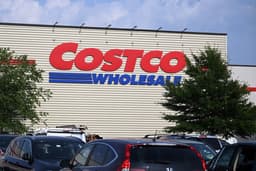
Costco Stock Rises 15% Despite High Valuation Concerns
- Stock Price Surge: Costco's stock has risen 15% since the beginning of the year despite a decline over the past 12 months, indicating market confidence in its future performance, although this increase is not driven by news.
- High Membership Renewal Rate: With a membership renewal rate around 92%, Costco demonstrates strong customer loyalty, which has historically attracted investors, including former shareholder Warren Buffett.
- Successful International Expansion: Costco has successfully expanded internationally, particularly in Europe and Asia, outperforming Walmart in these regions, thereby enlarging its addressable market and enhancing future growth potential.
- Valuation Concerns: Despite ongoing revenue and profit growth, Costco's P/E ratio has reached 52, significantly higher than its competitors, suggesting that the current stock price may be overvalued, leading investors to refrain from adding shares at this time.

Costco's Stock Price Surge: Analyzing the Drivers
- Stock Price Trend: Costco (COST) has seen a 15% increase in stock price since the beginning of the year, despite a decline in value over the past 12 months, aligning with the overall recovery trend in the retail sector alongside Walmart and Target.
- Stable Membership Renewal: With a membership renewal rate around 92%, Costco demonstrates high customer loyalty; despite slow growth, its revenue rose by 6% year-over-year in Q1, with net income reaching $2 billion, an 11% increase from the previous year.
- Successful International Expansion: Costco has successfully expanded into international markets, particularly in Europe and Asia, where Walmart has struggled with brick-and-mortar stores, thus providing Costco with a significantly larger addressable market.
- Valuation Risks Emerge: Although Costco is a high-quality company, its P/E ratio has reached 52, far exceeding Walmart and Target, leading analysts to suggest that investors should refrain from adding shares at this valuation level, indicating that the market has fully priced in expectations for future growth.

Jennifer Garner's Once Upon a Farm Sees Nearly 20% Increase as IPO Week Concludes


Jennifer Garner's Characters: Garner is known for her roles as Sidney Bristow in Alias and Elektra in Marvel films, where she faced tough adversaries.
Current Challenge: The actress is now dealing with the challenges posed by unpredictable investors in her entrepreneurial ventures.
Entrepreneurial Success: Despite the challenges, Garner appears to be successfully navigating the investment landscape.
Transition from Acting to Business: Garner's shift from acting to entrepreneurship highlights her versatility and determination in facing new challenges.
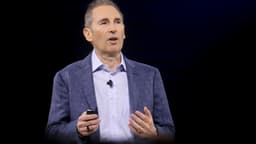
Amazon's $200 Billion Capex Plan Triggers Stock Plunge

- Capex Announcement: Amazon's announcement of a $200 billion capital expenditure plan for 2026, significantly above the $146.6 billion forecasted by analysts, has raised concerns about the company's ability to monetize these investments quickly, leading to a nearly 11% drop in after-hours trading.
- Earnings Highlights: In Q4 2025, Amazon reported a 14% year-over-year revenue increase to $213.39 billion, surpassing expectations of $211.33 billion; however, earnings per share of $1.95 fell short of the $1.97 estimate, indicating pressure on profitability.
- Cloud Business Performance: Amazon Web Services (AWS) revenue grew 23.6% year-over-year to $35.58 billion, exceeding estimates by $514 million, and while operating margins declined by 190 basis points to 35.03%, they still outperformed the consensus estimate of 33.98%, showcasing strong growth potential in the cloud segment.
- Future Guidance: Although Amazon expects Q1 2026 net sales to rise 11% to 15%, reaching between $173.5 billion and $178.5 billion, the projected operating income of $16 billion to $21.5 billion falls significantly short of the $22.18 billion consensus, reflecting market caution regarding its future profitability.
Walmart Reaches $1 Trillion Market Cap Amid Valuation Concerns
- Milestone Achievement: Walmart's market cap has surged by 28% over the past year, reaching $1 trillion, making it one of the few non-tech stocks in this exclusive club, yet this high valuation raises concerns among investors about potential overvaluation.
- Valuation Comparison: Currently, Walmart's P/E ratio stands at 45, significantly higher than its five-year average of 35 and the S&P 500's average of 25, indicating that the market has high expectations for its future growth, which is only at 6%, making such a premium hard to justify.
- Limited Growth Potential: Despite Walmart's expansion in e-commerce and the acquisition of Vizio providing new opportunities for its advertising business, its growth rate remains in the single digits, prompting investors to carefully assess the sustainability of its high valuation.
- Investment Advice: Given Walmart's elevated valuation, analysts recommend avoiding the stock, suggesting that there are other retail investment options available that may offer better long-term returns, despite Walmart's strong business fundamentals.
Investor Confusion in AI Competition
- Investor Sentiment Shift: Following earnings calls from tech giants like Microsoft, Google, and Amazon, investor confusion about future directions led to Amazon losing over $300 billion in market cap, reflecting strong skepticism regarding its $200 billion AI investment plan.
- Capital Expenditure Comparison: Google announced an increase in capital expenditures to $175 billion to $185 billion, exceeding the expected $115 billion to $120 billion, indicating a proactive approach in AI despite challenges from slowing ad revenues.
- Changing Competitive Landscape: With Alphabet's ongoing investments and successes in AI, YouTube's user base has grown to 750 million, and Waymo's self-driving business is outpacing Tesla, suggesting a strengthening competitive advantage that may attract more investor interest.
- Mixed Market Reactions: Despite OpenAI and Anthropic's strong performance in AI, Microsoft's Copilot sales have been disappointing, highlighting investor concerns about its future growth and reflecting differing levels of confidence across companies.
Costco Stock Rises 15% Despite High Valuation Concerns
- Stock Price Surge: Costco's stock has risen 15% since the beginning of the year despite a decline over the past 12 months, indicating market confidence in its future performance, although this increase is not driven by news.
- High Membership Renewal Rate: With a membership renewal rate around 92%, Costco demonstrates strong customer loyalty, which has historically attracted investors, including former shareholder Warren Buffett.
- Successful International Expansion: Costco has successfully expanded internationally, particularly in Europe and Asia, outperforming Walmart in these regions, thereby enlarging its addressable market and enhancing future growth potential.
- Valuation Concerns: Despite ongoing revenue and profit growth, Costco's P/E ratio has reached 52, significantly higher than its competitors, suggesting that the current stock price may be overvalued, leading investors to refrain from adding shares at this time.
Costco's Stock Price Surge: Analyzing the Drivers
- Stock Price Trend: Costco (COST) has seen a 15% increase in stock price since the beginning of the year, despite a decline in value over the past 12 months, aligning with the overall recovery trend in the retail sector alongside Walmart and Target.
- Stable Membership Renewal: With a membership renewal rate around 92%, Costco demonstrates high customer loyalty; despite slow growth, its revenue rose by 6% year-over-year in Q1, with net income reaching $2 billion, an 11% increase from the previous year.
- Successful International Expansion: Costco has successfully expanded into international markets, particularly in Europe and Asia, where Walmart has struggled with brick-and-mortar stores, thus providing Costco with a significantly larger addressable market.
- Valuation Risks Emerge: Although Costco is a high-quality company, its P/E ratio has reached 52, far exceeding Walmart and Target, leading analysts to suggest that investors should refrain from adding shares at this valuation level, indicating that the market has fully priced in expectations for future growth.
Jennifer Garner's Once Upon a Farm Sees Nearly 20% Increase as IPO Week Concludes
Jennifer Garner's Characters: Garner is known for her roles as Sidney Bristow in Alias and Elektra in Marvel films, where she faced tough adversaries.
Current Challenge: The actress is now dealing with the challenges posed by unpredictable investors in her entrepreneurial ventures.
Entrepreneurial Success: Despite the challenges, Garner appears to be successfully navigating the investment landscape.
Transition from Acting to Business: Garner's shift from acting to entrepreneurship highlights her versatility and determination in facing new challenges.
Amazon's $200 Billion Capex Plan Triggers Stock Plunge
- Capex Announcement: Amazon's announcement of a $200 billion capital expenditure plan for 2026, significantly above the $146.6 billion forecasted by analysts, has raised concerns about the company's ability to monetize these investments quickly, leading to a nearly 11% drop in after-hours trading.
- Earnings Highlights: In Q4 2025, Amazon reported a 14% year-over-year revenue increase to $213.39 billion, surpassing expectations of $211.33 billion; however, earnings per share of $1.95 fell short of the $1.97 estimate, indicating pressure on profitability.
- Cloud Business Performance: Amazon Web Services (AWS) revenue grew 23.6% year-over-year to $35.58 billion, exceeding estimates by $514 million, and while operating margins declined by 190 basis points to 35.03%, they still outperformed the consensus estimate of 33.98%, showcasing strong growth potential in the cloud segment.
- Future Guidance: Although Amazon expects Q1 2026 net sales to rise 11% to 15%, reaching between $173.5 billion and $178.5 billion, the projected operating income of $16 billion to $21.5 billion falls significantly short of the $22.18 billion consensus, reflecting market caution regarding its future profitability.