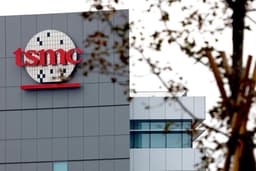
Taiwan Semiconductor: A Leader in Global Semiconductor Innovation

- Global Investment Opportunities: While U.S. investors often focus on domestic companies, the rapid advancement of AI globally highlights the importance of overseas investment opportunities, particularly with Taiwan Semiconductor's pivotal role in the global semiconductor market.
- Founder's Background: Founder Morris Chang joined Texas Instruments in 1958 and, after a 25-year career, played a crucial role in semiconductor development, ultimately founding Taiwan Semiconductor in 1987, marking the rise of Taiwan's semiconductor industry.
- Business Model Innovation: Taiwan Semiconductor's pure-play foundry model allows multiple clients to design chips, enhancing production efficiency and gaining a competitive edge, enabling design companies to focus on innovation rather than manufacturing.
- Strong Financial Performance: With a current market cap of $1.9 trillion and a gross margin of 59.02%, Taiwan Semiconductor's profitability continues to grow, driven by long-term trends like digital transformation and AI, making it an attractive investment for investors.
Trade with 70% Backtested Accuracy
Analyst Views on TSM

About TSM
About the author

Investment Opportunities in TSMC and Meta Platforms


- TSMC's Market Leadership: As the world's leading semiconductor manufacturer, TSMC's monopoly in advanced chip manufacturing positions it for over 50% annual AI growth in the coming years, significantly enhancing its market share and revenue visibility.
- Strong Profitability: TSMC boasts a gross margin of 59.02% and a dividend yield of 0.83%, demonstrating robust profitability and stable cash flow, which further solidifies its investment appeal.
- Meta's AI Applications: Meta enhances its recommendation engine through AI, driving user engagement and resulting in an 18% surge in ad impressions last quarter, which not only improves user experience but also lays the groundwork for revenue growth.
- Rising Ad Prices: Meta's ad prices increased by 6% in Q4 2025, reflecting the success of its AI tools in helping advertisers improve campaign effectiveness, thereby strengthening the company's market competitiveness and profitability.

The Unseen Supply Chain Driving the AI Surge—And 4 Investment Strategies to Consider

AI's Impact on Semiconductor Industry: The demand for advanced AI technologies has significantly driven investments in semiconductor companies, particularly those specializing in chip design and manufacturing, which are essential for powering large language models.
Role of Nanotechnology: Nanotechnology is highlighted as a critical foundation for modern AI hardware, enabling the production of chips with extremely small transistors, which are vital for the performance of AI applications.
Market Dynamics and Growth: The semiconductor industry is projected to reach a $1 trillion market, largely fueled by AI demand, but this growth is contingent on the ability to refine chip architectures at the atomic level.
Investment Opportunities: Investors are encouraged to consider companies involved in the semiconductor supply chain, particularly those specializing in nanotechnology and advanced manufacturing processes, as they are positioned to benefit from the ongoing AI boom.

Taiwan Semiconductor: A Leader in Global Semiconductor Innovation

- Global Investment Opportunities: While U.S. investors often focus on domestic companies, the rapid advancement of AI globally highlights the importance of overseas investment opportunities, particularly with Taiwan Semiconductor's pivotal role in the global semiconductor market.
- Founder's Background: Founder Morris Chang joined Texas Instruments in 1958 and, after a 25-year career, played a crucial role in semiconductor development, ultimately founding Taiwan Semiconductor in 1987, marking the rise of Taiwan's semiconductor industry.
- Business Model Innovation: Taiwan Semiconductor's pure-play foundry model allows multiple clients to design chips, enhancing production efficiency and gaining a competitive edge, enabling design companies to focus on innovation rather than manufacturing.
- Strong Financial Performance: With a current market cap of $1.9 trillion and a gross margin of 59.02%, Taiwan Semiconductor's profitability continues to grow, driven by long-term trends like digital transformation and AI, making it an attractive investment for investors.

David Tepper Adjusts Portfolio Focus on AI Infrastructure


- Portfolio Adjustment: David Tepper trimmed his stakes in Nvidia and AMD by over 10% and two-thirds respectively in Q4, indicating a cautious stance on the AI chip market while still keeping Nvidia as his seventh-largest position.
- Memory Market Bet: He tripled his position in Micron Technology, capitalizing on the current DRAM supercycle characterized by high demand and short supply, thereby enhancing potential returns from investments in AI infrastructure.
- Hyperscaler Investments: Tepper increased his stake in Alphabet by nearly 30%, making it his second-largest holding, benefiting from Alphabet's rapid growth in cloud computing and proprietary AI chips, which provide a competitive edge in the AI sector.
- Investments in Meta and Microsoft: He raised his holdings in Meta by over 60%, reflecting confidence in its AI-driven growth, while also increasing his investment in Microsoft, anticipating strong growth from Azure and its commitments with OpenAI over the coming years.

David Tepper Adjusts Investment Portfolio in AI Stocks
- Chip Stock Reductions: David Tepper trimmed his Nvidia (NVDA) stake by over 10% and slashed his AMD position by two-thirds in Q4, indicating a cautious stance on the AI chip market, even though Nvidia remains his seventh-largest holding.
- Increased Memory Investments: Tepper tripled his investment in Micron Technology (MU), capitalizing on the current DRAM supercycle characterized by high demand and supply shortages, thereby enhancing the resilience of his portfolio.
- Hyperscaler Investments: He increased his stake in Alphabet (GOOGL) by nearly 30%, making it his second-largest holding, benefiting from the rapid growth of Alphabet's cloud computing unit and the cost advantages of its proprietary AI chips, reflecting confidence in future growth.
- Investments in Meta and Microsoft: Tepper raised his position in Meta Platforms (META) by over 60% and increased Microsoft (MSFT) shares by 8%, with both companies excelling in AI, suggesting a strong outlook for revenue growth driven by AI infrastructure.

Meta and TSMC: Winners of the AI Era
- Meta User Growth: Meta Platforms has seen a 7% year-over-year increase in daily active users, reaching 3.58 billion, indicating strong appeal of its social media apps, which is expected to further drive advertising revenue growth.
- AI Investment Outlook: Meta plans to invest up to $135 billion in capital expenditures in 2026; despite the substantial spending, the ongoing growth of its core business should provide investors with significant returns.
- TSMC Market Share: Taiwan Semiconductor has captured approximately 72% of the global foundry market, bolstered by its partnership with Nvidia, which holds around 80% of the AI data center chip market, driving TSMC's sustained growth.
- Data Center Spending: According to McKinsey, global data center spending could reach $6.7 trillion by 2030, indicating that the AI boom is far from over, with analysts estimating TSMC's earnings growth rate to be 30% annually over the next three to five years.
Investment Opportunities in TSMC and Meta Platforms
- TSMC's Market Leadership: As the world's leading semiconductor manufacturer, TSMC's monopoly in advanced chip manufacturing positions it for over 50% annual AI growth in the coming years, significantly enhancing its market share and revenue visibility.
- Strong Profitability: TSMC boasts a gross margin of 59.02% and a dividend yield of 0.83%, demonstrating robust profitability and stable cash flow, which further solidifies its investment appeal.
- Meta's AI Applications: Meta enhances its recommendation engine through AI, driving user engagement and resulting in an 18% surge in ad impressions last quarter, which not only improves user experience but also lays the groundwork for revenue growth.
- Rising Ad Prices: Meta's ad prices increased by 6% in Q4 2025, reflecting the success of its AI tools in helping advertisers improve campaign effectiveness, thereby strengthening the company's market competitiveness and profitability.
The Unseen Supply Chain Driving the AI Surge—And 4 Investment Strategies to Consider
AI's Impact on Semiconductor Industry: The demand for advanced AI technologies has significantly driven investments in semiconductor companies, particularly those specializing in chip design and manufacturing, which are essential for powering large language models.
Role of Nanotechnology: Nanotechnology is highlighted as a critical foundation for modern AI hardware, enabling the production of chips with extremely small transistors, which are vital for the performance of AI applications.
Market Dynamics and Growth: The semiconductor industry is projected to reach a $1 trillion market, largely fueled by AI demand, but this growth is contingent on the ability to refine chip architectures at the atomic level.
Investment Opportunities: Investors are encouraged to consider companies involved in the semiconductor supply chain, particularly those specializing in nanotechnology and advanced manufacturing processes, as they are positioned to benefit from the ongoing AI boom.
Taiwan Semiconductor: A Leader in Global Semiconductor Innovation
- Global Investment Opportunities: While U.S. investors often focus on domestic companies, the rapid advancement of AI globally highlights the importance of overseas investment opportunities, particularly with Taiwan Semiconductor's pivotal role in the global semiconductor market.
- Founder's Background: Founder Morris Chang joined Texas Instruments in 1958 and, after a 25-year career, played a crucial role in semiconductor development, ultimately founding Taiwan Semiconductor in 1987, marking the rise of Taiwan's semiconductor industry.
- Business Model Innovation: Taiwan Semiconductor's pure-play foundry model allows multiple clients to design chips, enhancing production efficiency and gaining a competitive edge, enabling design companies to focus on innovation rather than manufacturing.
- Strong Financial Performance: With a current market cap of $1.9 trillion and a gross margin of 59.02%, Taiwan Semiconductor's profitability continues to grow, driven by long-term trends like digital transformation and AI, making it an attractive investment for investors.
David Tepper Adjusts Portfolio Focus on AI Infrastructure
- Portfolio Adjustment: David Tepper trimmed his stakes in Nvidia and AMD by over 10% and two-thirds respectively in Q4, indicating a cautious stance on the AI chip market while still keeping Nvidia as his seventh-largest position.
- Memory Market Bet: He tripled his position in Micron Technology, capitalizing on the current DRAM supercycle characterized by high demand and short supply, thereby enhancing potential returns from investments in AI infrastructure.
- Hyperscaler Investments: Tepper increased his stake in Alphabet by nearly 30%, making it his second-largest holding, benefiting from Alphabet's rapid growth in cloud computing and proprietary AI chips, which provide a competitive edge in the AI sector.
- Investments in Meta and Microsoft: He raised his holdings in Meta by over 60%, reflecting confidence in its AI-driven growth, while also increasing his investment in Microsoft, anticipating strong growth from Azure and its commitments with OpenAI over the coming years.
David Tepper Adjusts Investment Portfolio in AI Stocks
- Chip Stock Reductions: David Tepper trimmed his Nvidia (NVDA) stake by over 10% and slashed his AMD position by two-thirds in Q4, indicating a cautious stance on the AI chip market, even though Nvidia remains his seventh-largest holding.
- Increased Memory Investments: Tepper tripled his investment in Micron Technology (MU), capitalizing on the current DRAM supercycle characterized by high demand and supply shortages, thereby enhancing the resilience of his portfolio.
- Hyperscaler Investments: He increased his stake in Alphabet (GOOGL) by nearly 30%, making it his second-largest holding, benefiting from the rapid growth of Alphabet's cloud computing unit and the cost advantages of its proprietary AI chips, reflecting confidence in future growth.
- Investments in Meta and Microsoft: Tepper raised his position in Meta Platforms (META) by over 60% and increased Microsoft (MSFT) shares by 8%, with both companies excelling in AI, suggesting a strong outlook for revenue growth driven by AI infrastructure.
Meta and TSMC: Winners of the AI Era
- Meta User Growth: Meta Platforms has seen a 7% year-over-year increase in daily active users, reaching 3.58 billion, indicating strong appeal of its social media apps, which is expected to further drive advertising revenue growth.
- AI Investment Outlook: Meta plans to invest up to $135 billion in capital expenditures in 2026; despite the substantial spending, the ongoing growth of its core business should provide investors with significant returns.
- TSMC Market Share: Taiwan Semiconductor has captured approximately 72% of the global foundry market, bolstered by its partnership with Nvidia, which holds around 80% of the AI data center chip market, driving TSMC's sustained growth.
- Data Center Spending: According to McKinsey, global data center spending could reach $6.7 trillion by 2030, indicating that the AI boom is far from over, with analysts estimating TSMC's earnings growth rate to be 30% annually over the next three to five years.