Surge in Options Volume for MSG Entertainment and Constellation Energy
Written by Emily J. Thompson, Senior Investment Analyst
Updated: Apr 24 2026
0mins


Source: NASDAQ.COM
- MSGE Options Activity: Today, Madison Square Garden Entertainment Corp (MSGE) options volume reached 1,952 contracts, representing approximately 195,200 shares, which constitutes 67.8% of its average daily trading volume, indicating heightened market interest in the company's future performance.
- High Volume Put Options: Within MSGE, the $55 strike put option has seen particularly high activity with 1,946 contracts traded today, equating to about 194,600 shares, reflecting investor expectations of potential price declines.
- CEG Options Activity: Concurrently, Constellation Energy Corp (CEG) options volume hit 19,634 contracts, representing approximately 2.0 million shares, which is 67.5% of its average daily trading volume, showcasing strong market interest in the stock.
- High Volume Call Options: For CEG, the $300 strike call option has recorded 835 contracts traded today, amounting to around 83,500 shares, indicating investor confidence in the stock's future upward movement.
Trade with 70% Backtested Accuracy
Stop guessing "Should I Buy GM?" and start using high-conviction signals backed by rigorous historical data.
Sign up today to access powerful investing tools and make smarter, data-driven decisions.
Analyst Views on GM
Wall Street analysts forecast GM stock price to rise
19 Analyst Rating
14 Buy
4 Hold
1 Sell
Moderate Buy
Current: 83.220

Low
57.00
Averages
95.06
High
122.00
Current: 83.220
Low
57.00
Averages
95.06
High
122.00
About GM
General Motors Company designs, builds and sells trucks, crossovers, cars and automobile parts and provides software-enabled services and subscriptions worldwide. The Company's segments include GMNA, GMI and GM Financial. Its GM North America (GMNA) and GM International (GMI) segment develop, manufacture and/or markets vehicles under the Buick, Cadillac, Chevrolet and GMC brands. The Company's GM Financial segment provides automotive financing and related services. The Company is also focused on investing in electric vehicles (EVs) and autonomous vehicles (Avs), software-enabled services and subscriptions and new business opportunities. The Company's portfolio includes OnStar, GM Energy, GM Insurance, GM Genuine Parts, and the GM Company Store. Its OnStar portfolio offers safety, connectivity and hands-free driver assistance technologies. Its GM Energy provides Home EV Charging, Public EV Charging, Vehicle-To-Home and Energy Storage services.
About the author

Emily J. Thompson
Emily J. Thompson, a Chartered Financial Analyst (CFA) with 12 years in investment research, graduated with honors from the Wharton School. Specializing in industrial and technology stocks, she provides in-depth analysis for Intellectia’s earnings and market brief reports.
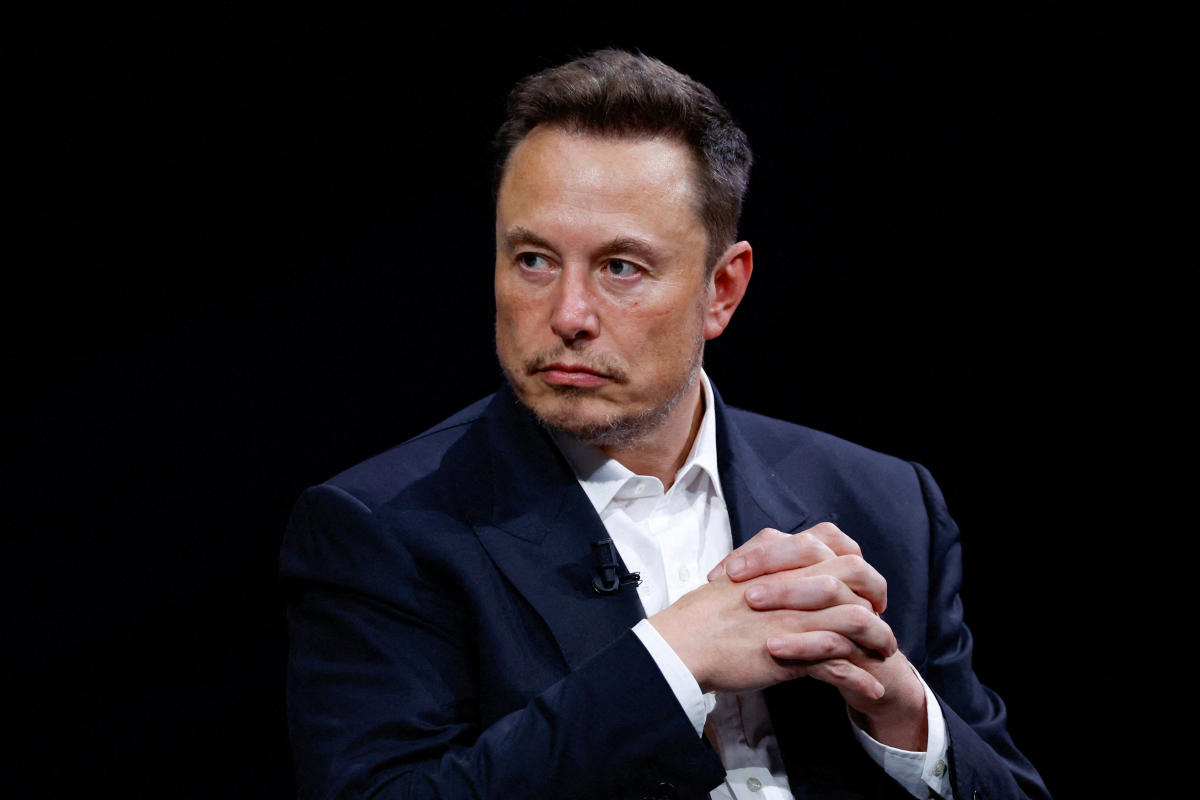
SpaceX IPO Could Alter Tesla's Valuation Landscape


- Tesla Delivery Volume: In 2025, Tesla delivered approximately 1.6 million electric vehicles, making it one of the largest EV manufacturers globally, yet its price-to-sales ratio of 15.6 starkly contrasts with General Motors' 0.4, highlighting a unique valuation logic among investors.
- Market Competition Pressure: As Tesla faces increasing competition from Chinese automakers, declining sales, and margin pressures, a potential SpaceX IPO could shift investor psychology and alter Tesla's valuation framework significantly.
- Investor Psychology Shift: The public listing of SpaceX would provide investors with another Musk-led company for direct comparison, potentially leading to more cautious future growth expectations for Tesla, especially as it needs to demonstrate its execution capabilities.
- Long-term Strategic Advantages: Despite facing challenges, Tesla retains global manufacturing scale and robust data collection capabilities, and if autonomous driving technology succeeds, it could unlock high-margin new businesses, suggesting investors should not rush to sell their shares.
See More

SpaceX IPO Could Reshape Tesla Valuation
- Tesla Delivery Figures: In 2025, Tesla delivered approximately 1.6 million vehicles, establishing itself as one of the largest EV manufacturers globally, yet its price-to-sales ratio of 15.6 significantly exceeds General Motors' 0.4, indicating a unique valuation perspective from investors.
- Market Competition Pressure: Tesla faces declining EV sales and margin pressures amid rising competition from Chinese automakers, with ongoing uncertainty regarding autonomous driving timelines, which could impact its market performance.
- Impact of SpaceX IPO: The potential SpaceX IPO could alter investor perceptions of Tesla by providing another Musk-led company for direct comparison, potentially affecting Tesla's valuation framework for the first time.
- Long-term Strategic Advantages: Despite challenges, Tesla retains significant long-term advantages in global manufacturing and real-world data collection, and if autonomous driving succeeds, it could unlock entirely new high-margin businesses, sustaining its market position.
See More

SpaceX IPO Imminent, Set to Raise Record $75 Billion


- Record-Breaking Fundraising: SpaceX aims to raise $75 billion by selling 555.6 million shares at $135 each, which would result in a corporate valuation of $1.75 trillion, marking the largest IPO in history and showcasing the company's robust performance in capital markets.
- Elevated Market Position: Upon successful listing, SpaceX would become the ninth largest publicly traded company globally, just behind Broadcom and ahead of Elon Musk's other venture, Tesla, highlighting its leadership and market recognition in the aerospace sector.
- High Investor Expectations: The market is rife with anticipation for SpaceX's IPO, particularly given its successful rocket launches and satellite deployments, with investors generally optimistic about its future growth potential, likely attracting significant capital inflows.
- Historical Comparison Analysis: SpaceX's IPO is set to surpass previous U.S. public offerings, such as Uber and Alibaba, which raised $8.1 billion and $25 billion respectively, underscoring SpaceX's unique position and investment appeal in the market.
See More

SpaceX IPO Imminent, Set to Break Fundraising Records
- Record Fundraising: SpaceX aims to raise $75 billion by selling 555.6 million shares at $135 each, projecting a corporate valuation of $1.75 trillion, which would mark the largest IPO in history, underscoring the company's robust position in the global market.
- Significant Market Impact: If successful, SpaceX will become the ninth largest publicly traded company globally, surpassing Broadcom and just behind Elon Musk's Tesla, highlighting its leadership in the aerospace and technology sectors.
- Historical Context: Prior record-setting IPOs from companies like Uber, Rivian, and Alibaba have shown that despite initial stock price volatility, early investors often realized substantial returns, reflecting sustained market interest in high-tech firms.
- High Investor Expectations: As the SpaceX IPO approaches, market anticipation is soaring, particularly against the backdrop of rapid advancements in artificial intelligence and aerospace technology, with investors generally optimistic about its long-term growth potential.
See More

Chinese EV Expansion into U.S. Market Gains Momentum

- Market Expansion Strategy: Chinese electric vehicles are aggressively expanding their footprint across Europe, the U.K., Asia, and Australia, with exports reaching millions, showcasing strong competitiveness in the global EV market, particularly with potential opportunities in the U.S.
- Challenges in U.S. Market: Despite facing tariffs as high as 125% and stringent regulations, the likelihood of Chinese EVs entering the U.S. market in the coming years is increasing, especially through localized manufacturing in joint ventures.
- Competitive Pressure on Industry: Traditional U.S. automakers like GM and Ford are struggling with the transition to electric vehicles, as they remain focused on internal combustion engine cars, which may lead to further erosion of their market share as China rapidly advances in the EV sector.
- Future Collaboration Opportunities: As Chinese EVs gradually penetrate the North American market, U.S. automakers are expected to seek partnerships with Chinese companies to address competitive pressures and maintain relevance, particularly in EV technology and production capabilities.
See More

Analysis of Chinese EV Market Prospects in the U.S.
- Market Expansion Potential: China is projected to produce 16 million electric vehicles in 2025, exceeding domestic demand by 20%, which will double exports to 2.5 million units, highlighting China's dominance in the global EV market.
- U.S. Market Challenges: Despite import restrictions on Chinese EVs, sales in Mexico and Canada account for 25% of total sales, paving the way for potential future entry into the U.S. market.
- Collaboration Opportunities: U.S. automakers like Ford and GM are forming partnerships with Chinese companies, with Ford's negotiations with Geely indicating American interest in Chinese EVs, which could enhance technology sharing and competitiveness.
- Policy Barriers and Opportunities: While Congress has proposed a ban on Chinese vehicles, experts believe that future joint ventures and localized production could still allow for the legal sale of Chinese EVs in the U.S.
See More
SpaceX IPO Could Alter Tesla's Valuation Landscape
- Tesla Delivery Volume: In 2025, Tesla delivered approximately 1.6 million electric vehicles, making it one of the largest EV manufacturers globally, yet its price-to-sales ratio of 15.6 starkly contrasts with General Motors' 0.4, highlighting a unique valuation logic among investors.
- Market Competition Pressure: As Tesla faces increasing competition from Chinese automakers, declining sales, and margin pressures, a potential SpaceX IPO could shift investor psychology and alter Tesla's valuation framework significantly.
- Investor Psychology Shift: The public listing of SpaceX would provide investors with another Musk-led company for direct comparison, potentially leading to more cautious future growth expectations for Tesla, especially as it needs to demonstrate its execution capabilities.
- Long-term Strategic Advantages: Despite facing challenges, Tesla retains global manufacturing scale and robust data collection capabilities, and if autonomous driving technology succeeds, it could unlock high-margin new businesses, suggesting investors should not rush to sell their shares.
See More
SpaceX IPO Could Reshape Tesla Valuation
- Tesla Delivery Figures: In 2025, Tesla delivered approximately 1.6 million vehicles, establishing itself as one of the largest EV manufacturers globally, yet its price-to-sales ratio of 15.6 significantly exceeds General Motors' 0.4, indicating a unique valuation perspective from investors.
- Market Competition Pressure: Tesla faces declining EV sales and margin pressures amid rising competition from Chinese automakers, with ongoing uncertainty regarding autonomous driving timelines, which could impact its market performance.
- Impact of SpaceX IPO: The potential SpaceX IPO could alter investor perceptions of Tesla by providing another Musk-led company for direct comparison, potentially affecting Tesla's valuation framework for the first time.
- Long-term Strategic Advantages: Despite challenges, Tesla retains significant long-term advantages in global manufacturing and real-world data collection, and if autonomous driving succeeds, it could unlock entirely new high-margin businesses, sustaining its market position.
See More
SpaceX IPO Imminent, Set to Raise Record $75 Billion
- Record-Breaking Fundraising: SpaceX aims to raise $75 billion by selling 555.6 million shares at $135 each, which would result in a corporate valuation of $1.75 trillion, marking the largest IPO in history and showcasing the company's robust performance in capital markets.
- Elevated Market Position: Upon successful listing, SpaceX would become the ninth largest publicly traded company globally, just behind Broadcom and ahead of Elon Musk's other venture, Tesla, highlighting its leadership and market recognition in the aerospace sector.
- High Investor Expectations: The market is rife with anticipation for SpaceX's IPO, particularly given its successful rocket launches and satellite deployments, with investors generally optimistic about its future growth potential, likely attracting significant capital inflows.
- Historical Comparison Analysis: SpaceX's IPO is set to surpass previous U.S. public offerings, such as Uber and Alibaba, which raised $8.1 billion and $25 billion respectively, underscoring SpaceX's unique position and investment appeal in the market.
See More
SpaceX IPO Imminent, Set to Break Fundraising Records
- Record Fundraising: SpaceX aims to raise $75 billion by selling 555.6 million shares at $135 each, projecting a corporate valuation of $1.75 trillion, which would mark the largest IPO in history, underscoring the company's robust position in the global market.
- Significant Market Impact: If successful, SpaceX will become the ninth largest publicly traded company globally, surpassing Broadcom and just behind Elon Musk's Tesla, highlighting its leadership in the aerospace and technology sectors.
- Historical Context: Prior record-setting IPOs from companies like Uber, Rivian, and Alibaba have shown that despite initial stock price volatility, early investors often realized substantial returns, reflecting sustained market interest in high-tech firms.
- High Investor Expectations: As the SpaceX IPO approaches, market anticipation is soaring, particularly against the backdrop of rapid advancements in artificial intelligence and aerospace technology, with investors generally optimistic about its long-term growth potential.
See More
Chinese EV Expansion into U.S. Market Gains Momentum
- Market Expansion Strategy: Chinese electric vehicles are aggressively expanding their footprint across Europe, the U.K., Asia, and Australia, with exports reaching millions, showcasing strong competitiveness in the global EV market, particularly with potential opportunities in the U.S.
- Challenges in U.S. Market: Despite facing tariffs as high as 125% and stringent regulations, the likelihood of Chinese EVs entering the U.S. market in the coming years is increasing, especially through localized manufacturing in joint ventures.
- Competitive Pressure on Industry: Traditional U.S. automakers like GM and Ford are struggling with the transition to electric vehicles, as they remain focused on internal combustion engine cars, which may lead to further erosion of their market share as China rapidly advances in the EV sector.
- Future Collaboration Opportunities: As Chinese EVs gradually penetrate the North American market, U.S. automakers are expected to seek partnerships with Chinese companies to address competitive pressures and maintain relevance, particularly in EV technology and production capabilities.
See More
Analysis of Chinese EV Market Prospects in the U.S.
- Market Expansion Potential: China is projected to produce 16 million electric vehicles in 2025, exceeding domestic demand by 20%, which will double exports to 2.5 million units, highlighting China's dominance in the global EV market.
- U.S. Market Challenges: Despite import restrictions on Chinese EVs, sales in Mexico and Canada account for 25% of total sales, paving the way for potential future entry into the U.S. market.
- Collaboration Opportunities: U.S. automakers like Ford and GM are forming partnerships with Chinese companies, with Ford's negotiations with Geely indicating American interest in Chinese EVs, which could enhance technology sharing and competitiveness.
- Policy Barriers and Opportunities: While Congress has proposed a ban on Chinese vehicles, experts believe that future joint ventures and localized production could still allow for the legal sale of Chinese EVs in the U.S.
See More