Surge in AI Memory Demand to Drive Prices Up Over 100%
Written by Emily J. Thompson, Senior Investment Analyst
Updated: Mar 23 2026
0mins

Source: seekingalpha
- Memory Price Surge: Wedbush analysts predict that the prices of DRAM and NAND memory will increase by 130% to 150% in Q1 2025 due to surging demand for AI infrastructure, significantly enhancing the profitability of memory manufacturers.
- Strong Market Demand: Nvidia CEO Jensen Huang indicated at GTC that revenue demand from its Blackwell and Rubin systems is expected to reach $1 trillion, suggesting sustained strong procurement of components for AI hardware, which will further boost market performance for related companies.
- Diverging Industry Trends: Despite a 4% rise in the Taiwan tech composite in February, Wedbush noted a growing pessimism regarding the outlook for PCs and handsets, with year-over-year declines expected to trend towards -20%, particularly for Taiwanese PC OEMs.
- Supply Chain Challenges: Wedbush believes that the memory supply shortfall will lead HDD vendors to price future contracts more aggressively, reflecting strong market demand for memory and the tight supply chain dynamics that will further impact overall market conditions.
Trade with 70% Backtested Accuracy
Stop guessing "Should I Buy MU?" and start using high-conviction signals backed by rigorous historical data.
Sign up today to access powerful investing tools and make smarter, data-driven decisions.
Analyst Views on MU
Wall Street analysts forecast MU stock price to fall
26 Analyst Rating
24 Buy
2 Hold
0 Sell
Strong Buy
Current: 681.540

Low
235.00
Averages
336.12
High
500.00
Current: 681.540
Low
235.00
Averages
336.12
High
500.00
About MU
Micron Technology, Inc. provides memory and storage solutions. The Company delivers a portfolio of high-performance dynamic random-access memory (DRAM), NAND, and NOR memory and storage products through its Micron and Crucial brands. The Company's products enable advancing in artificial intelligence (AI) and compute-intensive applications. Its segments include Cloud Memory Business Unit (CMBU), Core Data Center Business Unit (CDBU), Mobile and Client Business Unit (MCBU) and Automotive and Embedded Business Unit (AEBU). CMBU is focused on memory solutions for large hyperscale cloud customers, and high bandwidth memory (HBM) for all data center customers. CDBU is focused on memory solutions for mid-tier cloud, enterprise, and OEM data center customers and storage solutions for all data center customers. MCBU is focused on memory and storage solutions for mobile and client segments. AEBU is focused on memory and storage solutions for the automotive, industrial, and consumer segments.
About the author

Emily J. Thompson
Emily J. Thompson, a Chartered Financial Analyst (CFA) with 12 years in investment research, graduated with honors from the Wharton School. Specializing in industrial and technology stocks, she provides in-depth analysis for Intellectia’s earnings and market brief reports.
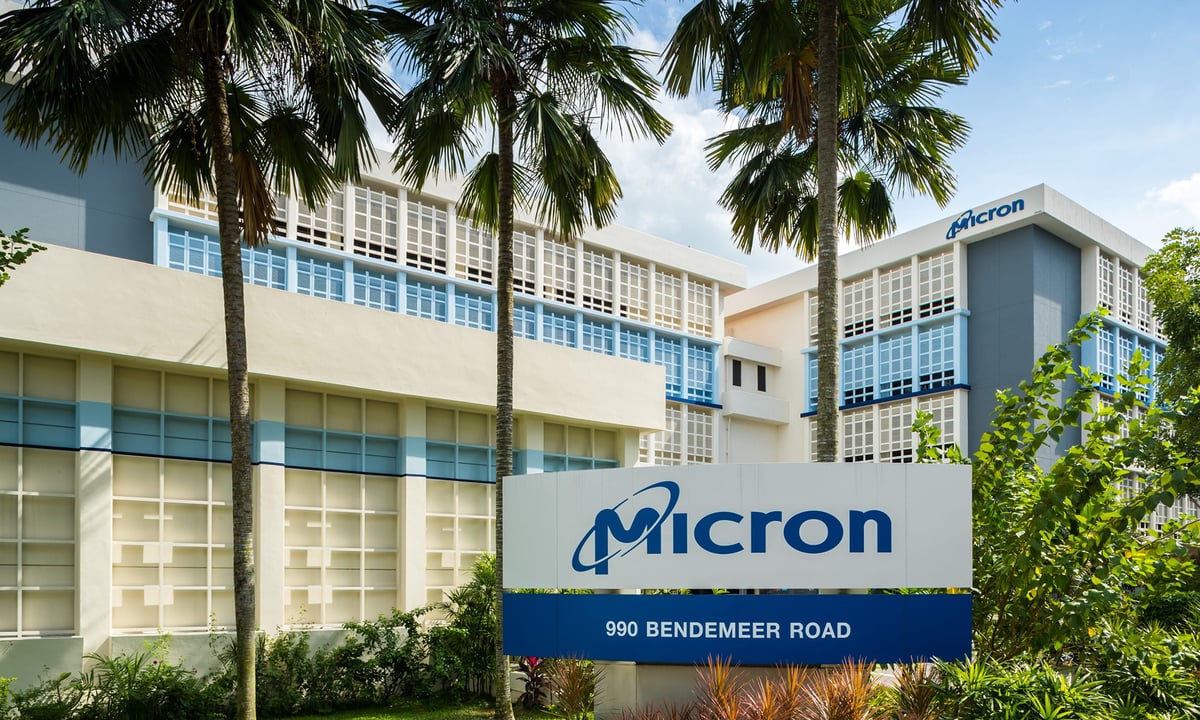
Micron Technology Stock Soars Amid AI Supercycle Growth

- Stock Surge: Micron Technology's stock skyrocketed from approximately $448 to $804 over the past month, and although it has retreated to $725, it still represents a remarkable 58% gain, highlighting the company's critical role in the AI semiconductor value chain.
- Strong Earnings: In its fiscal Q2 2025, Micron reported revenue nearly tripling year-over-year to $23.9 billion, with EPS soaring from $1.41 to $12.07, showcasing a significant enhancement in profitability.
- Attractive Valuation: Despite a share price exceeding $700, Wall Street anticipates Micron's EPS to reach $58 this year and grow to $100 by fiscal 2027, with a forward P/E ratio of about 8, indicating a relatively cheap valuation that appeals to long-term investors.
- Market Outlook: With memory scarcity becoming a major bottleneck, Micron's forward P/E suggests the stock is not expensive but rather heavily discounted in light of the secular tailwinds driving accelerated investments in AI infrastructure, indicating further upside potential.
See More

Nvidia's Path to a $6 Trillion Market Cap


- Significant Revenue Growth: Nvidia reported a remarkable 65% revenue growth in fiscal 2026, reaching $215.9 billion with a net income of $120.1 billion, underscoring its dominant position in the data center GPU market and its pivotal role in the AI revolution.
- Strong Market Performance: Although Nvidia is no longer the top-performing AI stock, its market cap remains at $5.34 trillion, significantly outperforming the S&P 500, indicating sustained competitiveness and investor confidence in the company.
- Optimistic Q1 Expectations: Analysts project Nvidia's Q1 revenue to grow by 79.6% to $79.1 billion, with adjusted earnings per share doubling from $0.81 to $1.77, reflecting robust demand for its chips and strong market sentiment.
- Future Growth Potential: Despite limited short-term stock price movements, Nvidia's forward P/E ratio of 27 suggests strong growth potential, with expectations of reaching a $6 trillion market cap in the future, further boosting investor optimism.
See More

Nvidia Expected to Report 79% Revenue Growth in Q1 Earnings
- Revenue Growth Expectations: Analysts anticipate Nvidia's Q1 revenue will grow by 79.6% to $79.1 billion, reflecting strong demand for its data center GPUs and underscoring the company's dominant position in the AI market.
- Margin Improvement: Nvidia expects gross margins to improve to 74.9%-75% in Q1, which not only indicates a trend of rising prices but also demonstrates the company's sustained profitability in a high-demand environment, further solidifying its competitive edge.
- Market Cap Potential: With a current market cap of $5.34 trillion, Nvidia could become the first company to surpass a $6 trillion valuation if its stock rises by 12% by Thursday, a milestone that would significantly boost investor confidence and potentially attract more capital inflows.
- Stable Market Performance: Although Nvidia's earnings reactions have been relatively modest over the past four quarters, the company maintains a strong track record of beating estimates, which is expected to continue driving stock price increases and reinforcing its leadership in the AI sector.
See More
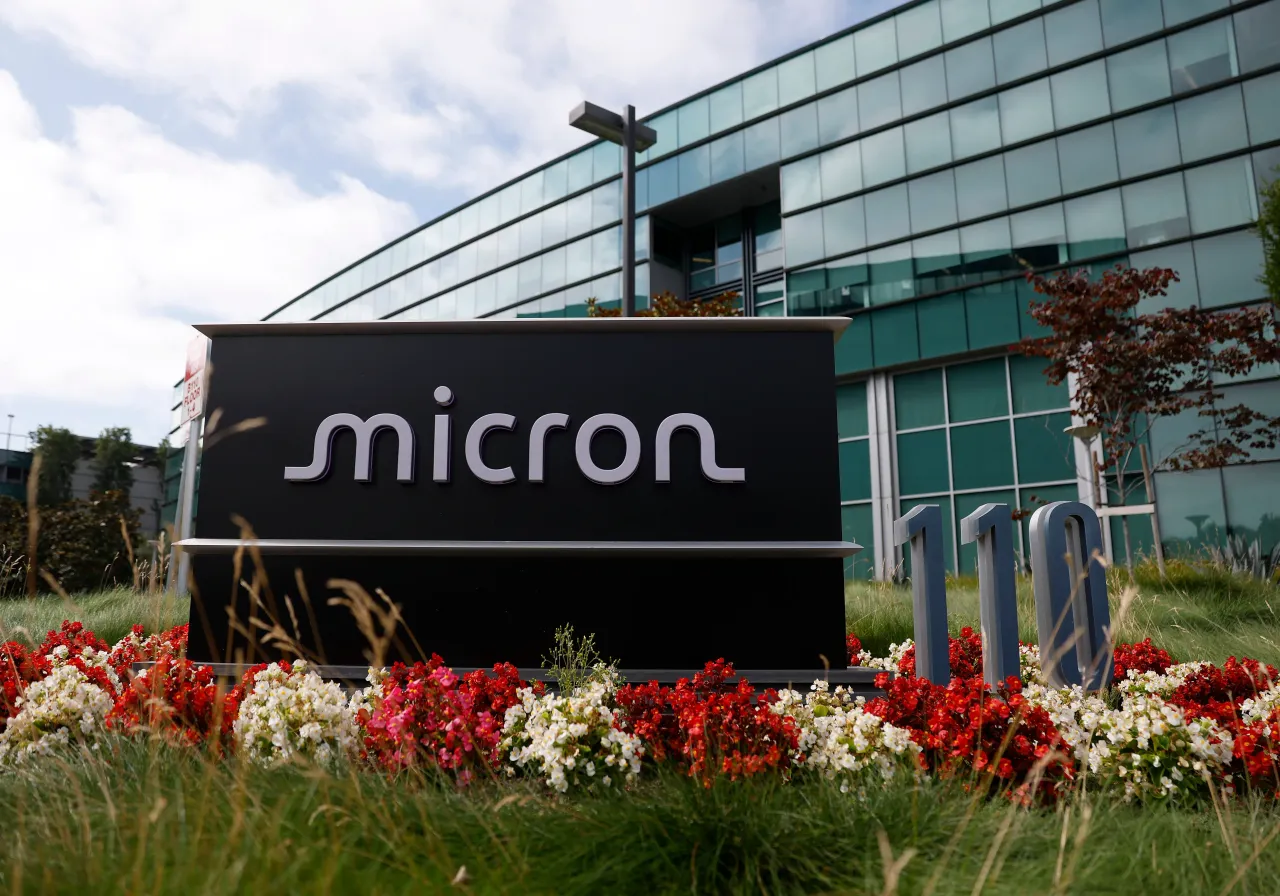
Micron Technology Price Target Raised to $1,100
- Price Target Increase: Melius Research raised Micron Technology's price target from $700 to $1,100 while maintaining a 'Buy' rating, indicating an upside potential of over 57%, reflecting market optimism regarding AI server demand.
- Analyst Optimism: Mizuho increased Micron's price target from $740 to $800, maintaining an 'Outperform' rating, and expects tight supply in NAND and DRAM to persist into the first half of 2027, further boosting Micron's market performance.
- Nvidia Earnings Impact: Nvidia is set to report its Q1 results on Wednesday, with analysts predicting an 80% increase in quarterly revenue to $79.12 billion, which is expected to significantly impact memory chip stocks, particularly as Micron is a key partner for Nvidia.
- Samsung Workers Strike: Over 47,000 Samsung Electronics workers in South Korea are set to strike starting Thursday, posing potential disruptions to the AI hardware supply chain, although some investors remain optimistic that Micron's performance will not be significantly affected.
See More

Stock Market Declines as Yields Rise, AI Leaders Rebound

- Market Dynamics: The stock market fell on Tuesday as yields hit new highs, reflecting investor concerns about future economic growth, which could lead to capital outflows from equities and affect overall market sentiment.
- AI Leaders Rebound: Despite the overall market decline, AI leaders like Micron and Sandisk saw a rebound, indicating that investors remain optimistic about the long-term growth potential of these companies.
- Nvidia Earnings Loom: Nvidia is set to release its earnings report soon, with the market closely watching its performance, which is expected to have a significant impact on its stock price, especially against the backdrop of sustained demand in AI and data centers.
- Yield Impact: Rising yields typically pressure the stock market, prompting investors to closely monitor upcoming economic data and policy changes to assess potential impacts on equities.
See More

Stock Market Declines as Yields Rise, AI Leaders Rebound
- Market Volatility: The stock market fell on Tuesday as yields hit new highs, reflecting investor concerns about future economic growth, which may lead to capital outflows from equities and impact overall market sentiment.
- AI Companies Rebound: Despite the overall market decline, AI leaders like Micron and Sandisk rebounded, demonstrating resilience in the tech sector and investor confidence in their future growth potential.
- Nvidia Earnings Loom: Nvidia's upcoming earnings report is expected to directly influence investor sentiment, especially in the current high-yield environment, potentially exacerbating market volatility.
- Yield Impact: Rising yields typically pressure the stock market, prompting investors to reassess their allocations to risk assets, which could affect the performance of tech stocks, particularly those reliant on a low-interest-rate environment.
See More
Micron Technology Stock Soars Amid AI Supercycle Growth
- Stock Surge: Micron Technology's stock skyrocketed from approximately $448 to $804 over the past month, and although it has retreated to $725, it still represents a remarkable 58% gain, highlighting the company's critical role in the AI semiconductor value chain.
- Strong Earnings: In its fiscal Q2 2025, Micron reported revenue nearly tripling year-over-year to $23.9 billion, with EPS soaring from $1.41 to $12.07, showcasing a significant enhancement in profitability.
- Attractive Valuation: Despite a share price exceeding $700, Wall Street anticipates Micron's EPS to reach $58 this year and grow to $100 by fiscal 2027, with a forward P/E ratio of about 8, indicating a relatively cheap valuation that appeals to long-term investors.
- Market Outlook: With memory scarcity becoming a major bottleneck, Micron's forward P/E suggests the stock is not expensive but rather heavily discounted in light of the secular tailwinds driving accelerated investments in AI infrastructure, indicating further upside potential.
See More
Nvidia's Path to a $6 Trillion Market Cap
- Significant Revenue Growth: Nvidia reported a remarkable 65% revenue growth in fiscal 2026, reaching $215.9 billion with a net income of $120.1 billion, underscoring its dominant position in the data center GPU market and its pivotal role in the AI revolution.
- Strong Market Performance: Although Nvidia is no longer the top-performing AI stock, its market cap remains at $5.34 trillion, significantly outperforming the S&P 500, indicating sustained competitiveness and investor confidence in the company.
- Optimistic Q1 Expectations: Analysts project Nvidia's Q1 revenue to grow by 79.6% to $79.1 billion, with adjusted earnings per share doubling from $0.81 to $1.77, reflecting robust demand for its chips and strong market sentiment.
- Future Growth Potential: Despite limited short-term stock price movements, Nvidia's forward P/E ratio of 27 suggests strong growth potential, with expectations of reaching a $6 trillion market cap in the future, further boosting investor optimism.
See More
Nvidia Expected to Report 79% Revenue Growth in Q1 Earnings
- Revenue Growth Expectations: Analysts anticipate Nvidia's Q1 revenue will grow by 79.6% to $79.1 billion, reflecting strong demand for its data center GPUs and underscoring the company's dominant position in the AI market.
- Margin Improvement: Nvidia expects gross margins to improve to 74.9%-75% in Q1, which not only indicates a trend of rising prices but also demonstrates the company's sustained profitability in a high-demand environment, further solidifying its competitive edge.
- Market Cap Potential: With a current market cap of $5.34 trillion, Nvidia could become the first company to surpass a $6 trillion valuation if its stock rises by 12% by Thursday, a milestone that would significantly boost investor confidence and potentially attract more capital inflows.
- Stable Market Performance: Although Nvidia's earnings reactions have been relatively modest over the past four quarters, the company maintains a strong track record of beating estimates, which is expected to continue driving stock price increases and reinforcing its leadership in the AI sector.
See More
Micron Technology Price Target Raised to $1,100
- Price Target Increase: Melius Research raised Micron Technology's price target from $700 to $1,100 while maintaining a 'Buy' rating, indicating an upside potential of over 57%, reflecting market optimism regarding AI server demand.
- Analyst Optimism: Mizuho increased Micron's price target from $740 to $800, maintaining an 'Outperform' rating, and expects tight supply in NAND and DRAM to persist into the first half of 2027, further boosting Micron's market performance.
- Nvidia Earnings Impact: Nvidia is set to report its Q1 results on Wednesday, with analysts predicting an 80% increase in quarterly revenue to $79.12 billion, which is expected to significantly impact memory chip stocks, particularly as Micron is a key partner for Nvidia.
- Samsung Workers Strike: Over 47,000 Samsung Electronics workers in South Korea are set to strike starting Thursday, posing potential disruptions to the AI hardware supply chain, although some investors remain optimistic that Micron's performance will not be significantly affected.
See More
Stock Market Declines as Yields Rise, AI Leaders Rebound
- Market Dynamics: The stock market fell on Tuesday as yields hit new highs, reflecting investor concerns about future economic growth, which could lead to capital outflows from equities and affect overall market sentiment.
- AI Leaders Rebound: Despite the overall market decline, AI leaders like Micron and Sandisk saw a rebound, indicating that investors remain optimistic about the long-term growth potential of these companies.
- Nvidia Earnings Loom: Nvidia is set to release its earnings report soon, with the market closely watching its performance, which is expected to have a significant impact on its stock price, especially against the backdrop of sustained demand in AI and data centers.
- Yield Impact: Rising yields typically pressure the stock market, prompting investors to closely monitor upcoming economic data and policy changes to assess potential impacts on equities.
See More
Stock Market Declines as Yields Rise, AI Leaders Rebound
- Market Volatility: The stock market fell on Tuesday as yields hit new highs, reflecting investor concerns about future economic growth, which may lead to capital outflows from equities and impact overall market sentiment.
- AI Companies Rebound: Despite the overall market decline, AI leaders like Micron and Sandisk rebounded, demonstrating resilience in the tech sector and investor confidence in their future growth potential.
- Nvidia Earnings Loom: Nvidia's upcoming earnings report is expected to directly influence investor sentiment, especially in the current high-yield environment, potentially exacerbating market volatility.
- Yield Impact: Rising yields typically pressure the stock market, prompting investors to reassess their allocations to risk assets, which could affect the performance of tech stocks, particularly those reliant on a low-interest-rate environment.
See More