Strait of Hormuz Reopening Uncertainty Intensifies
Written by Emily J. Thompson, Senior Investment Analyst
Updated: 1 hour ago
0mins
Should l Buy BKR?
Source: CNBC
- Geopolitical Risk Escalation: Baker Hughes' CFO stated that the Strait of Hormuz may not fully reopen for months, impacting the company's financial guidance and indicating expectations of the U.S.-Iran conflict lasting until the end of June, which could lead to long-term instability in the oil and gas markets.
- Industry Consensus: A survey by the Federal Reserve Bank of Dallas revealed that nearly 80% of oil and gas executives believe the strait will not reopen until August or later, with over 80% anticipating future disruptions, reflecting widespread concerns about supply chain risks within the industry.
- Global Supply Impact: Baker Hughes' CEO highlighted that the closure of the Strait has affected 10% of global oil and 20% of liquefied natural gas supplies, which is expected to result in persistent risk premiums for oil and gas prices, further exacerbating market uncertainty.
- Declining Shipping Traffic: As the conflict enters its eighth week, tanker traffic through the strait remains very low, with the U.S. and Iran seizing commercial ships under a fragile ceasefire agreement, indicating that tensions in the region have yet to ease.
Trade with 70% Backtested Accuracy
Stop guessing "Should I Buy BKR?" and start using high-conviction signals backed by rigorous historical data.
Sign up today to access powerful investing tools and make smarter, data-driven decisions.
Analyst Views on BKR
Wall Street analysts forecast BKR stock price to fall
13 Analyst Rating
12 Buy
1 Hold
0 Sell
Strong Buy
Current: 64.490

Low
52.00
Averages
61.54
High
67.00
Current: 64.490
Low
52.00
Averages
61.54
High
67.00
About BKR
Baker Hughes Company is an energy technology company that provides solutions to energy and industrial customers worldwide. The Company's segments include Oilfield Services & Equipment (OFSE) and Industrial & Energy Technology (IET). OFSE segment provides products and services for onshore and offshore oilfield operations across the lifecycle of a well, ranging from exploration, appraisal, and development, to production, rejuvenation, and decommissioning. OFSE segment is organized into four product lines: Well Construction; Completions, Intervention, and Measurements; Production Solutions, and Subsea. IET segment provides technology solutions and services for mechanical-drive, compression and power-generation applications across the energy industry including oil and gas, liquefied natural gas operations, downstream refining, and petrochemical markets, as well as lower carbon solutions to broader energy and industrial sectors. IET segment also provides equipment, software, and services.
About the author

Emily J. Thompson
Emily J. Thompson, a Chartered Financial Analyst (CFA) with 12 years in investment research, graduated with honors from the Wharton School. Specializing in industrial and technology stocks, she provides in-depth analysis for Intellectia’s earnings and market brief reports.
Baker Hughes Exceeds Earnings Expectations
- Earnings Highlights: Baker Hughes reported a non-GAAP EPS of $0.58, exceeding market expectations by $0.09, indicating strong performance in the energy sector and boosting investor confidence.
- Revenue Growth: The company achieved first-quarter revenue of $6.59 billion, surpassing the anticipated $6.33 billion, reflecting robust performance amid recovering market demand, which may drive future investments and expansions.
- Market Reaction: Despite the strong earnings report, the market downgraded Baker Hughes' rating, possibly reflecting a cautious outlook on future market volatility, prompting investors to stay alert to industry trends.
- Industry Outlook: Baker Hughes is viewed as a prime investment in the energy sector, and with the global energy demand recovering, the company is poised to benefit from market growth in the future.
See More

Baker Hughes Q1 2026 Earnings Call Insights
- Strong Financial Performance: Baker Hughes reported an adjusted EBITDA of $1.16 billion and adjusted EPS of $0.58 for Q1 2026, achieving an EBITDA margin of 17.6% despite disruptions in the Middle East, showcasing the company's resilience in a complex operating environment.
- Record Orders: The company achieved total orders of $8.2 billion in Q1, with IET orders reaching $4.9 billion, marking a record high, indicating robust market demand, and the IET order target is expected to exceed $40 billion by 2028, reflecting confidence in future growth.
- Cautious Outlook: Management guided for Q2 revenue of $6.5 billion and adjusted EBITDA of $1.13 billion based on assumptions regarding the Middle East situation, while warning of potential inflationary pressures and supply chain disruptions, highlighting uncertainty ahead.
- Capital Structure Optimization: Baker Hughes completed a $6.5 billion issuance of U.S. bonds and €3 billion in European bonds in Q1 to fund the Chart acquisition, with management emphasizing ongoing portfolio optimization and an expectation of approximately $3 billion in proceeds in 2026.
See More

Strait of Hormuz Reopening Uncertainty Intensifies
- Geopolitical Risk Escalation: Baker Hughes' CFO stated that the Strait of Hormuz may not fully reopen for months, impacting the company's financial guidance and indicating expectations of the U.S.-Iran conflict lasting until the end of June, which could lead to long-term instability in the oil and gas markets.
- Industry Consensus: A survey by the Federal Reserve Bank of Dallas revealed that nearly 80% of oil and gas executives believe the strait will not reopen until August or later, with over 80% anticipating future disruptions, reflecting widespread concerns about supply chain risks within the industry.
- Global Supply Impact: Baker Hughes' CEO highlighted that the closure of the Strait has affected 10% of global oil and 20% of liquefied natural gas supplies, which is expected to result in persistent risk premiums for oil and gas prices, further exacerbating market uncertainty.
- Declining Shipping Traffic: As the conflict enters its eighth week, tanker traffic through the strait remains very low, with the U.S. and Iran seizing commercial ships under a fragile ceasefire agreement, indicating that tensions in the region have yet to ease.
See More

Oilfield Services Companies Anticipate Increased Investment

- Rising Global Investment Demand: SLB and Baker Hughes anticipate significant increases in oil and gas exploration and production investments in North America due to tighter global supplies from the Middle East conflict, particularly in liquefied natural gas projects to meet rising demand.
- Middle East Revenue Decline: SLB reported a 10% drop in revenue from the Middle East and Asia to $2.69 billion in Q1, primarily impacted by Qatar's force majeure and security issues in Iraq, with expectations of a 6 to 8 cents per share decrease in Q2 earnings.
- Stock Price Recovery: Baker Hughes shares rose to $68.61, the highest since 2007, while SLB shares increased to $56.55, reflecting market optimism regarding future investment prospects in the oilfield services sector.
- Infrastructure Repair Demand: Analysts expect a resurgence in industry activity as the conflict subsides, with Rystad Energy projecting repair costs could reach $58 billion, indicating strong growth years in 2027 and 2028 driven by changes in oil market fundamentals.
See More
US Natural Gas Rig Count Increases by Four to Reach 129 for the Week Ending April 24 - Baker Hughes
- US Natural Gas Drilling Count: The US natural gas drilling rig count has increased by four, reaching a total of 129 rigs as of April 24.
- Baker Hughes Report: This data is reported by Baker Hughes, a key provider of rig count statistics in the energy sector.
See More
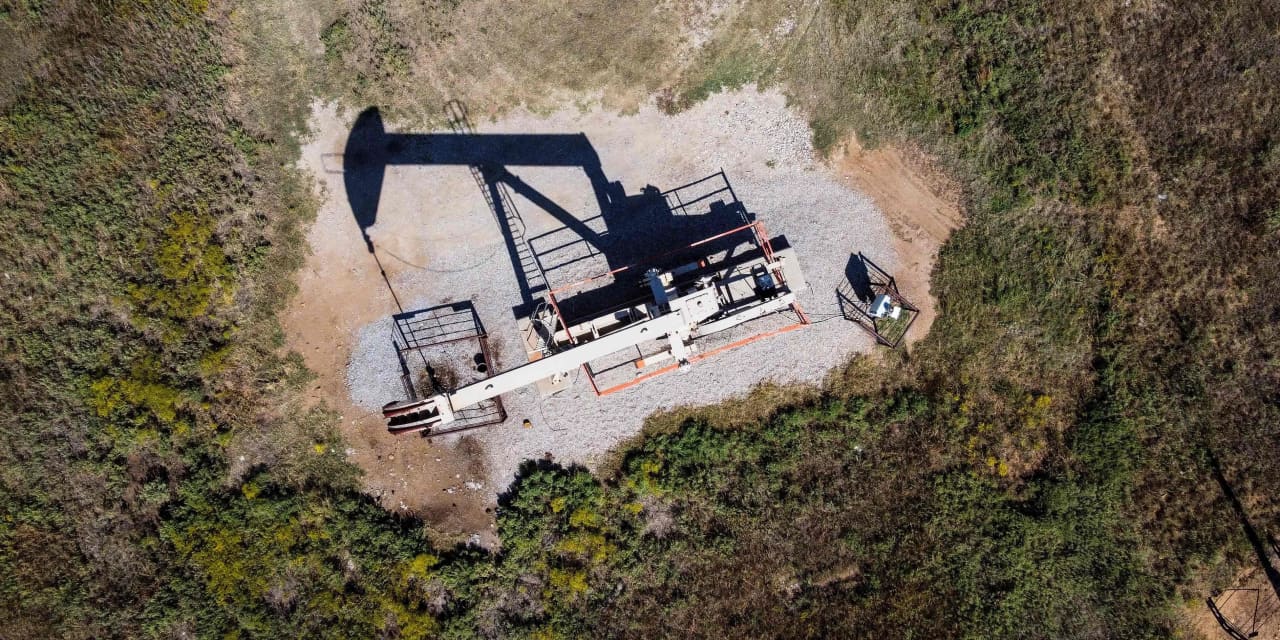
BAKER HUGHES ANTICIPATES GLOBAL UPSTREAM INVESTMENT TO FALL SLIGHTLY SHORT OF PREVIOUSLY FORECASTED LOW SINGLE-DIGIT DECLINES FOR 2025 - CONFERENCE CALL
Global Spending Outlook: Baker Hughes expects global upstream spending to be modestly below prior forecasts, indicating a cautious approach in the industry.
Decline in Digital Demand: There is a noted decline in single-digit digital demand compared to projections for 2025, suggesting potential challenges ahead for digital investments.
See More
Baker Hughes Exceeds Earnings Expectations
- Earnings Highlights: Baker Hughes reported a non-GAAP EPS of $0.58, exceeding market expectations by $0.09, indicating strong performance in the energy sector and boosting investor confidence.
- Revenue Growth: The company achieved first-quarter revenue of $6.59 billion, surpassing the anticipated $6.33 billion, reflecting robust performance amid recovering market demand, which may drive future investments and expansions.
- Market Reaction: Despite the strong earnings report, the market downgraded Baker Hughes' rating, possibly reflecting a cautious outlook on future market volatility, prompting investors to stay alert to industry trends.
- Industry Outlook: Baker Hughes is viewed as a prime investment in the energy sector, and with the global energy demand recovering, the company is poised to benefit from market growth in the future.
See More
Baker Hughes Q1 2026 Earnings Call Insights
- Strong Financial Performance: Baker Hughes reported an adjusted EBITDA of $1.16 billion and adjusted EPS of $0.58 for Q1 2026, achieving an EBITDA margin of 17.6% despite disruptions in the Middle East, showcasing the company's resilience in a complex operating environment.
- Record Orders: The company achieved total orders of $8.2 billion in Q1, with IET orders reaching $4.9 billion, marking a record high, indicating robust market demand, and the IET order target is expected to exceed $40 billion by 2028, reflecting confidence in future growth.
- Cautious Outlook: Management guided for Q2 revenue of $6.5 billion and adjusted EBITDA of $1.13 billion based on assumptions regarding the Middle East situation, while warning of potential inflationary pressures and supply chain disruptions, highlighting uncertainty ahead.
- Capital Structure Optimization: Baker Hughes completed a $6.5 billion issuance of U.S. bonds and €3 billion in European bonds in Q1 to fund the Chart acquisition, with management emphasizing ongoing portfolio optimization and an expectation of approximately $3 billion in proceeds in 2026.
See More
Strait of Hormuz Reopening Uncertainty Intensifies
- Geopolitical Risk Escalation: Baker Hughes' CFO stated that the Strait of Hormuz may not fully reopen for months, impacting the company's financial guidance and indicating expectations of the U.S.-Iran conflict lasting until the end of June, which could lead to long-term instability in the oil and gas markets.
- Industry Consensus: A survey by the Federal Reserve Bank of Dallas revealed that nearly 80% of oil and gas executives believe the strait will not reopen until August or later, with over 80% anticipating future disruptions, reflecting widespread concerns about supply chain risks within the industry.
- Global Supply Impact: Baker Hughes' CEO highlighted that the closure of the Strait has affected 10% of global oil and 20% of liquefied natural gas supplies, which is expected to result in persistent risk premiums for oil and gas prices, further exacerbating market uncertainty.
- Declining Shipping Traffic: As the conflict enters its eighth week, tanker traffic through the strait remains very low, with the U.S. and Iran seizing commercial ships under a fragile ceasefire agreement, indicating that tensions in the region have yet to ease.
See More
Oilfield Services Companies Anticipate Increased Investment
- Rising Global Investment Demand: SLB and Baker Hughes anticipate significant increases in oil and gas exploration and production investments in North America due to tighter global supplies from the Middle East conflict, particularly in liquefied natural gas projects to meet rising demand.
- Middle East Revenue Decline: SLB reported a 10% drop in revenue from the Middle East and Asia to $2.69 billion in Q1, primarily impacted by Qatar's force majeure and security issues in Iraq, with expectations of a 6 to 8 cents per share decrease in Q2 earnings.
- Stock Price Recovery: Baker Hughes shares rose to $68.61, the highest since 2007, while SLB shares increased to $56.55, reflecting market optimism regarding future investment prospects in the oilfield services sector.
- Infrastructure Repair Demand: Analysts expect a resurgence in industry activity as the conflict subsides, with Rystad Energy projecting repair costs could reach $58 billion, indicating strong growth years in 2027 and 2028 driven by changes in oil market fundamentals.
See More
US Natural Gas Rig Count Increases by Four to Reach 129 for the Week Ending April 24 - Baker Hughes
- US Natural Gas Drilling Count: The US natural gas drilling rig count has increased by four, reaching a total of 129 rigs as of April 24.
- Baker Hughes Report: This data is reported by Baker Hughes, a key provider of rig count statistics in the energy sector.
See More
BAKER HUGHES ANTICIPATES GLOBAL UPSTREAM INVESTMENT TO FALL SLIGHTLY SHORT OF PREVIOUSLY FORECASTED LOW SINGLE-DIGIT DECLINES FOR 2025 - CONFERENCE CALL
Global Spending Outlook: Baker Hughes expects global upstream spending to be modestly below prior forecasts, indicating a cautious approach in the industry.
Decline in Digital Demand: There is a noted decline in single-digit digital demand compared to projections for 2025, suggesting potential challenges ahead for digital investments.
See More