Stocks React to War Developments: Keep an Eye on Treasury Yields and Market Volatility.
Written by Emily J. Thompson, Senior Investment Analyst
Updated: Mar 25 2026
0mins


Source: Barron's
- Market Gains: Global stock markets experienced solid gains due to reports suggesting a potential easing of tensions between the U.S. and Iran.
- Oil Prices: The positive market sentiment coincided with a significant drop in oil prices.
- Treasury Yields: There was also a notable decrease in Treasury bond yields, reflecting investor confidence.
- Overall Sentiment: The combination of these factors indicates a shift in market dynamics influenced by geopolitical developments.
Trade with 70% Backtested Accuracy
Stop guessing "Should I Buy NYT?" and start using high-conviction signals backed by rigorous historical data.
Sign up today to access powerful investing tools and make smarter, data-driven decisions.
Analyst Views on NYT
Wall Street analysts forecast NYT stock price to fall
6 Analyst Rating
4 Buy
2 Hold
0 Sell
Moderate Buy
Current: 74.460

Low
55.00
Averages
69.33
High
81.00
Current: 74.460
Low
55.00
Averages
69.33
High
81.00
About NYT
The New York Times Company is a global media company focused on creating and distributing news and information that helps its audience understand and engage with the world. Its core news product, The New York Times (The Times), is available on its mobile application, on its website (NYTimes.com) and as a printed newspaper, and associated content, such as its podcasts. Its other interest-specific products, including The Athletic (its sports media product), Audio (its audio offering available as a separate subscription through its news app), Cooking (its recipes and cooking content product) and Games (its puzzle games product), which are available on mobile applications and websites, and Wirecutter (its product review and recommendation offering). Its related businesses, such as its licensing operations, its commercial printing operations and other products and services under The Times brand. The Times’s print edition newspaper is published seven days a week in the United States.
About the author

Emily J. Thompson
Emily J. Thompson, a Chartered Financial Analyst (CFA) with 12 years in investment research, graduated with honors from the Wharton School. Specializing in industrial and technology stocks, she provides in-depth analysis for Intellectia’s earnings and market brief reports.

Iran Delays Peace Negotiations with the US Amid Lebanon Conflict

- Negotiation Delay: Iran has postponed peace negotiations with the US originally scheduled in Switzerland due to escalating clashes between Israel and Hezbollah, representing a setback for Trump's efforts to end the war and curb Iran's nuclear ambitions.
- Ceasefire Agreement: A ceasefire was agreed upon between Israel and Hezbollah, yet Iran's insistence on a ceasefire as a precondition for negotiations highlights the complexity and fragility of the situation.
- Energy Market Impact: Maritime activity in the Strait of Hormuz has decreased amid rising tensions, although Trump's agreement with Iran promises to reopen the strait, oil prices remain volatile, with Brent crude rising approximately 0.9%.
- Public Opinion: A poll indicates that 67% of Israelis view the US-Iran deal negatively, reflecting widespread concern that could influence future diplomatic strategies and regional stability.
See More
Abbott Declares 410th Consecutive Dividend Payment

- Abbott's Dividend Milestone: Abbott's board declared a quarterly cash dividend of 63 cents per share, marking the 410th consecutive dividend since 1924, showcasing the company's strong financial stability and commitment to shareholder returns.
- Consistent Dividend Growth: Abbott has increased its dividend payout for 54 consecutive years, making it a member of the S&P 500 Dividend Aristocrats Index, which underscores its long-term strategy in shareholder returns and market trust.
- HEICO's Dividend Increase: HEICO announced a semiannual cash dividend of $0.13 per share, an 8% increase from the previous $0.12, reflecting the company's strong performance in profitability and cash flow management.
- Graco's Quarterly Dividend: Graco's board declared a regular quarterly dividend of 29.5 cents per share, payable on August 5, 2026, further solidifying its stability and attractiveness in the market.
See More
The New York Times Company Declares Quarterly Dividend
- Quarterly Dividend Announcement: The New York Times Company's Board of Directors declared a quarterly dividend of $0.23 per share, payable on July 23, 2026, reflecting the company's stable cash flow and commitment to shareholder returns.
- Record Date for Shareholders: The record date for this dividend is set for July 8, 2026, ensuring that shareholders who own stock before this date will receive the payout, thereby boosting investor confidence.
- Subscriber Base: The New York Times boasts over 13 million subscribers across various products, including news, games, and sports, indicating its strong competitive position in the diversified media market.
- Transformation into Media Company: Evolving from a local news leader to a global diversified media company, The New York Times is committed to providing quality independent journalism to help people understand the world, enhancing its brand value and market position.
See More
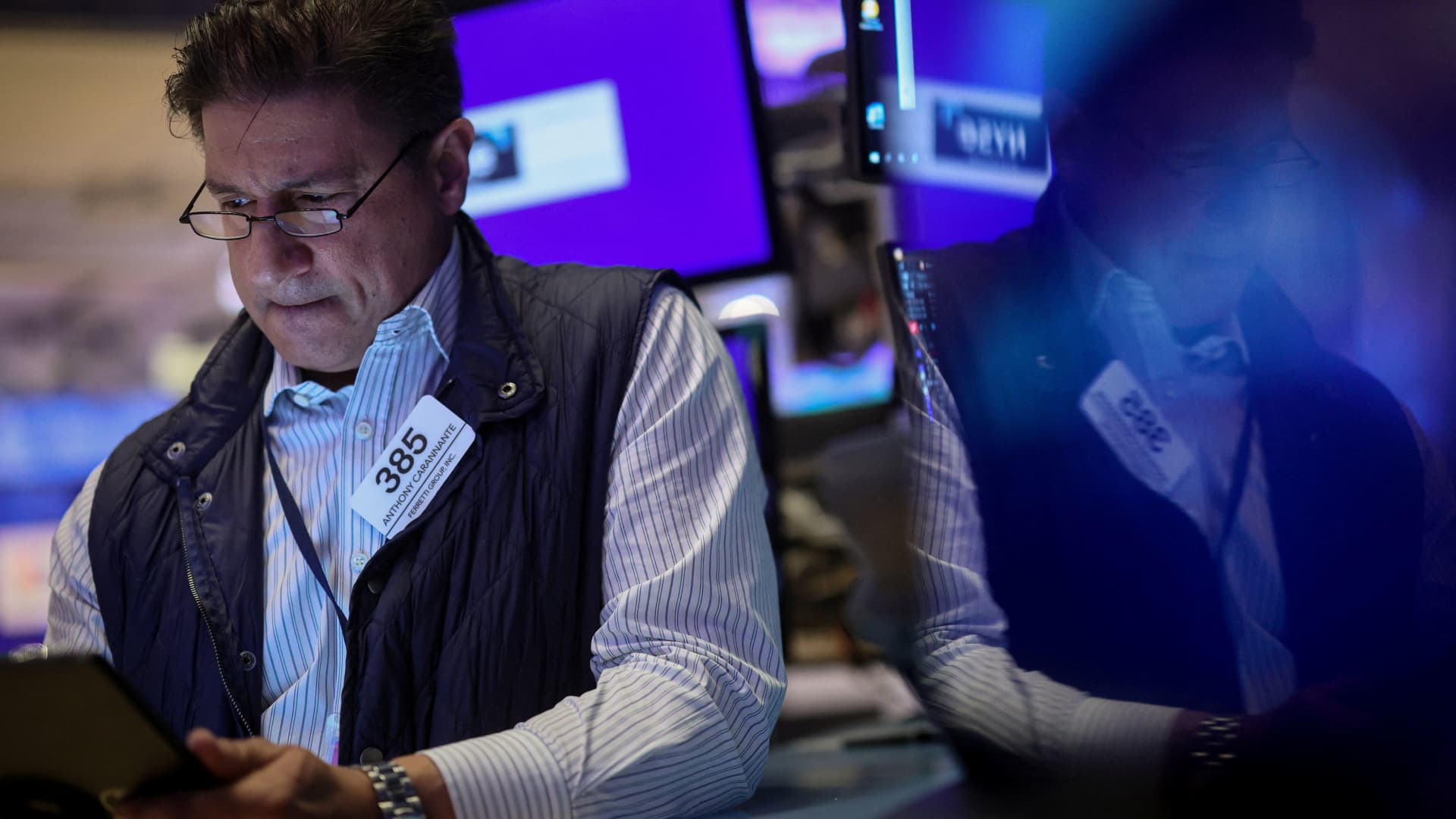
Warren Buffett Steps Down as CEO of Berkshire Hathaway


- Shareholding Changes: As of the end of 2024, Berkshire Hathaway owned approximately 300 million shares of Apple, valued at about $75 billion, representing 2% of Apple's total value; by the end of 2025, this reduced to about 228 million shares worth $62 billion, indicating a portfolio rebalancing.
- Investment Strategy: Before stepping down, Buffett increased his stake in The New York Times and added to holdings in Chevron and Chubb while reducing his position in Bank of America, reflecting a continued focus on diversified investments.
- New CEO's Investments: In 2026, new CEO Abel made significant investments, including in Google's parent company Alphabet, and executed his first major acquisition of homebuilder Taylor Morrison, demonstrating a commitment to expanding the business.
- Stock Buyback Program: Abel has also spent millions buying back Berkshire stock, indicating confidence in the company's value while potentially attracting more investors to this diversified conglomerate.
See More
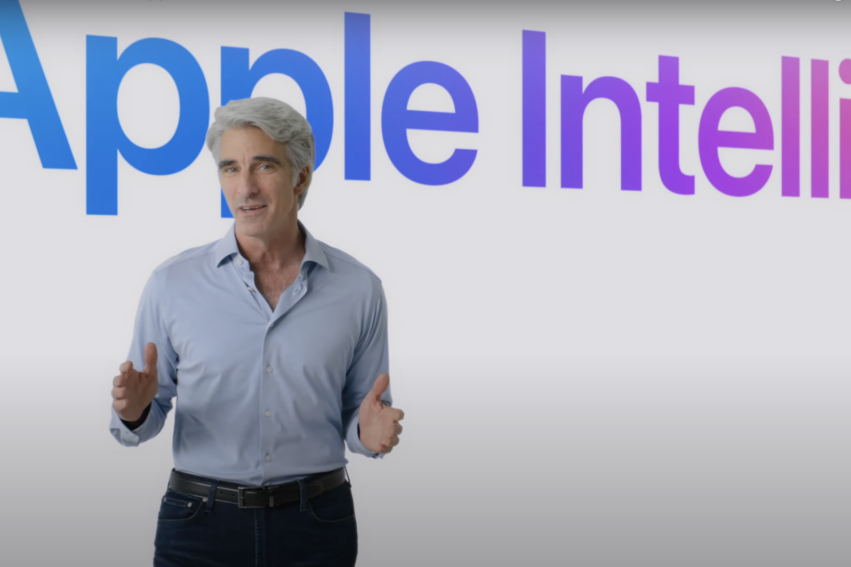
Berkshire Hathaway's Moves Post-Buffett's CEO Transition
- Shareholding Changes: As of the end of 2024, Berkshire Hathaway owned approximately 300 million shares of Apple, valued at about $75 billion, representing 2% of Apple's total value; by the end of 2025, this reduced to about 228 million shares worth $62 billion, indicating a portfolio rebalancing.
- New CEO's Investments: Following Greg Abel's takeover, he has actively invested in Google's parent company Alphabet and completed his first major acquisition of homebuilder Taylor Morrison, reflecting a strategic intent for diversification in investments.
- Stock Buyback Strategy: Abel has also spent millions repurchasing some Berkshire stock, aimed at enhancing shareholder value and boosting market confidence, which reflects a strong belief in the company's future growth potential.
- Energy Division Outlook: The energy division, previously overseen by Abel, is viewed as having significant potential, particularly due to the increasing power demands from data centers, which could become a key driver of future growth for Berkshire.
See More
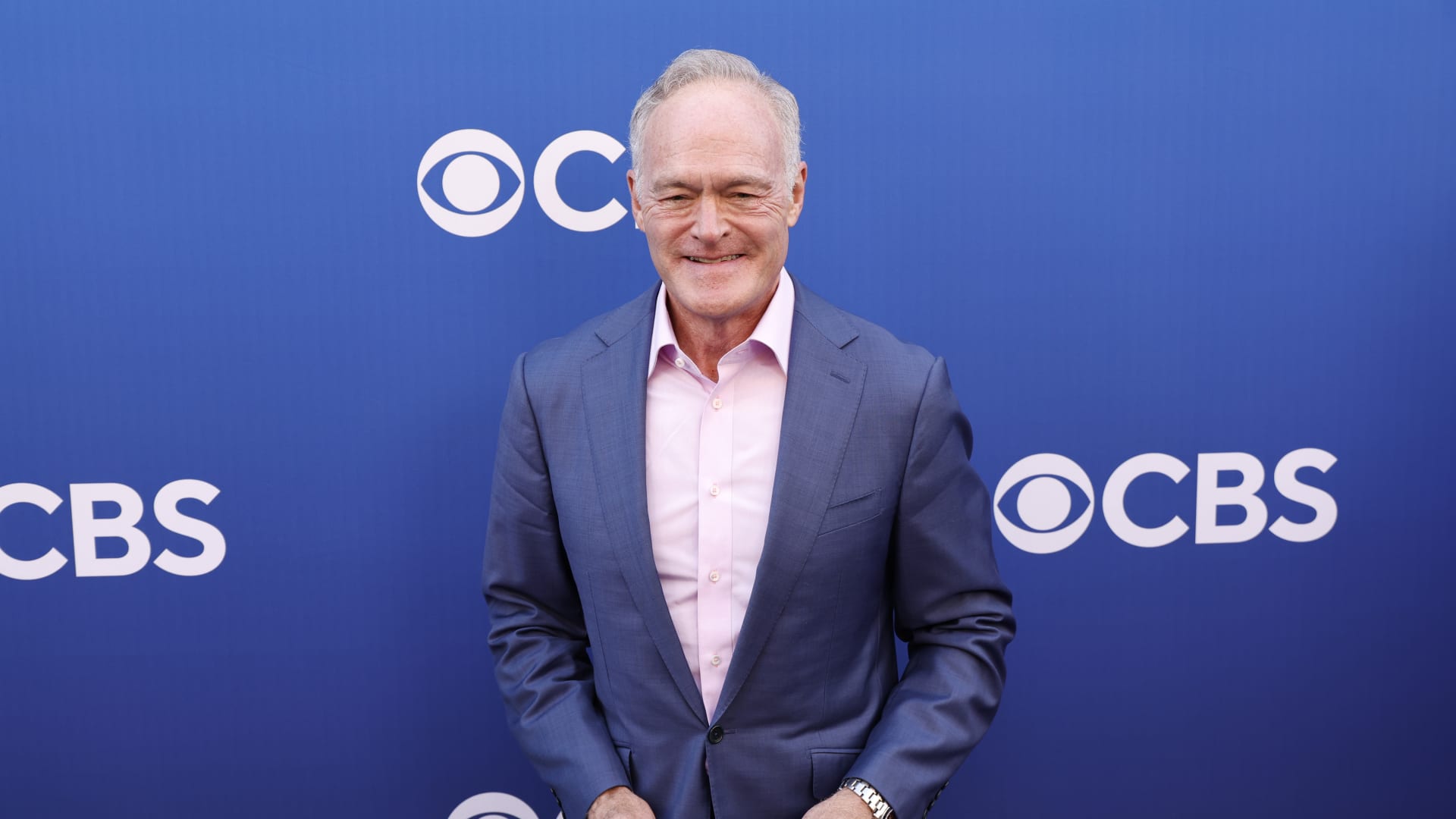
CBS Fires High-Profile '60 Minutes' Correspondent Scott Pelley Amid Show Direction Debate


- Executive Change: CBS News executive Nick Bilton's decision to terminate high-profile correspondent Scott Pelley immediately marks a significant shift in the direction of '60 Minutes', potentially impacting viewer trust and ratings.
- Program Controversy: Pelley's public criticism of CBS News editor Bari Weiss, whom he accused of 'murdering' '60 Minutes', indicates serious internal disagreements that could lead to viewer attrition and diminished credibility.
- Legal Dispute Impact: In 2024, Donald Trump sued '60 Minutes' alleging deceptive editing of an interview, resulting in a $16 million settlement that irked veteran staff, further tarnishing the program's reputation and internal morale.
- Leadership Challenges: Bilton, who replaced Tanya Simon after over two decades, lacks experience in managing a TV news show, yet he vows to demonstrate that his hiring is not politically motivated, which is crucial for the program's future trajectory.
See More
Iran Delays Peace Negotiations with the US Amid Lebanon Conflict
- Negotiation Delay: Iran has postponed peace negotiations with the US originally scheduled in Switzerland due to escalating clashes between Israel and Hezbollah, representing a setback for Trump's efforts to end the war and curb Iran's nuclear ambitions.
- Ceasefire Agreement: A ceasefire was agreed upon between Israel and Hezbollah, yet Iran's insistence on a ceasefire as a precondition for negotiations highlights the complexity and fragility of the situation.
- Energy Market Impact: Maritime activity in the Strait of Hormuz has decreased amid rising tensions, although Trump's agreement with Iran promises to reopen the strait, oil prices remain volatile, with Brent crude rising approximately 0.9%.
- Public Opinion: A poll indicates that 67% of Israelis view the US-Iran deal negatively, reflecting widespread concern that could influence future diplomatic strategies and regional stability.
See More
Abbott Declares 410th Consecutive Dividend Payment
- Abbott's Dividend Milestone: Abbott's board declared a quarterly cash dividend of 63 cents per share, marking the 410th consecutive dividend since 1924, showcasing the company's strong financial stability and commitment to shareholder returns.
- Consistent Dividend Growth: Abbott has increased its dividend payout for 54 consecutive years, making it a member of the S&P 500 Dividend Aristocrats Index, which underscores its long-term strategy in shareholder returns and market trust.
- HEICO's Dividend Increase: HEICO announced a semiannual cash dividend of $0.13 per share, an 8% increase from the previous $0.12, reflecting the company's strong performance in profitability and cash flow management.
- Graco's Quarterly Dividend: Graco's board declared a regular quarterly dividend of 29.5 cents per share, payable on August 5, 2026, further solidifying its stability and attractiveness in the market.
See More
The New York Times Company Declares Quarterly Dividend
- Quarterly Dividend Announcement: The New York Times Company's Board of Directors declared a quarterly dividend of $0.23 per share, payable on July 23, 2026, reflecting the company's stable cash flow and commitment to shareholder returns.
- Record Date for Shareholders: The record date for this dividend is set for July 8, 2026, ensuring that shareholders who own stock before this date will receive the payout, thereby boosting investor confidence.
- Subscriber Base: The New York Times boasts over 13 million subscribers across various products, including news, games, and sports, indicating its strong competitive position in the diversified media market.
- Transformation into Media Company: Evolving from a local news leader to a global diversified media company, The New York Times is committed to providing quality independent journalism to help people understand the world, enhancing its brand value and market position.
See More
Warren Buffett Steps Down as CEO of Berkshire Hathaway
- Shareholding Changes: As of the end of 2024, Berkshire Hathaway owned approximately 300 million shares of Apple, valued at about $75 billion, representing 2% of Apple's total value; by the end of 2025, this reduced to about 228 million shares worth $62 billion, indicating a portfolio rebalancing.
- Investment Strategy: Before stepping down, Buffett increased his stake in The New York Times and added to holdings in Chevron and Chubb while reducing his position in Bank of America, reflecting a continued focus on diversified investments.
- New CEO's Investments: In 2026, new CEO Abel made significant investments, including in Google's parent company Alphabet, and executed his first major acquisition of homebuilder Taylor Morrison, demonstrating a commitment to expanding the business.
- Stock Buyback Program: Abel has also spent millions buying back Berkshire stock, indicating confidence in the company's value while potentially attracting more investors to this diversified conglomerate.
See More
Berkshire Hathaway's Moves Post-Buffett's CEO Transition
- Shareholding Changes: As of the end of 2024, Berkshire Hathaway owned approximately 300 million shares of Apple, valued at about $75 billion, representing 2% of Apple's total value; by the end of 2025, this reduced to about 228 million shares worth $62 billion, indicating a portfolio rebalancing.
- New CEO's Investments: Following Greg Abel's takeover, he has actively invested in Google's parent company Alphabet and completed his first major acquisition of homebuilder Taylor Morrison, reflecting a strategic intent for diversification in investments.
- Stock Buyback Strategy: Abel has also spent millions repurchasing some Berkshire stock, aimed at enhancing shareholder value and boosting market confidence, which reflects a strong belief in the company's future growth potential.
- Energy Division Outlook: The energy division, previously overseen by Abel, is viewed as having significant potential, particularly due to the increasing power demands from data centers, which could become a key driver of future growth for Berkshire.
See More
CBS Fires High-Profile '60 Minutes' Correspondent Scott Pelley Amid Show Direction Debate
- Executive Change: CBS News executive Nick Bilton's decision to terminate high-profile correspondent Scott Pelley immediately marks a significant shift in the direction of '60 Minutes', potentially impacting viewer trust and ratings.
- Program Controversy: Pelley's public criticism of CBS News editor Bari Weiss, whom he accused of 'murdering' '60 Minutes', indicates serious internal disagreements that could lead to viewer attrition and diminished credibility.
- Legal Dispute Impact: In 2024, Donald Trump sued '60 Minutes' alleging deceptive editing of an interview, resulting in a $16 million settlement that irked veteran staff, further tarnishing the program's reputation and internal morale.
- Leadership Challenges: Bilton, who replaced Tanya Simon after over two decades, lacks experience in managing a TV news show, yet he vows to demonstrate that his hiring is not politically motivated, which is crucial for the program's future trajectory.
See More