Stock Trading Updates for Alphabet and AMD
Written by Emily J. Thompson, Senior Investment Analyst
Updated: Feb 06 2026
0mins


Should l Buy GOOG?
Source: Benzinga
- Alphabet Stock Purchase: ARK Investment Management acquired 67,630 shares of Alphabet, valued at approximately $22.4 million based on a closing price of $331.33, following Alphabet's strong fourth-quarter earnings that showcased robust performance in Google Search and Cloud, indicating significant growth potential in these areas.
- AMD Stock Trade: The ARK Next Generation Internet ETF purchased 20,189 shares of AMD, valued at approximately $3.9 million at a closing price of $192.50, amid a recent decline in AMD's stock, where despite record fourth-quarter revenue, the cautious forward guidance has left some investors wary.
- Broadcom Stock Acquisition: ARKQ and ARKW collectively acquired 87,148 shares of Broadcom, totaling approximately $27.06 million at a closing price of $310.51, with Broadcom's stock rising due to optimism surrounding AI infrastructure spending, further fueled by Alphabet's increased capital expenditure outlook.
- Qualcomm Stock Sale: ARKQ and ARKW sold a total of 228,943 shares of Qualcomm, valued at approximately $31.2 million based on a closing price of $136.30, reflecting a cautious market sentiment towards Qualcomm's stock despite its competitive position in the technology sector.
Trade with 70% Backtested Accuracy
Stop guessing "Should I Buy GOOG?" and start using high-conviction signals backed by rigorous historical data.
Sign up today to access powerful investing tools and make smarter, data-driven decisions.
Analyst Views on GOOG
Wall Street analysts forecast GOOG stock price to rise
15 Analyst Rating
14 Buy
1 Hold
0 Sell
Strong Buy
Current: 294.900

Low
255.00
Averages
336.08
High
400.00
Current: 294.900
Low
255.00
Averages
336.08
High
400.00
About GOOG
Alphabet Inc. is a holding company. The Company's segments include Google Services, Google Cloud, and Other Bets. The Google Services segment includes products and services such as ads, Android, Chrome, devices, Google Maps, Google Play, Search, and YouTube. The Google Cloud segment includes infrastructure and platform services, collaboration tools, and other services for enterprise customers. Its Other Bets segment is engaged in the sale of healthcare-related services and Internet services. Its Google Cloud provides enterprise-ready cloud services, including Google Cloud Platform and Google Workspace. Google Cloud Platform provides access to solutions such as artificial intelligence (AI) offerings, including its AI infrastructure, Vertex AI platform, and Gemini for Google Cloud; cybersecurity, and data and analytics. Google Workspace includes cloud-based communication and collaboration tools for enterprises, such as Calendar, Gmail, Docs, Drive, and Meet.
About the author

Emily J. Thompson
Emily J. Thompson, a Chartered Financial Analyst (CFA) with 12 years in investment research, graduated with honors from the Wharton School. Specializing in industrial and technology stocks, she provides in-depth analysis for Intellectia’s earnings and market brief reports.

Google Adjusts Gemini Pricing Strategy for Developers

- Diverse Pricing Strategy: Google has introduced multiple pricing tiers for Gemini, including Standard, Flex, Priority, Batch, and Caching, aimed at providing developers with more flexible spending control based on their specific needs, thereby enhancing user experience and market competitiveness.
- Flex Tier Benefits: The Flex tier allows developers to run tasks at about a 50% discount during off-peak hours, with processing times ranging from 1 to 15 minutes, a strategy that not only reduces costs but also attracts users with less stringent speed requirements.
- Priority Tier Costs: The Priority tier is designed for applications requiring instant responses, such as chatbots and fraud detection systems, costing 75% to 100% more than the standard tier, indicating Google's willingness to provide higher service quality for high-demand applications.
- Batch Option: The Batch option, while taking up to 24 hours for processing, also offers significant cost savings, making it suitable for scenarios involving large data processing, further enriching Gemini's product offerings to meet diverse customer needs.
See More
Micron Technology Shares Experience Significant Volatility


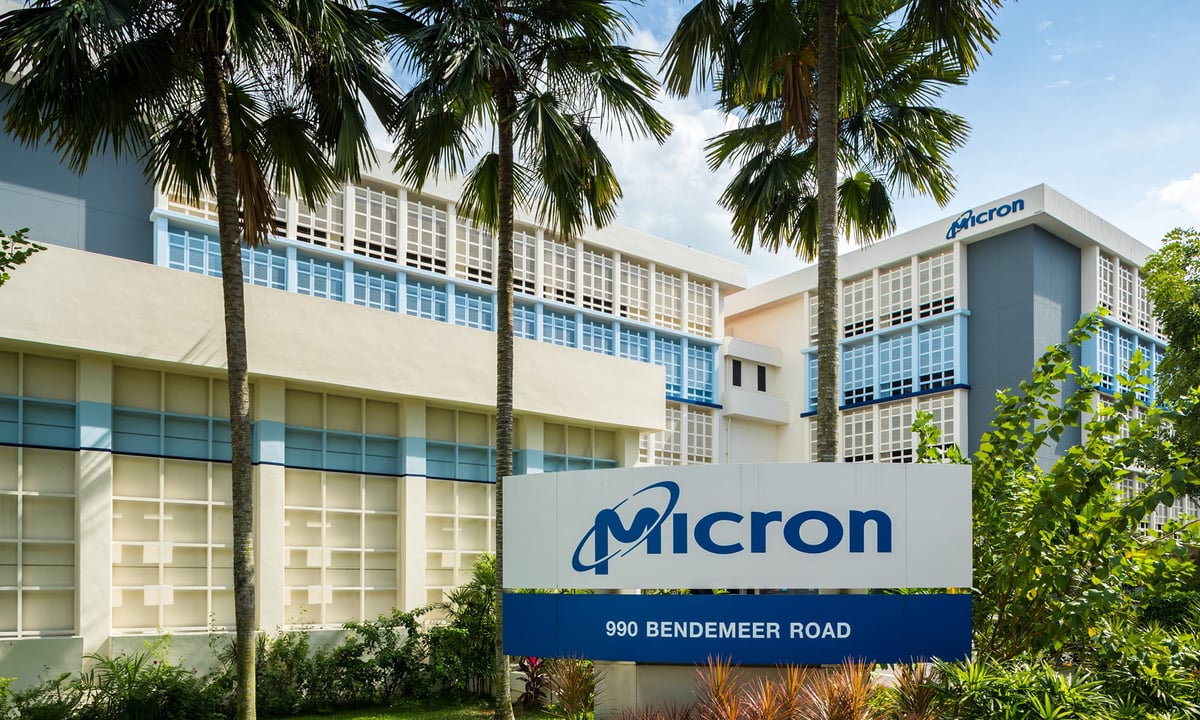
- Stunning Financial Results: Micron Technology reported a revenue of $23.9 billion for Q2 FY2026, soaring 196% year-over-year and surpassing analyst expectations of $20 billion, which propelled adjusted EPS to $12.20, reflecting robust market demand and execution.
- Significant Margin Improvement: The company's gross margin surged from 36.8% in the prior year to 74.4%, indicating not only strong performance in the AI processor market but also successful strategies in cost control and pricing.
- Impact of AI Technology: Google's newly introduced compression algorithm could reduce memory requirements for large language models by at least 6x, potentially decreasing short-term demand for Micron's NAND processors, which account for about 21% of its revenue, posing pressure on future performance.
- Long-Term Demand Outlook: Although short-term demand may decline, Jevons Paradox suggests that as AI technology advances and costs decrease, long-term demand for Micron's memory chips could increase, providing new growth momentum for the company.
See More

Micron's Q2 Results Exceed Expectations Significantly
- Stunning Performance: Micron's fiscal Q2 2026 revenue reached $23.9 billion, soaring 196% year-over-year and 75% quarter-over-quarter, driving adjusted EPS to $12.20, a staggering 682% increase, significantly surpassing analysts' expectations of $20 billion in revenue and $9.31 EPS, showcasing the company's exceptional performance amid strong AI processing demand.
- Gross Margin Surge: Micron's gross margin doubled from 36.8% in the prior-year quarter to 74.4%, reflecting successful cost control and production efficiency, which not only solidifies future profitability but also enhances investor confidence in the company's operational capabilities.
- Market Demand Shift: Despite strong demand for Micron's memory chips in AI processing, Google's introduction of a new compression algorithm may reduce short-term demand for Micron's NAND processors, which account for about 21% of its revenue, potentially impacting future sales.
- Optimistic Long-Term Outlook: According to Jevons Paradox, as AI technology advances and memory chip prices decrease, consumption may increase, thereby boosting long-term demand for Micron's memory chips; however, investors should remain cautious regarding immediate market reactions given the short-term uncertainties.
See More

Google Launches Gemma 4 AI Agents for Advanced Task Management
- AI Agent Innovation: Google has launched Gemma 4, which transcends traditional chatbots by autonomously planning tasks, generating code, and processing audio and video, supporting over 140 languages to significantly enhance user experience globally.
- Developer Tools Release: Developers can access Gemma 4 on Android through the new AICore Developer Preview or use Google AI Edge to build AI features across mobile, desktop, and edge devices, facilitating easier application development.
- Multi-Function Integration: Gemma 4 can convert long texts or videos into concise summaries or study notes and collaborate with other AI tools like text-to-speech, image generation, and music creation, streamlining users' multitasking capabilities.
- Model Diversity: Gemma 4 offers four different model sizes designed for complex tasks, with E2B and E4B models optimized for direct use on phones and laptops, emphasizing fast performance and support for various data types to enhance user experience.
See More

Micron Technology Stock Drops 30%: Analysis
- Stock Decline Reasons: Micron Technology's stock has dropped nearly 30% since mid-March, primarily due to concerns over capital expenditure plans, Google's new technology potentially reducing memory chip demand, and worries about the company's pricing power, reflecting a broader bearish sentiment towards AI-related stocks.
- Profitability Outlook: Despite the negative market sentiment, Micron's forward-looking price-to-earnings ratio of around 6 suggests that potential contractions in gross and operating margins are already factored in, making it an attractive entry point for long-term investors at current price levels.
- Analyst Ratings Stability: While retail investors have fueled bearish sentiment, analysts remain optimistic, with a consensus price target of $547.12, indicating a 70% upside from the current price, showcasing confidence in the company's future performance.
- Impact of Technological Advancements: Google's TurboQuant technology can perform the same AI computing tasks with significantly less memory hardware, which may temporarily affect memory chip demand; however, this advancement could drive demand for higher-performance computing in the long run, presenting new market opportunities for Micron.
See More

Roku Faces Competitive Pressure and Valuation Risks

- Financial Recovery: Roku's total revenue for Q4 2025 increased by 16% year-over-year to $1.39 billion, with its high-margin advertising platform revenue rising 18% to $1.22 billion, indicating significant progress in revenue growth.
- Profitability Improvement: The company reported a net income of $80.5 million for Q4, a substantial improvement from the net losses of the previous year, while generating $484 million in free cash flow for the full year, up over 100%, providing funds for future investments and share repurchases.
- Intense Competitive Landscape: Despite positive financial metrics, Roku faces fierce competition from giants like Amazon, Alphabet, and Apple across multiple fronts, which possess deeper pockets and stronger market integration capabilities, posing structural challenges to Roku's long-term growth.
- Significant Valuation Risks: With a current price-to-earnings ratio of about 165, the market's expectations for Roku's future high growth appear overly optimistic, and if platform growth slows or user acquisition costs rise, the stock price could face significant pressure, necessitating careful risk-reward assessment by investors.
See More
Google Adjusts Gemini Pricing Strategy for Developers
- Diverse Pricing Strategy: Google has introduced multiple pricing tiers for Gemini, including Standard, Flex, Priority, Batch, and Caching, aimed at providing developers with more flexible spending control based on their specific needs, thereby enhancing user experience and market competitiveness.
- Flex Tier Benefits: The Flex tier allows developers to run tasks at about a 50% discount during off-peak hours, with processing times ranging from 1 to 15 minutes, a strategy that not only reduces costs but also attracts users with less stringent speed requirements.
- Priority Tier Costs: The Priority tier is designed for applications requiring instant responses, such as chatbots and fraud detection systems, costing 75% to 100% more than the standard tier, indicating Google's willingness to provide higher service quality for high-demand applications.
- Batch Option: The Batch option, while taking up to 24 hours for processing, also offers significant cost savings, making it suitable for scenarios involving large data processing, further enriching Gemini's product offerings to meet diverse customer needs.
See More
Micron Technology Shares Experience Significant Volatility
- Stunning Financial Results: Micron Technology reported a revenue of $23.9 billion for Q2 FY2026, soaring 196% year-over-year and surpassing analyst expectations of $20 billion, which propelled adjusted EPS to $12.20, reflecting robust market demand and execution.
- Significant Margin Improvement: The company's gross margin surged from 36.8% in the prior year to 74.4%, indicating not only strong performance in the AI processor market but also successful strategies in cost control and pricing.
- Impact of AI Technology: Google's newly introduced compression algorithm could reduce memory requirements for large language models by at least 6x, potentially decreasing short-term demand for Micron's NAND processors, which account for about 21% of its revenue, posing pressure on future performance.
- Long-Term Demand Outlook: Although short-term demand may decline, Jevons Paradox suggests that as AI technology advances and costs decrease, long-term demand for Micron's memory chips could increase, providing new growth momentum for the company.
See More
Micron's Q2 Results Exceed Expectations Significantly
- Stunning Performance: Micron's fiscal Q2 2026 revenue reached $23.9 billion, soaring 196% year-over-year and 75% quarter-over-quarter, driving adjusted EPS to $12.20, a staggering 682% increase, significantly surpassing analysts' expectations of $20 billion in revenue and $9.31 EPS, showcasing the company's exceptional performance amid strong AI processing demand.
- Gross Margin Surge: Micron's gross margin doubled from 36.8% in the prior-year quarter to 74.4%, reflecting successful cost control and production efficiency, which not only solidifies future profitability but also enhances investor confidence in the company's operational capabilities.
- Market Demand Shift: Despite strong demand for Micron's memory chips in AI processing, Google's introduction of a new compression algorithm may reduce short-term demand for Micron's NAND processors, which account for about 21% of its revenue, potentially impacting future sales.
- Optimistic Long-Term Outlook: According to Jevons Paradox, as AI technology advances and memory chip prices decrease, consumption may increase, thereby boosting long-term demand for Micron's memory chips; however, investors should remain cautious regarding immediate market reactions given the short-term uncertainties.
See More
Google Launches Gemma 4 AI Agents for Advanced Task Management
- AI Agent Innovation: Google has launched Gemma 4, which transcends traditional chatbots by autonomously planning tasks, generating code, and processing audio and video, supporting over 140 languages to significantly enhance user experience globally.
- Developer Tools Release: Developers can access Gemma 4 on Android through the new AICore Developer Preview or use Google AI Edge to build AI features across mobile, desktop, and edge devices, facilitating easier application development.
- Multi-Function Integration: Gemma 4 can convert long texts or videos into concise summaries or study notes and collaborate with other AI tools like text-to-speech, image generation, and music creation, streamlining users' multitasking capabilities.
- Model Diversity: Gemma 4 offers four different model sizes designed for complex tasks, with E2B and E4B models optimized for direct use on phones and laptops, emphasizing fast performance and support for various data types to enhance user experience.
See More
Micron Technology Stock Drops 30%: Analysis
- Stock Decline Reasons: Micron Technology's stock has dropped nearly 30% since mid-March, primarily due to concerns over capital expenditure plans, Google's new technology potentially reducing memory chip demand, and worries about the company's pricing power, reflecting a broader bearish sentiment towards AI-related stocks.
- Profitability Outlook: Despite the negative market sentiment, Micron's forward-looking price-to-earnings ratio of around 6 suggests that potential contractions in gross and operating margins are already factored in, making it an attractive entry point for long-term investors at current price levels.
- Analyst Ratings Stability: While retail investors have fueled bearish sentiment, analysts remain optimistic, with a consensus price target of $547.12, indicating a 70% upside from the current price, showcasing confidence in the company's future performance.
- Impact of Technological Advancements: Google's TurboQuant technology can perform the same AI computing tasks with significantly less memory hardware, which may temporarily affect memory chip demand; however, this advancement could drive demand for higher-performance computing in the long run, presenting new market opportunities for Micron.
See More
Roku Faces Competitive Pressure and Valuation Risks
- Financial Recovery: Roku's total revenue for Q4 2025 increased by 16% year-over-year to $1.39 billion, with its high-margin advertising platform revenue rising 18% to $1.22 billion, indicating significant progress in revenue growth.
- Profitability Improvement: The company reported a net income of $80.5 million for Q4, a substantial improvement from the net losses of the previous year, while generating $484 million in free cash flow for the full year, up over 100%, providing funds for future investments and share repurchases.
- Intense Competitive Landscape: Despite positive financial metrics, Roku faces fierce competition from giants like Amazon, Alphabet, and Apple across multiple fronts, which possess deeper pockets and stronger market integration capabilities, posing structural challenges to Roku's long-term growth.
- Significant Valuation Risks: With a current price-to-earnings ratio of about 165, the market's expectations for Roku's future high growth appear overly optimistic, and if platform growth slows or user acquisition costs rise, the stock price could face significant pressure, necessitating careful risk-reward assessment by investors.
See More