SpaceX Stock Gains 37% in First Week but Faces Risks Ahead
Written by Emily J. Thompson, Senior Investment Analyst
Updated: 12 hours ago
0mins


Source: Fool
- Strong Initial Performance: SpaceX stock surged 37% in its first week, meaning a $25,000 investment at IPO would now be worth over $28,600, reflecting optimistic market sentiment about its future potential.
- Significant Short-Term Volatility: Despite the strong debut, the stock faced a 16% sell-off on June 22, highlighting concerns over its high valuation and profitability, prompting investors to approach with caution amid short-term fluctuations.
- Future Growth Potential: SpaceX plans to acquire AI coding company Cursor for $60 billion, which has seen its annual sales skyrocket from $100 million to $4 billion, potentially providing a robust growth engine, especially at the intersection of AI and space.
- High-Risk Investment: With a staggering price-to-sales ratio of 125 and ongoing net losses, if SpaceX's future performance falls short of expectations, investors could face significant losses, suggesting that those with low risk tolerance should carefully consider their investment decisions.
Trade with 70% Backtested Accuracy
Stop guessing "Should I Buy SPCX?" and start using high-conviction signals backed by rigorous historical data.
Sign up today to access powerful investing tools and make smarter, data-driven decisions.
Analyst Views on SPCX
Wall Street analysts forecast SPCX stock price to rise
0 Analyst Rating
0 Buy
0 Hold
0 Sell
Current: 154.600

Low
Averages
High
Current: 154.600
Low
Averages
High
About SPCX
Space Exploration Technologies Corp. designs, manufactures, launches, and operates products and services built on technologies, including rockets and spacecraft. The Company's segments include Space, Connectivity, and artificial intelligence (AI). Its Space segment designs, manufactures, and launches reusable rockets to provide access to space. Its Connectivity segment operates broadband data and communications network powered by approximately 9,600 Starlink broadband and mobile satellites in Low-Earth orbit, delivering connectivity to consumer, enterprises, and government customers over 164 countries, territories, and other markets. In its AI segment, it operates a vertically integrated AI platform spanning its truth-seeking frontier model Grok, AI solutions for consumer and enterprise customers, X-its real-time information, entertainment, and free speech platform and AI computational infrastructure.
About the author

Emily J. Thompson
Emily J. Thompson, a Chartered Financial Analyst (CFA) with 12 years in investment research, graduated with honors from the Wharton School. Specializing in industrial and technology stocks, she provides in-depth analysis for Intellectia’s earnings and market brief reports.

SpaceX Set to Launch Reusable Capsule in Key Demonstration Mission

- New Space Manufacturing Initiative: SpaceX's Starfall program is set to launch its reusable capsule for the first time, aiming to transport pharmaceutical components and other products to space, marking a significant strategic move into the growing in-space manufacturing market.
- Launch Schedule: The mission is scheduled for June 23 from Cape Canaveral Space Force Station in Florida, with a launch window opening at 6:43 AM EDT, showcasing SpaceX's ongoing innovation in the aerospace launch sector.
- Market Reaction: Ahead of the launch, SpaceX's stock fell 3%, continuing a three-day losing streak post-IPO, reflecting market caution regarding the company's future performance.
- Market Value Fluctuation: SpaceX has seen a $600 billion drop in market value amid debt funding plans, highlighting the financial pressures and market challenges the company faces as it seeks to expand its operations.
See More

SpaceX Experiences Extreme Stock Volatility Post-IPO
- Extreme Stock Volatility: SpaceX's IPO was priced at $135 per share, which surged to $226 shortly after, but has since plummeted over 31% to $154.60, indicating significant market uncertainty regarding its valuation.
- Market Capitalization: Despite the stock's volatility, SpaceX maintains a market cap of over $2.4 trillion, reflecting investor expectations for future growth, particularly in the artificial intelligence sector.
- AI Market Opportunity: In its IPO prospectus, SpaceX claimed a total addressable market of $28.5 trillion, with over 90% related to AI, highlighting the company's strategic focus on this area, especially with plans to establish orbital data centers to meet global AI demands.
- Potential of Orbital Data Centers: SpaceX asserts that orbital data centers can effectively address land and cooling cost challenges faced by terrestrial data centers, with space-based solar energy generation being five times more efficient, showcasing its competitive edge in future data infrastructure development.
See More

AI Chip Rally Fades, Defensive Stocks Gain Favor

- Defensive Stocks Resurgence: As the rally in AI chip stocks wanes, investors are shifting towards stable dividend-paying stocks, with Johnson & Johnson, Altria, and Verizon gaining around 3%, indicating a renewed interest in defensive investments.
- Bubble Concerns: Despite significant gains in many AI stocks over the past year, rising concerns about a potential bubble in tech valuations are prompting short-term traders to reduce risk profiles, leading to increased capital allocation towards blue-chip stocks.
- Johnson & Johnson's Strong Performance: J&J excels not only in pharmaceuticals but also offers diversified exposure to innovative medical devices and advanced technologies like robotic surgery, bolstered by an impressive 64 consecutive years of dividend increases, enhancing market confidence.
- Verizon's Market Strategy: Verizon aims to alleviate customer pain points through simplified wireless and home internet plans, expecting to add up to 1 million new retail postpaid phone subscribers by 2026, with shares trading at less than 10 times projected earnings, indicating strong investment potential.
See More
SpaceX's New Agreements Propel Revenue Growth

- Revenue Growth Potential: SpaceX's revenue growth slowed to 15.4% in Q1 2026, reaching $4.7 billion with an operating loss of $1.9 billion; however, new computing infrastructure leasing agreements are expected to significantly boost revenue.
- Major Partnership Agreement: The deal with Anthropic will generate approximately $1.25 billion monthly for SpaceX, totaling around $15 billion by 2029, marking one of the largest AI cloud infrastructure deals to date.
- Collaboration with Alphabet: SpaceX's agreement with Alphabet will bring in $920 million monthly for 32 months, potentially generating nearly $30 billion in revenue, further solidifying its position in the AI market.
- Competitive Advantage Emerges: The leasing model of the Colossus supercomputers is projected to create over $2.5 billion in cash profit for SpaceX, showcasing its unique competitive advantage in AI infrastructure and laying the groundwork for future profitability growth.
See More
SpaceX Achieves Historic IPO, Reaches $2 Trillion Valuation
- Historic IPO: SpaceX raised $85.7 billion in its initial public offering, achieving a market cap of $2 trillion, marking the largest IPO in history, although some investors remained cautious due to high valuations.
- Market Volatility: Despite a peak market cap of $2.8 trillion, SpaceX's stock has fallen 23% from its peak, currently trading below its debut closing price, indicating a shift in market sentiment.
- New Contracts Signed: SpaceX secured a contract worth over $40 billion with AI startup Anthropic, paying $1.25 billion monthly, along with agreements with Alphabet and Reflection AI totaling over $36 billion, enhancing the company's revenue outlook.
- Revenue Forecast: With the new contracts, SpaceX is projected to generate $46.5 billion in revenue by 2026, showcasing strong growth potential in a $28.5 trillion market, although its current valuation is still considered high.
See More
Comparing AI Investments: SpaceX vs Nvidia

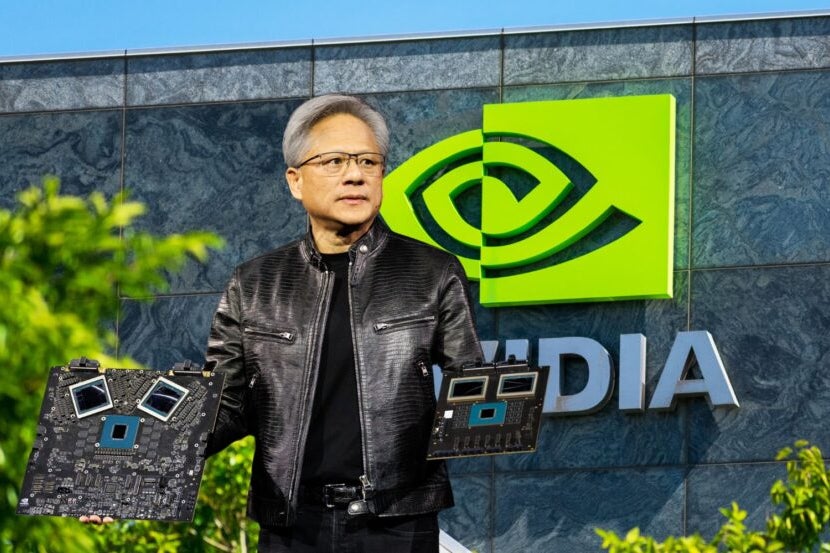
- SpaceX AI Revenue Growth: SpaceX's AI division generated $3.2 billion in revenue in 2025, growing at a 22% rate, which, while not impressive, indicates potential due to 50% of revenue coming from advertising in its social media platform.
- Nvidia's Strong Performance: Nvidia's revenue grew by 85% year-over-year in the latest quarter, with projections of 96% growth in the current quarter, demonstrating robust demand for its AI processors and solidifying its market leadership.
- Market Valuation Discrepancy: With a market cap of $5 trillion, Nvidia is 2.5 times larger than SpaceX, which reported only $20 billion in revenue for 2025, suggesting that SpaceX's stock price may be driven more by hype than by actual business performance.
- Diversification Advantage: Although SpaceX's AI performance lags behind Nvidia's, its strong growth in rocket launches and the Starlink satellite internet service could provide a competitive edge if market trends shift significantly.
See More
SpaceX Set to Launch Reusable Capsule in Key Demonstration Mission
- New Space Manufacturing Initiative: SpaceX's Starfall program is set to launch its reusable capsule for the first time, aiming to transport pharmaceutical components and other products to space, marking a significant strategic move into the growing in-space manufacturing market.
- Launch Schedule: The mission is scheduled for June 23 from Cape Canaveral Space Force Station in Florida, with a launch window opening at 6:43 AM EDT, showcasing SpaceX's ongoing innovation in the aerospace launch sector.
- Market Reaction: Ahead of the launch, SpaceX's stock fell 3%, continuing a three-day losing streak post-IPO, reflecting market caution regarding the company's future performance.
- Market Value Fluctuation: SpaceX has seen a $600 billion drop in market value amid debt funding plans, highlighting the financial pressures and market challenges the company faces as it seeks to expand its operations.
See More
SpaceX Experiences Extreme Stock Volatility Post-IPO
- Extreme Stock Volatility: SpaceX's IPO was priced at $135 per share, which surged to $226 shortly after, but has since plummeted over 31% to $154.60, indicating significant market uncertainty regarding its valuation.
- Market Capitalization: Despite the stock's volatility, SpaceX maintains a market cap of over $2.4 trillion, reflecting investor expectations for future growth, particularly in the artificial intelligence sector.
- AI Market Opportunity: In its IPO prospectus, SpaceX claimed a total addressable market of $28.5 trillion, with over 90% related to AI, highlighting the company's strategic focus on this area, especially with plans to establish orbital data centers to meet global AI demands.
- Potential of Orbital Data Centers: SpaceX asserts that orbital data centers can effectively address land and cooling cost challenges faced by terrestrial data centers, with space-based solar energy generation being five times more efficient, showcasing its competitive edge in future data infrastructure development.
See More
AI Chip Rally Fades, Defensive Stocks Gain Favor
- Defensive Stocks Resurgence: As the rally in AI chip stocks wanes, investors are shifting towards stable dividend-paying stocks, with Johnson & Johnson, Altria, and Verizon gaining around 3%, indicating a renewed interest in defensive investments.
- Bubble Concerns: Despite significant gains in many AI stocks over the past year, rising concerns about a potential bubble in tech valuations are prompting short-term traders to reduce risk profiles, leading to increased capital allocation towards blue-chip stocks.
- Johnson & Johnson's Strong Performance: J&J excels not only in pharmaceuticals but also offers diversified exposure to innovative medical devices and advanced technologies like robotic surgery, bolstered by an impressive 64 consecutive years of dividend increases, enhancing market confidence.
- Verizon's Market Strategy: Verizon aims to alleviate customer pain points through simplified wireless and home internet plans, expecting to add up to 1 million new retail postpaid phone subscribers by 2026, with shares trading at less than 10 times projected earnings, indicating strong investment potential.
See More
SpaceX's New Agreements Propel Revenue Growth
- Revenue Growth Potential: SpaceX's revenue growth slowed to 15.4% in Q1 2026, reaching $4.7 billion with an operating loss of $1.9 billion; however, new computing infrastructure leasing agreements are expected to significantly boost revenue.
- Major Partnership Agreement: The deal with Anthropic will generate approximately $1.25 billion monthly for SpaceX, totaling around $15 billion by 2029, marking one of the largest AI cloud infrastructure deals to date.
- Collaboration with Alphabet: SpaceX's agreement with Alphabet will bring in $920 million monthly for 32 months, potentially generating nearly $30 billion in revenue, further solidifying its position in the AI market.
- Competitive Advantage Emerges: The leasing model of the Colossus supercomputers is projected to create over $2.5 billion in cash profit for SpaceX, showcasing its unique competitive advantage in AI infrastructure and laying the groundwork for future profitability growth.
See More
SpaceX Achieves Historic IPO, Reaches $2 Trillion Valuation
- Historic IPO: SpaceX raised $85.7 billion in its initial public offering, achieving a market cap of $2 trillion, marking the largest IPO in history, although some investors remained cautious due to high valuations.
- Market Volatility: Despite a peak market cap of $2.8 trillion, SpaceX's stock has fallen 23% from its peak, currently trading below its debut closing price, indicating a shift in market sentiment.
- New Contracts Signed: SpaceX secured a contract worth over $40 billion with AI startup Anthropic, paying $1.25 billion monthly, along with agreements with Alphabet and Reflection AI totaling over $36 billion, enhancing the company's revenue outlook.
- Revenue Forecast: With the new contracts, SpaceX is projected to generate $46.5 billion in revenue by 2026, showcasing strong growth potential in a $28.5 trillion market, although its current valuation is still considered high.
See More
Comparing AI Investments: SpaceX vs Nvidia
- SpaceX AI Revenue Growth: SpaceX's AI division generated $3.2 billion in revenue in 2025, growing at a 22% rate, which, while not impressive, indicates potential due to 50% of revenue coming from advertising in its social media platform.
- Nvidia's Strong Performance: Nvidia's revenue grew by 85% year-over-year in the latest quarter, with projections of 96% growth in the current quarter, demonstrating robust demand for its AI processors and solidifying its market leadership.
- Market Valuation Discrepancy: With a market cap of $5 trillion, Nvidia is 2.5 times larger than SpaceX, which reported only $20 billion in revenue for 2025, suggesting that SpaceX's stock price may be driven more by hype than by actual business performance.
- Diversification Advantage: Although SpaceX's AI performance lags behind Nvidia's, its strong growth in rocket launches and the Starlink satellite internet service could provide a competitive edge if market trends shift significantly.
See More