Soligenix HyBryte Study Shows Efficacy Over Valchlor
Soligenix announced today that the positive results of its comparability study evaluating HyBryte - synthetic hypericin - versus Valchlor - mechlorethamine - for the treatment of cutaneous T-cell lymphoma, or CTCL, have been published in Oncology and Therapy. The purpose of the study was to obtain preliminary comparative assessment of the safety and efficacy of HyBryte vs. Valchlor following 12 weeks of treatment as measured in 3 to 5 prospectively identified index lesions for each patient. At the end of the 12-week treatment period, 60% of the HyBryte patients met the prospectively defined level of "Treatment Success" - greater than or equal to50% improvement in their cumulative mCAILS score compared to Baseline - vs. only 20% of the Valchlor patients; although due to the small sample size the results do not achieve statistical significance. Of the remaining two HyBryte patients that did not achieve treatment success, both saw a substantial reduction in their mCAILS score. In contrast, in the Valchlor group, of the remaining 4 patients that did not achieve treatment success, one worsened and dropped from the study, one improved less than 30% and two improved greater than 30%. The average cumulative improvement in mCAILS at 12 weeks was 52.5% in the HyBryte patients versus 34.7% in the Valchlor patients. HyBryte was well tolerated in all patients. All patients tolerated HyBryte well and had no adverse events "related" to the therapy vs. 60% of the Valchlor treated patients had at least one adverse event "related" to the therapy.
Trade with 70% Backtested Accuracy
Analyst Views on SNGX

About SNGX
About the author


Soligenix Reports Q1 2026 Financial Results with $0.28 EPS
- Earnings Performance: Soligenix reported a GAAP EPS of $0.28 for Q1 2026, indicating stable financial performance despite pressures from R&D expenditures.
- R&D Expense Trends: Research and development expenses totaled $1.8 million this quarter, slightly down from $1.9 million in the same period of 2025, primarily due to reduced costs associated with third-party manufacturing and the completion of the Phase 2 study in BD, demonstrating effective cost control.
- Stable Administrative Costs: General and administrative expenses remained flat at $1.1 million for Q1 2026 compared to the same period in 2025, reflecting effective management of administrative spending without significant fluctuations.
- Cash Position Overview: As of March 31, 2026, the company had approximately $6.0 million in cash reserves, ensuring liquidity for future R&D and operations, thereby supporting its ongoing growth strategy.
Soligenix Reports Q1 2026 Financial Results and Study Updates
- FLASH2 Study Setback: Soligenix's FLASH2 study failed to replicate the success of the first study, as HyBryte™ did not show similar efficacy after 18 weeks of treatment, which may impact the company's future clinical trial strategies and investor confidence.
- Financial Overview: As of March 31, 2026, Soligenix had approximately $6 million in cash, expected to last into Q2 2027; despite facing financial pressures, the company is evaluating strategic options, including mergers and acquisitions, to drive future growth.
- R&D Spending Changes: Research and development expenses for Q1 2026 were $1.8 million, down from $1.9 million in the same period of 2025, primarily due to reduced third-party manufacturing costs, reflecting the company's cautious approach to resource allocation.
- Clinical Trial Progress: SGX945 (dusquetide) demonstrated promising biological efficacy in a Phase 2 study for Behçet's Disease and received orphan drug designation, indicating the company's potential in developing treatments for rare diseases and paving the way for future market opportunities.

SOLIGENIX RELEASES LATEST DEVELOPMENTS AND Q1 2026 FINANCIAL RESULTS
Company Announcement: Soligenix has announced recent updates regarding its operations and financial performance.
First Quarter 2026 Results: The company has released its financial results for the first quarter of 2026, highlighting key metrics and performance indicators.
Latest Developments in the Biotech Sector
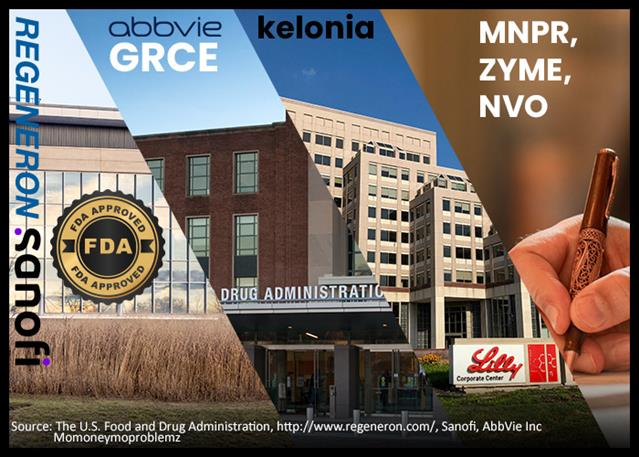
- Regulatory Approvals: Crinetics received European Commission approval for PALSONIFY to treat acromegaly in adults, becoming the first once-daily oral therapy in Europe, covering 27 EU member states, which is expected to significantly enhance market share.
- Acquisition Expansion: Teva is acquiring Emalex Biosciences for $700 million, bolstering its neuroscience pipeline and potentially accelerating the NDA submission for Ecopipam, thereby strengthening Teva's competitive position in the CNS disorders market.
- Clinical Trial Progress: Biomea Fusion's Icovamenib showed a 52% increase in mean C-peptide AUC in its Phase 2 trial for Type 1 Diabetes, indicating potential efficacy in early-stage patients, which may drive further development efforts.
- Market Reactions: Despite multiple approvals, AstraZeneca and Novartis saw their stock prices decline by 0.79% and 1.76% respectively, reflecting a cautious investor sentiment towards the biotech sector.

Lucid, Soligenix, and Sportradar Shares Under Pressure Amid Setbacks
- LCID Decline Continues: Lucid Group's shares fell 1% on Tuesday, marking its fifth consecutive day of losses due to production scale challenges and persistent operating losses, with first-quarter revenue projected at $280-$284 million and an operating loss of $1 billion, raising concerns about EV demand.
- SNGX Trial Setback: Soligenix's stock plummeted 70% after an independent panel recommended halting its late-stage HyBryte trial for cutaneous T-cell lymphoma, with CEO indicating a review of the full dataset and potential engagement with the FDA and EMA, while holding $5.9 million in cash.
- SRAD Earnings Pressure: Sportradar reported a Q1 loss per share of €0.02 despite revenue growth from €311.2 million to €346.5 million, reiterating its full-year revenue outlook of €1.56-1.58 billion, indicating ongoing profitability challenges.
- Positive Investor Sentiment: Despite reaching fresh 52-week lows, retail sentiment for LCID, SNGX, and SRAD remains broadly positive on Stocktwits, with LCID marked as “extremely bullish” and SNGX and SRAD as “bullish,” reflecting expectations for future rebounds.

Soligenix Faces Major Setback in Clinical Trial
- Trial Setback: Soligenix's HyBryte treatment for cutaneous T-cell lymphoma faced a significant setback as an independent committee recommended halting the Phase 3 FLASH2 trial due to lack of effectiveness, resulting in a more than 70% stock price drop, marking the largest intraday loss in over 14 years.
- Data Review: Despite HyBryte showing statistically significant reductions in CTCL lesions after 6 weeks in the first FLASH study, a similar effect was not observed after 18 weeks in this trial, prompting management to conduct a comprehensive data review to understand the shortfall.
- Orphan Drug Status: Soligenix's Dusquetide received orphan drug designation from the European Commission for treating Behçet's Disease, which could provide up to 10 years of market exclusivity if approved, highlighting the company's strategic positioning in the rare disease sector.
- Strategic Options: With approximately $5.9 million in cash, the company plans to evaluate all strategic options moving forward, including potential mergers and acquisitions, while advancing Dusquetide's development to address the challenges posed by the trial failure.
Soligenix Reports Q1 2026 Financial Results with $0.28 EPS
- Earnings Performance: Soligenix reported a GAAP EPS of $0.28 for Q1 2026, indicating stable financial performance despite pressures from R&D expenditures.
- R&D Expense Trends: Research and development expenses totaled $1.8 million this quarter, slightly down from $1.9 million in the same period of 2025, primarily due to reduced costs associated with third-party manufacturing and the completion of the Phase 2 study in BD, demonstrating effective cost control.
- Stable Administrative Costs: General and administrative expenses remained flat at $1.1 million for Q1 2026 compared to the same period in 2025, reflecting effective management of administrative spending without significant fluctuations.
- Cash Position Overview: As of March 31, 2026, the company had approximately $6.0 million in cash reserves, ensuring liquidity for future R&D and operations, thereby supporting its ongoing growth strategy.
Soligenix Reports Q1 2026 Financial Results and Study Updates
- FLASH2 Study Setback: Soligenix's FLASH2 study failed to replicate the success of the first study, as HyBryte™ did not show similar efficacy after 18 weeks of treatment, which may impact the company's future clinical trial strategies and investor confidence.
- Financial Overview: As of March 31, 2026, Soligenix had approximately $6 million in cash, expected to last into Q2 2027; despite facing financial pressures, the company is evaluating strategic options, including mergers and acquisitions, to drive future growth.
- R&D Spending Changes: Research and development expenses for Q1 2026 were $1.8 million, down from $1.9 million in the same period of 2025, primarily due to reduced third-party manufacturing costs, reflecting the company's cautious approach to resource allocation.
- Clinical Trial Progress: SGX945 (dusquetide) demonstrated promising biological efficacy in a Phase 2 study for Behçet's Disease and received orphan drug designation, indicating the company's potential in developing treatments for rare diseases and paving the way for future market opportunities.
SOLIGENIX RELEASES LATEST DEVELOPMENTS AND Q1 2026 FINANCIAL RESULTS
Company Announcement: Soligenix has announced recent updates regarding its operations and financial performance.
First Quarter 2026 Results: The company has released its financial results for the first quarter of 2026, highlighting key metrics and performance indicators.
Latest Developments in the Biotech Sector
- Regulatory Approvals: Crinetics received European Commission approval for PALSONIFY to treat acromegaly in adults, becoming the first once-daily oral therapy in Europe, covering 27 EU member states, which is expected to significantly enhance market share.
- Acquisition Expansion: Teva is acquiring Emalex Biosciences for $700 million, bolstering its neuroscience pipeline and potentially accelerating the NDA submission for Ecopipam, thereby strengthening Teva's competitive position in the CNS disorders market.
- Clinical Trial Progress: Biomea Fusion's Icovamenib showed a 52% increase in mean C-peptide AUC in its Phase 2 trial for Type 1 Diabetes, indicating potential efficacy in early-stage patients, which may drive further development efforts.
- Market Reactions: Despite multiple approvals, AstraZeneca and Novartis saw their stock prices decline by 0.79% and 1.76% respectively, reflecting a cautious investor sentiment towards the biotech sector.
Lucid, Soligenix, and Sportradar Shares Under Pressure Amid Setbacks
- LCID Decline Continues: Lucid Group's shares fell 1% on Tuesday, marking its fifth consecutive day of losses due to production scale challenges and persistent operating losses, with first-quarter revenue projected at $280-$284 million and an operating loss of $1 billion, raising concerns about EV demand.
- SNGX Trial Setback: Soligenix's stock plummeted 70% after an independent panel recommended halting its late-stage HyBryte trial for cutaneous T-cell lymphoma, with CEO indicating a review of the full dataset and potential engagement with the FDA and EMA, while holding $5.9 million in cash.
- SRAD Earnings Pressure: Sportradar reported a Q1 loss per share of €0.02 despite revenue growth from €311.2 million to €346.5 million, reiterating its full-year revenue outlook of €1.56-1.58 billion, indicating ongoing profitability challenges.
- Positive Investor Sentiment: Despite reaching fresh 52-week lows, retail sentiment for LCID, SNGX, and SRAD remains broadly positive on Stocktwits, with LCID marked as “extremely bullish” and SNGX and SRAD as “bullish,” reflecting expectations for future rebounds.
Soligenix Faces Major Setback in Clinical Trial
- Trial Setback: Soligenix's HyBryte treatment for cutaneous T-cell lymphoma faced a significant setback as an independent committee recommended halting the Phase 3 FLASH2 trial due to lack of effectiveness, resulting in a more than 70% stock price drop, marking the largest intraday loss in over 14 years.
- Data Review: Despite HyBryte showing statistically significant reductions in CTCL lesions after 6 weeks in the first FLASH study, a similar effect was not observed after 18 weeks in this trial, prompting management to conduct a comprehensive data review to understand the shortfall.
- Orphan Drug Status: Soligenix's Dusquetide received orphan drug designation from the European Commission for treating Behçet's Disease, which could provide up to 10 years of market exclusivity if approved, highlighting the company's strategic positioning in the rare disease sector.
- Strategic Options: With approximately $5.9 million in cash, the company plans to evaluate all strategic options moving forward, including potential mergers and acquisitions, while advancing Dusquetide's development to address the challenges posed by the trial failure.