Slowing Down: Should Investors Consider O'Reilly's Stock a Sell or a Purchase?
Stock Performance: O'Reilly Automotive's stock recently hit a 52-week low of $86.79, marking a significant drop from its high of $108.71, raising concerns about the company's financial health and future performance.
Earnings Report Impact: The company's fourth-quarter earnings report for 2025 showed impressive revenue growth of 7.8% year-over-year, but a slight miss in earnings per share (EPS) led to investor anxiety regarding profit margins and rising operational costs.
Long-Term Growth Potential: Despite short-term challenges, O'Reilly's strong sales performance and increasing demand for auto parts suggest a robust long-term growth trajectory, particularly in the professional segment of the market.
Analyst Sentiment: Analysts remain predominantly bullish on O'Reilly, with a consensus rating of "Moderate Buy" and an average price target indicating potential upside of over 20%, suggesting that the recent stock decline may be an overreaction to temporary pressures.
Trade with 70% Backtested Accuracy
Analyst Views on ORLY

About ORLY
About the author


O'Reilly Automotive Q1 2026 Earnings Call Highlights

- Significant Sales Growth: O'Reilly Automotive reported a total sales growth of 10.2% and an 8.1% increase in comparable store sales for Q1 2026, reflecting strong performance in the professional segment and further solidifying its market position.
- Improved Profitability: The operating profit increased by 14% and diluted earnings per share rose by 16% in Q1, driven by higher sales and effective cost management, which is expected to positively influence the company's full-year performance.
- Stock Buyback Program: The company repurchased 10 million shares at an average price of $92.45 per share, totaling an investment of $923 million in Q1, demonstrating management's confidence in the company's future growth prospects.
- Cautious Outlook: While management raised the full-year EPS guidance to $3.15 to $3.25, they remain cautious about consumer spending, particularly due to the potential impact of fluctuating fuel prices on consumer behavior.

U.S. Stocks Surge, Led by Tech Gains


- Tech Stock Rally: Alphabet reported Q1 revenue of $94.57 billion, exceeding the consensus of $91.57 billion, leading to a more than 9% stock increase, which not only boosted the overall market but also set new highs, indicating strong recovery potential in the tech sector.
- Chipmakers Surge: Qualcomm's Q2 adjusted revenue of $10.60 billion surpassed expectations of $10.56 billion, resulting in a stock surge of over 15%, which not only enhanced its market position but also lifted the entire semiconductor sector.
- Positive Economic Data: U.S. initial jobless claims fell to 189,000, a 57-year low, reflecting a robust labor market that further bolstered investor confidence in economic recovery, contributing to the stock market's rise.
- Oil Price Decline Supports Stocks: WTI crude oil prices fell by more than 1%, lowering inflation expectations and bond yields, which provided support for the stock market, with the 10-year T-note yield dropping to 4.38%, creating a favorable financing environment for equities.

U.S. Stocks Rise, Nasdaq Hits All-Time High

- Nasdaq Milestone: The Nasdaq 100 Index reached an all-time high, buoyed by better-than-expected earnings from Alphabet and Qualcomm, with Alphabet reporting Q1 revenue of $94.57 billion, surpassing the consensus of $91.57 billion, thus driving overall market gains.
- Strong Labor Market: U.S. initial jobless claims fell to 189,000, a 57-year low, indicating a robust labor market that exceeded expectations of 212,000, further bolstering market confidence in economic recovery.
- Declining Inflation Expectations: WTI crude oil prices dropped over 1%, leading to lower inflation expectations and bond yields, with the 10-year T-note yield down 4 basis points to 4.39%, providing support for the stock market.
- Global Economic Impact: The blockade of the Strait of Hormuz due to escalating tensions with Iran could exacerbate the global energy crisis, with Goldman Sachs estimating a reduction of nearly 500 million barrels from global crude stockpiles, potentially reaching a billion barrels by June, affecting market supply-demand dynamics.

Mixed US Stock Market Performance with Divergent Tech Sector Results
- Divergent Tech Performance: Alphabet reported Q1 revenue of $94.57 billion, exceeding the market expectation of $91.57 billion, leading to a stock price increase of over 5%, reflecting strong market demand and a recovery in advertising revenue, which boosts investor confidence.
- Market Reaction: Qualcomm's Q2 adjusted revenue surpassed expectations, with its stock rising over 6%, indicating that its expansion strategy into data centers is yielding results, potentially driving future growth.
- Economic Data Impact: Initial jobless claims in the US fell to 189,000, a 57-year low, showcasing a robust labor market that may influence the Federal Reserve's monetary policy decisions, further supporting the stock market.
- Oil Price Fluctuations: WTI crude oil prices dropped by more than 1% due to concerns that high oil prices could weigh on economic growth, potentially leading to decreased demand and affecting the performance of related energy stocks.
O'Reilly Automotive Reports Strong Q1 Results, Raises Guidance
- Strong Performance: O'Reilly Automotive reported a GAAP EPS of $0.72 for Q1 2026, beating estimates by $0.02, with revenue of $4.56 billion exceeding expectations by $100 million, indicating robust market performance.
- Guidance Upgrade: The company raised its full-year 2026 revenue guidance to $18.7 billion to $19 billion, surpassing the consensus of $18.98 billion, while EPS guidance was adjusted to $3.15 to $3.25, reflecting confidence in future performance.
- Store Expansion Plans: O'Reilly plans to open 225 to 235 new stores in 2026, enhancing market coverage and customer service capabilities to capitalize on the growing automotive aftermarket demand.
- Sales Growth Highlights: Comparable store sales increased by 8.1% in Q1, with double-digit growth in the professional segment and mid-single-digit growth in DIY, showcasing strong performance across business areas and effective cost management strategies.
Significant Premarket Trading Moves by Multiple Companies


- Meta's CapEx Increase: Meta Platforms raised its full-year capital expenditure guidance to between $125 billion and $145 billion, causing a 9% drop in stock price due to heightened concerns over AI spending, which negatively impacts investor confidence.
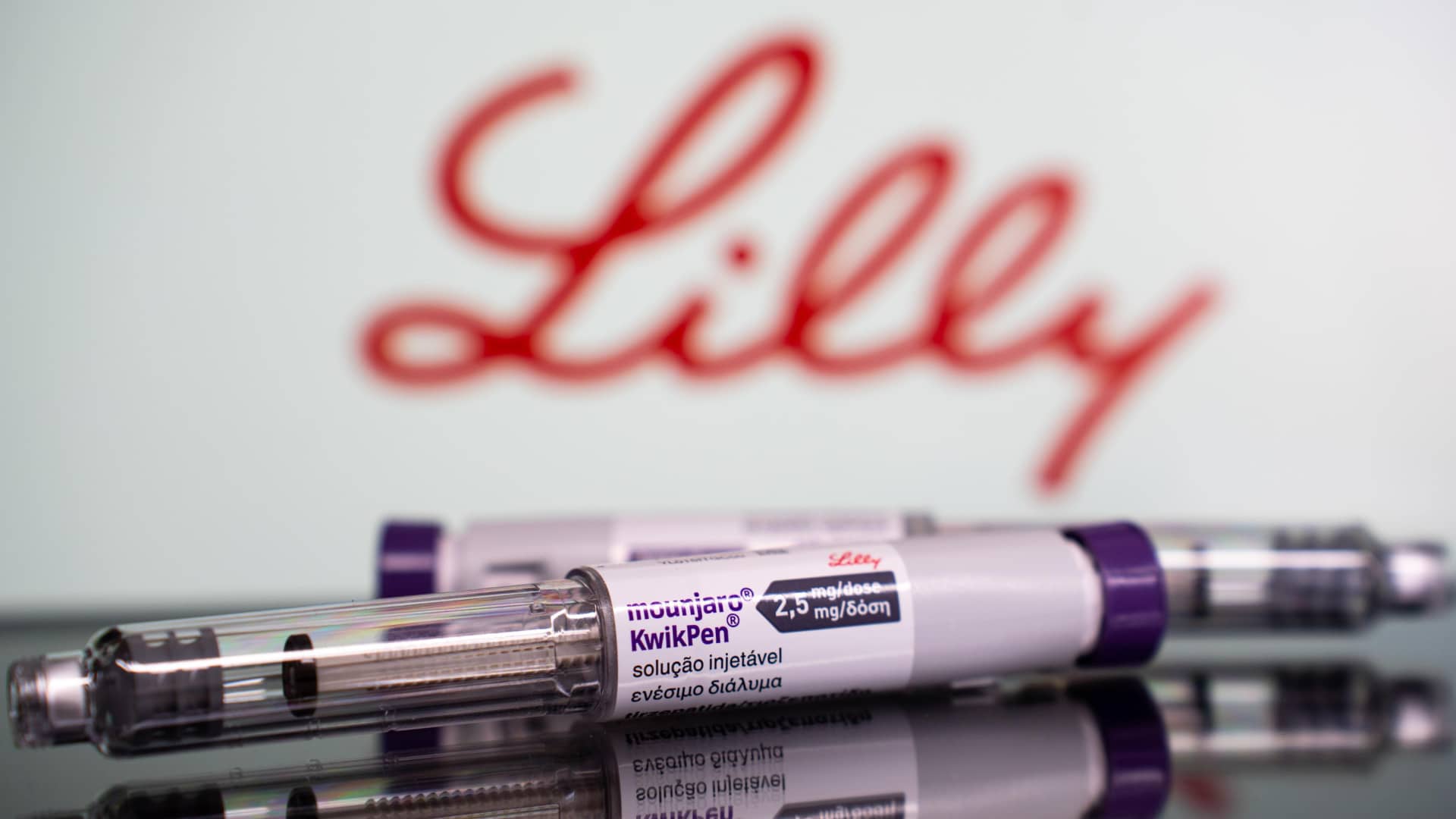
- Eli Lilly's Strong Performance: Eli Lilly's first-quarter earnings and revenue exceeded analyst expectations, leading to an almost 8% stock increase, while the company raised its full-year sales outlook to between $82 billion and $85 billion, indicating robust market demand.
- Alphabet's Impressive Earnings: Alphabet reported first-quarter revenue of $109.9 billion, surpassing the $107.2 billion expected by analysts, resulting in a 7.4% stock increase, with Google Cloud revenue soaring 63% year-over-year, showcasing strong growth potential in its cloud business.
- Royal Caribbean's Solid Results: Royal Caribbean's first-quarter adjusted earnings came in at $3.60 per share, exceeding the $3.20 expected by analysts, and despite slightly missing revenue expectations, the stock rose 7%, reflecting market confidence in its financial health.
O'Reilly Automotive Q1 2026 Earnings Call Highlights
- Significant Sales Growth: O'Reilly Automotive reported a total sales growth of 10.2% and an 8.1% increase in comparable store sales for Q1 2026, reflecting strong performance in the professional segment and further solidifying its market position.
- Improved Profitability: The operating profit increased by 14% and diluted earnings per share rose by 16% in Q1, driven by higher sales and effective cost management, which is expected to positively influence the company's full-year performance.
- Stock Buyback Program: The company repurchased 10 million shares at an average price of $92.45 per share, totaling an investment of $923 million in Q1, demonstrating management's confidence in the company's future growth prospects.
- Cautious Outlook: While management raised the full-year EPS guidance to $3.15 to $3.25, they remain cautious about consumer spending, particularly due to the potential impact of fluctuating fuel prices on consumer behavior.
U.S. Stocks Surge, Led by Tech Gains
- Tech Stock Rally: Alphabet reported Q1 revenue of $94.57 billion, exceeding the consensus of $91.57 billion, leading to a more than 9% stock increase, which not only boosted the overall market but also set new highs, indicating strong recovery potential in the tech sector.
- Chipmakers Surge: Qualcomm's Q2 adjusted revenue of $10.60 billion surpassed expectations of $10.56 billion, resulting in a stock surge of over 15%, which not only enhanced its market position but also lifted the entire semiconductor sector.
- Positive Economic Data: U.S. initial jobless claims fell to 189,000, a 57-year low, reflecting a robust labor market that further bolstered investor confidence in economic recovery, contributing to the stock market's rise.
- Oil Price Decline Supports Stocks: WTI crude oil prices fell by more than 1%, lowering inflation expectations and bond yields, which provided support for the stock market, with the 10-year T-note yield dropping to 4.38%, creating a favorable financing environment for equities.
U.S. Stocks Rise, Nasdaq Hits All-Time High
- Nasdaq Milestone: The Nasdaq 100 Index reached an all-time high, buoyed by better-than-expected earnings from Alphabet and Qualcomm, with Alphabet reporting Q1 revenue of $94.57 billion, surpassing the consensus of $91.57 billion, thus driving overall market gains.
- Strong Labor Market: U.S. initial jobless claims fell to 189,000, a 57-year low, indicating a robust labor market that exceeded expectations of 212,000, further bolstering market confidence in economic recovery.
- Declining Inflation Expectations: WTI crude oil prices dropped over 1%, leading to lower inflation expectations and bond yields, with the 10-year T-note yield down 4 basis points to 4.39%, providing support for the stock market.
- Global Economic Impact: The blockade of the Strait of Hormuz due to escalating tensions with Iran could exacerbate the global energy crisis, with Goldman Sachs estimating a reduction of nearly 500 million barrels from global crude stockpiles, potentially reaching a billion barrels by June, affecting market supply-demand dynamics.
Mixed US Stock Market Performance with Divergent Tech Sector Results
- Divergent Tech Performance: Alphabet reported Q1 revenue of $94.57 billion, exceeding the market expectation of $91.57 billion, leading to a stock price increase of over 5%, reflecting strong market demand and a recovery in advertising revenue, which boosts investor confidence.
- Market Reaction: Qualcomm's Q2 adjusted revenue surpassed expectations, with its stock rising over 6%, indicating that its expansion strategy into data centers is yielding results, potentially driving future growth.
- Economic Data Impact: Initial jobless claims in the US fell to 189,000, a 57-year low, showcasing a robust labor market that may influence the Federal Reserve's monetary policy decisions, further supporting the stock market.
- Oil Price Fluctuations: WTI crude oil prices dropped by more than 1% due to concerns that high oil prices could weigh on economic growth, potentially leading to decreased demand and affecting the performance of related energy stocks.
O'Reilly Automotive Reports Strong Q1 Results, Raises Guidance
- Strong Performance: O'Reilly Automotive reported a GAAP EPS of $0.72 for Q1 2026, beating estimates by $0.02, with revenue of $4.56 billion exceeding expectations by $100 million, indicating robust market performance.
- Guidance Upgrade: The company raised its full-year 2026 revenue guidance to $18.7 billion to $19 billion, surpassing the consensus of $18.98 billion, while EPS guidance was adjusted to $3.15 to $3.25, reflecting confidence in future performance.
- Store Expansion Plans: O'Reilly plans to open 225 to 235 new stores in 2026, enhancing market coverage and customer service capabilities to capitalize on the growing automotive aftermarket demand.
- Sales Growth Highlights: Comparable store sales increased by 8.1% in Q1, with double-digit growth in the professional segment and mid-single-digit growth in DIY, showcasing strong performance across business areas and effective cost management strategies.
Significant Premarket Trading Moves by Multiple Companies
- Meta's CapEx Increase: Meta Platforms raised its full-year capital expenditure guidance to between $125 billion and $145 billion, causing a 9% drop in stock price due to heightened concerns over AI spending, which negatively impacts investor confidence.
- Eli Lilly's Strong Performance: Eli Lilly's first-quarter earnings and revenue exceeded analyst expectations, leading to an almost 8% stock increase, while the company raised its full-year sales outlook to between $82 billion and $85 billion, indicating robust market demand.
- Alphabet's Impressive Earnings: Alphabet reported first-quarter revenue of $109.9 billion, surpassing the $107.2 billion expected by analysts, resulting in a 7.4% stock increase, with Google Cloud revenue soaring 63% year-over-year, showcasing strong growth potential in its cloud business.
- Royal Caribbean's Solid Results: Royal Caribbean's first-quarter adjusted earnings came in at $3.60 per share, exceeding the $3.20 expected by analysts, and despite slightly missing revenue expectations, the stock rose 7%, reflecting market confidence in its financial health.