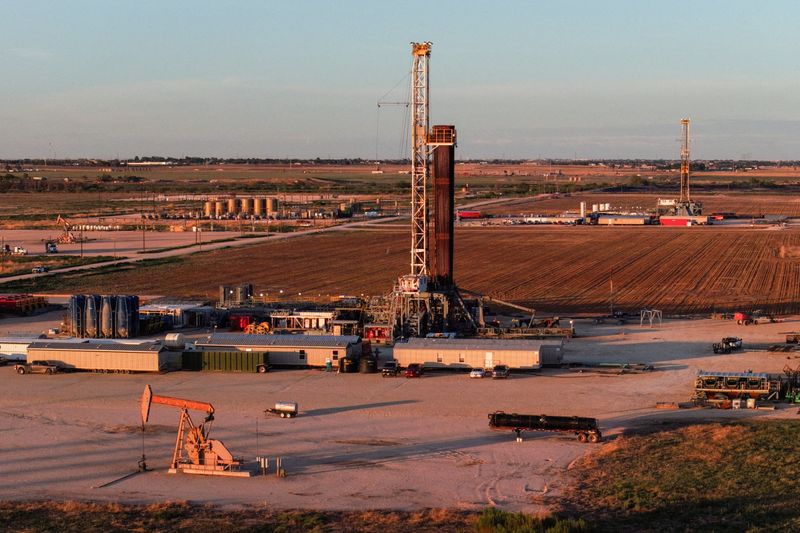
SLB Reports Decline in Q1 Net Income Amid Middle East Disruptions
Written by Emily J. Thompson, Senior Investment Analyst
Updated: Apr 24 2026
0mins
Should l Buy SLB?
Source: NASDAQ.COM
- Net Income Decline: SLB's net income for Q1 fell to $752 million from $797 million last year, primarily due to disruptions in the Middle East that curtailed activity across key segments, indicating the company's vulnerability in a volatile market environment.
- Earnings Per Share Drop: Earnings per share decreased from $0.58 to $0.50, with adjusted earnings per share dropping 33% from $0.72 to $0.52, reflecting a significant weakening in the company's profitability.
- Adjusted EBITDA Decline: Adjusted EBITDA decreased from $2.02 billion to $1.77 billion, indicating challenges in cost control and operational efficiency, which may impact future investment decisions.
- Revenue Slight Increase: Despite the decline in net income, SLB's total revenue increased slightly from $8.49 billion to $8.72 billion, demonstrating resilience in certain business areas, but the overall drop in profitability may affect investor confidence.
Trade with 70% Backtested Accuracy
Stop guessing "Should I Buy SLB?" and start using high-conviction signals backed by rigorous historical data.
Sign up today to access powerful investing tools and make smarter, data-driven decisions.
Analyst Views on SLB
Wall Street analysts forecast SLB stock price to fall
16 Analyst Rating
16 Buy
0 Hold
0 Sell
Strong Buy
Current: 53.000

Low
43.00
Averages
48.71
High
55.00
Current: 53.000
Low
43.00
Averages
48.71
High
55.00
About SLB
SLB N.V. is a global technology company. The Company’s segments include Digital, Reservoir Performance, Well Construction, Production Systems, and All Other. Digital segment includes products, services, and solutions that span the energy value chain from subsurface characterization through field development and hydrocarbon production to carbon management and the integration of adjacent energy systems. Reservoir Performance segment consists of reservoir-centric technologies and services that are critical to optimizing reservoir productivity and performance. Well Construction segment provides operators and drilling rig manufacturers with services and products related to the design and construction of a well. Production Systems segment develops technologies and provides expertise that enhances production and recovery from subsurface reservoirs to the surface, into pipelines, and to refineries. All Other segment includes asset performance solutions, data center solutions and SLB Capturi.
About the author

Emily J. Thompson
Emily J. Thompson, a Chartered Financial Analyst (CFA) with 12 years in investment research, graduated with honors from the Wharton School. Specializing in industrial and technology stocks, she provides in-depth analysis for Intellectia’s earnings and market brief reports.

Iran War Reshapes Global Energy Landscape


- Energy Security Priority: The Iranian blockade of the Strait of Hormuz has resulted in a loss of nearly one billion barrels of oil, highlighting the fragility of the global energy system and prompting governments and companies to prioritize energy security, leading to increased investment in oil exploration and production.
- Supply Diversification Demand: The closure of the Strait has underscored Asian economies' dependence on Middle Eastern crude oil and LNG, prompting nations to reassess their energy security and seek diversified supplies to mitigate risks in the future.
- Inventory Rebuilding Plans: Due to war impacts, global oil inventories have been hit, and countries are expected to rebuild stockpiles above historical levels to ensure energy security, further driving demand for U.S. crude.
- African Investment Opportunities: Elevated oil prices will stimulate investments in offshore and deepwater opportunities in Africa, the Americas, and Asia, with SLB's CEO noting Africa as a key long-term investment area, anticipating a favorable shift in portfolio allocations towards the region.
See More
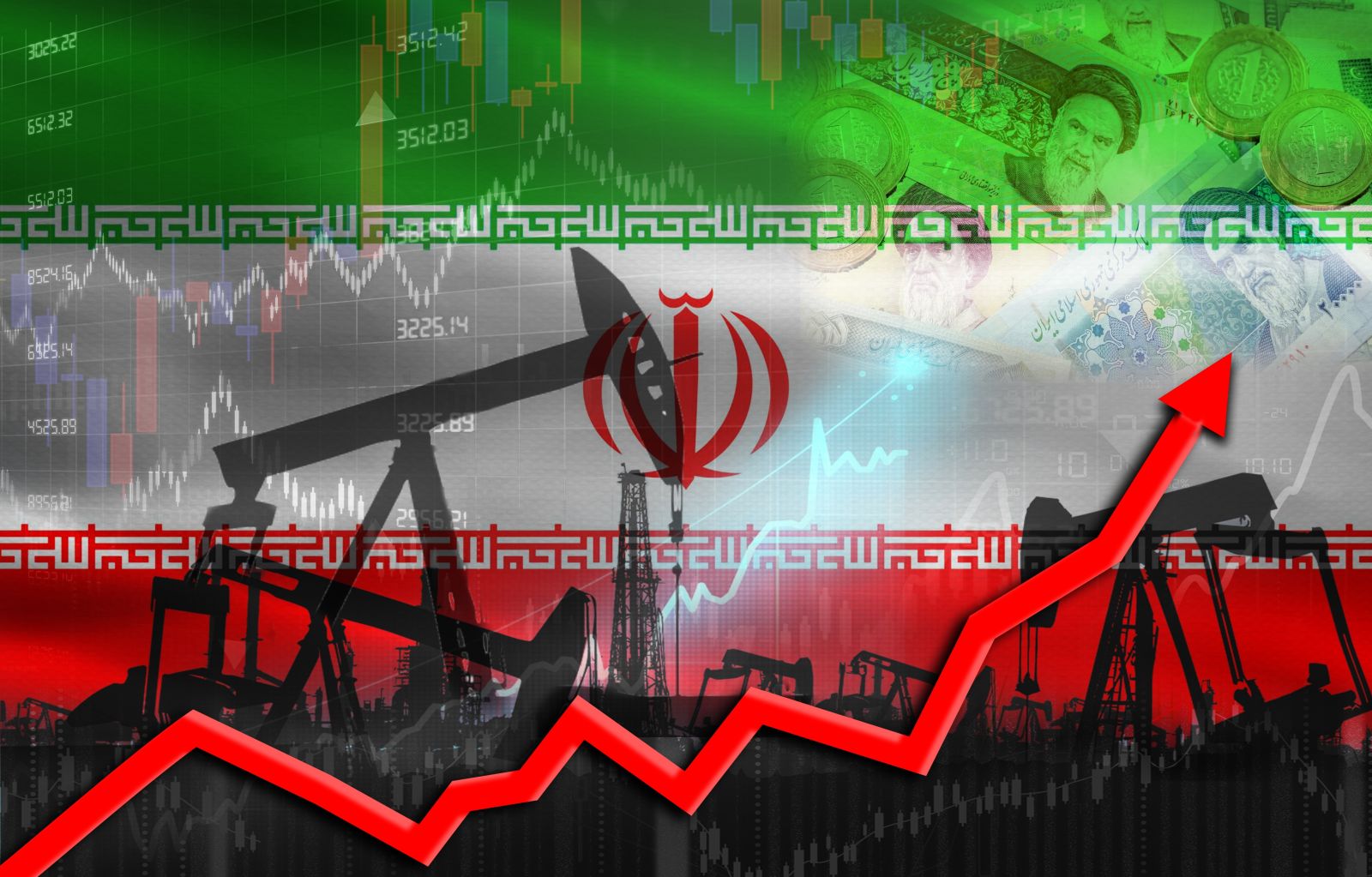
U.S. Stock Market Retreats as Oil Prices Surge


- Market Retreat: The S&P 500 Index fell by 0.40%, the Dow Jones Industrial Average by 0.51%, and the Nasdaq 100 by 0.28%, indicating a retreat in market sentiment as rising oil prices weigh on investor confidence and raise concerns about future economic prospects.
- Strong Employment Data: Initial jobless claims in the U.S. rose by 10,000 to 200,000, indicating a stronger labor market than the expected 205,000, while continuing claims unexpectedly fell by 10,000 to a 2.25-year low of 1.766 million, showcasing economic resilience.
- Productivity and Costs: U.S. Q1 nonfarm productivity increased by 0.8%, surpassing expectations of 0.6%, while unit labor costs rose by 2.3%, below the anticipated 2.5%, which may influence future inflation expectations and Fed policy decisions.
- Fed Policy Outlook: Boston Fed President indicated that interest rates should remain at “mildly restrictive” levels, suggesting that if inflation trends worsen significantly, a reassessment of policy would be necessary, with markets pricing in only a 6% chance of a rate cut at the next FOMC meeting.
See More

US Stocks Show Mixed Movement, Tech Stocks Surge
- Tech Stock Surge: Datadog reported Q1 revenue of $1.01 billion, exceeding the consensus of $957.8 million, leading to a stock price increase of over 30%, which boosts overall market sentiment and reflects strong recovery in the tech sector amid high investor expectations for artificial intelligence.
- Stable Labor Market: Initial jobless claims rose by 10,000 to 200,000, lower than the expected 205,000, indicating resilience in the labor market, while continuing claims unexpectedly fell by 10,000 to a 2.25-year low of 1.766 million, further enhancing market confidence.
- Crude Oil Price Decline: WTI crude oil prices fell by more than 4% as markets await updates on a potential US-Iran peace deal that could reopen the Strait of Hormuz, negatively impacting energy producers and leading to widespread declines in related stocks.
- Fed Policy Outlook: Boston Fed President indicated that interest rates should remain at
See More

Mixed US Stock Indices with Nasdaq 100 Reaching All-Time High

- Nasdaq Milestone: The Nasdaq 100 index rose by 0.20%, achieving a new all-time high, driven by strong performance in tech stocks, particularly Datadog, which surged over 30% following its blowout earnings report.
- Oil Price Decline: WTI crude oil prices fell by more than 4% today as the market awaits updates on a potential US-Iran peace deal that could reopen the Strait of Hormuz, impacting global oil prices and supply chains.
- Stable Labor Market: Initial US unemployment claims rose by 10,000 to 200,000, below expectations of 205,000, indicating labor market resilience, while continuing claims unexpectedly fell to a 2.25-year low of 1.766 million.
- Strong Corporate Earnings: So far, 84% of the 411 S&P 500 companies that reported earnings have beaten estimates, with Q1 earnings projected to climb 12% year-over-year, reflecting ongoing improvements in corporate profitability, although growth outside the tech sector is only 3%.
See More

Analysis of IXC ETF's 52-Week Price Range

- Price Fluctuation Analysis: IXC ETF's 52-week low is $36.7315 per share, with a high of $59.18, and the latest trade at $55.48 indicates a relatively strong performance in the current market.
- Technical Analysis Tool: Comparing the latest share price to the 200-day moving average provides valuable insights for investors, helping to assess market trends and potential buying opportunities.
- ETF Unit Trading Mechanism: ETFs trade similarly to stocks, where investors buy and sell 'units' that can be created or destroyed based on investor demand, impacting the ETF's liquidity and market performance.
- Inflows and Outflows Monitoring: Weekly monitoring of changes in shares outstanding helps identify ETFs experiencing significant inflows or outflows, allowing investors to stay informed about market dynamics and investment opportunities.
See More

SLB Predicts Oil and Gas Prices to Remain Above Pre-Conflict Levels
- Market Expectations: SLB's recent earnings call indicated that oil prices are expected to stabilize above pre-conflict levels, reflecting fundamental shifts in global liquid supply and demand dynamics, particularly due to over 500 million barrels of lost production impact.
- Energy Security Drivers: SLB emphasized that energy security concerns will continue to influence market behavior even after the Middle East conflict ends, with countries accelerating efforts to diversify supply, strengthen domestic resource development, and rebuild strategic and commercial inventories that have been depleted during the conflict.
- Strait of Hormuz Status: The Strait of Hormuz remains effectively shut to international shipping, as Iran has reportedly given the U.S. a new proposal to reopen this vital waterway, while nuclear negotiations have been postponed to a later stage.
- Price Trends: Market strategist Peter Boockvar from SLB noted that the upward trend in oil and gas prices is likely to persist, particularly against the backdrop of global economic recovery and increasing demand, which is expected to positively impact the energy market.
See More
Iran War Reshapes Global Energy Landscape
- Energy Security Priority: The Iranian blockade of the Strait of Hormuz has resulted in a loss of nearly one billion barrels of oil, highlighting the fragility of the global energy system and prompting governments and companies to prioritize energy security, leading to increased investment in oil exploration and production.
- Supply Diversification Demand: The closure of the Strait has underscored Asian economies' dependence on Middle Eastern crude oil and LNG, prompting nations to reassess their energy security and seek diversified supplies to mitigate risks in the future.
- Inventory Rebuilding Plans: Due to war impacts, global oil inventories have been hit, and countries are expected to rebuild stockpiles above historical levels to ensure energy security, further driving demand for U.S. crude.
- African Investment Opportunities: Elevated oil prices will stimulate investments in offshore and deepwater opportunities in Africa, the Americas, and Asia, with SLB's CEO noting Africa as a key long-term investment area, anticipating a favorable shift in portfolio allocations towards the region.
See More
U.S. Stock Market Retreats as Oil Prices Surge
- Market Retreat: The S&P 500 Index fell by 0.40%, the Dow Jones Industrial Average by 0.51%, and the Nasdaq 100 by 0.28%, indicating a retreat in market sentiment as rising oil prices weigh on investor confidence and raise concerns about future economic prospects.
- Strong Employment Data: Initial jobless claims in the U.S. rose by 10,000 to 200,000, indicating a stronger labor market than the expected 205,000, while continuing claims unexpectedly fell by 10,000 to a 2.25-year low of 1.766 million, showcasing economic resilience.
- Productivity and Costs: U.S. Q1 nonfarm productivity increased by 0.8%, surpassing expectations of 0.6%, while unit labor costs rose by 2.3%, below the anticipated 2.5%, which may influence future inflation expectations and Fed policy decisions.
- Fed Policy Outlook: Boston Fed President indicated that interest rates should remain at “mildly restrictive” levels, suggesting that if inflation trends worsen significantly, a reassessment of policy would be necessary, with markets pricing in only a 6% chance of a rate cut at the next FOMC meeting.
See More
US Stocks Show Mixed Movement, Tech Stocks Surge
- Tech Stock Surge: Datadog reported Q1 revenue of $1.01 billion, exceeding the consensus of $957.8 million, leading to a stock price increase of over 30%, which boosts overall market sentiment and reflects strong recovery in the tech sector amid high investor expectations for artificial intelligence.
- Stable Labor Market: Initial jobless claims rose by 10,000 to 200,000, lower than the expected 205,000, indicating resilience in the labor market, while continuing claims unexpectedly fell by 10,000 to a 2.25-year low of 1.766 million, further enhancing market confidence.
- Crude Oil Price Decline: WTI crude oil prices fell by more than 4% as markets await updates on a potential US-Iran peace deal that could reopen the Strait of Hormuz, negatively impacting energy producers and leading to widespread declines in related stocks.
- Fed Policy Outlook: Boston Fed President indicated that interest rates should remain at
See More
Mixed US Stock Indices with Nasdaq 100 Reaching All-Time High
- Nasdaq Milestone: The Nasdaq 100 index rose by 0.20%, achieving a new all-time high, driven by strong performance in tech stocks, particularly Datadog, which surged over 30% following its blowout earnings report.
- Oil Price Decline: WTI crude oil prices fell by more than 4% today as the market awaits updates on a potential US-Iran peace deal that could reopen the Strait of Hormuz, impacting global oil prices and supply chains.
- Stable Labor Market: Initial US unemployment claims rose by 10,000 to 200,000, below expectations of 205,000, indicating labor market resilience, while continuing claims unexpectedly fell to a 2.25-year low of 1.766 million.
- Strong Corporate Earnings: So far, 84% of the 411 S&P 500 companies that reported earnings have beaten estimates, with Q1 earnings projected to climb 12% year-over-year, reflecting ongoing improvements in corporate profitability, although growth outside the tech sector is only 3%.
See More
Analysis of IXC ETF's 52-Week Price Range
- Price Fluctuation Analysis: IXC ETF's 52-week low is $36.7315 per share, with a high of $59.18, and the latest trade at $55.48 indicates a relatively strong performance in the current market.
- Technical Analysis Tool: Comparing the latest share price to the 200-day moving average provides valuable insights for investors, helping to assess market trends and potential buying opportunities.
- ETF Unit Trading Mechanism: ETFs trade similarly to stocks, where investors buy and sell 'units' that can be created or destroyed based on investor demand, impacting the ETF's liquidity and market performance.
- Inflows and Outflows Monitoring: Weekly monitoring of changes in shares outstanding helps identify ETFs experiencing significant inflows or outflows, allowing investors to stay informed about market dynamics and investment opportunities.
See More
SLB Predicts Oil and Gas Prices to Remain Above Pre-Conflict Levels
- Market Expectations: SLB's recent earnings call indicated that oil prices are expected to stabilize above pre-conflict levels, reflecting fundamental shifts in global liquid supply and demand dynamics, particularly due to over 500 million barrels of lost production impact.
- Energy Security Drivers: SLB emphasized that energy security concerns will continue to influence market behavior even after the Middle East conflict ends, with countries accelerating efforts to diversify supply, strengthen domestic resource development, and rebuild strategic and commercial inventories that have been depleted during the conflict.
- Strait of Hormuz Status: The Strait of Hormuz remains effectively shut to international shipping, as Iran has reportedly given the U.S. a new proposal to reopen this vital waterway, while nuclear negotiations have been postponed to a later stage.
- Price Trends: Market strategist Peter Boockvar from SLB noted that the upward trend in oil and gas prices is likely to persist, particularly against the backdrop of global economic recovery and increasing demand, which is expected to positively impact the energy market.
See More