Significant ETF Withdrawals: USMV, MCK, COR, WM
Written by Emily J. Thompson, Senior Investment Analyst
Updated: Dec 02 2025
0mins


Source: NASDAQ.COM
52-Week Range of USMV: The USMV ETF has a 52-week low of $83.99 and a high of $95.59, with the last trade recorded at $94.31.
Understanding ETFs: Exchange-traded funds (ETFs) function like stocks, where investors buy and sell "units" that can be created or destroyed based on demand.
Monitoring ETF Flows: Weekly monitoring of shares outstanding helps identify ETFs with significant inflows (new units created) or outflows (units destroyed), impacting the underlying assets.
Disclaimer: The opinions expressed in the article are those of the author and do not necessarily represent the views of Nasdaq, Inc.
Trade with 70% Backtested Accuracy
Stop guessing "Should I Buy WM?" and start using high-conviction signals backed by rigorous historical data.
Sign up today to access powerful investing tools and make smarter, data-driven decisions.
Analyst Views on WM
Wall Street analysts forecast WM stock price to rise
20 Analyst Rating
15 Buy
5 Hold
0 Sell
Strong Buy
Current: 224.080

Low
223.00
Averages
247.61
High
266.00
Current: 224.080
Low
223.00
Averages
247.61
High
266.00
About WM
Waste Management, Inc. is a provider of environmental solutions. The Company provides collection, recycling, and disposal services to millions of residential, commercial, industrial, and municipal customers throughout the United States and Canada. Its segments include East Tier, West Tier, Recycling Processing and Sales, WM Renewable Energy, and WM Healthcare Solutions. East Tier primarily consists of geographic areas located in the Eastern U.S., the Great Lakes region and all of Canada. The West Tier primarily includes geographic areas located in the Western U.S., including the upper Midwest region and British Columbia, Canada. Recycling Processing and Sales includes the processing and sales of materials collected from residential, commercial, and industrial customers. WM Renewable Energy develops, operates, and promotes projects for the beneficial use of landfill gas. WM Healthcare Solutions includes Regulated Waste and Compliance Services and Secure Information Destruction services.
About the author

Emily J. Thompson
Emily J. Thompson, a Chartered Financial Analyst (CFA) with 12 years in investment research, graduated with honors from the Wharton School. Specializing in industrial and technology stocks, she provides in-depth analysis for Intellectia’s earnings and market brief reports.

UBS Identifies Attractive Defensive Stock Opportunities


- Market Concentration Analysis: According to UBS, the market experienced strong gains in the first half of the year, primarily driven by a handful of megacap tech companies, leading to historically low correlations across stocks, indicating that investors are avoiding lower-risk companies, which has made many defensive stocks attractive in valuation.
- Valuation Gap in Defensive Stocks: Analyst Sean Burns highlighted that the gap between expensive and cheap defensive stocks is near the widest levels seen since 1990, nearly double the long-run average, with low-risk stocks trading at a market-implied yield of 4.4% compared to just 1.4% for high-risk stocks.
- Quality Defensive Stock Screening: UBS screened for defensive stocks with a market cap of at least $5 billion and a negative correlation to the S&P 500 over the past year, finding that these stocks not only exhibit low volatility but are also trading at discounts, all rated as buys by UBS.
- Individual Stock Performance Expectations: For instance, PepsiCo (PEP) is down about 6% year-to-date but is expected to report strong second-quarter earnings, with its North American food business recovering volume growth after price cuts; McDonald's (MCD) also beat first-quarter earnings expectations and is expected to continue gaining market share globally.
See More

Rising Recession Risks for 2027 Amid Economic Turmoil

- Recession Probability: A J.P. Morgan study indicates a 35% chance of a global recession in 2026, with ongoing concerns about the Middle East and U.S. inflation, prompting investors to prepare for potential economic downturns.
- Kroger's Strong Performance: Kroger reported Q1 2026 revenue of $46.1 billion, up 2.2% year-over-year, with a notable 19% increase in e-commerce sales, demonstrating resilience during economic downturns, while offering a 2.5% dividend yield that attracts investors.
- UnitedHealth Group's Recovery: UnitedHealth Group's Q1 revenue reached $111.7 billion, a 2% increase from last year, and raised its full-year EPS outlook to $17.35, reflecting strong performance in the healthcare insurance market, with a dividend yield of 2.13%.
- WM's Steady Growth: WM's Q1 revenue was $6.22 billion, up 3.5% year-over-year, with EPS rising to $1.79, showcasing the stability of its waste management business amid economic fluctuations, and offering a dividend yield of 1.58%.
See More

Kroger, UnitedHealth, and WM's Recession-Proof Strategies
- Kroger's Market Share: Kroger holds an 8.6% market share in the U.S., second only to Walmart's 21.2%, with Q1 revenue reaching $46.1 billion, a 2.2% increase, highlighting the significance of its low-cost brands amid economic uncertainty.
- UnitedHealth's Performance Recovery: UnitedHealth reported Q1 revenues of $111.7 billion, up 2% year-over-year, and raised its full-year EPS outlook to $17.35, reflecting success in cost control and increased demand for healthcare services.
- WM's Stable Growth: WM achieved Q1 revenue of $6.22 billion, a 3.5% increase, while averaging 19,000 daily routes, demonstrating its ability to maintain stable cash flow and profitability during economic fluctuations.
- Recession-Proof Investment Choices: Despite Kroger's 7% stock decline this year, its 2.5% dividend yield and strong market position make it a preferred choice for recessionary investors, with UnitedHealth and WM also showing solid risk resilience.
See More
Investment Opportunities Amid Inflation
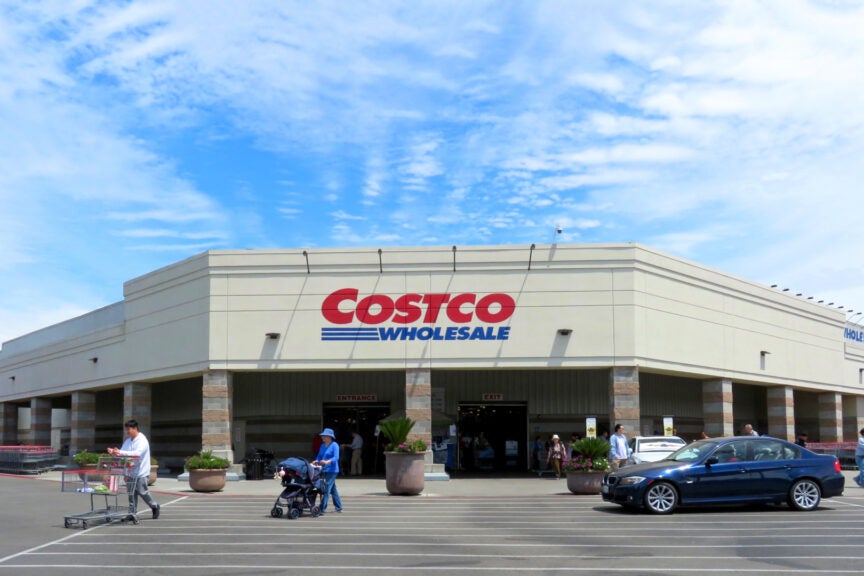
- Stable Membership Revenue: Costco maintains steady revenue through membership fees, with net sales rising 11.6% and same-store sales up 9.8% year-over-year, demonstrating strong performance in a high-inflation environment and attracting long-term investor interest despite valuation concerns.
- Payment Processing Growth: Visa benefits from high inflation, reporting $11.2 billion in revenue last quarter, a 17% year-over-year increase, with adjusted earnings per share rising 20%, indicating strong growth potential in the shift towards a cashless society and likely future valuation increases.
- Waste Management Advantage: WM, the largest waste management company in the U.S. with a 31.7% market share, sees revenue tied to CPI, with a 70 basis point improvement in EBITDA margin in Q1, alongside a 3.5% revenue increase and 8.4% earnings growth, showcasing resilience in a high-inflation context.
- Investor Focus: Although Costco was not recommended as a top investment by Motley Fool Stock Advisor, its performance in inflationary conditions and stable membership revenue make it a quality stock for long-term holding, warranting investor attention.
See More

US May CPI Rises 4.1% Year-Over-Year, Inflation Challenges Persist
- Inflation Data Rise: In May 2023, the US Consumer Price Index (CPI) rose 4.1% year-over-year, marking the largest increase in three years, indicating ongoing inflation challenges that may influence future monetary policy decisions.
- Gas Prices Impact: Rising gasoline prices were a key driver of last month's CPI increase, although easing geopolitical tensions may lead to lower energy prices in the coming months, potentially alleviating inflationary pressures.
- Costco's Strong Performance: Costco continues to thrive in the inflationary environment, with its latest quarterly net sales rising 11.6% year-over-year and same-store sales up 9.8%, demonstrating its strong appeal in consumer spending.
- Growth Potential for Visa and WM: Visa benefits from increased transaction volumes in a high-inflation environment, reporting $11.2 billion in revenue for the latest quarter, a 17% year-over-year increase; meanwhile, WM achieves revenue growth of 3.5% in Q1, supported by long-term contracts and CPI increases.
See More

Analysis of Bill Gates' Wealth Investment Portfolio

- Portfolio Overview: Bill Gates' wealth investment portfolio is heavily concentrated in four companies, with over three-quarters of assets focused on stable sectors like finance and industrials, indicating a preference for traditional industries.
- Berkshire Hathaway: The Gates Foundation holds 24.6% of Berkshire Hathaway, maintaining its largest position despite donation spending requirements, reflecting confidence in Warren Buffett's management and a long-term investment strategy.
- Caterpillar's Growth: Caterpillar represents 18.3% of the Gates Foundation's portfolio, with its power generation segment experiencing a 48% year-over-year revenue increase driven by data center construction demand, showcasing strong market demand and future growth potential.
- Canadian National Railway's Efficiency: Canadian National Railway accounts for 17.4% of the portfolio, benefiting from efficient operations and a 15% reduction in capital expenditures, which is expected to lead to significant free cash flow growth, enhancing its long-term investment appeal.
See More
UBS Identifies Attractive Defensive Stock Opportunities
- Market Concentration Analysis: According to UBS, the market experienced strong gains in the first half of the year, primarily driven by a handful of megacap tech companies, leading to historically low correlations across stocks, indicating that investors are avoiding lower-risk companies, which has made many defensive stocks attractive in valuation.
- Valuation Gap in Defensive Stocks: Analyst Sean Burns highlighted that the gap between expensive and cheap defensive stocks is near the widest levels seen since 1990, nearly double the long-run average, with low-risk stocks trading at a market-implied yield of 4.4% compared to just 1.4% for high-risk stocks.
- Quality Defensive Stock Screening: UBS screened for defensive stocks with a market cap of at least $5 billion and a negative correlation to the S&P 500 over the past year, finding that these stocks not only exhibit low volatility but are also trading at discounts, all rated as buys by UBS.
- Individual Stock Performance Expectations: For instance, PepsiCo (PEP) is down about 6% year-to-date but is expected to report strong second-quarter earnings, with its North American food business recovering volume growth after price cuts; McDonald's (MCD) also beat first-quarter earnings expectations and is expected to continue gaining market share globally.
See More
Rising Recession Risks for 2027 Amid Economic Turmoil
- Recession Probability: A J.P. Morgan study indicates a 35% chance of a global recession in 2026, with ongoing concerns about the Middle East and U.S. inflation, prompting investors to prepare for potential economic downturns.
- Kroger's Strong Performance: Kroger reported Q1 2026 revenue of $46.1 billion, up 2.2% year-over-year, with a notable 19% increase in e-commerce sales, demonstrating resilience during economic downturns, while offering a 2.5% dividend yield that attracts investors.
- UnitedHealth Group's Recovery: UnitedHealth Group's Q1 revenue reached $111.7 billion, a 2% increase from last year, and raised its full-year EPS outlook to $17.35, reflecting strong performance in the healthcare insurance market, with a dividend yield of 2.13%.
- WM's Steady Growth: WM's Q1 revenue was $6.22 billion, up 3.5% year-over-year, with EPS rising to $1.79, showcasing the stability of its waste management business amid economic fluctuations, and offering a dividend yield of 1.58%.
See More
Kroger, UnitedHealth, and WM's Recession-Proof Strategies
- Kroger's Market Share: Kroger holds an 8.6% market share in the U.S., second only to Walmart's 21.2%, with Q1 revenue reaching $46.1 billion, a 2.2% increase, highlighting the significance of its low-cost brands amid economic uncertainty.
- UnitedHealth's Performance Recovery: UnitedHealth reported Q1 revenues of $111.7 billion, up 2% year-over-year, and raised its full-year EPS outlook to $17.35, reflecting success in cost control and increased demand for healthcare services.
- WM's Stable Growth: WM achieved Q1 revenue of $6.22 billion, a 3.5% increase, while averaging 19,000 daily routes, demonstrating its ability to maintain stable cash flow and profitability during economic fluctuations.
- Recession-Proof Investment Choices: Despite Kroger's 7% stock decline this year, its 2.5% dividend yield and strong market position make it a preferred choice for recessionary investors, with UnitedHealth and WM also showing solid risk resilience.
See More
Investment Opportunities Amid Inflation
- Stable Membership Revenue: Costco maintains steady revenue through membership fees, with net sales rising 11.6% and same-store sales up 9.8% year-over-year, demonstrating strong performance in a high-inflation environment and attracting long-term investor interest despite valuation concerns.
- Payment Processing Growth: Visa benefits from high inflation, reporting $11.2 billion in revenue last quarter, a 17% year-over-year increase, with adjusted earnings per share rising 20%, indicating strong growth potential in the shift towards a cashless society and likely future valuation increases.
- Waste Management Advantage: WM, the largest waste management company in the U.S. with a 31.7% market share, sees revenue tied to CPI, with a 70 basis point improvement in EBITDA margin in Q1, alongside a 3.5% revenue increase and 8.4% earnings growth, showcasing resilience in a high-inflation context.
- Investor Focus: Although Costco was not recommended as a top investment by Motley Fool Stock Advisor, its performance in inflationary conditions and stable membership revenue make it a quality stock for long-term holding, warranting investor attention.
See More
US May CPI Rises 4.1% Year-Over-Year, Inflation Challenges Persist
- Inflation Data Rise: In May 2023, the US Consumer Price Index (CPI) rose 4.1% year-over-year, marking the largest increase in three years, indicating ongoing inflation challenges that may influence future monetary policy decisions.
- Gas Prices Impact: Rising gasoline prices were a key driver of last month's CPI increase, although easing geopolitical tensions may lead to lower energy prices in the coming months, potentially alleviating inflationary pressures.
- Costco's Strong Performance: Costco continues to thrive in the inflationary environment, with its latest quarterly net sales rising 11.6% year-over-year and same-store sales up 9.8%, demonstrating its strong appeal in consumer spending.
- Growth Potential for Visa and WM: Visa benefits from increased transaction volumes in a high-inflation environment, reporting $11.2 billion in revenue for the latest quarter, a 17% year-over-year increase; meanwhile, WM achieves revenue growth of 3.5% in Q1, supported by long-term contracts and CPI increases.
See More
Analysis of Bill Gates' Wealth Investment Portfolio
- Portfolio Overview: Bill Gates' wealth investment portfolio is heavily concentrated in four companies, with over three-quarters of assets focused on stable sectors like finance and industrials, indicating a preference for traditional industries.
- Berkshire Hathaway: The Gates Foundation holds 24.6% of Berkshire Hathaway, maintaining its largest position despite donation spending requirements, reflecting confidence in Warren Buffett's management and a long-term investment strategy.
- Caterpillar's Growth: Caterpillar represents 18.3% of the Gates Foundation's portfolio, with its power generation segment experiencing a 48% year-over-year revenue increase driven by data center construction demand, showcasing strong market demand and future growth potential.
- Canadian National Railway's Efficiency: Canadian National Railway accounts for 17.4% of the portfolio, benefiting from efficient operations and a 15% reduction in capital expenditures, which is expected to lead to significant free cash flow growth, enhancing its long-term investment appeal.
See More