Shell Lowers Q1 Production Outlook, Flags Write-Offs And Maintenance
Written by Emily J. Thompson, Senior Investment Analyst
Updated: Apr 07 2025
0mins


Source: Benzinga
Production Outlook Revision: Shell PLC has lowered its first-quarter production guidance for Integrated Gas and Upstream segments due to unplanned maintenance and the completion of a divestment, leading to a decrease in expected output across various categories.
Financial Adjustments and Stock Performance: The company has raised its cost reduction target and plans to increase shareholder distributions while experiencing a 4.80% drop in stock price during premarket trading.
Trade with 70% Backtested Accuracy
Stop guessing "Should I Buy SHEL?" and start using high-conviction signals backed by rigorous historical data.
Sign up today to access powerful investing tools and make smarter, data-driven decisions.
Analyst Views on SHEL
Wall Street analysts forecast SHEL stock price to fall
10 Analyst Rating
5 Buy
5 Hold
0 Sell
Moderate Buy
Current: 86.820

Low
41.75
Averages
74.27
High
91.00
Current: 86.820
Low
41.75
Averages
74.27
High
91.00
About SHEL
Shell plc is an international energy company engaged in the principal aspects of the energy and petrochemical industries. The Company's segments include Integrated Gas, Upstream, Marketing, Chemicals and Products, Renewables and Energy Solutions, and Corporate. The Integrated Gas segment includes liquefied natural gas (LNG), conversion of natural gas into gas-to-liquids (GTL) fuels and other products. It includes natural gas and liquids exploration and extraction, and the operation of the upstream and midstream infrastructure. The Upstream segment includes exploration and extraction of crude oil, natural gas and natural gas liquids. It also markets and transports oil and gas and operates the infrastructure necessary to deliver them to the market. The Marketing segment comprises the Mobility, Lubricants, and Sectors & Decarbonization businesses. The Chemicals and Products segment includes chemicals manufacturing plants with their own marketing network, and refineries.
About the author

Emily J. Thompson
Emily J. Thompson, a Chartered Financial Analyst (CFA) with 12 years in investment research, graduated with honors from the Wharton School. Specializing in industrial and technology stocks, she provides in-depth analysis for Intellectia’s earnings and market brief reports.
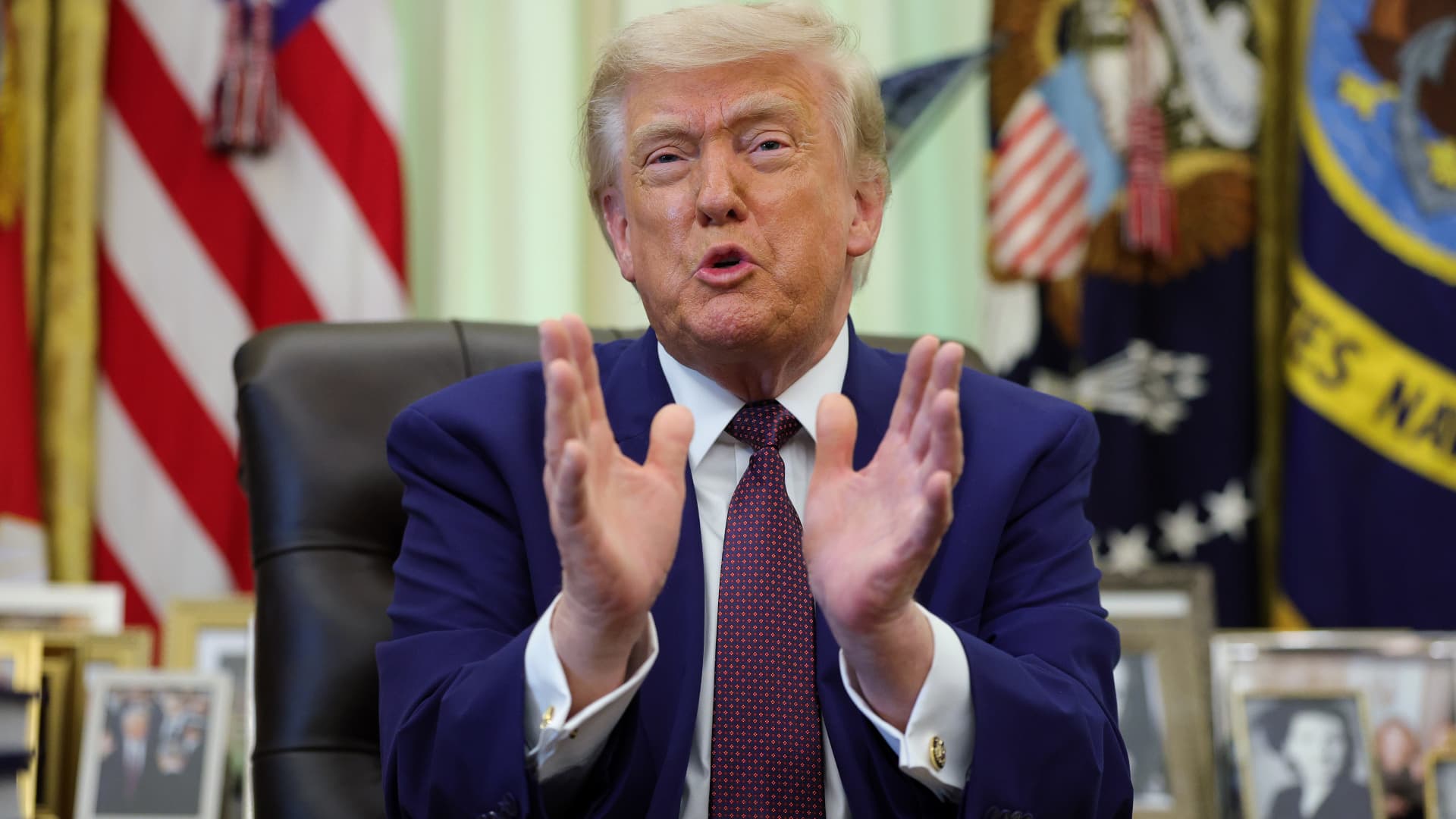
Middle East Tensions Impact Market Volatility


- Escalating Middle East Tensions: Israeli Prime Minister Netanyahu stated that Israel and the U.S. are prepared to take military action against Iran if necessary, which pushed oil prices higher despite a ceasefire agreement with Lebanon, highlighting the complexity of the situation.
- U.S. Congressional Response: The U.S. House passed a war powers measure to end military involvement in Iran, reflecting growing congressional pushback against the scope and duration of the conflict, although the measure still needs Senate approval and could face a presidential veto.
- Corporate Earnings Impact: Broadcom's shares plummeted nearly 14% in after-hours trading due to weaker-than-expected software revenue and failure to raise its full-year AI chip sales target, negatively impacting Wall Street's recent tech-led rally.
- Bitcoin Market Dynamics: Long-term holders of Bitcoin have begun selling, with approximately $2.4 billion sold in the past two days, which could significantly affect Bitcoin's supply/demand balance, particularly as 26% of the sold Bitcoin was purchased above $90,000.
See More

AI Momentum Drives Wall Street to New Heights
- Market Milestones: The S&P 500 reached another record close as traders absorbed tech headlines from the Computex conference in Taipei, reflecting strong investor confidence in the AI sector and signaling a potential influx of capital into major tech firms.
- Nvidia's Influence: CEO Jensen Huang's announcement of new PC processors developed with Microsoft at the conference led to a 32% surge in Marvell's stock, highlighting Huang's market influence and the potential for guiding future tech investments.
- Geopolitical Risks: Despite ongoing optimism in the AI space, geopolitical tensions, particularly the unresolved conflict between the U.S. and Iran, pose a risk to market sentiment, necessitating vigilance among investors.
- Oil Price Fluctuations: West Texas Intermediate futures rose over 1% to $94.81 per barrel due to potential disruptions in the Strait of Hormuz, indicating market sensitivity to geopolitical risks that could impact future energy investment strategies.
See More

Shell plc Announces Total Voting Rights Update

- Total Capital Disclosure: As of May 29, 2026, Shell plc's total ordinary shares amount to 5,586,155,889, each with a nominal value of €0.07, reflecting the company's stability and transparency in its capital structure.
- Compliance with Transparency Rules: This announcement adheres to the FCA's Disclosure Guidance and Transparency Rules, ensuring shareholders can accurately calculate their interest in Shell plc, thereby enhancing market trust.
- Share Buyback Inclusion: The total number of shares mentioned includes those purchased by Shell plc as part of its share buyback program but not yet canceled, indicating the company's proactive strategy in capital management.
- Market Communication Channels: Shell plc has provided media contact information for international and North American inquiries, demonstrating its commitment to open communication and transparency, aimed at enhancing interaction with investors and the public.
See More
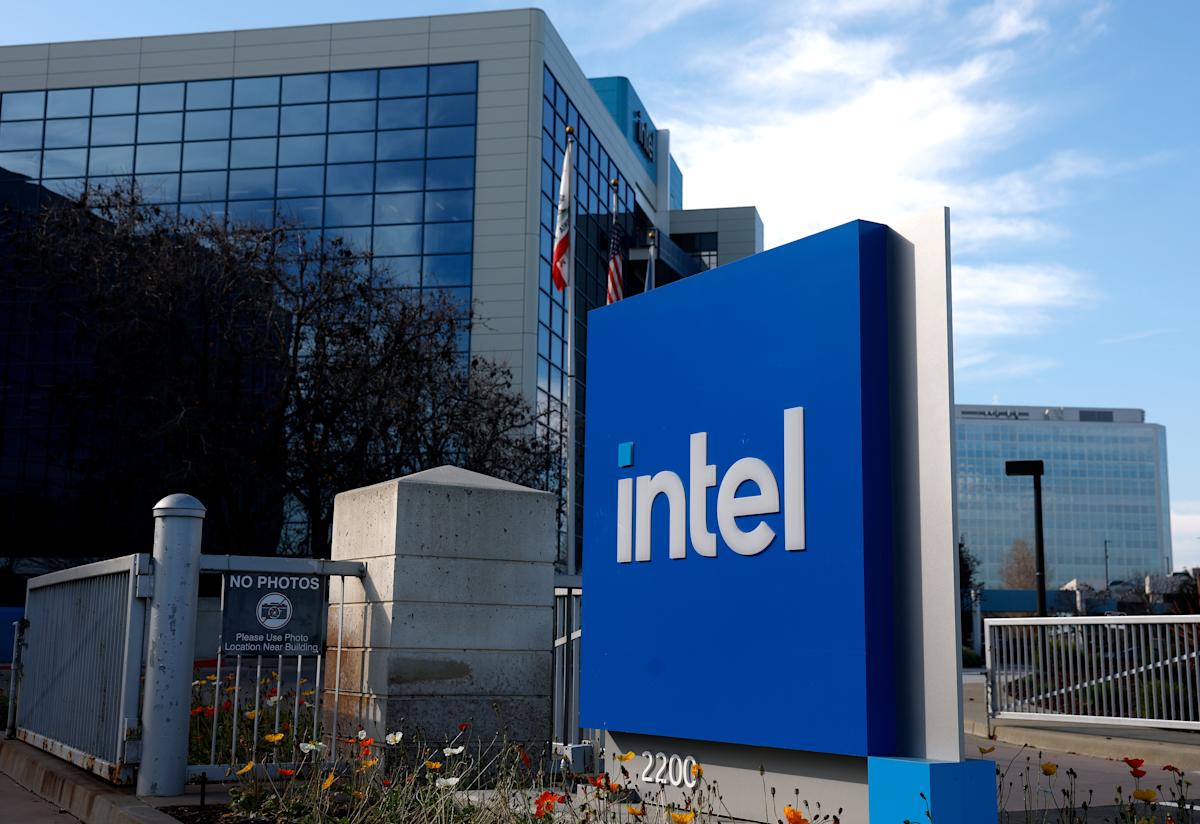
Republican Lawmakers Shift Investment Focus to Tech and Bitcoin

- Portfolio Shift: Republican lawmakers are experiencing a significant shift in their investment portfolios, particularly with increased investments in Intel (INTC) and Bitcoin (BTC-USD), reflecting President Trump's influence and potentially enhancing their competitiveness in the tech sector.
- ETF Performance: Republican investors tracking the ETF of GOP lawmakers have seen returns exceeding 20% year-to-date, while the Democratic ETF has only yielded 9%, indicating a relative advantage for Republicans in the market.
- Frequent Intel Trading: Since Trump's inauguration, Republican lawmakers have traded Intel stock nearly 50 times, with transaction values ranging from $525,000 to $1.8 million, and Intel's share in GOP portfolios has surged from 3% to 7.72%, indicating increased confidence in the company.
- Increased Bitcoin Investment: Bitcoin Trust ETF accounts for about 4% of GOP lawmakers' holdings, and Trump's support for the industry may further boost its popularity within the party, reflecting an optimistic outlook on future market structures.
See More
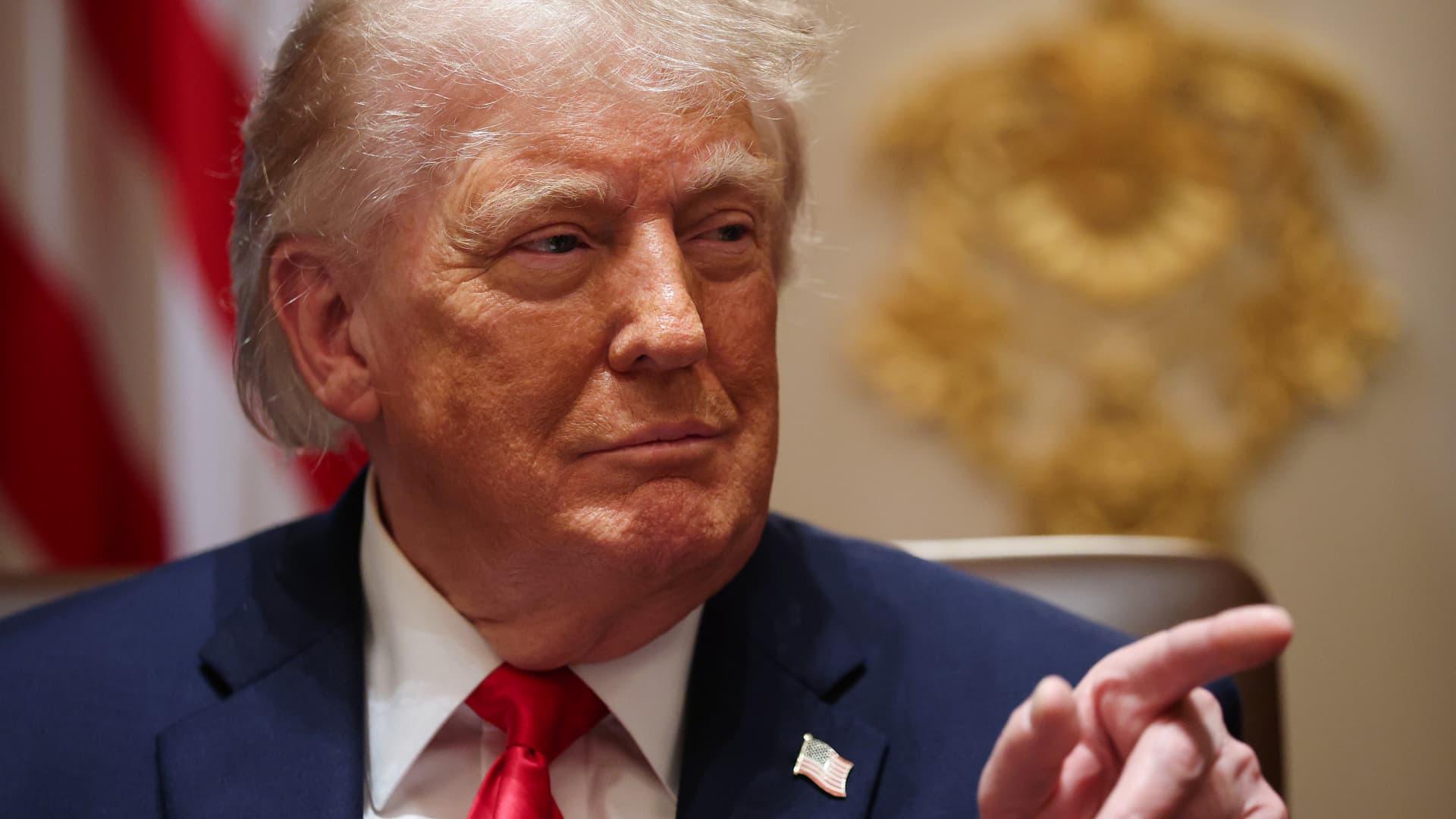
US-Iran Conflict Escalates, Oil Prices Surge Amid Economic Uncertainty
- Escalation of US-Iran Conflict: Following weeks of paused action, the US and Iran have resumed airstrikes, complicating hopes for a permanent resolution to the conflict, which is impacting global oil supplies and market sentiment.
- Strong Stock Market Performance: Despite rising geopolitical tensions, both the S&P 500 and Nasdaq Composite closed at record highs, primarily driven by a surge in AI-related stocks, indicating strong market confidence in the technology sector.
- Oil Price Warning: ExxonMobil has warned that oil inventories are on track to reach dangerously low levels in the coming weeks, forcing prices to spike and curbing demand, reflecting market concerns over energy supply.
- Wealthy Investors Pulling Out: According to the UBS Global Family Office Report, 60% of family offices plan to adjust their investment allocations in the next year, with many reducing US holdings and increasing exposure to emerging markets, highlighting a growing trend of 'de-dollarization'.
See More
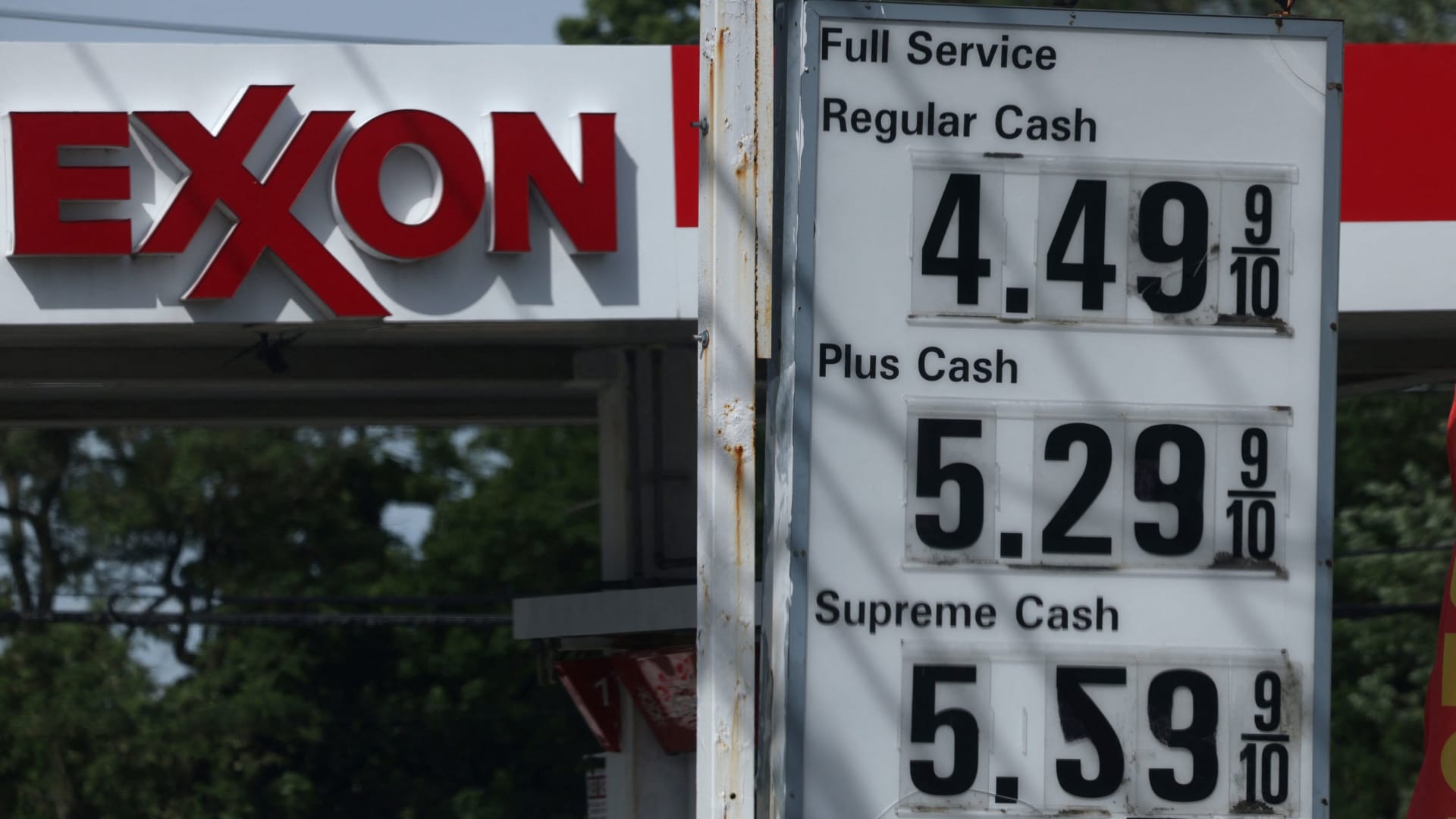
Exxon Mobil Warns of Record Low Oil Inventories Ahead

- Inventory Warning: Exxon Mobil's Neil Chapman stated at a conference that oil inventories are approaching unprecedented lows, expected to hit critical levels in the coming weeks, potentially driving prices up to $150 to $160 per barrel, significantly impacting market supply and demand dynamics.
- Demand Destruction: Chapman noted that once oil prices reach a certain threshold, demand will be curtailed, leading to a rebalancing of the market, a phenomenon that could rapidly manifest after inventories hit their minimum levels, affecting global oil market stability.
- Historic Supply Disruption: The International Energy Agency reported that Iran's closure of the Strait of Hormuz has cost the market over a billion barrels, marking the largest oil supply disruption in history; although current inventories have mitigated the impact, this situation cannot last indefinitely.
- Market Reaction Lag: Despite the crude futures market failing to adequately reflect the scale of the supply disruption caused by the war in the Middle East, Chapman emphasized that as inventories continue to dwindle, the market will inevitably face upward price pressures.
See More
Middle East Tensions Impact Market Volatility
- Escalating Middle East Tensions: Israeli Prime Minister Netanyahu stated that Israel and the U.S. are prepared to take military action against Iran if necessary, which pushed oil prices higher despite a ceasefire agreement with Lebanon, highlighting the complexity of the situation.
- U.S. Congressional Response: The U.S. House passed a war powers measure to end military involvement in Iran, reflecting growing congressional pushback against the scope and duration of the conflict, although the measure still needs Senate approval and could face a presidential veto.
- Corporate Earnings Impact: Broadcom's shares plummeted nearly 14% in after-hours trading due to weaker-than-expected software revenue and failure to raise its full-year AI chip sales target, negatively impacting Wall Street's recent tech-led rally.
- Bitcoin Market Dynamics: Long-term holders of Bitcoin have begun selling, with approximately $2.4 billion sold in the past two days, which could significantly affect Bitcoin's supply/demand balance, particularly as 26% of the sold Bitcoin was purchased above $90,000.
See More
AI Momentum Drives Wall Street to New Heights
- Market Milestones: The S&P 500 reached another record close as traders absorbed tech headlines from the Computex conference in Taipei, reflecting strong investor confidence in the AI sector and signaling a potential influx of capital into major tech firms.
- Nvidia's Influence: CEO Jensen Huang's announcement of new PC processors developed with Microsoft at the conference led to a 32% surge in Marvell's stock, highlighting Huang's market influence and the potential for guiding future tech investments.
- Geopolitical Risks: Despite ongoing optimism in the AI space, geopolitical tensions, particularly the unresolved conflict between the U.S. and Iran, pose a risk to market sentiment, necessitating vigilance among investors.
- Oil Price Fluctuations: West Texas Intermediate futures rose over 1% to $94.81 per barrel due to potential disruptions in the Strait of Hormuz, indicating market sensitivity to geopolitical risks that could impact future energy investment strategies.
See More
Shell plc Announces Total Voting Rights Update
- Total Capital Disclosure: As of May 29, 2026, Shell plc's total ordinary shares amount to 5,586,155,889, each with a nominal value of €0.07, reflecting the company's stability and transparency in its capital structure.
- Compliance with Transparency Rules: This announcement adheres to the FCA's Disclosure Guidance and Transparency Rules, ensuring shareholders can accurately calculate their interest in Shell plc, thereby enhancing market trust.
- Share Buyback Inclusion: The total number of shares mentioned includes those purchased by Shell plc as part of its share buyback program but not yet canceled, indicating the company's proactive strategy in capital management.
- Market Communication Channels: Shell plc has provided media contact information for international and North American inquiries, demonstrating its commitment to open communication and transparency, aimed at enhancing interaction with investors and the public.
See More
Republican Lawmakers Shift Investment Focus to Tech and Bitcoin
- Portfolio Shift: Republican lawmakers are experiencing a significant shift in their investment portfolios, particularly with increased investments in Intel (INTC) and Bitcoin (BTC-USD), reflecting President Trump's influence and potentially enhancing their competitiveness in the tech sector.
- ETF Performance: Republican investors tracking the ETF of GOP lawmakers have seen returns exceeding 20% year-to-date, while the Democratic ETF has only yielded 9%, indicating a relative advantage for Republicans in the market.
- Frequent Intel Trading: Since Trump's inauguration, Republican lawmakers have traded Intel stock nearly 50 times, with transaction values ranging from $525,000 to $1.8 million, and Intel's share in GOP portfolios has surged from 3% to 7.72%, indicating increased confidence in the company.
- Increased Bitcoin Investment: Bitcoin Trust ETF accounts for about 4% of GOP lawmakers' holdings, and Trump's support for the industry may further boost its popularity within the party, reflecting an optimistic outlook on future market structures.
See More
US-Iran Conflict Escalates, Oil Prices Surge Amid Economic Uncertainty
- Escalation of US-Iran Conflict: Following weeks of paused action, the US and Iran have resumed airstrikes, complicating hopes for a permanent resolution to the conflict, which is impacting global oil supplies and market sentiment.
- Strong Stock Market Performance: Despite rising geopolitical tensions, both the S&P 500 and Nasdaq Composite closed at record highs, primarily driven by a surge in AI-related stocks, indicating strong market confidence in the technology sector.
- Oil Price Warning: ExxonMobil has warned that oil inventories are on track to reach dangerously low levels in the coming weeks, forcing prices to spike and curbing demand, reflecting market concerns over energy supply.
- Wealthy Investors Pulling Out: According to the UBS Global Family Office Report, 60% of family offices plan to adjust their investment allocations in the next year, with many reducing US holdings and increasing exposure to emerging markets, highlighting a growing trend of 'de-dollarization'.
See More
Exxon Mobil Warns of Record Low Oil Inventories Ahead
- Inventory Warning: Exxon Mobil's Neil Chapman stated at a conference that oil inventories are approaching unprecedented lows, expected to hit critical levels in the coming weeks, potentially driving prices up to $150 to $160 per barrel, significantly impacting market supply and demand dynamics.
- Demand Destruction: Chapman noted that once oil prices reach a certain threshold, demand will be curtailed, leading to a rebalancing of the market, a phenomenon that could rapidly manifest after inventories hit their minimum levels, affecting global oil market stability.
- Historic Supply Disruption: The International Energy Agency reported that Iran's closure of the Strait of Hormuz has cost the market over a billion barrels, marking the largest oil supply disruption in history; although current inventories have mitigated the impact, this situation cannot last indefinitely.
- Market Reaction Lag: Despite the crude futures market failing to adequately reflect the scale of the supply disruption caused by the war in the Middle East, Chapman emphasized that as inventories continue to dwindle, the market will inevitably face upward price pressures.
See More