SA Asks: What are the best foreign ETFs right now?

Hedging Strategies for Foreign ETFs: Investors should consider hedging currency risk when investing in foreign ETFs, as a good hedging strategy can yield better results. Examples of hedged and unhedged ETF pairs include WisdomTree International Hedged Quality Dividend Growth Fund (IHDG) versus WisdomTree International Quality Dividend Growth Fund (IQDG).
Shifting Focus to Global Markets: Analysts suggest that due to current U.S. geopolitical issues and potential peak valuations, investors should diversify into international markets. Recommended ETFs include iShares MSCI Europe Financials (EUFN), iShares MSCI Japan (EWJ), and iShares Latin America 40 (ILF), among others.
Trade with 70% Backtested Accuracy
Analyst Views on EWJ
About the author


Japan's Nikkei Index Surges 4.5% Past 56,000; Korea's KOSPI Index Increases 5% to 5,800, Boosting Related ETFs with EWJ Up 3% and EWY Up 7%; DRAM Stocks, Heavily Influenced by Samsung and SK Hynix, Soar 10%.


Japan's Nikkei Performance: Japan's Nikkei share average has risen by 4.5%, surpassing 56,000 points.
KOSPI Index Growth: The Korean KOSPI index has increased by 5%, reaching 5,800 points.
ETFs Surge: Related ETFs have seen significant gains, with EWJ rising by 3% and EWY climbing by 7%.
DRAM Stocks Rise: DRAM stocks, heavily weighted in Samsung and SK Hynix, have soared by 10%.

Japan's Market Proves More Robust Than Anticipated: 3 Stocks to Watch.


- Investor Behavior: Investors have withdrawn from Japanese assets following the onset of the Iran War a month ago.
- Potential Opportunities: If the conflict de-escalates in the coming weeks, it may present buying opportunities for investors.

The Iran Conflict Highlights Taiwan Risks: Implications for Your Investment Portfolio.


- Geopolitical Risks: The ongoing war in Iran and the blockage of the Strait of Hormuz highlight significant geopolitical risks affecting global markets.
- Impact on Tech Investments: Investors in tech-heavy portfolios, particularly those focused on artificial intelligence, should be wary of the potential risks associated with Taiwan's geopolitical situation.

Tech Stocks Decline Due to AI Concerns; European Markets Could Offer Greater Stability.


- Investor Concerns: Investors are worried about a weakening dollar, prompting them to diversify their portfolios away from the U.S. market.
- Shift to Developed Markets: Over the past year, there has been a noticeable trend of moving investments into other developed markets as a strategy for risk management.
- AI-Related Equities Impact: The recent volatility in AI-related equities in the U.S. has further motivated investors to seek alternative investment opportunities.
- Portfolio Insulation: Diversifying into different markets is seen as a prudent approach to insulate portfolios from potential downturns in the U.S. economy.
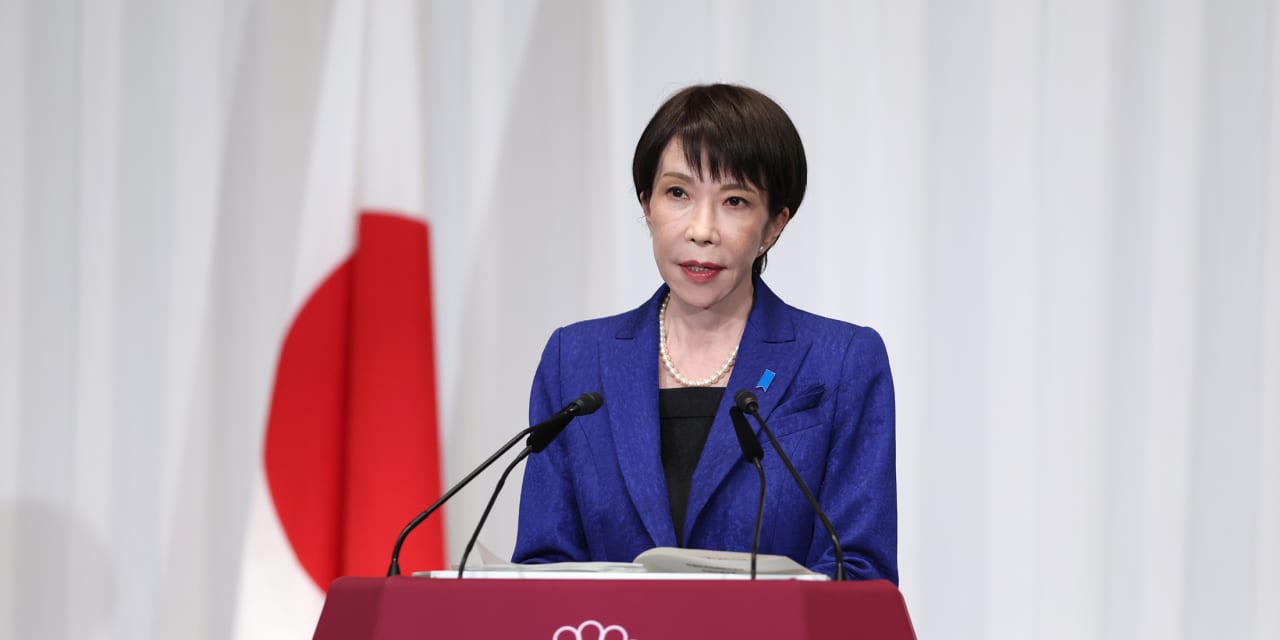
Takaichi's Victory in Japan: Facing the Challenges Ahead.

Election Victory: Japanese Prime Minister Sanae Takaichi led her Liberal Democratic Party to its largest election victory, securing a two-thirds majority in the Lower House of parliament.
Constitutional Amendments: This majority enables the party to override Upper House vetoes and pursue amendments to Japan's pacifist constitution.

Takaichi of Japan May Trigger a Reaction from Bond Vigilantes

- Political Influence: The presence of Liz Truss is being felt in Japan, highlighting the impact of female leadership in global politics.
- Emerging Leadership: Sanae Takaichi, another female politician, is noted for bringing this influence to Japan.
Japan's Nikkei Index Surges 4.5% Past 56,000; Korea's KOSPI Index Increases 5% to 5,800, Boosting Related ETFs with EWJ Up 3% and EWY Up 7%; DRAM Stocks, Heavily Influenced by Samsung and SK Hynix, Soar 10%.
Japan's Nikkei Performance: Japan's Nikkei share average has risen by 4.5%, surpassing 56,000 points.
KOSPI Index Growth: The Korean KOSPI index has increased by 5%, reaching 5,800 points.
ETFs Surge: Related ETFs have seen significant gains, with EWJ rising by 3% and EWY climbing by 7%.
DRAM Stocks Rise: DRAM stocks, heavily weighted in Samsung and SK Hynix, have soared by 10%.
Japan's Market Proves More Robust Than Anticipated: 3 Stocks to Watch.
- Investor Behavior: Investors have withdrawn from Japanese assets following the onset of the Iran War a month ago.
- Potential Opportunities: If the conflict de-escalates in the coming weeks, it may present buying opportunities for investors.
The Iran Conflict Highlights Taiwan Risks: Implications for Your Investment Portfolio.
- Geopolitical Risks: The ongoing war in Iran and the blockage of the Strait of Hormuz highlight significant geopolitical risks affecting global markets.
- Impact on Tech Investments: Investors in tech-heavy portfolios, particularly those focused on artificial intelligence, should be wary of the potential risks associated with Taiwan's geopolitical situation.
Tech Stocks Decline Due to AI Concerns; European Markets Could Offer Greater Stability.
- Investor Concerns: Investors are worried about a weakening dollar, prompting them to diversify their portfolios away from the U.S. market.
- Shift to Developed Markets: Over the past year, there has been a noticeable trend of moving investments into other developed markets as a strategy for risk management.
- AI-Related Equities Impact: The recent volatility in AI-related equities in the U.S. has further motivated investors to seek alternative investment opportunities.
- Portfolio Insulation: Diversifying into different markets is seen as a prudent approach to insulate portfolios from potential downturns in the U.S. economy.
Takaichi's Victory in Japan: Facing the Challenges Ahead.
Election Victory: Japanese Prime Minister Sanae Takaichi led her Liberal Democratic Party to its largest election victory, securing a two-thirds majority in the Lower House of parliament.
Constitutional Amendments: This majority enables the party to override Upper House vetoes and pursue amendments to Japan's pacifist constitution.
Takaichi of Japan May Trigger a Reaction from Bond Vigilantes
- Political Influence: The presence of Liz Truss is being felt in Japan, highlighting the impact of female leadership in global politics.
- Emerging Leadership: Sanae Takaichi, another female politician, is noted for bringing this influence to Japan.