Ryanair CEO O’Leary: Less than 5% Likely to Pay for Starlink Wi-Fi
Written by Emily J. Thompson, Senior Investment Analyst
Updated: Jan 21 2026
0mins
Source: stocktwits
- Low Willingness to Pay: Ryanair CEO Michael O’Leary stated that less than 5% of passengers are expected to pay for Starlink Wi-Fi services, indicating a reluctance among customers to incur additional costs, which could impact the airline's future revenue growth.
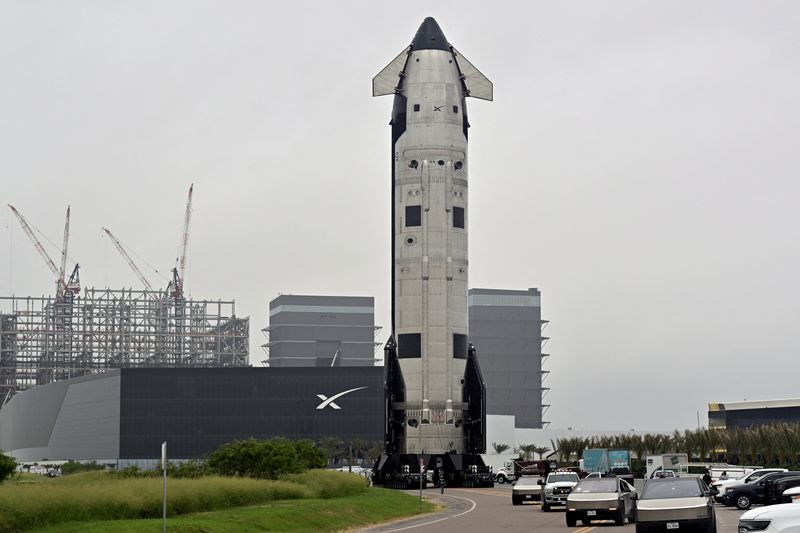
- Heavy Cost Burden: Should Ryanair opt to equip its fleet with Starlink hardware, it would face an increase in fuel and installation costs ranging from $200 million to $250 million, placing financial strain on the company and limiting its ability to invest in technological upgrades.
- Investment Opportunities Limited: O’Leary expressed openness to investment from SpaceX CEO Elon Musk but highlighted that non-European citizens cannot own a majority stake in European airlines, which restricts potential external investors and affects the company's capital structure and growth strategy.
- Market Reaction Tepid: Ryanair shares fell 0.2% in pre-market trading on Wednesday, reflecting market concerns about the company's future profitability, while retail sentiment on Stocktwits trended in the 'extremely bullish' territory, indicating a divergence in investor perceptions of the company's potential.
Trade with 70% Backtested Accuracy
Stop guessing "Should I Buy RYAAY?" and start using high-conviction signals backed by rigorous historical data.
Sign up today to access powerful investing tools and make smarter, data-driven decisions.
Analyst Views on RYAAY
Wall Street analysts forecast RYAAY stock price to rise
0 Analyst Rating
0 Buy
0 Hold
0 Sell
Current: 57.420

Low
Averages
High
Current: 57.420
Low
Averages
High
About RYAAY
Ryanair Holdings PLC is the leading airline group by passenger numbers in Europe. The company employs a low-cost no-frills model to offer low fares to leisure customers on short-haul intra-European routes. In 2020, the most recent pre-pandemic fiscal year, the company carried 149 million passengers, utilizing a fleet of 467 Boeing 737 aircraft across its 1,800 routes. To keep costs low the company serves predominantly lower-cost secondary airports. The company generated sales of EUR 8.5 billion in fiscal 2020.
About the author

Emily J. Thompson
Emily J. Thompson, a Chartered Financial Analyst (CFA) with 12 years in investment research, graduated with honors from the Wharton School. Specializing in industrial and technology stocks, she provides in-depth analysis for Intellectia’s earnings and market brief reports.

U.S. Stocks Surge Back to Record Highs Amid Market Volatility


- U.S. Stocks Surge: Despite a few days of volatile trading, U.S. stocks are set to end the week positively, with the S&P 500 expected to gain, demonstrating market resilience and investor confidence.
- Dow Jones Hits Record High: The Dow Jones Industrial Average rose over 270 points on Thursday, closing at an all-time high, reflecting optimistic expectations for economic recovery and strong corporate earnings.
- Asia-Pacific Markets Rise: Asia-Pacific markets are also trading higher as investors assess diplomatic efforts for a peace deal between the U.S. and Iran, while oil prices remain elevated due to Iran's desire to keep enriched uranium, indicating geopolitical impacts on the market.
- Luxury Sector Strong Performance: Richemont, the Swiss luxury giant, reported strong full-year sales and announced a new buyback program, indicating a recovery in the high-end consumer market and sustained investor interest in luxury brands.
See More
U.S. Stocks Rally as Investors Eye Middle East Developments


- Market Rally: The S&P 500 is on track for its eighth consecutive weekly gain, reflecting growing investor optimism regarding de-escalation in the Middle East and increased confidence in economic recovery.
- Dow Jones Surge: The Dow Jones Industrial Average rose by 276.31 points to a record close, indicating positive market sentiment towards U.S.-Iran peace negotiations, which could attract further investments.
- Oil Price Volatility: Oil prices resumed their rally after three days of declines, with Brent and U.S. West Texas Intermediate futures both advancing around 2%, highlighting market concerns over energy supply and geopolitical uncertainties.
- Quantum Computing Investment: The U.S. government announced $2 billion in grants to nine firms, with IBM receiving $1 billion, significantly boosting quantum computing stocks and showcasing the ongoing investment surge in the tech sector.
See More
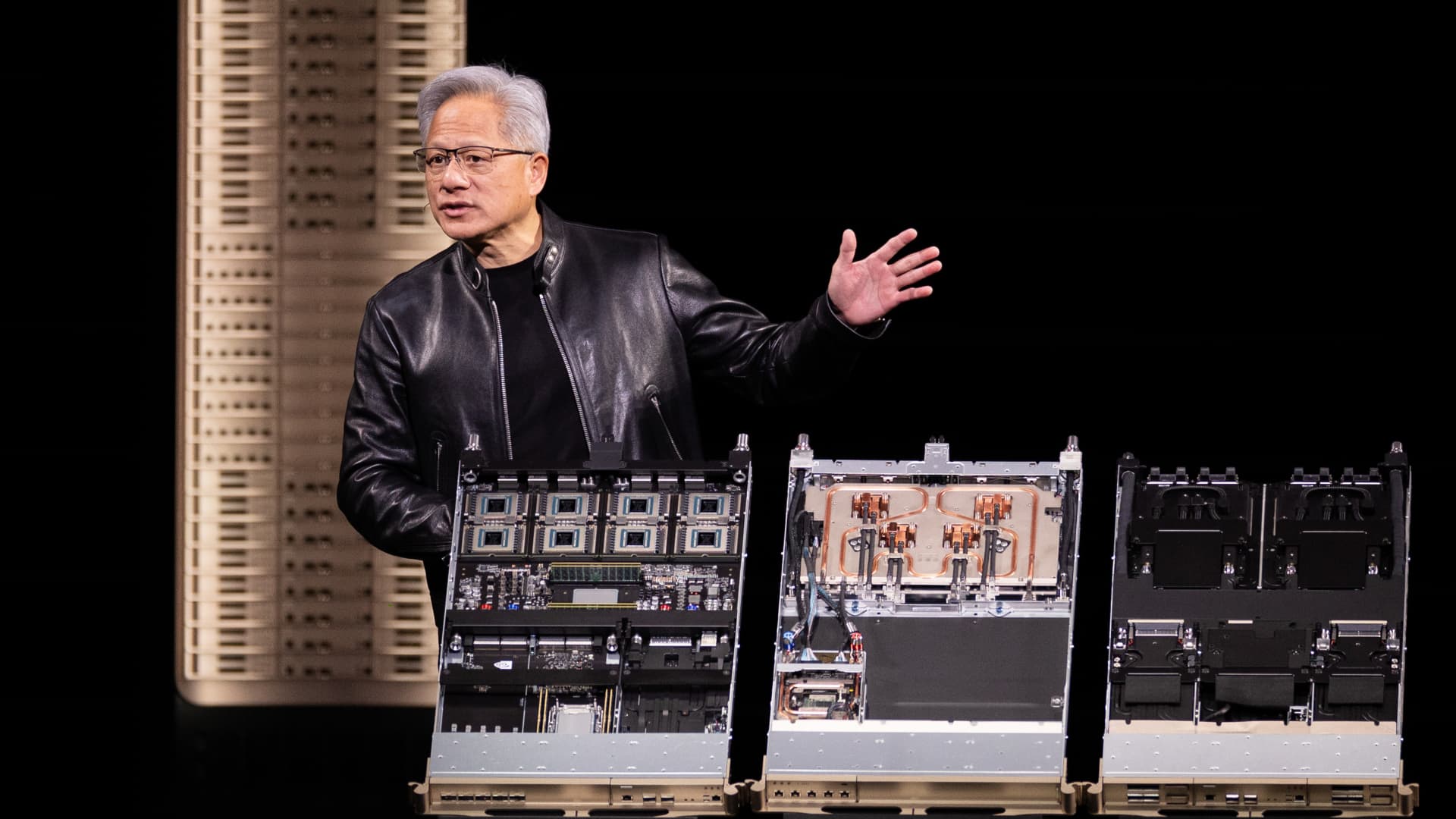
Nvidia's Earnings Beat Expectations, Stock Drop Reflects Maturity

- Strong Earnings Report: Nvidia's data center revenue nearly doubled, with overall revenue exceeding expectations, as CEO Jensen Huang stated that demand has gone parabolic, indicating robust performance in the AI sector, even though the stock slipped in after-hours trading, reflecting market recognition of its maturity.
- Supply Chain Investment: Huang emphasized the company's heavy investment across its supply chain's five layers to support rapid growth, demonstrating Nvidia's leadership in the AI industry and confidence in future developments.
- Competitive Market Pressure: Despite Nvidia's strong performance in AI, Huang admitted that the company has largely conceded the Chinese market due to U.S. export restrictions accelerating China's drive for semiconductor self-sufficiency, which could impact its future market share.
- Asian Market Reaction: Although Nvidia's stock declined, Asian tech stocks surged in response to its earnings report, with Softbank's shares soaring 20%, reflecting strong investor interest in the AI sector and further energizing regional market activity.
See More
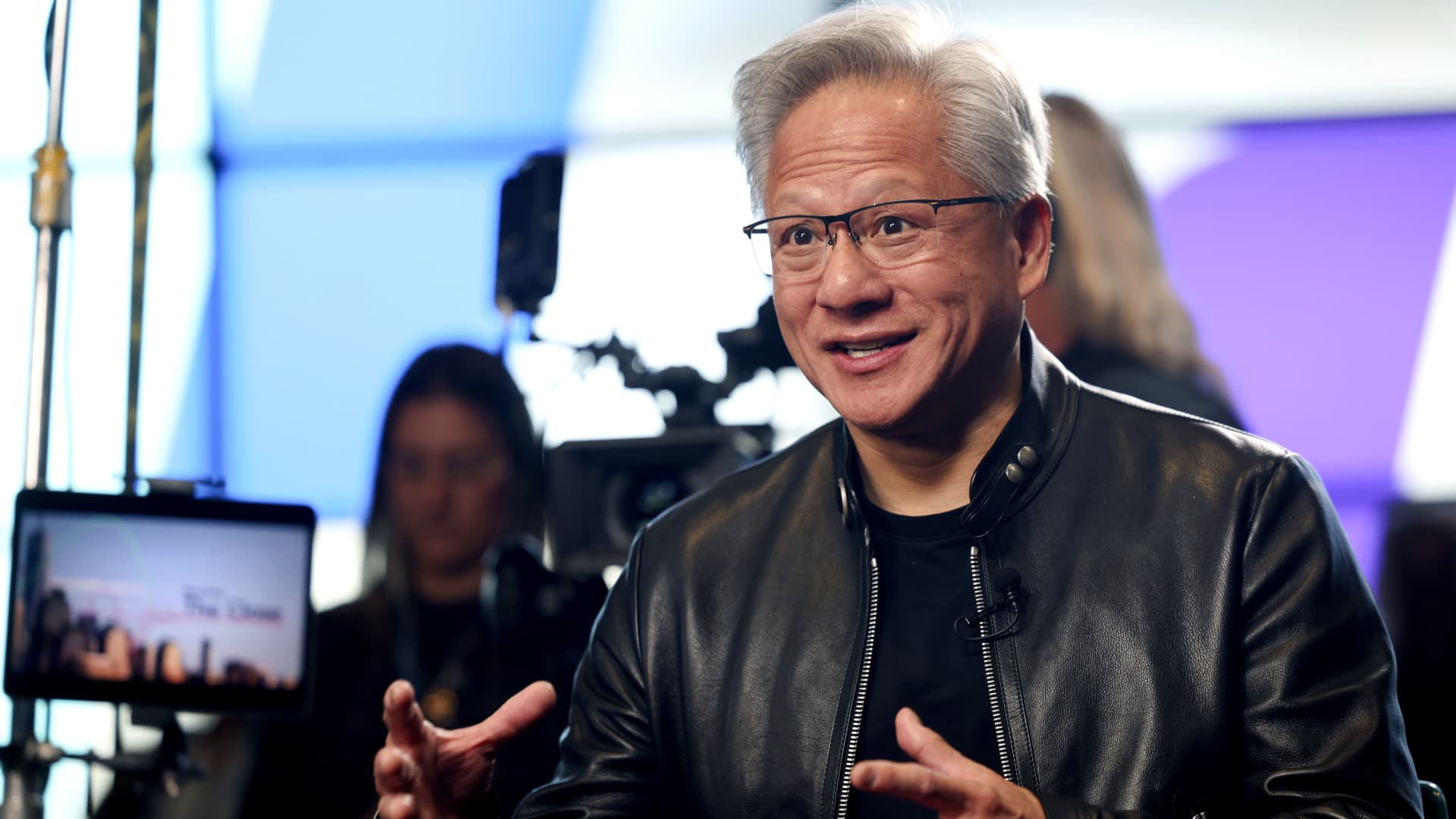
Nvidia's Strong Earnings Report Sparks Attention
- Strong Earnings: Nvidia's earnings report reveals nearly doubling year-over-year data center revenue, indicating relentless demand for its GPUs, although shares slipped in after-hours trading as investors scrutinized future guidance and rising competition.
- IPO Frenzy: SpaceX has filed for an IPO aiming to raise around $75 billion, surpassing Alibaba's record for the largest IPO, highlighting the intensifying competition among tech companies for public offerings, which could significantly impact market sentiment.
- Stabilizing Semiconductor Supply Chains: Samsung Electronics has reached a tentative agreement with its union to suspend a planned strike, likely providing temporary relief to global semiconductor supply chains critical for the ongoing AI boom.
- Market Rebound: Wall Street staged a strong rebound with the Dow surging over 600 points due to easing oil prices and moderating rate concerns, leading to a positive sentiment that has also lifted Asia-Pacific markets.
See More
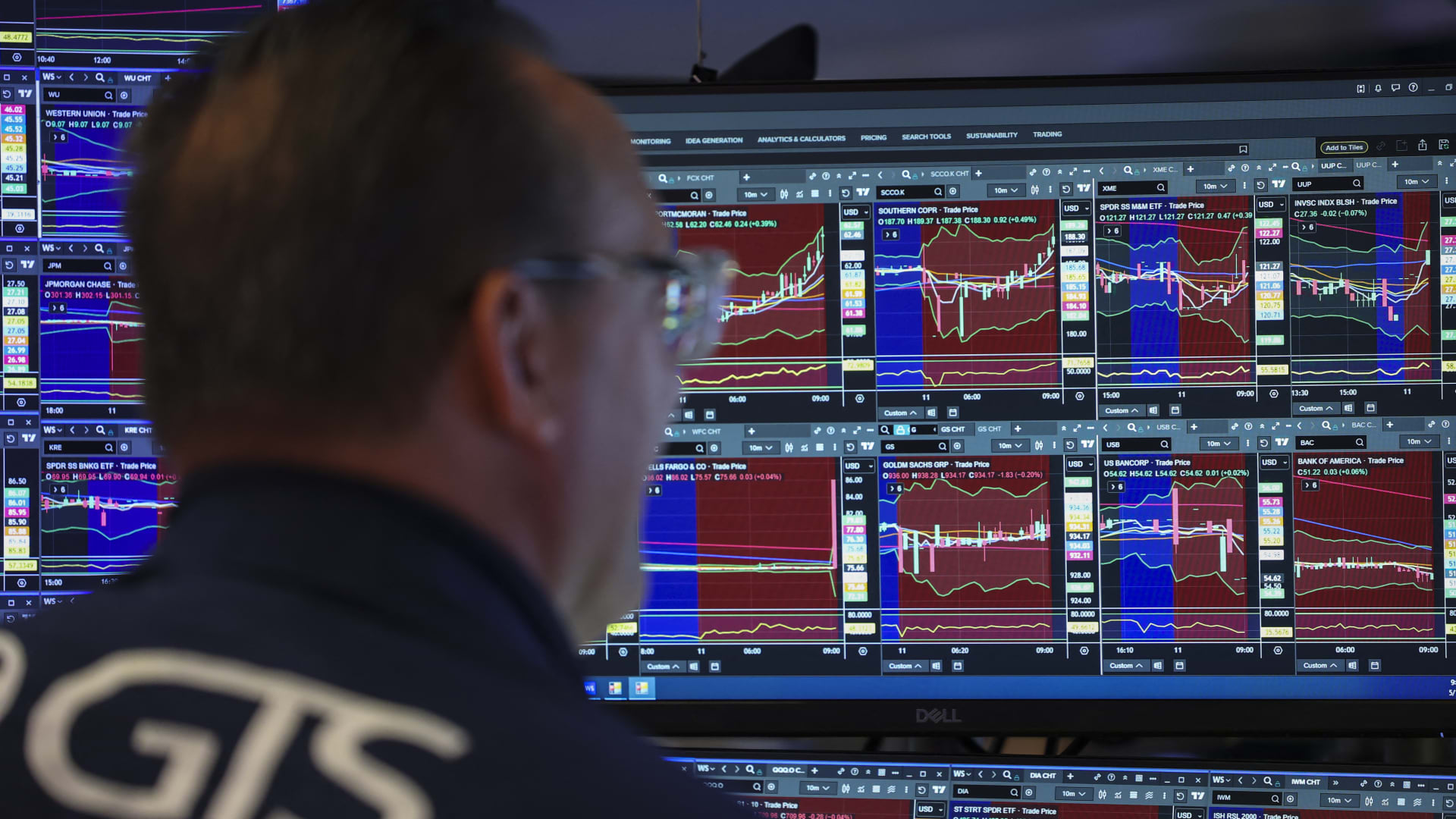
Global Markets Under Pressure from Bond Market
- Bond Market Pressure: The U.S. 30-year Treasury yield peaked at 5.19% on Tuesday, the highest in nearly 19 years, while the 10-year yield reached 4.687%, leading to widespread declines in global stock markets, indicating the negative impact of rising yields on equities.
- Equity Market Declines: The S&P 500 and Nasdaq logged their third consecutive day of losses on Tuesday, reflecting investor concerns over high yields, with Asian markets also suffering declines, particularly Japan's Nikkei 225 and South Korea's Kospi.
- Geopolitical Developments: Russian President Vladimir Putin has invited Chinese President Xi Jinping to visit Russia next year, emphasizing the deep political mutual trust and strategic cooperation between the two nations during their meeting in Beijing, highlighting the unprecedented level of ties.
- Tech Sector Focus: Nvidia is set to report earnings after the market closes on Wednesday, with investors keen on its infrastructure buildout progress, while the company also plans to open a new research center in Singapore, further solidifying its presence in the Asia-Pacific market.
See More
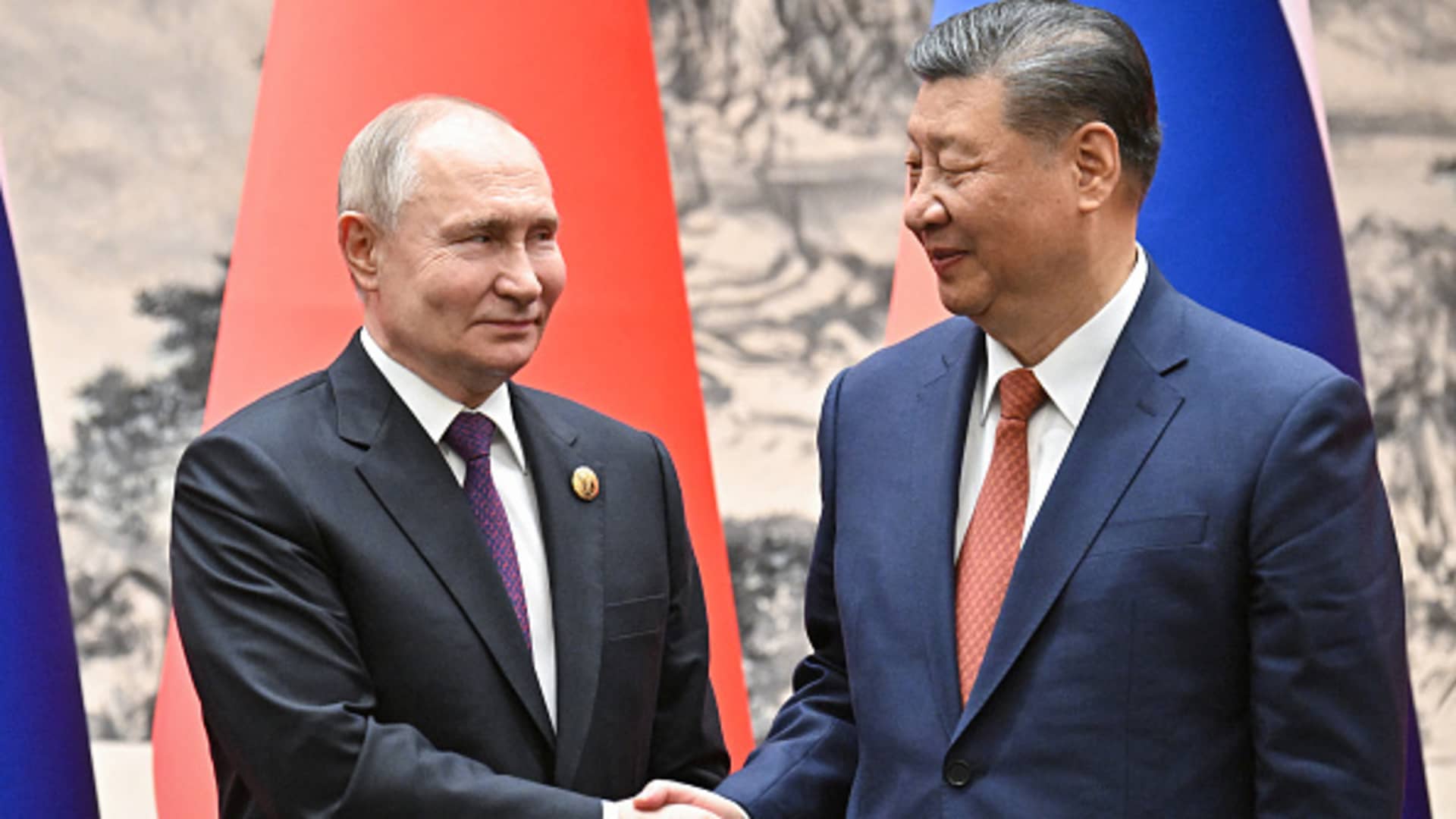
Putin and Xi Meeting Tests China-Russia Relations

- Strategic Triangle Dynamics: The two-day summit between Putin and Xi in Beijing aims to solidify China-Russia relations, particularly ensuring that any improvement in China's ties with the U.S. does not undermine their strategic cooperation.
- Energy Cooperation Focus: Putin prioritizes energy discussions, indicating that Russia is close to a significant gas and oil deal with China, which will deepen bilateral energy collaboration and enhance Russia's economic benefits.
- U.S. Influence Consideration: This meeting serves as a test for China-Russia relations and will impact U.S. foreign policy, especially after Trump's remarks suggesting that Putin may
See More
U.S. Stocks Surge Back to Record Highs Amid Market Volatility
- U.S. Stocks Surge: Despite a few days of volatile trading, U.S. stocks are set to end the week positively, with the S&P 500 expected to gain, demonstrating market resilience and investor confidence.
- Dow Jones Hits Record High: The Dow Jones Industrial Average rose over 270 points on Thursday, closing at an all-time high, reflecting optimistic expectations for economic recovery and strong corporate earnings.
- Asia-Pacific Markets Rise: Asia-Pacific markets are also trading higher as investors assess diplomatic efforts for a peace deal between the U.S. and Iran, while oil prices remain elevated due to Iran's desire to keep enriched uranium, indicating geopolitical impacts on the market.
- Luxury Sector Strong Performance: Richemont, the Swiss luxury giant, reported strong full-year sales and announced a new buyback program, indicating a recovery in the high-end consumer market and sustained investor interest in luxury brands.
See More
U.S. Stocks Rally as Investors Eye Middle East Developments
- Market Rally: The S&P 500 is on track for its eighth consecutive weekly gain, reflecting growing investor optimism regarding de-escalation in the Middle East and increased confidence in economic recovery.
- Dow Jones Surge: The Dow Jones Industrial Average rose by 276.31 points to a record close, indicating positive market sentiment towards U.S.-Iran peace negotiations, which could attract further investments.
- Oil Price Volatility: Oil prices resumed their rally after three days of declines, with Brent and U.S. West Texas Intermediate futures both advancing around 2%, highlighting market concerns over energy supply and geopolitical uncertainties.
- Quantum Computing Investment: The U.S. government announced $2 billion in grants to nine firms, with IBM receiving $1 billion, significantly boosting quantum computing stocks and showcasing the ongoing investment surge in the tech sector.
See More
Nvidia's Earnings Beat Expectations, Stock Drop Reflects Maturity
- Strong Earnings Report: Nvidia's data center revenue nearly doubled, with overall revenue exceeding expectations, as CEO Jensen Huang stated that demand has gone parabolic, indicating robust performance in the AI sector, even though the stock slipped in after-hours trading, reflecting market recognition of its maturity.
- Supply Chain Investment: Huang emphasized the company's heavy investment across its supply chain's five layers to support rapid growth, demonstrating Nvidia's leadership in the AI industry and confidence in future developments.
- Competitive Market Pressure: Despite Nvidia's strong performance in AI, Huang admitted that the company has largely conceded the Chinese market due to U.S. export restrictions accelerating China's drive for semiconductor self-sufficiency, which could impact its future market share.
- Asian Market Reaction: Although Nvidia's stock declined, Asian tech stocks surged in response to its earnings report, with Softbank's shares soaring 20%, reflecting strong investor interest in the AI sector and further energizing regional market activity.
See More
Nvidia's Strong Earnings Report Sparks Attention
- Strong Earnings: Nvidia's earnings report reveals nearly doubling year-over-year data center revenue, indicating relentless demand for its GPUs, although shares slipped in after-hours trading as investors scrutinized future guidance and rising competition.
- IPO Frenzy: SpaceX has filed for an IPO aiming to raise around $75 billion, surpassing Alibaba's record for the largest IPO, highlighting the intensifying competition among tech companies for public offerings, which could significantly impact market sentiment.
- Stabilizing Semiconductor Supply Chains: Samsung Electronics has reached a tentative agreement with its union to suspend a planned strike, likely providing temporary relief to global semiconductor supply chains critical for the ongoing AI boom.
- Market Rebound: Wall Street staged a strong rebound with the Dow surging over 600 points due to easing oil prices and moderating rate concerns, leading to a positive sentiment that has also lifted Asia-Pacific markets.
See More
Global Markets Under Pressure from Bond Market
- Bond Market Pressure: The U.S. 30-year Treasury yield peaked at 5.19% on Tuesday, the highest in nearly 19 years, while the 10-year yield reached 4.687%, leading to widespread declines in global stock markets, indicating the negative impact of rising yields on equities.
- Equity Market Declines: The S&P 500 and Nasdaq logged their third consecutive day of losses on Tuesday, reflecting investor concerns over high yields, with Asian markets also suffering declines, particularly Japan's Nikkei 225 and South Korea's Kospi.
- Geopolitical Developments: Russian President Vladimir Putin has invited Chinese President Xi Jinping to visit Russia next year, emphasizing the deep political mutual trust and strategic cooperation between the two nations during their meeting in Beijing, highlighting the unprecedented level of ties.
- Tech Sector Focus: Nvidia is set to report earnings after the market closes on Wednesday, with investors keen on its infrastructure buildout progress, while the company also plans to open a new research center in Singapore, further solidifying its presence in the Asia-Pacific market.
See More
Putin and Xi Meeting Tests China-Russia Relations
- Strategic Triangle Dynamics: The two-day summit between Putin and Xi in Beijing aims to solidify China-Russia relations, particularly ensuring that any improvement in China's ties with the U.S. does not undermine their strategic cooperation.
- Energy Cooperation Focus: Putin prioritizes energy discussions, indicating that Russia is close to a significant gas and oil deal with China, which will deepen bilateral energy collaboration and enhance Russia's economic benefits.
- U.S. Influence Consideration: This meeting serves as a test for China-Russia relations and will impact U.S. foreign policy, especially after Trump's remarks suggesting that Putin may
See More