

Rocket Lab Acquires Iridium for $8 Billion, Aiming for SpaceX Model
Written by Emily J. Thompson, Senior Investment Analyst
Updated: 5 days ago
0mins


Source: Fool
- Acquisition Overview: Rocket Lab has agreed to acquire satellite operator Iridium for approximately $8 billion, which represents about 13% of its market value and will incur billions in new debt; however, investors reacted positively, with shares rising about 16% following the announcement.
- Strategic Implications: By acquiring Iridium, Rocket Lab can bypass the lengthy processes of securing spectrum, deploying a satellite constellation, and building a customer base, with CEO Peter Beck calling it 'a defining moment for the space industry', accelerating its shift towards a SpaceX-like model.
- Financial Comparison: Iridium generated $871.7 million in revenue and $114.4 million in net income in 2025, while Rocket Lab reported $602 million in revenue and a net loss of $198.2 million during the same period; this acquisition will provide Rocket Lab with a steady subscription revenue stream, enhancing its financial position.
- Risks and Challenges: Despite the strategic potential, Iridium shareholders will receive a premium of $54 per share, and Rocket Lab will need to secure a $3.6 billion bridge loan to cover the cash portion; the deal is not expected to close until mid-2027, facing approval risks from shareholders and regulators.
Trade with 70% Backtested Accuracy
Stop guessing "Should I Buy RKLB?" and start using high-conviction signals backed by rigorous historical data.
Sign up today to access powerful investing tools and make smarter, data-driven decisions.
Analyst Views on RKLB
Wall Street analysts forecast RKLB stock price to fall
11 Analyst Rating
7 Buy
4 Hold
0 Sell
Moderate Buy
Current: 100.460

Low
63.00
Averages
86.89
High
120.00
Current: 100.460
Low
63.00
Averages
86.89
High
120.00
About RKLB
Rocket Lab Corporation is an end-to-end space company. The Company designs and manufactures small and medium-class rockets, spacecraft and spacecraft components, and related software and services to support the space economy. The Company delivers reliable launch services, satellite manufacture, spacecraft design services, spacecraft components, spacecraft manufacturing, and other spacecraft and on-orbit management solutions that make it easier to access space. Its Launch Services segment provides launch and launch-related services to customers on a dedicated mission or ride-share basis. Its Space Systems segment comprises the design and manufacture of spacecraft components and spacecraft program management services, space data applications, and mission operations. Its space systems solutions are the building blocks for spacecraft, which include composite structures, reaction wheels, star trackers, solar solutions, radios, separation systems, and command and control spacecraft software.
About the author

Emily J. Thompson
Emily J. Thompson, a Chartered Financial Analyst (CFA) with 12 years in investment research, graduated with honors from the Wharton School. Specializing in industrial and technology stocks, she provides in-depth analysis for Intellectia’s earnings and market brief reports.
SpaceX's IPO Sparks Market Buzz and Competition

- Market Buzz: Since its mid-June IPO, Space Exploration Technologies (SPCX) has become the most-discussed stock, with its valuation making it the largest IPO of one of the world's most valuable companies, reflecting high investor expectations for its future potential.
- Rocket Launch Competition: Rocket Lab (RKLB) has successfully launched 91 times, deploying over 262 satellites, and while its Electron rocket has a maximum payload of 660 pounds, the upcoming Neutron rocket is expected to increase this to nearly 30,000 pounds, indicating a growing demand for diverse launch services in the market.
- Satellite Internet Outlook: SpaceX's Starlink currently operates over 10,000 satellites serving more than 12 million customers, generating nearly $4.2 billion in revenue last year, while AST SpaceMobile (ASTS), despite having only a few satellites, could grow rapidly due to partnerships with Verizon and AT&T, with revenue expected to increase by 140% this year.
- Industry Growth Forecast: According to Precedence Research, the global launch market is expected to double by 2035, reaching $70 billion annually, positioning both Rocket Lab and AST SpaceMobile favorably within this rapidly expanding industry.
See More

SpaceX Faces Intensified Competition in Satellite Broadband and Launch Services
- Intensified Market Competition: SpaceX's satellite broadband segment is facing fierce competition from companies like Rocket Lab and AST SpaceMobile, which are rapidly developing and offering diverse launch and communication services, potentially impacting SpaceX's market share.
- Launch Market Outlook: According to Precedence Research, the global launch market is expected to exceed $70 billion by 2035, with an average annual growth rate of 13.5%, providing significant business opportunities for both SpaceX and its competitors.
- Starlink Business Expansion: SpaceX's Starlink has deployed over 10,000 satellites, serving more than 12 million customers and generating nearly $4.2 billion in revenue last year, demonstrating its strong influence in the satellite internet market.
- AST SpaceMobile's Potential: Although AST SpaceMobile is still in its early stages, its partnerships with Verizon and AT&T could enable it to achieve a 140% growth in the coming years, further challenging Starlink's market position.
See More

SpaceX to Join Nasdaq-100 on July 7, 2023


- Inclusion in Nasdaq-100: SpaceX will join the Nasdaq-100 on July 7, 2023, and historically, stocks added to the index have averaged an 18% increase in the 12 months following inclusion, which could positively impact SpaceX's stock price.
- Unprecedented Fast-Track Entry: This inclusion is unprecedented as the Nasdaq-100 typically requires stocks to be public for at least three months; however, this year the seasoning period was reduced to 15 days to expedite large IPOs, reflecting strong market confidence in SpaceX.
- Strong Market Prospects: SpaceX's Starlink satellite internet service currently serves over 10 million users, having doubled its subscriber base in the past year, and future revenue from AI infrastructure is expected to further drive growth, enhancing the company's market position.
- Valuation Challenges: Despite SpaceX's significant market potential, its valuation stands at 110 times sales, which is considerably higher than Rocket Lab's 88 times, leading to concerns that such a premium is unsustainable, prompting investors to approach with caution.
See More

SpaceX Achieves Historic IPO with $1.7 Trillion Valuation

- Successful IPO: SpaceX held its IPO on June 12 at $135 per share, achieving a market valuation of $1.7 trillion, marking it as the most valuable IPO in history and reflecting strong market confidence in its growth potential.
- Inclusion in Nasdaq-100: SpaceX will be added to the Nasdaq-100 on July 7, breaking the traditional three-month seasoning rule, which indicates a rapid response to large IPOs and is expected to attract significant capital inflows, further boosting its stock price.
- Historical Performance Expectations: Historical data shows that newly added stocks to the Nasdaq-100 average an 18% return in the 12 months post-inclusion, suggesting SpaceX's stock could rise by 18% by July 2027, providing a positive outlook for investors.
- Future Revenue Potential: SpaceX's addressable market is estimated at $28.5 trillion, with $26.5 trillion linked to AI products; however, the uncertainty surrounding future revenue streams makes the current 110 times sales valuation difficult to sustain, yet its strategic positioning in AI infrastructure indicates long-term growth prospects.
See More
Rocket Lab CEO Plans to Sell $465 Million Shares Amid Acquisition News
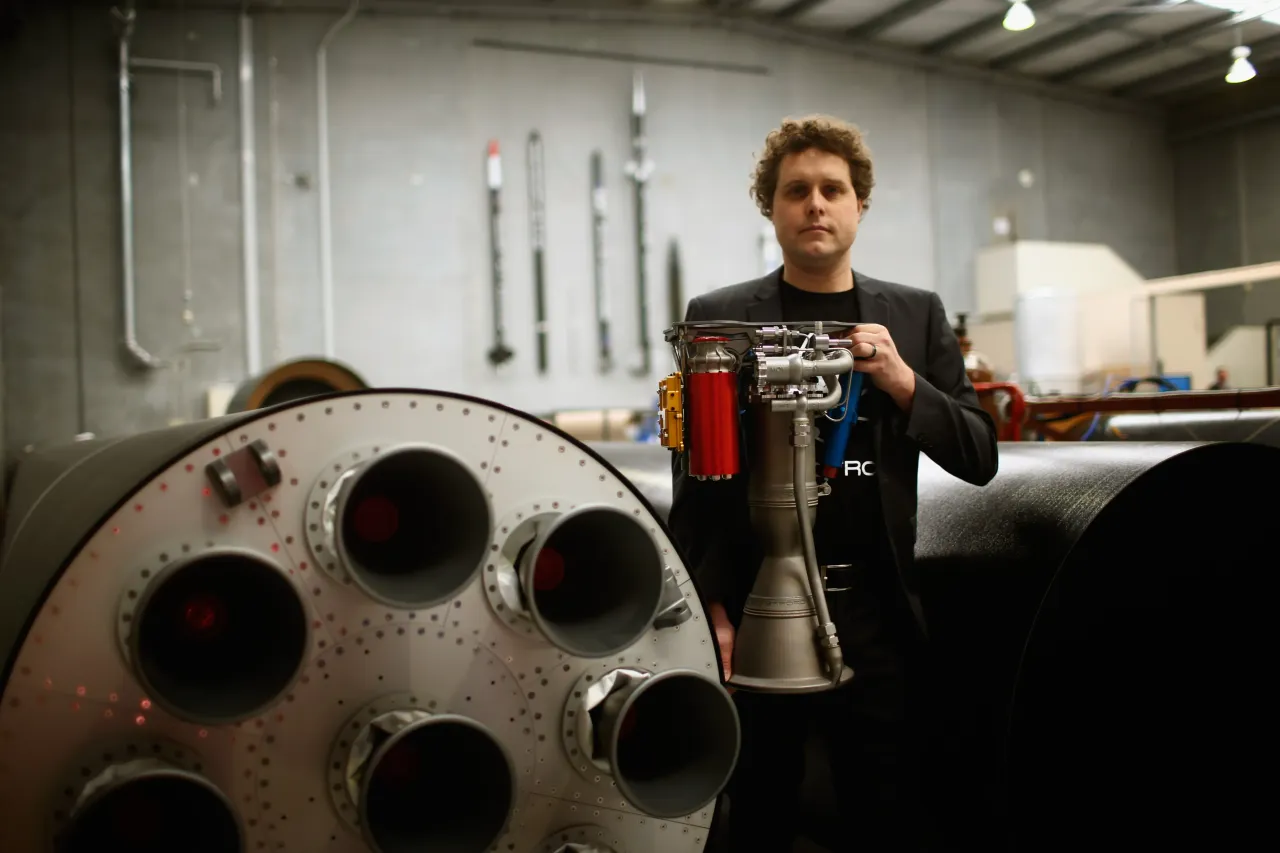
- Share Sale Plan: Rocket Lab CEO Peter Beck filed to sell 5 million shares valued at approximately $465 million, translating to about $93.09 per share, representing 0.9% of the company's 578.75 million outstanding shares, which may raise concerns about executive confidence in the company's future.
- Acquisition Announcement: Rocket Lab announced plans to acquire Iridium Communications for $54 per share in cash and stock, implying an enterprise value of about $8 billion, which will integrate Rocket Lab's launch and spacecraft manufacturing capabilities with Iridium's global satellite communications network, creating a formidable competitive position.
- Market Reaction: Despite Wall Street's optimism regarding the Iridium deal, Rocket Lab's stock fell 2% after the CEO's share sale notice and continued to slide 7% on Monday, indicating investor concerns over executive selling that could impact the company's short-term market performance.
- Analyst Perspectives: Several analysts expressed bullish views on Rocket Lab's prospects, suggesting that the combination with Iridium will position it favorably against competitors like SpaceX and Amazon, with Stifel noting that the deal transforms Rocket Lab into a vertically integrated space platform, enhancing its market standing.
See More

Rocket Lab Acquires Iridium, Poised for Significant Growth

- Massive Market Potential: Morgan Stanley forecasts that the global space industry could exceed $1 trillion by 2040, positioning Rocket Lab as a promising player in this rapidly growing sector with significant revenue opportunities over the coming decades.
- Acquisition Fuels Growth: Rocket Lab's acquisition of Iridium Communications for $8 billion, which serves 2.55 million subscribers globally, enhances its competitive edge in satellite manufacturing and launch services, directly challenging SpaceX's Starlink business segment.
- Launch Capability Enhancement: The development of Rocket Lab's Neutron rocket, designed for larger payloads, is underway and expected to launch in 2026, with 70 missions already booked, indicating strong market demand and growth potential.
- Optimistic Financial Outlook: Rocket Lab is projected to generate approximately $1.8 billion in revenue by 2026, including Iridium's contributions, showcasing robust growth prospects in the space economy, despite its current market cap of $58 billion reflecting a high valuation that may impact short-term performance.
See More
SpaceX's IPO Sparks Market Buzz and Competition
- Market Buzz: Since its mid-June IPO, Space Exploration Technologies (SPCX) has become the most-discussed stock, with its valuation making it the largest IPO of one of the world's most valuable companies, reflecting high investor expectations for its future potential.
- Rocket Launch Competition: Rocket Lab (RKLB) has successfully launched 91 times, deploying over 262 satellites, and while its Electron rocket has a maximum payload of 660 pounds, the upcoming Neutron rocket is expected to increase this to nearly 30,000 pounds, indicating a growing demand for diverse launch services in the market.
- Satellite Internet Outlook: SpaceX's Starlink currently operates over 10,000 satellites serving more than 12 million customers, generating nearly $4.2 billion in revenue last year, while AST SpaceMobile (ASTS), despite having only a few satellites, could grow rapidly due to partnerships with Verizon and AT&T, with revenue expected to increase by 140% this year.
- Industry Growth Forecast: According to Precedence Research, the global launch market is expected to double by 2035, reaching $70 billion annually, positioning both Rocket Lab and AST SpaceMobile favorably within this rapidly expanding industry.
See More
SpaceX Faces Intensified Competition in Satellite Broadband and Launch Services
- Intensified Market Competition: SpaceX's satellite broadband segment is facing fierce competition from companies like Rocket Lab and AST SpaceMobile, which are rapidly developing and offering diverse launch and communication services, potentially impacting SpaceX's market share.
- Launch Market Outlook: According to Precedence Research, the global launch market is expected to exceed $70 billion by 2035, with an average annual growth rate of 13.5%, providing significant business opportunities for both SpaceX and its competitors.
- Starlink Business Expansion: SpaceX's Starlink has deployed over 10,000 satellites, serving more than 12 million customers and generating nearly $4.2 billion in revenue last year, demonstrating its strong influence in the satellite internet market.
- AST SpaceMobile's Potential: Although AST SpaceMobile is still in its early stages, its partnerships with Verizon and AT&T could enable it to achieve a 140% growth in the coming years, further challenging Starlink's market position.
See More
SpaceX to Join Nasdaq-100 on July 7, 2023
- Inclusion in Nasdaq-100: SpaceX will join the Nasdaq-100 on July 7, 2023, and historically, stocks added to the index have averaged an 18% increase in the 12 months following inclusion, which could positively impact SpaceX's stock price.
- Unprecedented Fast-Track Entry: This inclusion is unprecedented as the Nasdaq-100 typically requires stocks to be public for at least three months; however, this year the seasoning period was reduced to 15 days to expedite large IPOs, reflecting strong market confidence in SpaceX.
- Strong Market Prospects: SpaceX's Starlink satellite internet service currently serves over 10 million users, having doubled its subscriber base in the past year, and future revenue from AI infrastructure is expected to further drive growth, enhancing the company's market position.
- Valuation Challenges: Despite SpaceX's significant market potential, its valuation stands at 110 times sales, which is considerably higher than Rocket Lab's 88 times, leading to concerns that such a premium is unsustainable, prompting investors to approach with caution.
See More
SpaceX Achieves Historic IPO with $1.7 Trillion Valuation
- Successful IPO: SpaceX held its IPO on June 12 at $135 per share, achieving a market valuation of $1.7 trillion, marking it as the most valuable IPO in history and reflecting strong market confidence in its growth potential.
- Inclusion in Nasdaq-100: SpaceX will be added to the Nasdaq-100 on July 7, breaking the traditional three-month seasoning rule, which indicates a rapid response to large IPOs and is expected to attract significant capital inflows, further boosting its stock price.
- Historical Performance Expectations: Historical data shows that newly added stocks to the Nasdaq-100 average an 18% return in the 12 months post-inclusion, suggesting SpaceX's stock could rise by 18% by July 2027, providing a positive outlook for investors.
- Future Revenue Potential: SpaceX's addressable market is estimated at $28.5 trillion, with $26.5 trillion linked to AI products; however, the uncertainty surrounding future revenue streams makes the current 110 times sales valuation difficult to sustain, yet its strategic positioning in AI infrastructure indicates long-term growth prospects.
See More
Rocket Lab CEO Plans to Sell $465 Million Shares Amid Acquisition News
- Share Sale Plan: Rocket Lab CEO Peter Beck filed to sell 5 million shares valued at approximately $465 million, translating to about $93.09 per share, representing 0.9% of the company's 578.75 million outstanding shares, which may raise concerns about executive confidence in the company's future.
- Acquisition Announcement: Rocket Lab announced plans to acquire Iridium Communications for $54 per share in cash and stock, implying an enterprise value of about $8 billion, which will integrate Rocket Lab's launch and spacecraft manufacturing capabilities with Iridium's global satellite communications network, creating a formidable competitive position.
- Market Reaction: Despite Wall Street's optimism regarding the Iridium deal, Rocket Lab's stock fell 2% after the CEO's share sale notice and continued to slide 7% on Monday, indicating investor concerns over executive selling that could impact the company's short-term market performance.
- Analyst Perspectives: Several analysts expressed bullish views on Rocket Lab's prospects, suggesting that the combination with Iridium will position it favorably against competitors like SpaceX and Amazon, with Stifel noting that the deal transforms Rocket Lab into a vertically integrated space platform, enhancing its market standing.
See More
Rocket Lab Acquires Iridium, Poised for Significant Growth
- Massive Market Potential: Morgan Stanley forecasts that the global space industry could exceed $1 trillion by 2040, positioning Rocket Lab as a promising player in this rapidly growing sector with significant revenue opportunities over the coming decades.
- Acquisition Fuels Growth: Rocket Lab's acquisition of Iridium Communications for $8 billion, which serves 2.55 million subscribers globally, enhances its competitive edge in satellite manufacturing and launch services, directly challenging SpaceX's Starlink business segment.
- Launch Capability Enhancement: The development of Rocket Lab's Neutron rocket, designed for larger payloads, is underway and expected to launch in 2026, with 70 missions already booked, indicating strong market demand and growth potential.
- Optimistic Financial Outlook: Rocket Lab is projected to generate approximately $1.8 billion in revenue by 2026, including Iridium's contributions, showcasing robust growth prospects in the space economy, despite its current market cap of $58 billion reflecting a high valuation that may impact short-term performance.
See More





