Rivian vs. Tesla: Key Considerations for EV Investors
Written by Emily J. Thompson, Senior Investment Analyst
Updated: Feb 06 2026
0mins
Source: Fool
- Rivian's Future Key: Rivian aims to launch the R2 model in 2026 targeting the mass market, which could lead to sustainable profitability if successful, but uncertainty looms if it fails.
- Tesla's Market Position: While Tesla is profitable and presents lower risks, CEO Elon Musk's statements and the shift towards humanoid robots may impact stock prices, introducing additional uncertainties.
- Valuation Issues: Tesla's price-to-earnings ratio stands at an astronomical 380x, significantly higher than other major automakers, indicating investors' high expectations for its future, but also posing substantial risks.
- Investment Advice: Currently, investing in Rivian carries high risks suitable for aggressive investors, while Tesla, though relatively safer, requires close monitoring of its future direction.
Trade with 70% Backtested Accuracy
Stop guessing "Should I Buy RIVN?" and start using high-conviction signals backed by rigorous historical data.
Sign up today to access powerful investing tools and make smarter, data-driven decisions.
Analyst Views on RIVN
Wall Street analysts forecast RIVN stock price to rise
18 Analyst Rating
8 Buy
7 Hold
3 Sell
Moderate Buy
Current: 15.540

Low
10.00
Averages
17.78
High
25.00
Current: 15.540
Low
10.00
Averages
17.78
High
25.00
About RIVN
Rivian Automotive, Inc. is an automotive technology company, which is engaged in developing and manufacturing category-defining electric vehicles (EVs) as well as vertically integrated technologies and services. The Company's R1 platform consists of two vehicles: the R1T, a two-row five-passenger pickup truck, and the R1S, a three-row seven-passenger sport utility vehicle (SUV). In the commercial market, the Company offers a Rivian Commercial Vehicle (RCV) platform. The vehicle on this platform is the Electric Delivery Van (EDV), designed and engineered by Rivian in collaboration with Amazon. The Company also offers FleetOS, its proprietary, end-to-end centralized fleet management subscription platform. It also offers a variety of services, including vehicle repair and maintenance, financing, insurance, joint venture, software subscriptions, and vehicle accessories, among others. Its other services include vehicle electrical architecture and software development services, and more.
About the author

Emily J. Thompson
Emily J. Thompson, a Chartered Financial Analyst (CFA) with 12 years in investment research, graduated with honors from the Wharton School. Specializing in industrial and technology stocks, she provides in-depth analysis for Intellectia’s earnings and market brief reports.
Rivian R2 Launch Sparks Market Interest

- Positive Market Outlook: Needham reiterated its ‘Buy’ rating and $23 price target for Rivian, indicating a 56% upside from current levels, reflecting confidence in the R2 SUV's demand and long-term growth potential.
- Product Launch Impact: The delivery of the Rivian R2 just commenced, and despite a more than 6% drop in stock price on launch day, analysts believe the R2 is a 'TAM expanding' product that can attract new customers into the Rivian ecosystem.
- Software Feature Delays: Rivian's software chief stated that delays in features like Rivian Assistant were intentional to ensure quality, with expectations for these features to be rolled out via OTA updates this summer, aimed at enhancing user experience and meeting customer expectations.
- Lease Cost Pressure: The R2 Performance AWD starts at $57,990, with early lease quotes showing monthly payments around $829, which drew criticism from prospective buyers, impacting market sentiment and contributing to stock volatility.
See More

Rivian's Electric Vehicle Sales Surge Amid Challenges

- Surge in EV Sales: The rise in oil prices has led to a significant increase in used electric vehicle sales, indicating that consumers are seeking alternatives to high gasoline costs, which enhances Rivian's market appeal.
- Profitability Goals: Although Rivian achieved gross profit in 2025, it has yet to generate positive earnings; management aims to ramp up production to spread costs, mirroring Tesla's successful trajectory toward sustainable profitability.
- Launch of R2 Model: Rivian is rolling out its lower-cost R2 model, and consumer reception will be crucial; if the R2 attracts mass-market buyers, it could lead to a stock price recovery and improved profitability.
- Execution is Key: Rivian's future hinges on the R2's market acceptance; failure to resonate with consumers could pose significant challenges, making it essential for investors to monitor sales performance in the upcoming quarters.
See More
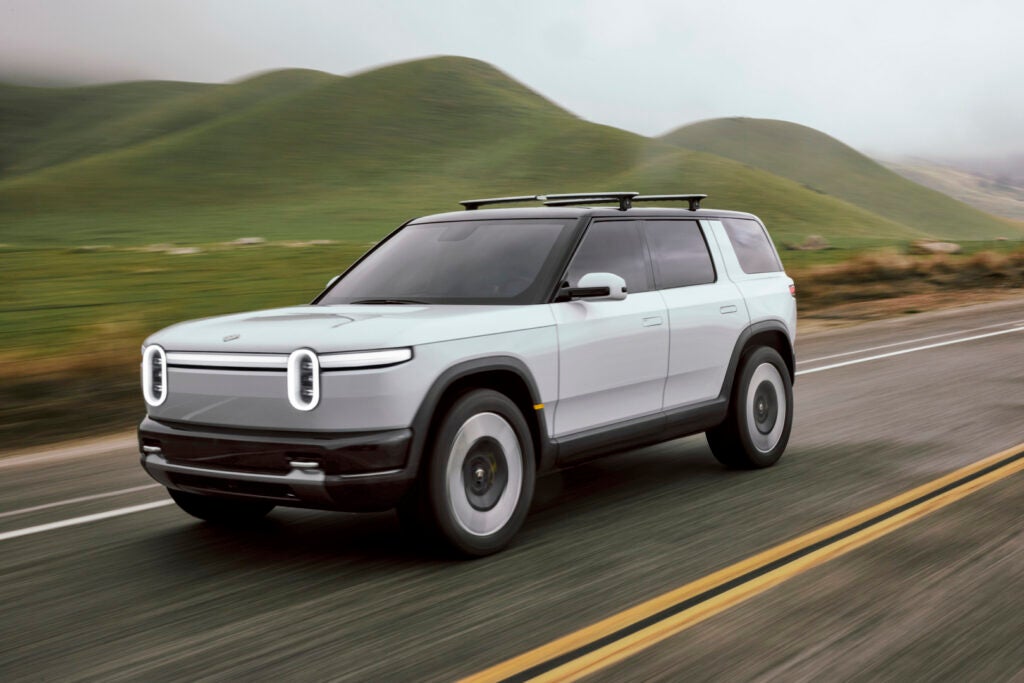
Rivian's R2 Launch Marks a Critical Turning Point
- Market Opportunity: Rising oil prices have made Rivian's electric vehicle sales prospects more attractive, particularly as used EV sales surge, indicating a growing consumer demand to mitigate fuel costs, thereby enhancing Rivian's market outlook.
- Production Scale-Up: Rivian aims to achieve sustainable profitability by ramping up production to spread costs, and while it has yet to generate positive earnings, management hopes the launch of the R2 will mirror Tesla's success, positively impacting its future financial health.
- R2 Model Launch: Rivian is rolling out its lower-cost R2 model, and while high gas prices may enhance the appeal of EVs, consumer purchasing decisions will likely hinge more on the vehicle's desirability and pricing, with a successful R2 potentially driving stock price recovery.
- Competitive Market Pressure: The R2 resembles Rivian's popular R1 trucks, and while the market outlook is optimistic, failure to resonate with consumers could pose significant challenges for the company, necessitating close monitoring of its sales performance by investors.
See More

Rivian CEO Launches Robotics Firm Mind Robotics with $1 Billion Funding
- Funding Achievement: Mind Robotics, founded by Rivian CEO RJ Scaringe, has raised over $1 billion, which will be utilized to develop humanoid robots, with the first product expected to launch in less than a year, showcasing the company's strong potential in the robotics sector.
- Strategic Separation: Scaringe has made it clear that Mind Robotics will operate independently from Rivian, avoiding a partial transformation strategy similar to Tesla's, which allows him to focus on both companies and enhances Rivian's flexibility in future technology ventures.
- Market Opportunity: Scaringe believes that the total addressable market for industrial labor could reach trillions of dollars, and the establishment of Mind Robotics not only responds to this market demand but also positions Rivian as its first customer, thereby gaining a technological edge.
- Human-Robot Collaboration Outlook: Despite the optimistic outlook for humanoid robots, Scaringe emphasizes that these robots will work alongside human employees rather than completely replace them, with simple tasks being handled by robots while complex tasks remain human-operated, which will help alleviate the labor shortage in manufacturing.
See More
Rivian CEO Envisions Future with Humanoid Robots
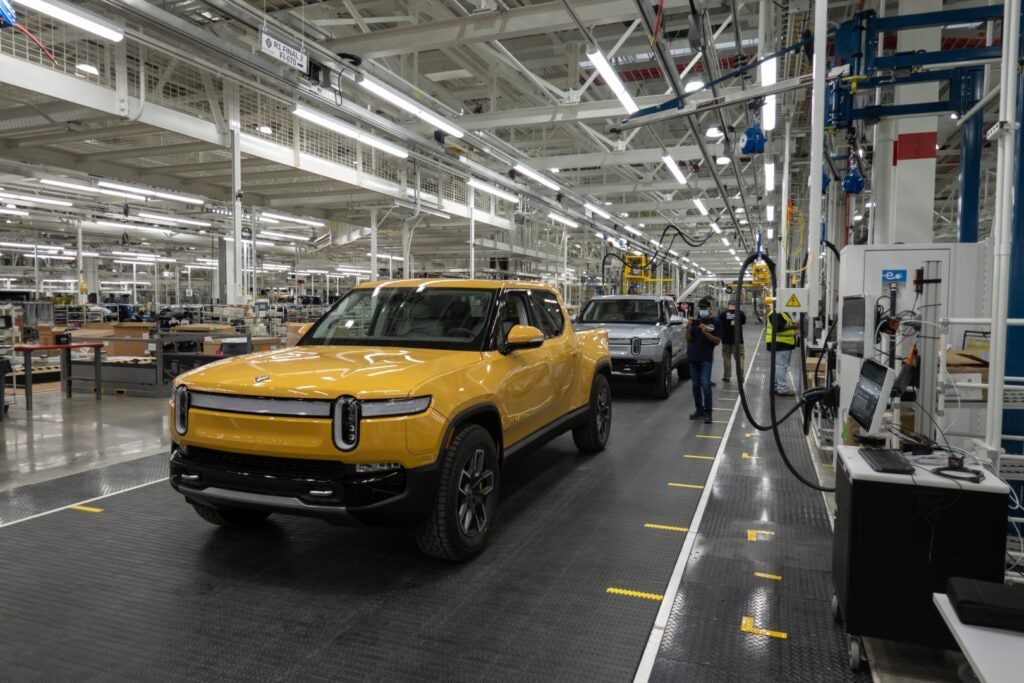
- Humanoid Robot Collaboration: Rivian CEO RJ Scaringe envisions a future where thousands of employees collaborate with humanoid robots, enhancing production efficiency and improving workplace environments, showcasing the company's forward-looking approach to manufacturing.
- Mind Robotics Formation: Scaringe's Mind Robotics, established last year, has raised over $1 billion and plans to launch its first product within a year, with Rivian as a major shareholder and first customer, indicating a strategic investment in the robotics sector.
- Human-Robot Cooperation Outlook: While humanoid robots are seen as a future trend, Scaringe emphasizes that these robots will work alongside human employees rather than fully replace them, predicting that simple tasks will be handled by robots while complex tasks will still require human involvement, reflecting a deep understanding of the labor market.
- Massive Market Opportunity: Scaringe believes the total addressable market for industrial labor could reach trillions of dollars, with Rivian leveraging data from Mind to train AI models, further solidifying its competitive edge in both the electric vehicle and robotics sectors.
See More
Trump's Signal Boosts Stocks Amid Supply Chain Relief

- Supply Chain Recovery Signal: Trump's peace signal regarding Iran has made the market more optimistic about ending the three-month supply chain disruption since the closure of the Strait of Hormuz in late February, leading to a rally in cyclical stocks, with Comfort Systems (NYSE:FIX) rising 2.8%.
- Declining Energy Costs: Oil prices have fallen from wartime highs near $100 to $87.71, directly reducing operating costs across manufacturing, chemicals, and transportation sectors, thereby enhancing the overall investment environment in the market.
- Improved Financing Conditions: The probability of interest rate hikes has decreased from 51% to 36%, providing better financing conditions for capital-intensive industries, prompting companies to reconsider investment decisions, with Quanta (NYSE:PWR) seeing a 3.6% increase in stock price.
- Rivian's Stock Volatility: Rivian (NASDAQ:RIVN) shares rose 6.3%, despite a 13.9% decline since the beginning of the year, indicating that the market considers the current news significant, and investors should monitor its future performance.
See More
Rivian R2 Launch Sparks Market Interest
- Positive Market Outlook: Needham reiterated its ‘Buy’ rating and $23 price target for Rivian, indicating a 56% upside from current levels, reflecting confidence in the R2 SUV's demand and long-term growth potential.
- Product Launch Impact: The delivery of the Rivian R2 just commenced, and despite a more than 6% drop in stock price on launch day, analysts believe the R2 is a 'TAM expanding' product that can attract new customers into the Rivian ecosystem.
- Software Feature Delays: Rivian's software chief stated that delays in features like Rivian Assistant were intentional to ensure quality, with expectations for these features to be rolled out via OTA updates this summer, aimed at enhancing user experience and meeting customer expectations.
- Lease Cost Pressure: The R2 Performance AWD starts at $57,990, with early lease quotes showing monthly payments around $829, which drew criticism from prospective buyers, impacting market sentiment and contributing to stock volatility.
See More
Rivian's Electric Vehicle Sales Surge Amid Challenges
- Surge in EV Sales: The rise in oil prices has led to a significant increase in used electric vehicle sales, indicating that consumers are seeking alternatives to high gasoline costs, which enhances Rivian's market appeal.
- Profitability Goals: Although Rivian achieved gross profit in 2025, it has yet to generate positive earnings; management aims to ramp up production to spread costs, mirroring Tesla's successful trajectory toward sustainable profitability.
- Launch of R2 Model: Rivian is rolling out its lower-cost R2 model, and consumer reception will be crucial; if the R2 attracts mass-market buyers, it could lead to a stock price recovery and improved profitability.
- Execution is Key: Rivian's future hinges on the R2's market acceptance; failure to resonate with consumers could pose significant challenges, making it essential for investors to monitor sales performance in the upcoming quarters.
See More
Rivian's R2 Launch Marks a Critical Turning Point
- Market Opportunity: Rising oil prices have made Rivian's electric vehicle sales prospects more attractive, particularly as used EV sales surge, indicating a growing consumer demand to mitigate fuel costs, thereby enhancing Rivian's market outlook.
- Production Scale-Up: Rivian aims to achieve sustainable profitability by ramping up production to spread costs, and while it has yet to generate positive earnings, management hopes the launch of the R2 will mirror Tesla's success, positively impacting its future financial health.
- R2 Model Launch: Rivian is rolling out its lower-cost R2 model, and while high gas prices may enhance the appeal of EVs, consumer purchasing decisions will likely hinge more on the vehicle's desirability and pricing, with a successful R2 potentially driving stock price recovery.
- Competitive Market Pressure: The R2 resembles Rivian's popular R1 trucks, and while the market outlook is optimistic, failure to resonate with consumers could pose significant challenges for the company, necessitating close monitoring of its sales performance by investors.
See More
Rivian CEO Launches Robotics Firm Mind Robotics with $1 Billion Funding
- Funding Achievement: Mind Robotics, founded by Rivian CEO RJ Scaringe, has raised over $1 billion, which will be utilized to develop humanoid robots, with the first product expected to launch in less than a year, showcasing the company's strong potential in the robotics sector.
- Strategic Separation: Scaringe has made it clear that Mind Robotics will operate independently from Rivian, avoiding a partial transformation strategy similar to Tesla's, which allows him to focus on both companies and enhances Rivian's flexibility in future technology ventures.
- Market Opportunity: Scaringe believes that the total addressable market for industrial labor could reach trillions of dollars, and the establishment of Mind Robotics not only responds to this market demand but also positions Rivian as its first customer, thereby gaining a technological edge.
- Human-Robot Collaboration Outlook: Despite the optimistic outlook for humanoid robots, Scaringe emphasizes that these robots will work alongside human employees rather than completely replace them, with simple tasks being handled by robots while complex tasks remain human-operated, which will help alleviate the labor shortage in manufacturing.
See More
Rivian CEO Envisions Future with Humanoid Robots
- Humanoid Robot Collaboration: Rivian CEO RJ Scaringe envisions a future where thousands of employees collaborate with humanoid robots, enhancing production efficiency and improving workplace environments, showcasing the company's forward-looking approach to manufacturing.
- Mind Robotics Formation: Scaringe's Mind Robotics, established last year, has raised over $1 billion and plans to launch its first product within a year, with Rivian as a major shareholder and first customer, indicating a strategic investment in the robotics sector.
- Human-Robot Cooperation Outlook: While humanoid robots are seen as a future trend, Scaringe emphasizes that these robots will work alongside human employees rather than fully replace them, predicting that simple tasks will be handled by robots while complex tasks will still require human involvement, reflecting a deep understanding of the labor market.
- Massive Market Opportunity: Scaringe believes the total addressable market for industrial labor could reach trillions of dollars, with Rivian leveraging data from Mind to train AI models, further solidifying its competitive edge in both the electric vehicle and robotics sectors.
See More
Trump's Signal Boosts Stocks Amid Supply Chain Relief
- Supply Chain Recovery Signal: Trump's peace signal regarding Iran has made the market more optimistic about ending the three-month supply chain disruption since the closure of the Strait of Hormuz in late February, leading to a rally in cyclical stocks, with Comfort Systems (NYSE:FIX) rising 2.8%.
- Declining Energy Costs: Oil prices have fallen from wartime highs near $100 to $87.71, directly reducing operating costs across manufacturing, chemicals, and transportation sectors, thereby enhancing the overall investment environment in the market.
- Improved Financing Conditions: The probability of interest rate hikes has decreased from 51% to 36%, providing better financing conditions for capital-intensive industries, prompting companies to reconsider investment decisions, with Quanta (NYSE:PWR) seeing a 3.6% increase in stock price.
- Rivian's Stock Volatility: Rivian (NASDAQ:RIVN) shares rose 6.3%, despite a 13.9% decline since the beginning of the year, indicating that the market considers the current news significant, and investors should monitor its future performance.
See More