Rise of Retail Investors and ETF Popularity
Written by Emily J. Thompson, Senior Investment Analyst
Updated: Feb 06 2026
0mins

Should l Buy META?
Source: Fool
- Impact of Retail Investors: According to 'The Retail Investor Report,' retail investors accounted for approximately 25% of total equity trading volume in 2021, doubling from a decade ago, indicating their growing influence in the market and prompting online brokers to adjust strategies to attract more clients.
- Robinhood's Market Strategy: Robinhood has successfully attracted a large number of retail investors by offering commission-free trading and fractional share purchases, with its '100 Most Popular' leaderboard showing that the Vanguard S&P 500 ETF and SPDR S&P 500 ETF Trust are among the most favored investments, reflecting a preference for index funds among retail investors.
- Long-Term ETF Returns: Data from Crestmont Research indicates that all 107 rolling 20-year periods since the early 20th century have produced positive returns, suggesting that investors holding S&P 500 tracking ETFs have historically profited every time, thereby enhancing investor confidence in these products.
- Attraction of Bond ETFs: The Vanguard Total Bond Market ETF has become the tenth most-held security on Robinhood, offering over 4% yield and a low expense ratio, reflecting retail investors' concerns about high stock valuations and their shift towards safer income investments to mitigate potential market volatility.
Trade with 70% Backtested Accuracy
Stop guessing "Should I Buy META?" and start using high-conviction signals backed by rigorous historical data.
Sign up today to access powerful investing tools and make smarter, data-driven decisions.
Analyst Views on META
Wall Street analysts forecast META stock price to rise
44 Analyst Rating
37 Buy
6 Hold
1 Sell
Strong Buy
Current: 579.230

Low
655.15
Averages
824.71
High
1117
Current: 579.230
Low
655.15
Averages
824.71
High
1117
About META
Meta Platforms, Inc. is building human connections, powered by artificial intelligence and immersive technologies. The Company's products enable people to connect and share with friends and family through mobile devices, personal computers, virtual reality (VR) and mixed reality (MR) headsets, augmented reality (AR), and wearables. It also helps people discover and learn about what is going on in the world around them, enabling people to share their experiences, ideas, photos, videos, and other content with audiences ranging from their closest family members and friends to the public at large. The Company's segments include Family of Apps (FoA) and Reality Labs (RL). FoA segment includes Facebook, Instagram, Messenger, WhatsApp and Threads. RL segment includes its virtual, augmented, and mixed reality related consumer hardware, software and content. Its product offerings in VR include its Meta Quest devices, as well as software and content available through the Meta Horizon Store.
About the author

Emily J. Thompson
Emily J. Thompson, a Chartered Financial Analyst (CFA) with 12 years in investment research, graduated with honors from the Wharton School. Specializing in industrial and technology stocks, she provides in-depth analysis for Intellectia’s earnings and market brief reports.

Analysis of Meta Platforms' Long-Term Growth Potential

- Large User Base: As of the end of 2025, Meta Platforms boasts 3.58 billion daily active users, solidifying its leadership in the social media space and providing robust support for advertising revenue, ensuring sustained market competitiveness.
- Strong Advertising Business: With an impressive gross margin of 82% in its advertising segment, Meta has driven revenue and profit growth by continuously optimizing user engagement and advertising tools, showcasing its strong profitability in the digital advertising market.
- AI Investment Outlook: Meta is significantly increasing its investment in artificial intelligence, which may impact margins in the short term but is expected to unlock substantial value for its advertising business in the long run, further enhancing the company's innovative capabilities and market adaptability.
- Financial Robustness: As of the end of 2025, Meta holds $81.6 billion in cash and marketable securities, more than sufficient to cover its short-term debt obligations, demonstrating its strong financial foundation and ability to navigate economic fluctuations.
See More

Long-Term Growth Potential of Meta Platforms
- User Base Advantage: Meta Platforms boasts 3.58 billion daily active users, establishing a strong economic moat that positions it as a dominant player in social media and digital advertising, thereby driving sustained revenue growth.
- Advertising Business Innovation: The company enhances user engagement through new interactive features and AI-driven algorithms, which generally lead to increased advertising revenue and profits, although short-term margin impacts may arise, ultimately strengthening competitive positioning.
- Financial Robustness: As of the end of 2025, Meta's cash, equivalents, and marketable securities total $81.6 billion, comfortably covering short-term debt obligations, demonstrating its strong financial health and ability to navigate economic fluctuations.
- AI Investment Outlook: Meta is ramping up investments in AI initiatives, which may pose short-term challenges but are expected to unlock greater value for its advertising business in the long run, further solidifying its market position.
See More

Vistra's Stock Surges 530% Amid Energy Market Growth

- Outstanding Stock Performance: Vistra's stock has surged 530% over the past three years, significantly outperforming the S&P 500's 60% increase, indicating strong investor confidence and market positioning.
- Diverse Energy Portfolio: With a current capacity of 44 GW capable of powering 22 million homes, Vistra expects to approach 50 GW following its acquisition of Cogentrix Energy, enhancing its competitive edge and growth prospects.
- Renewable Energy Commitment: The company aims for net-zero carbon emissions by 2050, expanding its nuclear and solar facilities to meet the rising global demand for clean energy, thereby improving its brand reputation and market share.
- Robust Financial Growth: Analysts project revenue and adjusted EBITDA CAGRs of 10% and 32% from 2021 to 2025, respectively, while repurchasing nearly 11% of its shares, reflecting financial health and commitment to shareholder value.
See More
Big Tech Faces Legal Challenges Over Section 230
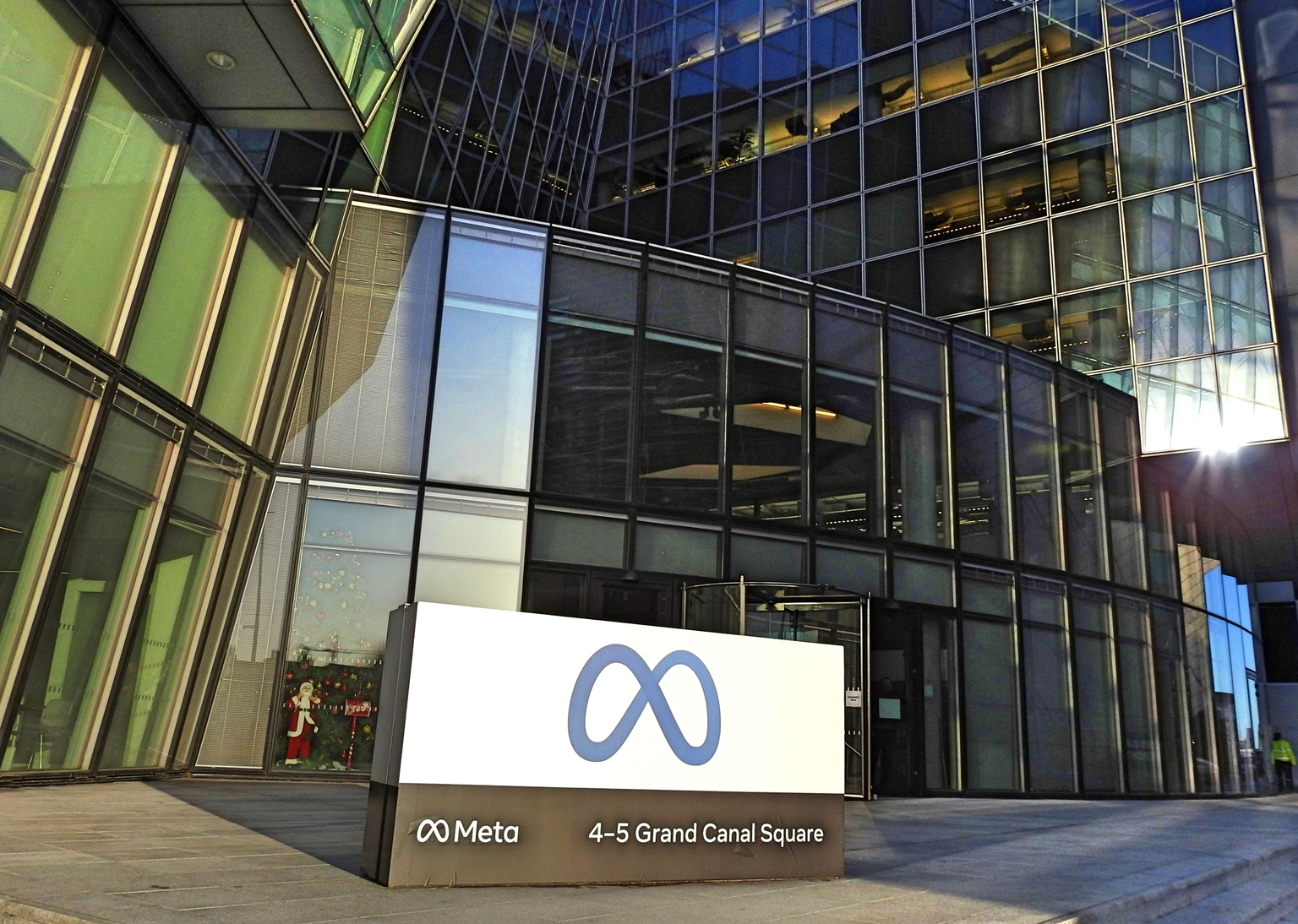
- Increased Legal Liability: A Los Angeles jury found Meta and YouTube negligent in a personal injury case, awarding approximately $6 million, highlighting growing scrutiny on tech companies' legal responsibilities and potentially leading to more similar cases in the future.
- Failure to Protect Minors: A New Mexico jury ordered Meta to pay $375 million for failing to adequately protect minors from child predators, a ruling that may prompt lawmakers to enhance regulations on social media platforms to ensure better safety measures.
- Controversy Over Design Features: Plaintiffs argued that design features like autoplay and recommendation algorithms in Instagram and YouTube function like “digital casinos,” driving addiction and mental harm among minors, which could spark broader legal discussions and lawsuits against tech companies.
- Appeal Plans and Legal Outlook: Both Meta and Google plan to appeal the verdicts, with legal experts describing them as “preliminary decisions,” indicating ongoing disputes over legal protections for tech companies that may impact their business models and profitability in the future.
See More

Tech Giants Face Legal Challenges as Section 230 Weakens

- Legal Liability Shift: Since the enactment of Section 230 of the Communications Decency Act in 1996, internet platforms have avoided legal liability for user content, but recent verdicts against Meta and YouTube indicate that this protection is weakening, potentially exposing tech giants to increased legal risks.
- Surge of Lawsuits: Meta and Google have been found negligent in cases involving child safety and personal injury, which could impact their business models in the AI era, particularly regarding their dominance in the advertising market.
- AI Mode Controversy: A class action lawsuit against Google alleges that its AI Mode is not neutral in handling user information, potentially leading to privacy breaches; if this claim is upheld, it could have profound implications for Google's operational model.
- Calls for Legislative Reform: As lawsuits increase, there is a growing call among politicians for reforms to Section 230, and while consensus has yet to be reached, this may prompt tech companies to take more proactive measures in user protection.
See More

Meta Faces Legal Challenges Amid Attractive Stock Valuation
- Legal Setbacks: Meta lost two high-profile court cases in New Mexico and Los Angeles, incurring penalties of $375 million and $4.2 million respectively, which, while manageable for a $1.5 trillion company, may signal a wave of similar lawsuits ahead.
- Increased Regulatory Pressure: With several countries considering restrictions on social media use for minors, Meta could face stricter regulations that may limit user engagement on its platforms, directly impacting revenue and profitability.
- Strong Core Business Performance: Despite legal challenges, Meta's core social media platforms generated $102.5 billion in operating profit in 2025, reflecting a 17.7% increase, underscoring its robust competitive position in a high-growth market.
- Attractive Stock Valuation: With a current valuation of $1.45 trillion, Meta's core social media business is trading at just 14.2 times its operating profit, presenting a compelling investment opportunity for long-term growth potential amidst the negative headlines.
See More
Analysis of Meta Platforms' Long-Term Growth Potential
- Large User Base: As of the end of 2025, Meta Platforms boasts 3.58 billion daily active users, solidifying its leadership in the social media space and providing robust support for advertising revenue, ensuring sustained market competitiveness.
- Strong Advertising Business: With an impressive gross margin of 82% in its advertising segment, Meta has driven revenue and profit growth by continuously optimizing user engagement and advertising tools, showcasing its strong profitability in the digital advertising market.
- AI Investment Outlook: Meta is significantly increasing its investment in artificial intelligence, which may impact margins in the short term but is expected to unlock substantial value for its advertising business in the long run, further enhancing the company's innovative capabilities and market adaptability.
- Financial Robustness: As of the end of 2025, Meta holds $81.6 billion in cash and marketable securities, more than sufficient to cover its short-term debt obligations, demonstrating its strong financial foundation and ability to navigate economic fluctuations.
See More
Long-Term Growth Potential of Meta Platforms
- User Base Advantage: Meta Platforms boasts 3.58 billion daily active users, establishing a strong economic moat that positions it as a dominant player in social media and digital advertising, thereby driving sustained revenue growth.
- Advertising Business Innovation: The company enhances user engagement through new interactive features and AI-driven algorithms, which generally lead to increased advertising revenue and profits, although short-term margin impacts may arise, ultimately strengthening competitive positioning.
- Financial Robustness: As of the end of 2025, Meta's cash, equivalents, and marketable securities total $81.6 billion, comfortably covering short-term debt obligations, demonstrating its strong financial health and ability to navigate economic fluctuations.
- AI Investment Outlook: Meta is ramping up investments in AI initiatives, which may pose short-term challenges but are expected to unlock greater value for its advertising business in the long run, further solidifying its market position.
See More
Vistra's Stock Surges 530% Amid Energy Market Growth
- Outstanding Stock Performance: Vistra's stock has surged 530% over the past three years, significantly outperforming the S&P 500's 60% increase, indicating strong investor confidence and market positioning.
- Diverse Energy Portfolio: With a current capacity of 44 GW capable of powering 22 million homes, Vistra expects to approach 50 GW following its acquisition of Cogentrix Energy, enhancing its competitive edge and growth prospects.
- Renewable Energy Commitment: The company aims for net-zero carbon emissions by 2050, expanding its nuclear and solar facilities to meet the rising global demand for clean energy, thereby improving its brand reputation and market share.
- Robust Financial Growth: Analysts project revenue and adjusted EBITDA CAGRs of 10% and 32% from 2021 to 2025, respectively, while repurchasing nearly 11% of its shares, reflecting financial health and commitment to shareholder value.
See More
Big Tech Faces Legal Challenges Over Section 230
- Increased Legal Liability: A Los Angeles jury found Meta and YouTube negligent in a personal injury case, awarding approximately $6 million, highlighting growing scrutiny on tech companies' legal responsibilities and potentially leading to more similar cases in the future.
- Failure to Protect Minors: A New Mexico jury ordered Meta to pay $375 million for failing to adequately protect minors from child predators, a ruling that may prompt lawmakers to enhance regulations on social media platforms to ensure better safety measures.
- Controversy Over Design Features: Plaintiffs argued that design features like autoplay and recommendation algorithms in Instagram and YouTube function like “digital casinos,” driving addiction and mental harm among minors, which could spark broader legal discussions and lawsuits against tech companies.
- Appeal Plans and Legal Outlook: Both Meta and Google plan to appeal the verdicts, with legal experts describing them as “preliminary decisions,” indicating ongoing disputes over legal protections for tech companies that may impact their business models and profitability in the future.
See More
Tech Giants Face Legal Challenges as Section 230 Weakens
- Legal Liability Shift: Since the enactment of Section 230 of the Communications Decency Act in 1996, internet platforms have avoided legal liability for user content, but recent verdicts against Meta and YouTube indicate that this protection is weakening, potentially exposing tech giants to increased legal risks.
- Surge of Lawsuits: Meta and Google have been found negligent in cases involving child safety and personal injury, which could impact their business models in the AI era, particularly regarding their dominance in the advertising market.
- AI Mode Controversy: A class action lawsuit against Google alleges that its AI Mode is not neutral in handling user information, potentially leading to privacy breaches; if this claim is upheld, it could have profound implications for Google's operational model.
- Calls for Legislative Reform: As lawsuits increase, there is a growing call among politicians for reforms to Section 230, and while consensus has yet to be reached, this may prompt tech companies to take more proactive measures in user protection.
See More
Meta Faces Legal Challenges Amid Attractive Stock Valuation
- Legal Setbacks: Meta lost two high-profile court cases in New Mexico and Los Angeles, incurring penalties of $375 million and $4.2 million respectively, which, while manageable for a $1.5 trillion company, may signal a wave of similar lawsuits ahead.
- Increased Regulatory Pressure: With several countries considering restrictions on social media use for minors, Meta could face stricter regulations that may limit user engagement on its platforms, directly impacting revenue and profitability.
- Strong Core Business Performance: Despite legal challenges, Meta's core social media platforms generated $102.5 billion in operating profit in 2025, reflecting a 17.7% increase, underscoring its robust competitive position in a high-growth market.
- Attractive Stock Valuation: With a current valuation of $1.45 trillion, Meta's core social media business is trading at just 14.2 times its operating profit, presenting a compelling investment opportunity for long-term growth potential amidst the negative headlines.
See More