TD Bank Reports Strong Q4 Earnings Driven by Wealth Management Growth
Earnings Performance: TD Bank reported Q4 earnings that exceeded Wall Street expectations, with adjusted EPS of C$2.18, up from C$1.72 in the previous year, and total adjusted revenue of C$16.0B, reflecting year-over-year growth.
Segment Contributions: The bank's Wealth Management and Insurance segments saw significant growth, with net income from Wealth Management rising by C$350M year-over-year, while U.S. Retail net income increased by 31%.
Interest and Noninterest Income: Net interest income slightly increased to C$8.55B, and adjusted noninterest income rose to C$8.54B, indicating strong performance in both income categories.
Credit Loss Provisions: Provisions for credit losses increased to C$982M from the previous quarter but decreased from C$1.11B a year earlier, suggesting improved credit quality despite higher provisions.
Trade with 70% Backtested Accuracy
Analyst Views on TD

About TD
About the author


TD Bank Group CFO to Present at RBC Conference

- Conference Details: Kelvin Tran, CFO of TD Bank Group, will present at the 2026 RBC Capital Markets Global Financial Institutions Conference on March 11, 2026, at 2:40 p.m., highlighting the bank's strategic direction and financial health.
- Live Webcast: The presentation will be available via a live audio webcast on TD's Investor Relations section, ensuring global investors can access real-time information, thereby enhancing transparency and boosting investor confidence.
- Asset Scale: As of January 31, 2026, TD Bank Group reported total assets of $2.1 trillion, solidifying its position as the sixth largest bank in North America, reflecting its strong market competitiveness and robust financial foundation.
- Client Base: Serving 28.1 million clients across personal and commercial banking, wealth management, and insurance, TD Bank Group demonstrates a diversified business model and extensive market reach, positioning itself for sustained growth.

Berkshire's Heinz Investment Faces Significant Challenges
- Poor Investment Returns: Since 2015, Berkshire's investment in Heinz has plummeted nearly 67%, and despite holding a 27.5% stake, new CEO Greg Abel acknowledged that returns have fallen well short of expectations, indicating ongoing investment struggles.
- Strategic Adjustments Stalled: Heinz's plan to split into two companies to enhance shareholder value has been paused by new CEO Steve Cahillane, who believes the company's issues are fixable; however, analysts express skepticism about this approach, especially after a $600 million investment announcement aimed at boosting marketing and R&D.
- Weak Financial Performance: Facing significant debt and declining financial performance amid increasing competition and shifting consumer preferences towards healthier options, Heinz has seen Berkshire write down nearly $7 billion of its investment on two occasions, highlighting the company's financial distress.
- Unrealized Shareholder Value: While Heinz boasts a dividend yield of 6.62% and a free cash flow yield of 12.75%, attracting passive income seekers, the company's failure to create shareholder value over the past decade positions it as a value trap, with potential for further stock price declines.

Kraft Heinz Faces Major Challenges and Transformation
- Poor Investment Returns: Since the merger in 2015, Kraft Heinz's stock has plummeted nearly 67%, with Berkshire Hathaway retaining a 27.5% stake, indicating a lack of confidence from investors that could lead to further shareholder attrition.
- Strategic Restructuring Plan: Kraft Heinz announced plans to split into two companies focusing on growth brands and more established brands, although this plan faced opposition from Berkshire, reflecting the company's struggles to adapt to market competition and shifting consumer preferences.
- New CEO's Challenges: New CEO Steve Cahillane's announcement to pause the split plan and commit $600 million to enhance marketing, sales, and R&D has raised skepticism among analysts, who believe the company lacks the capability to operate independently.
- Shareholder Value Creation Dilemma: Despite Kraft Heinz's dividend yield of 6.62% and free cash flow yield of 12.75% attracting passive income seekers, the company's failure to create shareholder value over the past decade still positions it as a value trap, with significant risks to future performance.
Guardian Capital Acquires Boyd Group Shares Worth $71.4 Million


- New Investment Position: Guardian Capital LP initiated a new position in Boyd Group Services (NYSE:BGSI) by acquiring 448,067 shares valued at $71.4 million by year-end, demonstrating confidence in the company's future prospects.
- Asset Management Proportion: As of December 31, Boyd Group's shares accounted for 2.1% of Guardian Capital's $3.3 billion in assets under management, indicating a significant concentration among its 241 investments.
- Market Performance Comparison: Despite Boyd Group's stock returning only 2% over the past year, significantly lagging behind the S&P 500's 18.4% return, this highlights the pressure on its stock performance.
- Upcoming Earnings Report: Boyd Group is set to report its fourth-quarter results on March 18, prompting investors to closely monitor its financial performance to assess future investment potential.
Guardian Capital Acquires Stake in Boyd Group Services
- Stake Acquisition: Guardian Capital LP initiated a new position in Boyd Group Services by acquiring 448,067 shares as of February 17, representing approximately 2.1% of its assets under management (AUM), indicating confidence in the company's future prospects.
- Portfolio Concentration: As of December 31, Guardian Capital owned $71.4 million worth of Boyd Group Services shares, which, despite having 241 different investments, shows that the top five equities account for 24.9% of its AUM, highlighting the firm's strategic focus on Boyd Group.
- Market Performance: Boyd Group Services' stock returned only 2% over the past year, significantly underperforming the S&P 500 index's 18.4% return, suggesting a cautious market sentiment regarding the company's growth potential.
- Earnings Report Preview: Investors should note that Boyd Group is set to release its fourth-quarter results on March 18, which will provide critical insights into its future performance and stock price trajectory.

Tech Stocks Plunge, $400 Billion Market Cap Wiped Out


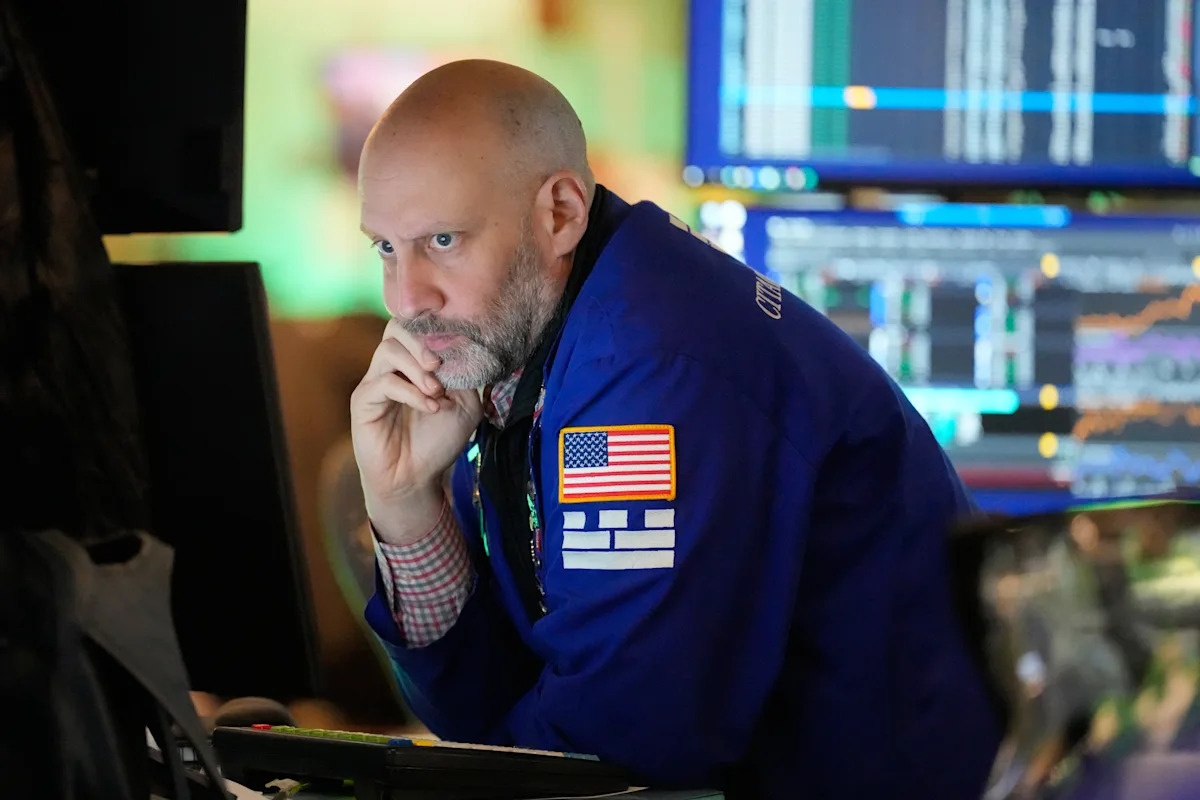
- Market Reaction: Despite Nvidia's blockbuster earnings, tech stocks faced heavy selling, dragging the broader semiconductor sector down and erasing approximately $400 billion in market capitalization, indicating investor concerns about market outlook.
- Major Indices Performance: By midday in New York, the S&P 500 was down 0.9%, the Nasdaq 100 fell 1.6%, the Dow Jones slipped 0.3%, and the Russell 2000 lost 0.5%, reflecting a general weakness across the market.
- Volatility Index Surge: The CBOE Volatility Index (VIX) rallied over 10%, on track for its best session in two weeks, signaling heightened fear among investors and growing uncertainty about future market conditions.
- Commodity Market Dynamics: Gold prices rose 0.3% to $5,180 per ounce, while silver fell 2.8% to $86 an ounce, and crude oil increased by 1.3% to $66.5 per barrel, illustrating the volatility in commodity markets influenced by stock market trends.
TD Bank Group CFO to Present at RBC Conference
- Conference Details: Kelvin Tran, CFO of TD Bank Group, will present at the 2026 RBC Capital Markets Global Financial Institutions Conference on March 11, 2026, at 2:40 p.m., highlighting the bank's strategic direction and financial health.
- Live Webcast: The presentation will be available via a live audio webcast on TD's Investor Relations section, ensuring global investors can access real-time information, thereby enhancing transparency and boosting investor confidence.
- Asset Scale: As of January 31, 2026, TD Bank Group reported total assets of $2.1 trillion, solidifying its position as the sixth largest bank in North America, reflecting its strong market competitiveness and robust financial foundation.
- Client Base: Serving 28.1 million clients across personal and commercial banking, wealth management, and insurance, TD Bank Group demonstrates a diversified business model and extensive market reach, positioning itself for sustained growth.
Berkshire's Heinz Investment Faces Significant Challenges
- Poor Investment Returns: Since 2015, Berkshire's investment in Heinz has plummeted nearly 67%, and despite holding a 27.5% stake, new CEO Greg Abel acknowledged that returns have fallen well short of expectations, indicating ongoing investment struggles.
- Strategic Adjustments Stalled: Heinz's plan to split into two companies to enhance shareholder value has been paused by new CEO Steve Cahillane, who believes the company's issues are fixable; however, analysts express skepticism about this approach, especially after a $600 million investment announcement aimed at boosting marketing and R&D.
- Weak Financial Performance: Facing significant debt and declining financial performance amid increasing competition and shifting consumer preferences towards healthier options, Heinz has seen Berkshire write down nearly $7 billion of its investment on two occasions, highlighting the company's financial distress.
- Unrealized Shareholder Value: While Heinz boasts a dividend yield of 6.62% and a free cash flow yield of 12.75%, attracting passive income seekers, the company's failure to create shareholder value over the past decade positions it as a value trap, with potential for further stock price declines.
Kraft Heinz Faces Major Challenges and Transformation
- Poor Investment Returns: Since the merger in 2015, Kraft Heinz's stock has plummeted nearly 67%, with Berkshire Hathaway retaining a 27.5% stake, indicating a lack of confidence from investors that could lead to further shareholder attrition.
- Strategic Restructuring Plan: Kraft Heinz announced plans to split into two companies focusing on growth brands and more established brands, although this plan faced opposition from Berkshire, reflecting the company's struggles to adapt to market competition and shifting consumer preferences.
- New CEO's Challenges: New CEO Steve Cahillane's announcement to pause the split plan and commit $600 million to enhance marketing, sales, and R&D has raised skepticism among analysts, who believe the company lacks the capability to operate independently.
- Shareholder Value Creation Dilemma: Despite Kraft Heinz's dividend yield of 6.62% and free cash flow yield of 12.75% attracting passive income seekers, the company's failure to create shareholder value over the past decade still positions it as a value trap, with significant risks to future performance.
Guardian Capital Acquires Boyd Group Shares Worth $71.4 Million
- New Investment Position: Guardian Capital LP initiated a new position in Boyd Group Services (NYSE:BGSI) by acquiring 448,067 shares valued at $71.4 million by year-end, demonstrating confidence in the company's future prospects.
- Asset Management Proportion: As of December 31, Boyd Group's shares accounted for 2.1% of Guardian Capital's $3.3 billion in assets under management, indicating a significant concentration among its 241 investments.
- Market Performance Comparison: Despite Boyd Group's stock returning only 2% over the past year, significantly lagging behind the S&P 500's 18.4% return, this highlights the pressure on its stock performance.
- Upcoming Earnings Report: Boyd Group is set to report its fourth-quarter results on March 18, prompting investors to closely monitor its financial performance to assess future investment potential.
Guardian Capital Acquires Stake in Boyd Group Services
- Stake Acquisition: Guardian Capital LP initiated a new position in Boyd Group Services by acquiring 448,067 shares as of February 17, representing approximately 2.1% of its assets under management (AUM), indicating confidence in the company's future prospects.
- Portfolio Concentration: As of December 31, Guardian Capital owned $71.4 million worth of Boyd Group Services shares, which, despite having 241 different investments, shows that the top five equities account for 24.9% of its AUM, highlighting the firm's strategic focus on Boyd Group.
- Market Performance: Boyd Group Services' stock returned only 2% over the past year, significantly underperforming the S&P 500 index's 18.4% return, suggesting a cautious market sentiment regarding the company's growth potential.
- Earnings Report Preview: Investors should note that Boyd Group is set to release its fourth-quarter results on March 18, which will provide critical insights into its future performance and stock price trajectory.
Tech Stocks Plunge, $400 Billion Market Cap Wiped Out
- Market Reaction: Despite Nvidia's blockbuster earnings, tech stocks faced heavy selling, dragging the broader semiconductor sector down and erasing approximately $400 billion in market capitalization, indicating investor concerns about market outlook.
- Major Indices Performance: By midday in New York, the S&P 500 was down 0.9%, the Nasdaq 100 fell 1.6%, the Dow Jones slipped 0.3%, and the Russell 2000 lost 0.5%, reflecting a general weakness across the market.
- Volatility Index Surge: The CBOE Volatility Index (VIX) rallied over 10%, on track for its best session in two weeks, signaling heightened fear among investors and growing uncertainty about future market conditions.
- Commodity Market Dynamics: Gold prices rose 0.3% to $5,180 per ounce, while silver fell 2.8% to $86 an ounce, and crude oil increased by 1.3% to $66.5 per barrel, illustrating the volatility in commodity markets influenced by stock market trends.