Quantum Cybersecurity Market Poised for Growth Amidst Rising Threats
Written by Emily J. Thompson, Senior Investment Analyst
Updated: Feb 19 2026
0mins


Source: Globenewswire
- Economic Damage Projection: A report by the Citi Institute indicates that a single quantum cyberattack could result in economic damages ranging from $2.0 to $3.3 trillion, highlighting the urgent need for increased cybersecurity investments among enterprises to mitigate such risks.
- Rising Market Expenditure: Global cybersecurity spending is projected to reach $244.2 billion by 2026, as organizations face a hard deadline of 2035 for completing post-quantum migrations, driving a surge in demand for quantum security solutions to counter emerging threats.
- Platform Enhancements: Quantum Secure Encryption Corp. has recently upgraded its Quantum Preparedness Assessment platform, introducing a compliance status dashboard and risk indicators that will assist enterprises in evaluating their post-quantum cryptographic readiness, thereby optimizing internal governance decisions and enhancing market competitiveness.
- International Expansion: QSE renewed its agreement with India's Muthoot Group, covering approximately 14,000 user licenses, and entered into three-year security agreements with three Brazilian government clients, demonstrating its rapid expansion in international markets and responsiveness to the growing demand for quantum security.
Trade with 70% Backtested Accuracy
Stop guessing "Should I Buy QUBT?" and start using high-conviction signals backed by rigorous historical data.
Sign up today to access powerful investing tools and make smarter, data-driven decisions.
Analyst Views on QUBT
Wall Street analysts forecast QUBT stock price to rise
5 Analyst Rating
3 Buy
2 Hold
0 Sell
Moderate Buy
Current: 12.310

Low
12.00
Averages
18.00
High
25.00
Current: 12.310
Low
12.00
Averages
18.00
High
25.00
About QUBT
Quantum Computing Inc. is an integrated quantum optics and nanophotonic technology company. The Company is utilizing integrated photonics and non-linear quantum optics to develop and deliver machines for quantum computing, reservoir computing, and remote sensing, imaging and cybersecurity applications. Its products are designed to operate at room temperature and low power. Its Entropy Quantum Computer is a full-stack system, incorporating the Company’s custom user interface software Qatalyst, which allows users to avoid the complexity of software development kits at the circuit level and has evolved from the Company’s primary Software as a Service offering to the software that powers its offerings. Its Reservoir Computer is a device that uses an integrated circuit that can be reprogrammed after manufacturing and optimized for recurrent neural network applications. Its Quantum Photonic Vibrometer is a proprietary, instrument for remote vibration detection, sensing, and inspection.
About the author

Emily J. Thompson
Emily J. Thompson, a Chartered Financial Analyst (CFA) with 12 years in investment research, graduated with honors from the Wharton School. Specializing in industrial and technology stocks, she provides in-depth analysis for Intellectia’s earnings and market brief reports.

Quantum Computing Stocks Retreat, Honeywell Gains Amid IPO Plans
- Market Retreat: Quantum computing stocks experienced a broad retreat, with IonQ and Quantum Computing falling 6% and 6.5% respectively, indicating a waning short-term market reaction to government support that may affect investor confidence.
- D-Wave Funding Announcement: D-Wave Quantum announced that its subsidiary Quantum Circuits secured second-year funding from a U.S. government-backed project, yet its stock still dropped 8.5%, reflecting a lack of long-term confidence in quantum initiatives.
- IBM Stock Decline: Despite receiving federal support, IBM's shares fell 2.4%, suggesting that even with policy backing, the market remains cautious about the future prospects of quantum computing.
- Honeywell's Upsurge: Honeywell's Quantinuum unit plans to raise $1.05 billion in its upcoming IPO, resulting in a stock increase of over 2.5%, indicating optimistic market sentiment regarding its growth potential.
See More

Quantum Computing Inc Sees Surge in Options Trading Volume

- Surge in Options Volume: Quantum Computing Inc (QUBT) experienced an options trading volume of 199,735 contracts today, equating to approximately 20 million shares, which represents about 80.3% of its average daily trading volume of 24.9 million shares over the past month, indicating strong market interest in its future performance.
- High-Frequency Trading Insights: Notably, the $13 strike call option expiring on May 22, 2026, saw a trading volume of 29,538 contracts today, representing around 3 million underlying shares, suggesting a significant bullish sentiment among investors regarding QUBT's stock price appreciation.
- Qorvo Options Activity: Concurrently, Qorvo Inc (QRVO) recorded an options trading volume of 9,316 contracts today, equivalent to approximately 931,600 shares, which accounts for 77.1% of its average daily trading volume of 1.2 million shares over the past month, reflecting sustained investor interest in its stock.
- Strike Price Focus: For QRVO, the $120 strike call option expiring on December 18, 2026, has seen a trading volume of 2,611 contracts today, representing about 261,100 underlying shares, indicating optimistic market expectations for its future performance.
See More

Trump Administration Plans $2 Billion Grants for Quantum Computing Companies

- Grant Announcement: The Trump Administration revealed a plan to award $2 billion in grants to nine quantum computing companies, notably excluding Quantum Computing, which saw its stock rise before and after the announcement, indicating strong market interest in the quantum computing sector.
- Significant Stock Fluctuation: Quantum Computing's shares surged 44% over three days despite not receiving a grant, suggesting investor optimism about its future potential; however, the lack of funding could hinder its long-term growth prospects.
- Increased Financial Pressure: Without a grant, Quantum Computing faces a cash burn rate exceeding $42 million annually, intensifying financial strain and increasing operational risks over the next two years, as it lacks the necessary funding runway.
- Market Reaction Analysis: Despite not securing funding, Quantum Computing's stock continued to rise, reflecting overall market optimism towards the quantum computing industry; however, the absence of actual financial support may limit its technological development and competitive edge.
See More

U.S. Commerce Department Awards $2 Billion in Grants to Quantum Computing Firms
- Grant Distribution: The U.S. Department of Commerce announced $2 billion in grants to nine quantum computing companies, notably excluding Quantum Computing Inc. (NASDAQ: QUBT), which raises concerns about the company's financial viability and future research capabilities.
- Stock Price Fluctuation: Despite not receiving a grant, Quantum Computing's stock began rising a day before the announcement and continued to climb, gaining 44% over three days, indicating that overall market optimism in the quantum sector may be influencing its stock performance.
- Cash Burn Issues: Quantum Computing is burning over $42 million annually, and without the grant, its financial situation will become increasingly precarious, potentially leading to a cash crunch within two years, which could severely impact its operational sustainability.
- Investor Caution: Analysts have highlighted that Quantum Computing is not included in the current list of the ten best stocks to buy, suggesting that investors should exercise caution, especially given the company's looming financial pressures.
See More
Biotech and Real Estate Market Dynamics


- Biotech Index Performance: The NYSE Arca Biotechnology Index rose nearly 4% in May and gained about 33% over the past year, despite a 5.25% decline from January's peak, indicating market volatility and cautious investor sentiment.
- Real Estate Sector Recovery: The S&P Real Estate sector added approximately 3% over four days and has risen about 11% year-to-date, reflecting a gradual restoration of confidence in real estate investments, particularly in a high-interest-rate environment where stable yields are attractive.
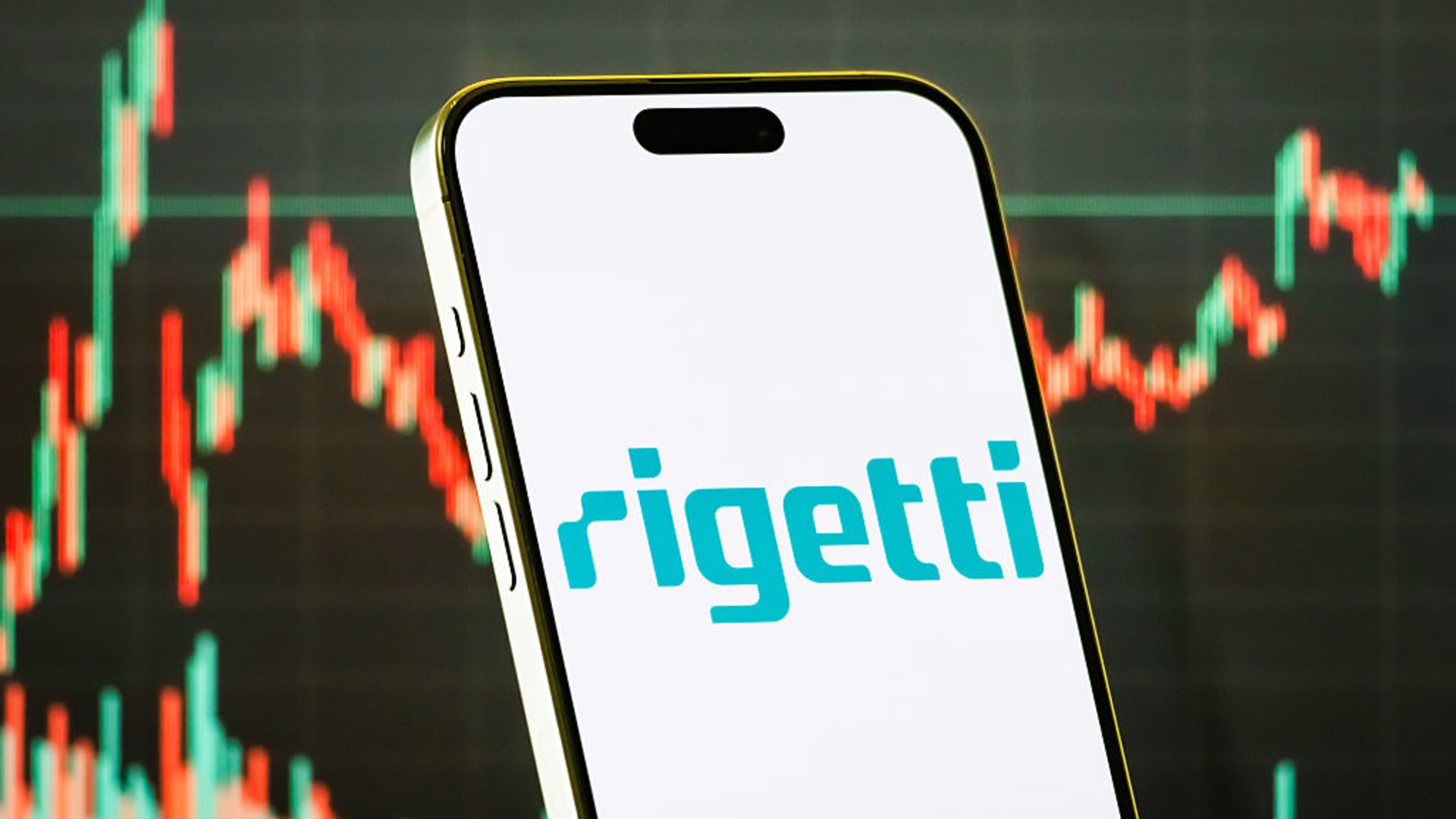
- Surge in Quantum Computing Investment: The U.S. government announced a $2 billion funding boost for quantum computing companies, leading to significant stock price increases, with Rigetti Computing soaring 30% in regular trading, showcasing optimistic market expectations for the future of quantum technology.
- Investor Education Initiative: CNBC Pro LIVE aims to provide actionable investment strategies for a diverse range of investors, emphasizing the importance of long-term wealth building and helping participants maintain rationality and discipline amid market fluctuations.
See More

Quantum Computing Stocks Surge on $2 Billion Grants Report


- Quantum Stock Surge: Shares of quantum computing companies soared following a Wall Street Journal report that the government plans to award $2 billion in grants to nine firms, with Rigetti Computing jumping over 30%, D-Wave Quantum rising 22%, and Quantum Computing increasing 13%, indicating strong market confidence in the future of quantum technology.
- Rare Earth Rebound: Rare earth stocks extended their rebound amid concerns over export restrictions from China, with USA Rare Earth rising 7% after securing $19.3 million in funding from the Department of Energy for rare earth separation development, and Critical Metals gaining 3% after signing a 15-year offtake agreement with Greenland's Tanbreez, reflecting robust demand for rare earth resources.
- Spotify's Strong Outlook: Spotify provided a strong growth forecast at its first investor day since 2022, expecting revenue to grow at a compound annual growth rate in the mid-teens and aiming for 1 billion subscribers, leading to a 14% rise in shares, showcasing optimistic market sentiment regarding its long-term growth potential.
- Walmart's Disappointing Outlook: Walmart's shares fell nearly 7% after issuing a disappointing outlook, expecting adjusted earnings per share between $2.75 and $2.85, below the $2.91 expected by the market, despite meeting first-quarter adjusted EPS expectations, which may undermine investor confidence.
See More
Quantum Computing Stocks Retreat, Honeywell Gains Amid IPO Plans
- Market Retreat: Quantum computing stocks experienced a broad retreat, with IonQ and Quantum Computing falling 6% and 6.5% respectively, indicating a waning short-term market reaction to government support that may affect investor confidence.
- D-Wave Funding Announcement: D-Wave Quantum announced that its subsidiary Quantum Circuits secured second-year funding from a U.S. government-backed project, yet its stock still dropped 8.5%, reflecting a lack of long-term confidence in quantum initiatives.
- IBM Stock Decline: Despite receiving federal support, IBM's shares fell 2.4%, suggesting that even with policy backing, the market remains cautious about the future prospects of quantum computing.
- Honeywell's Upsurge: Honeywell's Quantinuum unit plans to raise $1.05 billion in its upcoming IPO, resulting in a stock increase of over 2.5%, indicating optimistic market sentiment regarding its growth potential.
See More
Quantum Computing Inc Sees Surge in Options Trading Volume
- Surge in Options Volume: Quantum Computing Inc (QUBT) experienced an options trading volume of 199,735 contracts today, equating to approximately 20 million shares, which represents about 80.3% of its average daily trading volume of 24.9 million shares over the past month, indicating strong market interest in its future performance.
- High-Frequency Trading Insights: Notably, the $13 strike call option expiring on May 22, 2026, saw a trading volume of 29,538 contracts today, representing around 3 million underlying shares, suggesting a significant bullish sentiment among investors regarding QUBT's stock price appreciation.
- Qorvo Options Activity: Concurrently, Qorvo Inc (QRVO) recorded an options trading volume of 9,316 contracts today, equivalent to approximately 931,600 shares, which accounts for 77.1% of its average daily trading volume of 1.2 million shares over the past month, reflecting sustained investor interest in its stock.
- Strike Price Focus: For QRVO, the $120 strike call option expiring on December 18, 2026, has seen a trading volume of 2,611 contracts today, representing about 261,100 underlying shares, indicating optimistic market expectations for its future performance.
See More
Trump Administration Plans $2 Billion Grants for Quantum Computing Companies
- Grant Announcement: The Trump Administration revealed a plan to award $2 billion in grants to nine quantum computing companies, notably excluding Quantum Computing, which saw its stock rise before and after the announcement, indicating strong market interest in the quantum computing sector.
- Significant Stock Fluctuation: Quantum Computing's shares surged 44% over three days despite not receiving a grant, suggesting investor optimism about its future potential; however, the lack of funding could hinder its long-term growth prospects.
- Increased Financial Pressure: Without a grant, Quantum Computing faces a cash burn rate exceeding $42 million annually, intensifying financial strain and increasing operational risks over the next two years, as it lacks the necessary funding runway.
- Market Reaction Analysis: Despite not securing funding, Quantum Computing's stock continued to rise, reflecting overall market optimism towards the quantum computing industry; however, the absence of actual financial support may limit its technological development and competitive edge.
See More
U.S. Commerce Department Awards $2 Billion in Grants to Quantum Computing Firms
- Grant Distribution: The U.S. Department of Commerce announced $2 billion in grants to nine quantum computing companies, notably excluding Quantum Computing Inc. (NASDAQ: QUBT), which raises concerns about the company's financial viability and future research capabilities.
- Stock Price Fluctuation: Despite not receiving a grant, Quantum Computing's stock began rising a day before the announcement and continued to climb, gaining 44% over three days, indicating that overall market optimism in the quantum sector may be influencing its stock performance.
- Cash Burn Issues: Quantum Computing is burning over $42 million annually, and without the grant, its financial situation will become increasingly precarious, potentially leading to a cash crunch within two years, which could severely impact its operational sustainability.
- Investor Caution: Analysts have highlighted that Quantum Computing is not included in the current list of the ten best stocks to buy, suggesting that investors should exercise caution, especially given the company's looming financial pressures.
See More
Biotech and Real Estate Market Dynamics
- Biotech Index Performance: The NYSE Arca Biotechnology Index rose nearly 4% in May and gained about 33% over the past year, despite a 5.25% decline from January's peak, indicating market volatility and cautious investor sentiment.
- Real Estate Sector Recovery: The S&P Real Estate sector added approximately 3% over four days and has risen about 11% year-to-date, reflecting a gradual restoration of confidence in real estate investments, particularly in a high-interest-rate environment where stable yields are attractive.
- Surge in Quantum Computing Investment: The U.S. government announced a $2 billion funding boost for quantum computing companies, leading to significant stock price increases, with Rigetti Computing soaring 30% in regular trading, showcasing optimistic market expectations for the future of quantum technology.
- Investor Education Initiative: CNBC Pro LIVE aims to provide actionable investment strategies for a diverse range of investors, emphasizing the importance of long-term wealth building and helping participants maintain rationality and discipline amid market fluctuations.
See More
Quantum Computing Stocks Surge on $2 Billion Grants Report
- Quantum Stock Surge: Shares of quantum computing companies soared following a Wall Street Journal report that the government plans to award $2 billion in grants to nine firms, with Rigetti Computing jumping over 30%, D-Wave Quantum rising 22%, and Quantum Computing increasing 13%, indicating strong market confidence in the future of quantum technology.
- Rare Earth Rebound: Rare earth stocks extended their rebound amid concerns over export restrictions from China, with USA Rare Earth rising 7% after securing $19.3 million in funding from the Department of Energy for rare earth separation development, and Critical Metals gaining 3% after signing a 15-year offtake agreement with Greenland's Tanbreez, reflecting robust demand for rare earth resources.
- Spotify's Strong Outlook: Spotify provided a strong growth forecast at its first investor day since 2022, expecting revenue to grow at a compound annual growth rate in the mid-teens and aiming for 1 billion subscribers, leading to a 14% rise in shares, showcasing optimistic market sentiment regarding its long-term growth potential.
- Walmart's Disappointing Outlook: Walmart's shares fell nearly 7% after issuing a disappointing outlook, expecting adjusted earnings per share between $2.75 and $2.85, below the $2.91 expected by the market, despite meeting first-quarter adjusted EPS expectations, which may undermine investor confidence.
See More