Preliminary Outcomes of China-US Trade Talks
Written by Emily J. Thompson, Senior Investment Analyst
Updated: May 16 2026
0mins
Source: Newsfilter
- Investment and Trade Boards: Both sides agreed to establish investment and trade boards to negotiate reciprocal, product-specific tariff reductions, aiming to deepen bilateral trade relations through structural reforms.
- Agricultural Market Access: The two parties will work together to resolve non-tariff barriers and market access issues, particularly concerning the U.S. automatic detention of Chinese dairy and aquatic products, indicating a willingness for cooperation in agriculture.
- Boeing Aircraft Purchases: Trump claimed that China agreed to purchase 200 Boeing aircraft, although analysts have questioned the lack of a specific timeline, suggesting that the implementation of the agreement still requires further clarification.
- Ongoing Discussions and Finalization: The Chinese commerce ministry confirmed arrangements regarding Chinese purchases of U.S. aircraft and U.S. assurances on supplying aircraft engines and parts to China, emphasizing that details are still under discussion and agreements are expected to be finalized soon.
Trade with 70% Backtested Accuracy
Stop guessing "Should I Buy BA?" and start using high-conviction signals backed by rigorous historical data.
Sign up today to access powerful investing tools and make smarter, data-driven decisions.
Analyst Views on BA
Wall Street analysts forecast BA stock price to rise
16 Analyst Rating
14 Buy
1 Hold
1 Sell
Strong Buy
Current: 217.420

Low
150.00
Averages
269.14
High
298.00
Current: 217.420
Low
150.00
Averages
269.14
High
298.00
About BA
The Boeing Company is an aerospace company. Its segments include Commercial Airplanes (BCA), Defense, Space & Security (BDS), and Global Services (BGS). Its BCA segment develops, produces and markets commercial jet aircraft principally for the commercial airline industry worldwide. Its family of commercial jet aircraft in production includes the 737 narrow-body model and the 767, 777 and 787 wide-body models. Its BDS segment is engaged in the research, development, production and modification of manned and unmanned military aircraft and weapons systems for strike, surveillance and mobility. Its BGS segment provides services to its commercial and defense customers worldwide. It sustains aerospace platforms and systems with a range of products and services, including supply chain and logistics management, engineering, maintenance and modifications, upgrades and conversions, spare parts, pilot and maintenance training systems and services, technical and maintenance documents, and others.
About the author

Emily J. Thompson
Emily J. Thompson, a Chartered Financial Analyst (CFA) with 12 years in investment research, graduated with honors from the Wharton School. Specializing in industrial and technology stocks, she provides in-depth analysis for Intellectia’s earnings and market brief reports.

Boeing Adjusts 737 Production Plans Amid Optimism for Dreamliner

- 737 Production Plans: Boeing is currently studying the possibility of increasing 737 production above the planned 63 jets per month, with CEO Kelly Ortberg emphasizing that any higher rates remain a 'study activity' rather than a confirmed target.
- Optimism for 787 Production: Boeing is optimistic about ramping up 787 Dreamliner production to 10 aircraft per month by year-end, although the program faces supply chain constraints, particularly regarding seating and engine deliveries.
- New Production Line Launch: Boeing will begin building 737 Max aircraft on a new assembly line in Everett, Washington, starting July 6, which is expected to facilitate an increase in production from 47 to 52 jets per month, while the company remains cautious about its production capabilities.
- Chinese Market Prospects: Ortberg discussed positive prospects in China following a meeting with President Trump, noting that while Boeing has not secured a new 737 order in nearly a decade, there is a commitment to open the market with an initial quantity.
See More

Trump Reiterates Criticism of Iran Nuclear Deal

- Trump's Strong Opposition: In an NBC interview, Trump reiterated his condemnation of Obama's Iran nuclear deal, labeling it a 'horrible deal' and claiming that had he not withdrawn, Iran would have already acquired nuclear weapons, reflecting his dissatisfaction with current negotiation progress and potentially impacting his political support.
- Slow Negotiation Progress: Trump stated that despite Iran's desperation for an agreement, negotiations are taking time, indicating a complex situation that could further undermine U.S. strategic positioning in the Middle East.
- Impact of the JCPOA: Since Trump's withdrawal from the JCPOA in 2018, Iran has breached the agreement's limitations by ramping up uranium enrichment, highlighting the risk of the deal's failure and the potential for increased nuclear proliferation in the region.
- Challenges for Future Agreements: Experts note that any new agreement must contend with uncertainties regarding Iran's nuclear materials and technologies, and Trump's hardline stance may complicate negotiations, affecting the U.S.'s credibility on the international stage.
See More

U.S. Stocks Plunge as Tech Shares Weaken


- Market Decline: The S&P 500 fell by 2.64%, the Nasdaq 100 plummeted 4.77%, and the Dow Jones slipped 1.35%, indicating a shift in market sentiment towards bearishness, particularly driven by weakness in chipmaker stocks amid rising rate hike expectations.
- Employment Data Impact: U.S. nonfarm payrolls increased by 172,000 in May, significantly exceeding the 80,000 jobs forecasted by economists, while the unemployment rate held steady at 4.3%, raising the likelihood of Fed rate hikes and pushing the 10-year yield above 4.5%.
- Tech Stock Sell-off: Major tech shares, including Broadcom (-8%), Micron Tech (-13%), ASML (-7%), and Intel (-12%), experienced significant declines, resulting in a total market value loss of approximately $1.3 trillion for U.S.-traded chipmakers, reflecting investor concerns over a high-rate environment.
- ETF Performance Weakness: The SPDR S&P 500 ETF (SPY) and Invesco QQQ Trust (QQQ) closed down about 3% and 5.3%, respectively, while the VanEck Semiconductor ETF (SMH) dropped 10%, indicating a notable decline in investor confidence in the tech sector.
See More
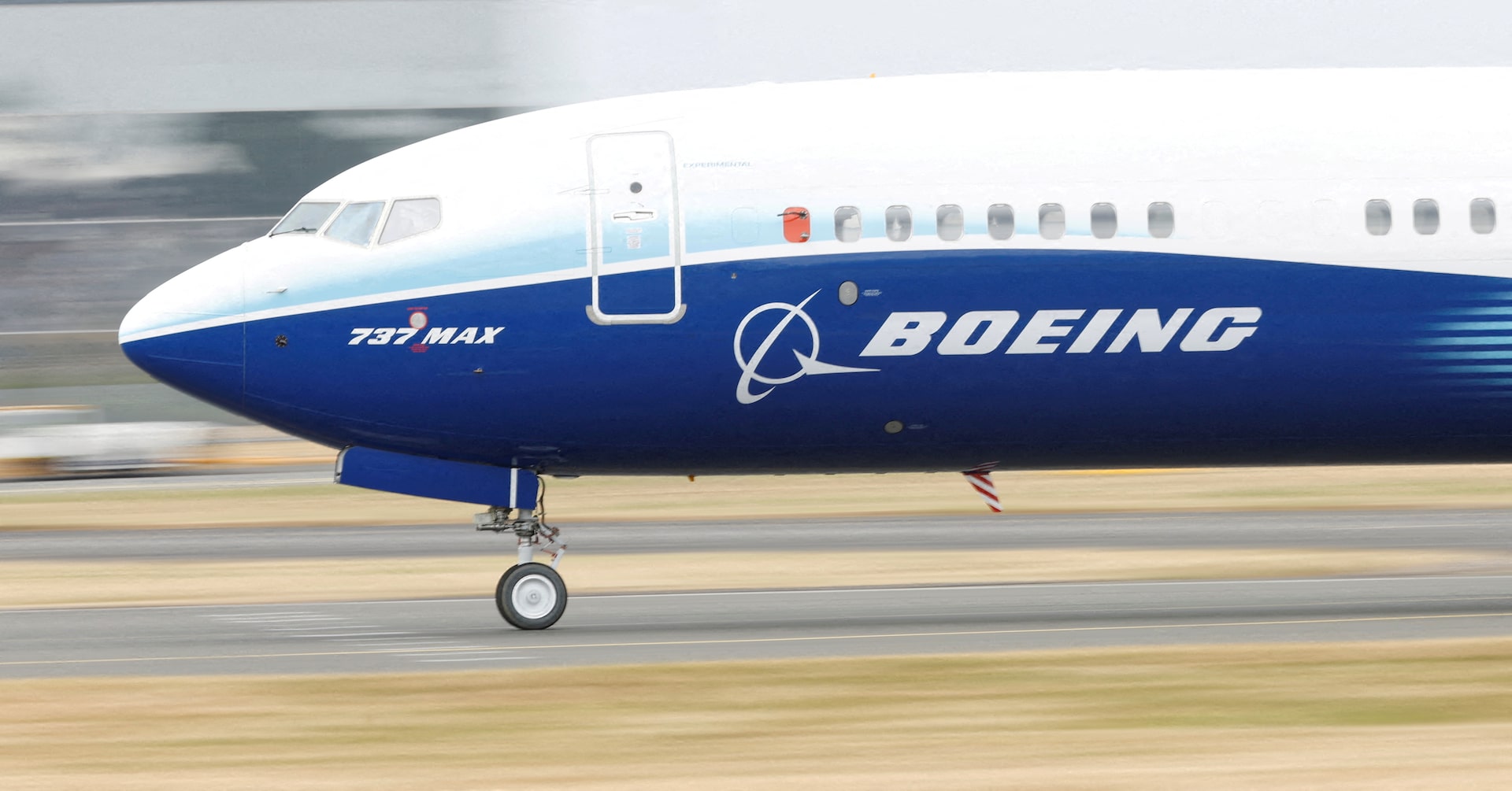
Farnborough Airshow 2026 Confirms Initial Aircraft Lineup
- Confirmed Aircraft Lineup: The Farnborough International Airshow has confirmed its first group of flying display teams for 2026, including the U.S. Air Force F-35A Lightning II Demonstration Team, highlighting growing investor interest in defense modernization and advanced air mobility, which is expected to attract significant attention from aerospace manufacturers and defense contractors.
- Market Trends Reflection: The aircraft lineup features models such as the Lockheed Martin F-35A and Airbus A350-1000, reflecting strong growth in military aviation and electric aircraft markets, particularly as NATO countries continue to increase defense spending, indicating a robust future for these sectors.
- Business Aviation Competition: Business jets like Bombardier's Global 8000 and Dassault's Falcon 6X underscore ongoing competition in the long-range corporate jet market, capturing investor interest amid economic recovery, which could lead to increased orders and partnerships in this segment.
- Significance of the Event: As a premier global event in the aerospace sector, the Farnborough Airshow has historically served as a platform for major commercial aircraft orders and defense procurement decisions, making it a key event for investors tracking aerospace and defense companies, with further announcements expected ahead of the July event.
See More
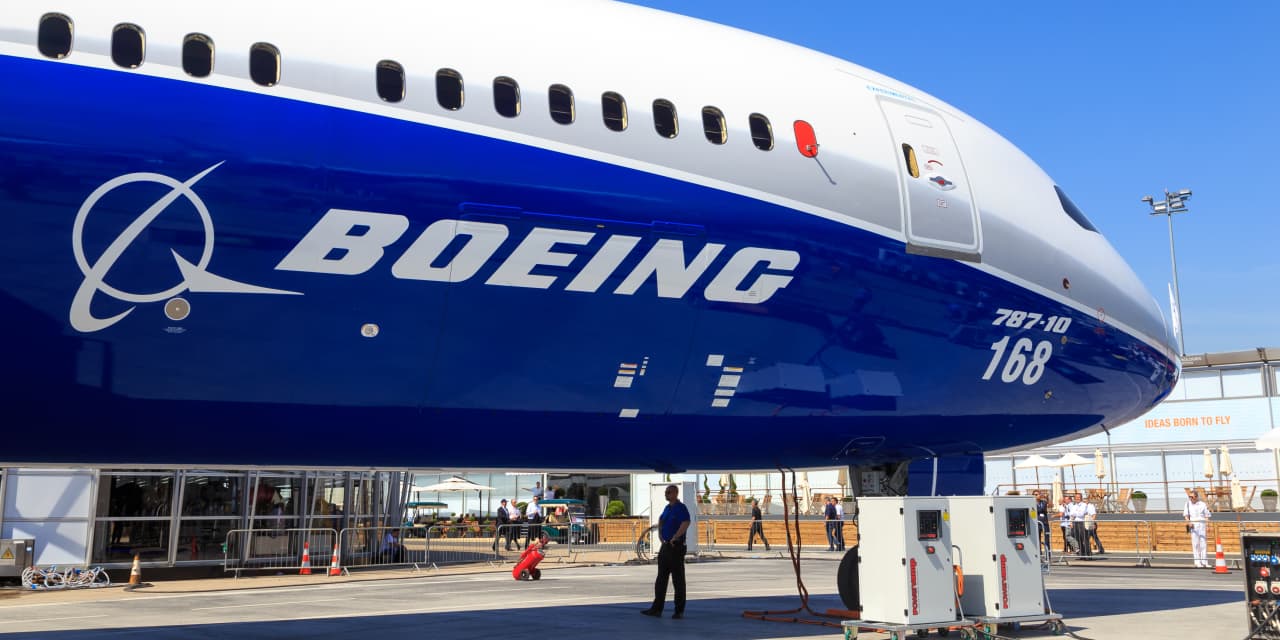
Boeing Considers Raising 737 Production Target
- Production Target Increase: Boeing is studying the possibility of raising its long-term production target for the 737 aircraft family from 63 to 70 planes per month, although no firm plans have been established yet, indicating the company's proactive response to market demand.
- New Production Line Launch: Boeing will begin building new 737 MAX jets at a new assembly line near Seattle on July 6, which will support increased production capacity and is expected to ramp up MAX output to 52 jets per month.
- Production Growth Trend: Currently, Boeing is producing 47 737 MAX jets per month, up from 42 earlier this year, demonstrating the company's gradual recovery in production capacity while actively addressing growing market demand.
- Supply Chain Resilience Assessment: CEO Kelly Ortberg stated that Boeing will assess the resilience of its supply chain and production constraints to determine if higher production rates can be supported, with this study activity providing crucial insights for future production decisions.
See More
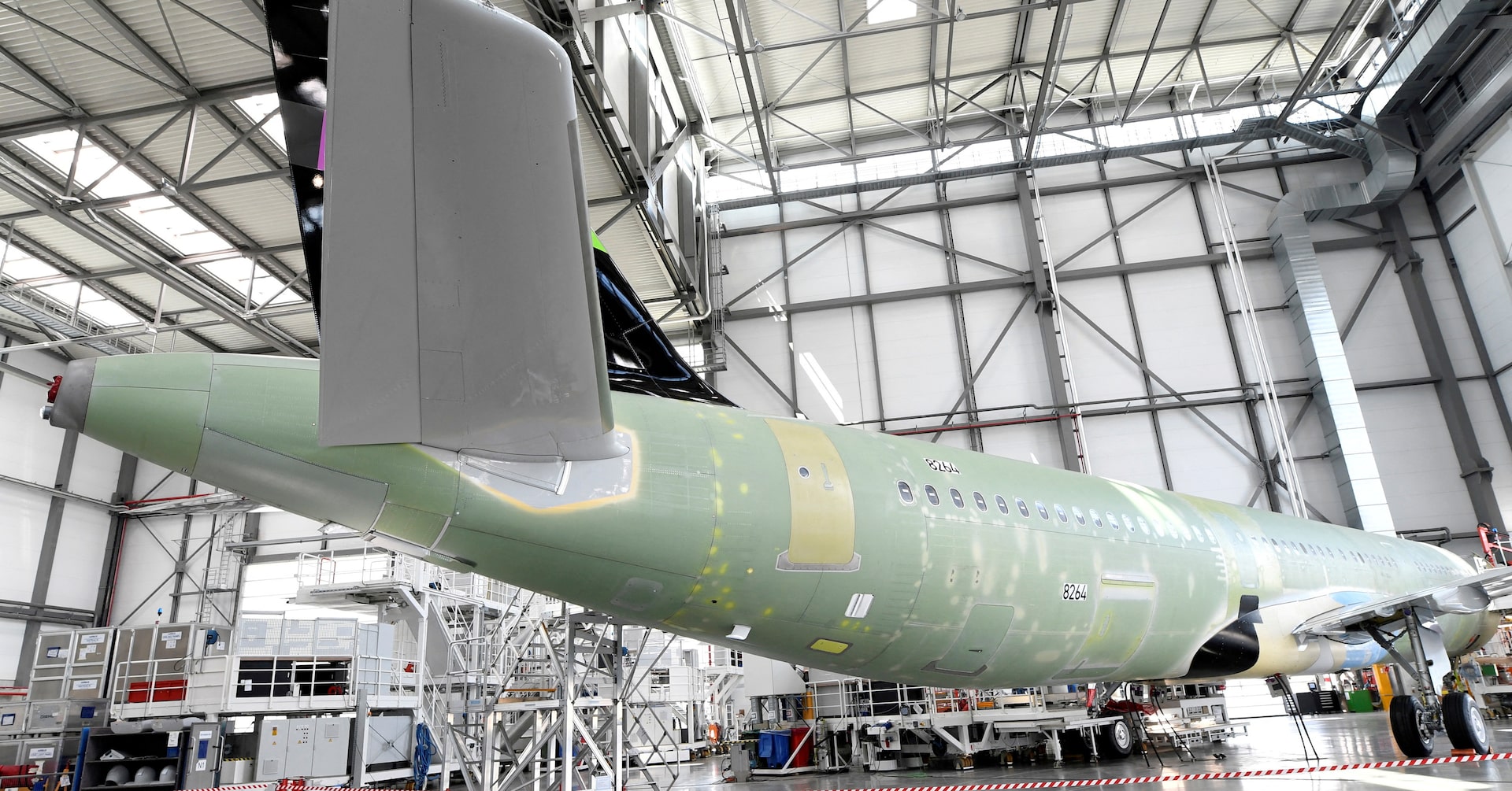
Boeing Opens New 737 Max Production Line in Everett

- New Production Line Launch: Boeing will commence production at its new 737 Max final assembly line in Everett, Washington, starting July 6, aiming to ramp up to 52 jets per month, significantly enhancing capacity to meet market demand.
- Production Increase Plan: Currently, Boeing produces 47 Max jets monthly, up from 42 earlier this year, with a long-term goal of reaching 63 jets per month, contingent on supply chain support, which would further solidify its market position.
- Regulatory Constraints Impact: Despite Boeing's ambitions to increase 737 Max production, its capacity is limited by the Federal Aviation Administration due to safety issues stemming from an incident involving an Alaska Airlines plane in January 2024, leading to extensive quality reviews.
- New Model Certification: The new assembly line will initially focus on the 737 Max 10, which is expected to receive FAA certification by the end of the year, paving the way for the first deliveries of this model and expanding Boeing's product offerings.
See More
Boeing Adjusts 737 Production Plans Amid Optimism for Dreamliner
- 737 Production Plans: Boeing is currently studying the possibility of increasing 737 production above the planned 63 jets per month, with CEO Kelly Ortberg emphasizing that any higher rates remain a 'study activity' rather than a confirmed target.
- Optimism for 787 Production: Boeing is optimistic about ramping up 787 Dreamliner production to 10 aircraft per month by year-end, although the program faces supply chain constraints, particularly regarding seating and engine deliveries.
- New Production Line Launch: Boeing will begin building 737 Max aircraft on a new assembly line in Everett, Washington, starting July 6, which is expected to facilitate an increase in production from 47 to 52 jets per month, while the company remains cautious about its production capabilities.
- Chinese Market Prospects: Ortberg discussed positive prospects in China following a meeting with President Trump, noting that while Boeing has not secured a new 737 order in nearly a decade, there is a commitment to open the market with an initial quantity.
See More
Trump Reiterates Criticism of Iran Nuclear Deal
- Trump's Strong Opposition: In an NBC interview, Trump reiterated his condemnation of Obama's Iran nuclear deal, labeling it a 'horrible deal' and claiming that had he not withdrawn, Iran would have already acquired nuclear weapons, reflecting his dissatisfaction with current negotiation progress and potentially impacting his political support.
- Slow Negotiation Progress: Trump stated that despite Iran's desperation for an agreement, negotiations are taking time, indicating a complex situation that could further undermine U.S. strategic positioning in the Middle East.
- Impact of the JCPOA: Since Trump's withdrawal from the JCPOA in 2018, Iran has breached the agreement's limitations by ramping up uranium enrichment, highlighting the risk of the deal's failure and the potential for increased nuclear proliferation in the region.
- Challenges for Future Agreements: Experts note that any new agreement must contend with uncertainties regarding Iran's nuclear materials and technologies, and Trump's hardline stance may complicate negotiations, affecting the U.S.'s credibility on the international stage.
See More
U.S. Stocks Plunge as Tech Shares Weaken
- Market Decline: The S&P 500 fell by 2.64%, the Nasdaq 100 plummeted 4.77%, and the Dow Jones slipped 1.35%, indicating a shift in market sentiment towards bearishness, particularly driven by weakness in chipmaker stocks amid rising rate hike expectations.
- Employment Data Impact: U.S. nonfarm payrolls increased by 172,000 in May, significantly exceeding the 80,000 jobs forecasted by economists, while the unemployment rate held steady at 4.3%, raising the likelihood of Fed rate hikes and pushing the 10-year yield above 4.5%.
- Tech Stock Sell-off: Major tech shares, including Broadcom (-8%), Micron Tech (-13%), ASML (-7%), and Intel (-12%), experienced significant declines, resulting in a total market value loss of approximately $1.3 trillion for U.S.-traded chipmakers, reflecting investor concerns over a high-rate environment.
- ETF Performance Weakness: The SPDR S&P 500 ETF (SPY) and Invesco QQQ Trust (QQQ) closed down about 3% and 5.3%, respectively, while the VanEck Semiconductor ETF (SMH) dropped 10%, indicating a notable decline in investor confidence in the tech sector.
See More
Farnborough Airshow 2026 Confirms Initial Aircraft Lineup
- Confirmed Aircraft Lineup: The Farnborough International Airshow has confirmed its first group of flying display teams for 2026, including the U.S. Air Force F-35A Lightning II Demonstration Team, highlighting growing investor interest in defense modernization and advanced air mobility, which is expected to attract significant attention from aerospace manufacturers and defense contractors.
- Market Trends Reflection: The aircraft lineup features models such as the Lockheed Martin F-35A and Airbus A350-1000, reflecting strong growth in military aviation and electric aircraft markets, particularly as NATO countries continue to increase defense spending, indicating a robust future for these sectors.
- Business Aviation Competition: Business jets like Bombardier's Global 8000 and Dassault's Falcon 6X underscore ongoing competition in the long-range corporate jet market, capturing investor interest amid economic recovery, which could lead to increased orders and partnerships in this segment.
- Significance of the Event: As a premier global event in the aerospace sector, the Farnborough Airshow has historically served as a platform for major commercial aircraft orders and defense procurement decisions, making it a key event for investors tracking aerospace and defense companies, with further announcements expected ahead of the July event.
See More
Boeing Considers Raising 737 Production Target
- Production Target Increase: Boeing is studying the possibility of raising its long-term production target for the 737 aircraft family from 63 to 70 planes per month, although no firm plans have been established yet, indicating the company's proactive response to market demand.
- New Production Line Launch: Boeing will begin building new 737 MAX jets at a new assembly line near Seattle on July 6, which will support increased production capacity and is expected to ramp up MAX output to 52 jets per month.
- Production Growth Trend: Currently, Boeing is producing 47 737 MAX jets per month, up from 42 earlier this year, demonstrating the company's gradual recovery in production capacity while actively addressing growing market demand.
- Supply Chain Resilience Assessment: CEO Kelly Ortberg stated that Boeing will assess the resilience of its supply chain and production constraints to determine if higher production rates can be supported, with this study activity providing crucial insights for future production decisions.
See More
Boeing Opens New 737 Max Production Line in Everett
- New Production Line Launch: Boeing will commence production at its new 737 Max final assembly line in Everett, Washington, starting July 6, aiming to ramp up to 52 jets per month, significantly enhancing capacity to meet market demand.
- Production Increase Plan: Currently, Boeing produces 47 Max jets monthly, up from 42 earlier this year, with a long-term goal of reaching 63 jets per month, contingent on supply chain support, which would further solidify its market position.
- Regulatory Constraints Impact: Despite Boeing's ambitions to increase 737 Max production, its capacity is limited by the Federal Aviation Administration due to safety issues stemming from an incident involving an Alaska Airlines plane in January 2024, leading to extensive quality reviews.
- New Model Certification: The new assembly line will initially focus on the 737 Max 10, which is expected to receive FAA certification by the end of the year, paving the way for the first deliveries of this model and expanding Boeing's product offerings.
See More