Forecast: Joby Aviation Set to Dominate the Market by 2026. Here's the Reason.
eVTOL Market Potential: The eVTOL market is projected to reach $9 trillion by 2050, with Joby Aviation positioned to capture significant market share as it progresses through FAA certification and prepares for commercial flights.
Regulatory Challenges and Progress: Joby is nearing completion of the FAA certification process, having completed about 70% of stage four, while also conducting successful test flights in Dubai, aiming for commercial operations by 2026.
Financial Considerations: Joby has approximately $991 million in cash but faces a potential cash crunch if it does not generate revenue soon, as its current burn rate could deplete funds within two years.
Investment Outlook: While Joby is seen as a compelling investment opportunity in the disruptive eVTOL sector, its high valuation and ongoing regulatory hurdles may lead to stock volatility, prompting cautious investors to consider alternative options.
Trade with 70% Backtested Accuracy
Analyst Views on JOBY

About JOBY
About the author


Joby Reports Strong Q1 Results, Stock Gains Amid Market Volatility

- Strong Sales Performance: Joby's Q1 report revealed sales of $24 million, exceeding Wall Street's estimates by $3.8 million, indicating robust demand in the eVTOL market; despite a loss of $0.12 per share, it was better than the anticipated $0.21, suggesting improved cost management.
- Narrowed Annual Guidance: The company adjusted its full-year sales outlook to between $105 million and $115 million, down from a previous range of $105 million to $150 million, yet this still reflects confidence in future growth, with plans to commence commercial flights this year, bolstering investor sentiment.
- Significant Stock Volatility: Joby's stock surged 29.5% in May but has since dropped approximately 19.8% in June, highlighting market concerns over potential Federal Reserve interest rate hikes, leading to a risk-off sentiment among investors that could impact future financing capabilities.
- Changing Market Environment: Following strong performance in May, the overall market's optimism for growth stocks has waned, with the S&P 500 and Nasdaq Composite down 2.6% and 4.7% respectively, which may exert further pressure on Joby's stock, especially given its high valuation metrics.
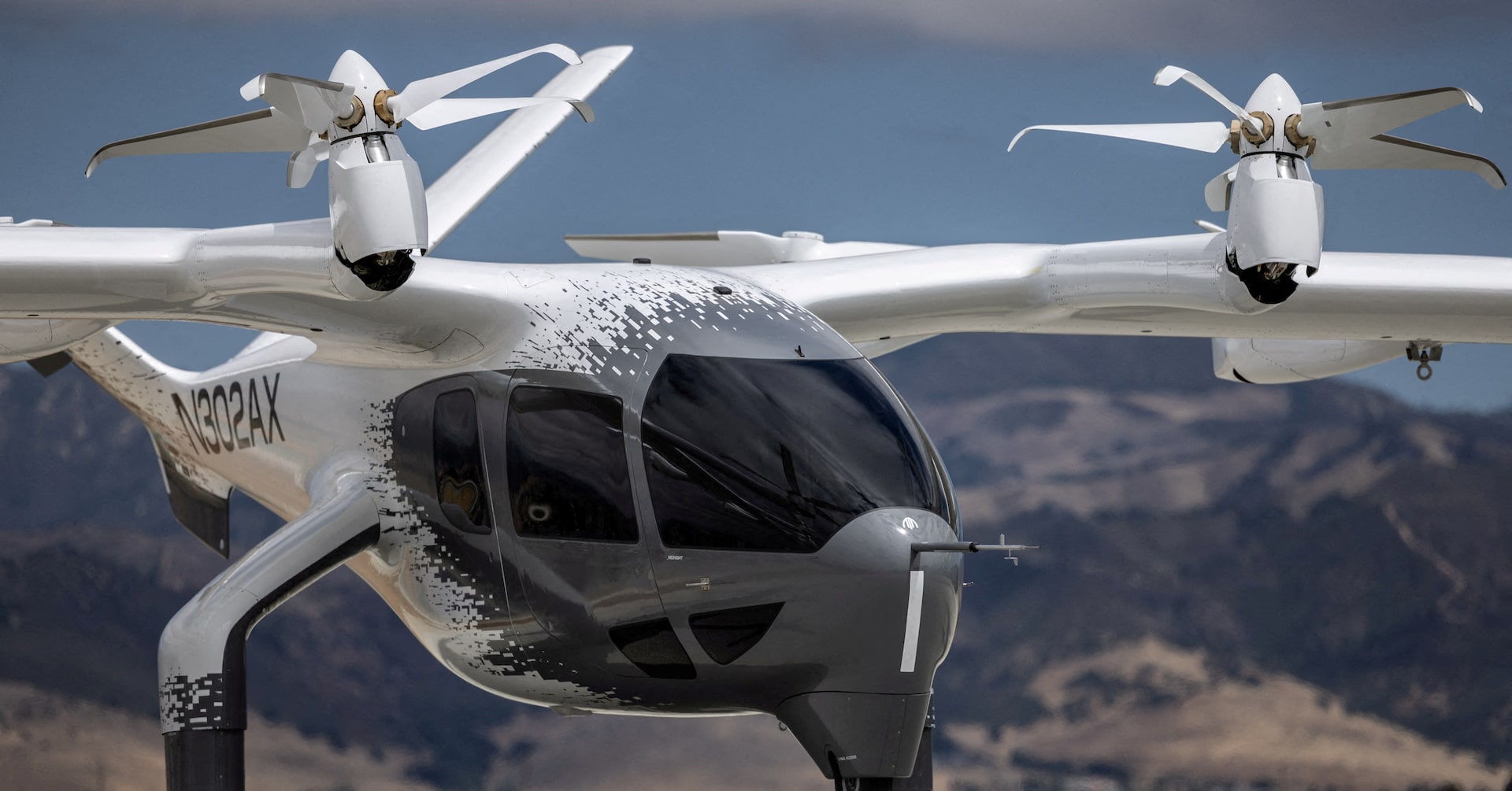
Joby Aviation's Potential in eVTOL Market
- Market Potential: Morgan Stanley estimates that the urban air mobility market could reach $9 trillion by 2050, indicating a vast future for Joby Aviation, although it still needs FAA certification to ensure safety.
- Noise and Emission Advantages: Joby's eVTOL aircraft produce about 55 decibels of noise during hover, significantly lower than the 90 decibels of traditional helicopters, which enhances urban acceptance and reduces noise pollution.
- Traffic Congestion Solution: Joby aims to reduce the commute time from Manhattan to JFK airport from 1-2 hours to under 10 minutes, directly addressing urban traffic congestion and enhancing the attractiveness of its business model.
- Investor Risk Warning: Despite Joby Aviation's immense long-term growth potential, the stock may experience significant volatility due to a lack of meaningful revenue, requiring investors to hold cautiously amid short-term uncertainties.

Archer Aviation Faces Challenges and Opportunities in eVTOL Market

- Intensifying Market Competition: Archer Aviation's market value has dropped over 60%, currently at $5.75, significantly below its 52-week high of $14.62, indicating a lack of investor confidence amid strong performance from rival Joby Aviation, which could impact future fundraising capabilities.
- Significant Certification Progress: Archer has achieved a key milestone in obtaining FAA certification, becoming the first eVTOL company to complete Phase 3 of the FAA's four-phase certification process, which, if successful, will pave the way for future revenue growth.
- High Risk and High Reward: Despite Archer's lower valuation compared to Joby, the market remains skeptical about its future profitability, with a 45% decline in stock price over the past year; even with approval, the company faces ongoing cash burn and operational loss risks.
- Investment Opportunity Assessment: Given the long-term growth potential of the eVTOL market, Archer may represent a compelling stock for small investments, particularly for investors with a long-term horizon who can tolerate risks, as the current low price may present a buying opportunity.

Joby Aviation Stock Surges 29.5% in May Amid Strong Market Momentum
- Strong Quarterly Report: Joby Aviation's Q1 earnings report released on May 5 revealed sales of $24 million, exceeding Wall Street's estimates by $3.8 million, and while the company reported a loss of $0.12 per share, it was better than the anticipated $0.21 loss, indicating resilience in the market.
- Revenue Guidance Adjustment: The company narrowed its full-year revenue guidance to between $105 million and $115 million, which, although lower than the previous range of $105 million to $150 million, still pleased investors who believe the plan to commence commercial flights this year remains intact.
- Market Performance Volatility: Despite a 29.5% surge in May, Joby's stock has fallen approximately 19.8% in June, reflecting a shift to risk-off positioning among investors due to concerns over potential interest rate hikes by the Federal Reserve, which has weakened overall market sentiment.
- Increased Valuation Pressure: With a market capitalization of about $9.4 billion and a valuation of approximately 84 times this year's expected sales, Joby Aviation could face additional pressure on its growth-dependent valuation if the Fed raises interest rates, potentially impacting investor confidence.

Analysis of Joby Aviation's Electric Flying Taxi Potential

- Massive Market Potential: Morgan Stanley estimates that the urban air mobility market could reach $9 trillion by 2050, highlighting Joby Aviation's vast prospects in future transportation, although it still needs FAA certification to ensure safety.
- Noise and Emission Advantages: Joby's eVTOL aircraft produce about 55 decibels of noise during hover, significantly lower than the 90 decibels of traditional helicopters, which not only enhances urban living quality but also supports its market promotion.
- Traffic Efficiency Improvement: Joby aims to reduce the commute time from Manhattan to JFK airport from 1-2 hours to under 10 minutes, addressing urban congestion and meeting the growing demand for travel, which presents significant commercial appeal.
- Investment Risks and Opportunities: Although Joby Aviation has yet to achieve profitability and faces market volatility risks, the long-term gain potential is substantial for patient investors, especially as electric air travel becomes more accepted.
Joby Aviation Shares Plunge 14.3% Amid Economic Concerns
- Significant Stock Decline: Joby Aviation's shares fell 14.3% on Friday, reducing its market capitalization to approximately $9.3 billion, reflecting market concerns over macroeconomic risks, particularly given the high valuation in the electric vertical take-off and landing aircraft sector.
- Impact of Employment Data: The May jobs report from the Bureau of Labor Statistics revealed an addition of 172,000 nonfarm jobs, significantly exceeding economists' expectations of 80,000, which, while positive in some respects, has intensified investor pessimism regarding Joby's growth outlook.
- Increased Valuation Pressure: With a current price-to-sales ratio of about 84, Joby’s valuation is highly growth-dependent, and as market sentiment shifts towards risk aversion for high-growth stocks, Joby could face substantial valuation pressures, especially if interest rates rise.
- Changing Market Environment: Amid speculation of potential interest rate cuts by the Fed, investor sentiment towards risk assets has become more cautious, and Joby Aviation's stock decline reflects the uncertainty surrounding the future economic landscape, potentially leading to further withdrawals from high-risk investments.
Joby Reports Strong Q1 Results, Stock Gains Amid Market Volatility
- Strong Sales Performance: Joby's Q1 report revealed sales of $24 million, exceeding Wall Street's estimates by $3.8 million, indicating robust demand in the eVTOL market; despite a loss of $0.12 per share, it was better than the anticipated $0.21, suggesting improved cost management.
- Narrowed Annual Guidance: The company adjusted its full-year sales outlook to between $105 million and $115 million, down from a previous range of $105 million to $150 million, yet this still reflects confidence in future growth, with plans to commence commercial flights this year, bolstering investor sentiment.
- Significant Stock Volatility: Joby's stock surged 29.5% in May but has since dropped approximately 19.8% in June, highlighting market concerns over potential Federal Reserve interest rate hikes, leading to a risk-off sentiment among investors that could impact future financing capabilities.
- Changing Market Environment: Following strong performance in May, the overall market's optimism for growth stocks has waned, with the S&P 500 and Nasdaq Composite down 2.6% and 4.7% respectively, which may exert further pressure on Joby's stock, especially given its high valuation metrics.
Joby Aviation's Potential in eVTOL Market
- Market Potential: Morgan Stanley estimates that the urban air mobility market could reach $9 trillion by 2050, indicating a vast future for Joby Aviation, although it still needs FAA certification to ensure safety.
- Noise and Emission Advantages: Joby's eVTOL aircraft produce about 55 decibels of noise during hover, significantly lower than the 90 decibels of traditional helicopters, which enhances urban acceptance and reduces noise pollution.
- Traffic Congestion Solution: Joby aims to reduce the commute time from Manhattan to JFK airport from 1-2 hours to under 10 minutes, directly addressing urban traffic congestion and enhancing the attractiveness of its business model.
- Investor Risk Warning: Despite Joby Aviation's immense long-term growth potential, the stock may experience significant volatility due to a lack of meaningful revenue, requiring investors to hold cautiously amid short-term uncertainties.
Archer Aviation Faces Challenges and Opportunities in eVTOL Market
- Intensifying Market Competition: Archer Aviation's market value has dropped over 60%, currently at $5.75, significantly below its 52-week high of $14.62, indicating a lack of investor confidence amid strong performance from rival Joby Aviation, which could impact future fundraising capabilities.
- Significant Certification Progress: Archer has achieved a key milestone in obtaining FAA certification, becoming the first eVTOL company to complete Phase 3 of the FAA's four-phase certification process, which, if successful, will pave the way for future revenue growth.
- High Risk and High Reward: Despite Archer's lower valuation compared to Joby, the market remains skeptical about its future profitability, with a 45% decline in stock price over the past year; even with approval, the company faces ongoing cash burn and operational loss risks.
- Investment Opportunity Assessment: Given the long-term growth potential of the eVTOL market, Archer may represent a compelling stock for small investments, particularly for investors with a long-term horizon who can tolerate risks, as the current low price may present a buying opportunity.
Joby Aviation Stock Surges 29.5% in May Amid Strong Market Momentum
- Strong Quarterly Report: Joby Aviation's Q1 earnings report released on May 5 revealed sales of $24 million, exceeding Wall Street's estimates by $3.8 million, and while the company reported a loss of $0.12 per share, it was better than the anticipated $0.21 loss, indicating resilience in the market.
- Revenue Guidance Adjustment: The company narrowed its full-year revenue guidance to between $105 million and $115 million, which, although lower than the previous range of $105 million to $150 million, still pleased investors who believe the plan to commence commercial flights this year remains intact.
- Market Performance Volatility: Despite a 29.5% surge in May, Joby's stock has fallen approximately 19.8% in June, reflecting a shift to risk-off positioning among investors due to concerns over potential interest rate hikes by the Federal Reserve, which has weakened overall market sentiment.
- Increased Valuation Pressure: With a market capitalization of about $9.4 billion and a valuation of approximately 84 times this year's expected sales, Joby Aviation could face additional pressure on its growth-dependent valuation if the Fed raises interest rates, potentially impacting investor confidence.
Analysis of Joby Aviation's Electric Flying Taxi Potential
- Massive Market Potential: Morgan Stanley estimates that the urban air mobility market could reach $9 trillion by 2050, highlighting Joby Aviation's vast prospects in future transportation, although it still needs FAA certification to ensure safety.
- Noise and Emission Advantages: Joby's eVTOL aircraft produce about 55 decibels of noise during hover, significantly lower than the 90 decibels of traditional helicopters, which not only enhances urban living quality but also supports its market promotion.
- Traffic Efficiency Improvement: Joby aims to reduce the commute time from Manhattan to JFK airport from 1-2 hours to under 10 minutes, addressing urban congestion and meeting the growing demand for travel, which presents significant commercial appeal.
- Investment Risks and Opportunities: Although Joby Aviation has yet to achieve profitability and faces market volatility risks, the long-term gain potential is substantial for patient investors, especially as electric air travel becomes more accepted.
Joby Aviation Shares Plunge 14.3% Amid Economic Concerns
- Significant Stock Decline: Joby Aviation's shares fell 14.3% on Friday, reducing its market capitalization to approximately $9.3 billion, reflecting market concerns over macroeconomic risks, particularly given the high valuation in the electric vertical take-off and landing aircraft sector.
- Impact of Employment Data: The May jobs report from the Bureau of Labor Statistics revealed an addition of 172,000 nonfarm jobs, significantly exceeding economists' expectations of 80,000, which, while positive in some respects, has intensified investor pessimism regarding Joby's growth outlook.
- Increased Valuation Pressure: With a current price-to-sales ratio of about 84, Joby’s valuation is highly growth-dependent, and as market sentiment shifts towards risk aversion for high-growth stocks, Joby could face substantial valuation pressures, especially if interest rates rise.
- Changing Market Environment: Amid speculation of potential interest rate cuts by the Fed, investor sentiment towards risk assets has become more cautious, and Joby Aviation's stock decline reflects the uncertainty surrounding the future economic landscape, potentially leading to further withdrawals from high-risk investments.