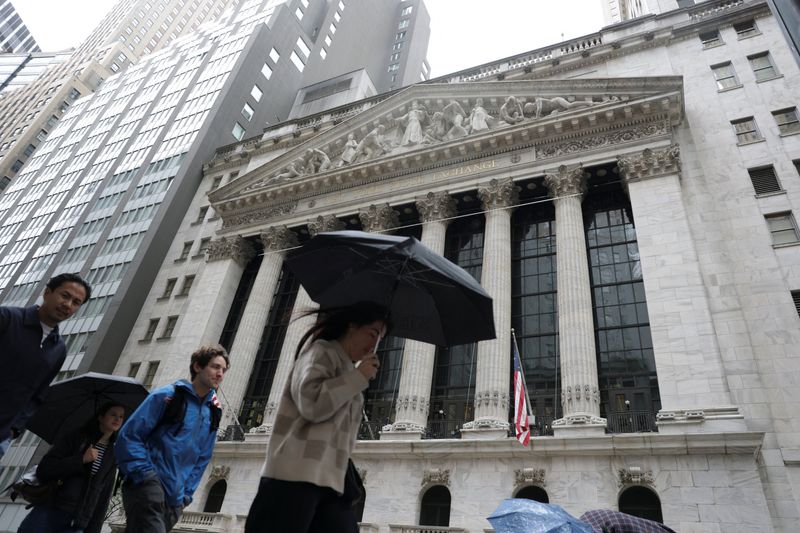
Pfizer and Valneva Announce Lyme Disease Vaccine Trial Results
Pfizer (PFE) and Valneva (VALN) announced topline results from the Phase 3 VALOR clinical trial of its investigational 6-valent OspA-based Lyme disease vaccine candidate PF-07307405 demonstrating: In the pre-specified analyses: Efficacy of 73.2% from 28 days post-dose 4 (season 2) in reducing the rate of confirmed Lyme disease cases compared to the placebo arm; Efficacy of 74.8% from 1-day post-dose 4 (season 2) in reducing the rate of confirmed Lyme disease cases compared to the placebo arm; Fewer than anticipated Lyme disease cases were accrued over the study period, and the pre-determined statistical criterion was not met in the first pre-specified analysis. Given the clinically meaningful efficacy and the fact that the 95% confidence interval lower bound was above 20 in the second pre-specified analysis, Pfizer is confident in the vaccine's potential and is planning submissions to regulatory authorities.
Trade with 70% Backtested Accuracy
Analyst Views on PFE

About PFE
About the author


Pfizer's Future Investments and Dividend Analysis

- Dividend Yield: Pfizer's recent dividend yield of 6.7% not only provides investors with a steady cash flow but also attracts long-term investors seeking income, thereby enhancing market interest in its stock.
- Analyst Rating Discrepancies: MarketWatch tracked 28 analyst ratings for Pfizer, with 9 recommending 'buy', 15 suggesting 'hold', and 3 advising 'sell', indicating a cautious market sentiment and an overall consensus to 'hold', reflecting uncertainty about future performance.
- R&D Pipeline Progress: Pfizer has 96 drugs in development, with 31 in late-stage trials, particularly the Mevpro-1 phase 3 trial for metastatic castration-resistant prostate cancer, with results expected in the second half of 2026, which could yield an upside of about $2 per share if successful, showcasing Pfizer's strategic focus in oncology.
- Acquisition and Growth Potential: By acquiring companies like Metsera to bolster its GLP-1 drug development, Pfizer is addressing upcoming patent expirations; despite current challenges, its diverse growth catalysts and robust R&D pipeline support future business growth, highlighting its potential in the weight-loss drug market.

Pfizer to Host Investor Webcast at Jefferies Conference
- Webcast Announcement: Pfizer Inc. will host a webcast on June 3, 2026, at 2:00 p.m. EDT during the Jefferies Global Healthcare Conference in New York, featuring CEO Albert Bourla, which is expected to draw significant investor and public interest.
- Access Information: Investors can visit Pfizer's website to access the webcast, with registration details available starting today, ensuring participants can smoothly listen to and view this important discussion.
- Replay and Transcript: The transcript and replay of the webcast will be made available on Pfizer's website within 24 hours after the live discussion, accessible for at least 90 days, allowing investors who could not attend live to catch up on the information.
- Company Mission and Vision: Pfizer emphasizes its commitment to applying science and global resources to provide innovative therapies, highlighting its standards for quality, safety, and value in healthcare product development, showcasing its responsibility as a leading biopharmaceutical company.
FDA Advisory Panel to Discuss 2026-2027 COVID Vaccine Composition

- Vaccine Target Selection: The FDA's Vaccines and Related Biological Products Advisory Committee will vote this week on whether to select the SARS-CoV-2 subvariant XFG as the target for the 2026-2027 COVID vaccines, a decision that will directly influence future vaccine development directions.
- Variant Advantage Analysis: The XFG variant, which emerged from the JN.1 variant, is currently one of the dominant COVID strains in the U.S. and internationally, possessing a growth advantage over the previously dominant LP.8.1 variant, indicating the need for timely vaccine updates to address new challenges.
- Vaccine Production Readiness: In briefing documents released ahead of the meeting, the FDA noted that all licensed COVID vaccine manufacturers have indicated their readiness to produce XFG-targeting vaccines in time for the 2026-27 vaccination season, demonstrating the industry's ability to respond quickly to new variants.
- Vaccine Design Recommendations: Based on last year's VRBPAC recommendations, the FDA has advised vaccine manufacturers to design monovalent COVID vaccines targeting JN.1, preferably LP.8.1, to ensure that vaccines are timely updated to respond to the then-dominant strains, enhancing public health response capabilities.

BridgeBio Pharma Shares Drop After Downgrade by Raymond James

- Downgrade Impact: Raymond James downgraded BridgeBio Pharma (BBIO) from Outperform to Market Perform, primarily due to the anticipated impact of Pfizer's heart drug Vyndamax losing exclusivity, suggesting that BBIO's stock is unlikely to sustain upward momentum amid growing market concerns.
- Increased Competitive Risks: Analyst Martin Auster indicated that with Vyndamax's loss of exclusivity, Attruby's market share could be jeopardized, predicting that new patient starts will become challenging beyond 2031, despite BBIO's efforts to establish a differentiated clinical profile among certain prescribers.
- Market Pressure Expectations: Auster expects that as Vyndamax's exclusivity nears its end, the ATTR-CM therapy market will increasingly rely on formulary-driven dynamics, which may exert greater pressure on TTR stabilizers, potentially undermining BBIO's revenue diversification strategy.
- Price Target Removal: The analyst has removed the $89 price target for BBIO, reflecting a cautious outlook on the company's growth potential, indicating that in a payer-driven market environment, BBIO will need to exert significant efforts to maintain its market position.

Dow Jones Index Celebrates 130th Anniversary with Key Stock Insights


- Dow Component Changes: Since its establishment in 1896, the Dow Jones Index has seen significant changes in its components, with recent additions like Nvidia and Amazon reflecting economic evolution, shifting investor perception from traditional low-growth stocks to a modern blend of growth and value stocks.
- Nvidia's Dividend Surge: On May 20, Nvidia raised its quarterly dividend from $0.01 to $1 per share, a staggering 2400% increase, which, despite a current yield of only 0.5%, attracts investors seeking passive income and indicates a shift towards a more stable earnings model amid surging AI demand.
- Visa's Strong Financial Performance: Despite economic uncertainties, Visa achieved a 9% increase in payment volume in its latest quarter, with valuations at 30 times free cash flow and 29 times earnings, showcasing the resilience of its business model and providing a compelling buying opportunity for investors despite stock price declines.
- Procter & Gamble's Rising Dividend Yield: Procter & Gamble raised its dividend for the 70th consecutive year in April, with a current yield of 3%, and despite challenges in volume growth, its strong brand portfolio positions it as an ideal choice for risk-averse investors, trading at a P/E of just 21, below its 10-year average of 25.4.

Nvidia Makes Significant Dividend Increase
- Dividend Surge: Nvidia raised its quarterly dividend from $0.01 to $1 per share on May 20, marking a staggering 2,400% increase, which, despite a low yield of 0.5%, makes it more attractive for investors seeking passive income.
- Market Share Expansion: Nvidia has broadened its market share in data centers by delivering new rack-scale solutions, including multi-chip systems to Anthropic, OpenAI, Oracle, and SpaceX on May 18, indicating strong growth potential amid surging AI demand.
- Visa Investment Opportunity: Despite a 6.2% decline in Visa's stock year-to-date, its reasonable valuation at 30 times free cash flow and 29 times earnings presents an excellent buying opportunity, with double-digit revenue and earnings growth reflecting its robust business model.
- Procter & Gamble Stability: Procter & Gamble raised its dividend for the 70th consecutive year in April, and despite sluggish volume growth leading to a mere 4.7% stock price increase over five years, its 21 times earnings valuation remains attractive for risk-averse investors.
Pfizer's Future Investments and Dividend Analysis
- Dividend Yield: Pfizer's recent dividend yield of 6.7% not only provides investors with a steady cash flow but also attracts long-term investors seeking income, thereby enhancing market interest in its stock.
- Analyst Rating Discrepancies: MarketWatch tracked 28 analyst ratings for Pfizer, with 9 recommending 'buy', 15 suggesting 'hold', and 3 advising 'sell', indicating a cautious market sentiment and an overall consensus to 'hold', reflecting uncertainty about future performance.
- R&D Pipeline Progress: Pfizer has 96 drugs in development, with 31 in late-stage trials, particularly the Mevpro-1 phase 3 trial for metastatic castration-resistant prostate cancer, with results expected in the second half of 2026, which could yield an upside of about $2 per share if successful, showcasing Pfizer's strategic focus in oncology.
- Acquisition and Growth Potential: By acquiring companies like Metsera to bolster its GLP-1 drug development, Pfizer is addressing upcoming patent expirations; despite current challenges, its diverse growth catalysts and robust R&D pipeline support future business growth, highlighting its potential in the weight-loss drug market.
Pfizer to Host Investor Webcast at Jefferies Conference
- Webcast Announcement: Pfizer Inc. will host a webcast on June 3, 2026, at 2:00 p.m. EDT during the Jefferies Global Healthcare Conference in New York, featuring CEO Albert Bourla, which is expected to draw significant investor and public interest.
- Access Information: Investors can visit Pfizer's website to access the webcast, with registration details available starting today, ensuring participants can smoothly listen to and view this important discussion.
- Replay and Transcript: The transcript and replay of the webcast will be made available on Pfizer's website within 24 hours after the live discussion, accessible for at least 90 days, allowing investors who could not attend live to catch up on the information.
- Company Mission and Vision: Pfizer emphasizes its commitment to applying science and global resources to provide innovative therapies, highlighting its standards for quality, safety, and value in healthcare product development, showcasing its responsibility as a leading biopharmaceutical company.
FDA Advisory Panel to Discuss 2026-2027 COVID Vaccine Composition
- Vaccine Target Selection: The FDA's Vaccines and Related Biological Products Advisory Committee will vote this week on whether to select the SARS-CoV-2 subvariant XFG as the target for the 2026-2027 COVID vaccines, a decision that will directly influence future vaccine development directions.
- Variant Advantage Analysis: The XFG variant, which emerged from the JN.1 variant, is currently one of the dominant COVID strains in the U.S. and internationally, possessing a growth advantage over the previously dominant LP.8.1 variant, indicating the need for timely vaccine updates to address new challenges.
- Vaccine Production Readiness: In briefing documents released ahead of the meeting, the FDA noted that all licensed COVID vaccine manufacturers have indicated their readiness to produce XFG-targeting vaccines in time for the 2026-27 vaccination season, demonstrating the industry's ability to respond quickly to new variants.
- Vaccine Design Recommendations: Based on last year's VRBPAC recommendations, the FDA has advised vaccine manufacturers to design monovalent COVID vaccines targeting JN.1, preferably LP.8.1, to ensure that vaccines are timely updated to respond to the then-dominant strains, enhancing public health response capabilities.
BridgeBio Pharma Shares Drop After Downgrade by Raymond James
- Downgrade Impact: Raymond James downgraded BridgeBio Pharma (BBIO) from Outperform to Market Perform, primarily due to the anticipated impact of Pfizer's heart drug Vyndamax losing exclusivity, suggesting that BBIO's stock is unlikely to sustain upward momentum amid growing market concerns.
- Increased Competitive Risks: Analyst Martin Auster indicated that with Vyndamax's loss of exclusivity, Attruby's market share could be jeopardized, predicting that new patient starts will become challenging beyond 2031, despite BBIO's efforts to establish a differentiated clinical profile among certain prescribers.
- Market Pressure Expectations: Auster expects that as Vyndamax's exclusivity nears its end, the ATTR-CM therapy market will increasingly rely on formulary-driven dynamics, which may exert greater pressure on TTR stabilizers, potentially undermining BBIO's revenue diversification strategy.
- Price Target Removal: The analyst has removed the $89 price target for BBIO, reflecting a cautious outlook on the company's growth potential, indicating that in a payer-driven market environment, BBIO will need to exert significant efforts to maintain its market position.
Dow Jones Index Celebrates 130th Anniversary with Key Stock Insights
- Dow Component Changes: Since its establishment in 1896, the Dow Jones Index has seen significant changes in its components, with recent additions like Nvidia and Amazon reflecting economic evolution, shifting investor perception from traditional low-growth stocks to a modern blend of growth and value stocks.
- Nvidia's Dividend Surge: On May 20, Nvidia raised its quarterly dividend from $0.01 to $1 per share, a staggering 2400% increase, which, despite a current yield of only 0.5%, attracts investors seeking passive income and indicates a shift towards a more stable earnings model amid surging AI demand.
- Visa's Strong Financial Performance: Despite economic uncertainties, Visa achieved a 9% increase in payment volume in its latest quarter, with valuations at 30 times free cash flow and 29 times earnings, showcasing the resilience of its business model and providing a compelling buying opportunity for investors despite stock price declines.
- Procter & Gamble's Rising Dividend Yield: Procter & Gamble raised its dividend for the 70th consecutive year in April, with a current yield of 3%, and despite challenges in volume growth, its strong brand portfolio positions it as an ideal choice for risk-averse investors, trading at a P/E of just 21, below its 10-year average of 25.4.
Nvidia Makes Significant Dividend Increase
- Dividend Surge: Nvidia raised its quarterly dividend from $0.01 to $1 per share on May 20, marking a staggering 2,400% increase, which, despite a low yield of 0.5%, makes it more attractive for investors seeking passive income.
- Market Share Expansion: Nvidia has broadened its market share in data centers by delivering new rack-scale solutions, including multi-chip systems to Anthropic, OpenAI, Oracle, and SpaceX on May 18, indicating strong growth potential amid surging AI demand.
- Visa Investment Opportunity: Despite a 6.2% decline in Visa's stock year-to-date, its reasonable valuation at 30 times free cash flow and 29 times earnings presents an excellent buying opportunity, with double-digit revenue and earnings growth reflecting its robust business model.
- Procter & Gamble Stability: Procter & Gamble raised its dividend for the 70th consecutive year in April, and despite sluggish volume growth leading to a mere 4.7% stock price increase over five years, its 21 times earnings valuation remains attractive for risk-averse investors.