Pentagon Warns Defense Contractors of Performance Reviews
Written by Emily J. Thompson, Senior Investment Analyst
Updated: Feb 10 2026
0mins
Source: seekingalpha
- Performance Review Initiated: The Pentagon has commenced comprehensive performance reviews of defense contractors to identify those failing to fulfill contracts, a move stemming from President Trump's executive order mandating action against underperforming companies.
- Compliance Requirements: Contractors deemed noncompliant will have 15 days to submit remediation plans detailing how they will address production delays, which will directly impact their future contract renewals and cash flow.
- Investment vs. Production Pressure: Defense contractors are caught in a dilemma as the Pentagon pushes for accelerated weapons production while investors expect steady dividends and returns, potentially leading to challenges in resource allocation.
- Industry Impact: Companies like RTX, Lockheed Martin, and Northrop Grumman are ramping up missile and rocket component production to meet Pentagon pressures, ensuring they fulfill defense needs while maintaining market competitiveness.
Trade with 70% Backtested Accuracy
Stop guessing "Should I Buy RTX?" and start using high-conviction signals backed by rigorous historical data.
Sign up today to access powerful investing tools and make smarter, data-driven decisions.
Analyst Views on RTX
Wall Street analysts forecast RTX stock price to fall
14 Analyst Rating
9 Buy
5 Hold
0 Sell
Moderate Buy
Current: 200.060

Low
168.00
Averages
195.77
High
215.00
Current: 200.060
Low
168.00
Averages
195.77
High
215.00
About RTX
RTX Corporation is an aerospace and defense company, which provides advanced systems and services for commercial, military, and government customers worldwide. The Company operates through three segments: Collins Aerospace, Pratt & Whitney, and Raytheon. Collins Aerospace segment provides technologically advanced aerospace and defense products and aftermarket service solutions for civil and military aircraft manufacturers, commercial airlines, and regional, business and general aviation, as well as for defense and commercial space operations. The Pratt & Whitney segment supplies aircraft engines for commercial, military, business jet, and general aviation customers. The Raytheon segment provides defensive and offensive threat detection, tracking and mitigation capabilities for the United States and foreign government and commercial customers. The Raytheon designs, develops, and provides advanced capabilities in integrated air and missile defense, smart weapons, missiles and others.
About the author

Emily J. Thompson
Emily J. Thompson, a Chartered Financial Analyst (CFA) with 12 years in investment research, graduated with honors from the Wharton School. Specializing in industrial and technology stocks, she provides in-depth analysis for Intellectia’s earnings and market brief reports.

Collins Aerospace's SkyNook Suite Nominated for 2026 Crystal Cabin Award

- Award Nomination: Collins Aerospace's SkyNook suite has been named a finalist for the 2026 Crystal Cabin Award, highlighting its innovation and excellence in aircraft cabin interior design that enhances the passenger experience.
- Passenger Comfort Enhancement: Located at the aft of widebody aircraft, the SkyNook suite transforms underutilized space into a semi-private retreat, accommodating families, travelers with service animals, or those with special needs, thereby improving overall air travel comfort.
- Safety and Privacy Features: The suite includes a deployable privacy divider that dampens cabin noise and provides a visual barrier, allowing users to care for young children or enjoy a peaceful retreat during flights, which significantly boosts passenger satisfaction.
- Industry Recognition and Future Outlook: The winners of the Crystal Cabin Award will be announced on April 14, 2026, at the Aircraft Interiors Expo, and this nomination not only enhances Collins Aerospace's brand image but also lays a foundation for future innovations in the aviation market.
See More

Strait of Hormuz Temporary Closure Triggers Market Alerts

- Military Drill Impact: Iran's announcement of the temporary closure of the Strait of Hormuz for live-fire drills, a rare display of military force during nuclear negotiations, has triggered immediate alerts for global shipping giants and U.S. defense contractors.
- Oil Price Fluctuations: The closure of a passage that handles 20% of the world's oil has led to Brent crude trading at approximately $67.63 per barrel and West Texas Intermediate near $62.40, with slight increases, yet the market remains uncertain.
- Diplomatic Paradox: Despite escalating military tensions, Iranian Foreign Minister expressed optimism at a U.N. disarmament conference, claiming a
See More

Surge in U.S. Defense Contracts in January 2026

- Total Defense Contracts: In January 2026, the U.S. Defense Security Cooperation Agency submitted 11 arms deals to Congress, totaling $22.5 billion, indicating a robust growth in defense investments that could drive stock prices of involved companies higher.
- Lockheed Martin's Gains: Among these deals, Lockheed Martin secured a $9 billion contract for 730 PAC-3 MSE missiles from Saudi Arabia, making it the largest beneficiary and further solidifying its leadership position in the global defense market.
- Boeing's Contract: Boeing won a $2.3 billion contract in Singapore for four P-8A Poseidon patrol aircraft and their weapon systems, although RTX will not gain additional revenue, Boeing's defense division is expected to improve its financial performance.
- Israel's Order: Israel placed a $3.8 billion order for 30 AH-64E Apache attack helicopters and related equipment from Boeing and Lockheed Martin, reflecting Israel's ongoing demand for advanced military equipment and further driving growth for both companies in the international market.
See More
US Defense Agency Proposes $22.5 Billion in Arms Sales
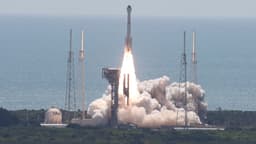
- Total Arms Sales: The U.S. Defense Security Cooperation Agency (DSCA) submitted 11 arms deals to Congress in January, totaling $22.5 billion, indicating a robust growth trend in defense investments that could further boost stock prices of involved companies.
- Major Contract Beneficiary: Lockheed Martin secured a $9 billion contract for 730 PAC-3 MSE missiles and related equipment for Saudi Arabia on January 30, underscoring its dominant position in the international defense market and expected to significantly enhance the company's revenue and profits.
- Boeing's Contract: Boeing won a $2.3 billion contract on January 20 for Singapore's purchase of four P-8A Poseidon patrol aircraft, which, despite its defense division still being unprofitable, will provide crucial cash flow that may improve its financial standing.
- Israeli Orders: Israel is ordering 30 AH-64E Apache attack helicopters and related equipment from Lockheed and Boeing for a total of $3.8 billion, showcasing the strong competitive edge of both companies in the global defense market while laying a foundation for future growth.
See More
Trump Administration Secretly Smuggles Starlink Terminals into Iran

- Covert Operation: The Trump administration secretly smuggled approximately 6,000 Starlink satellite internet terminals into Iran following the regime's crackdown on protesters, marking a significant escalation in U.S. support for anti-regime activists.
- Funding Redirection: The State Department redirected funds from other Iran internet freedom programs to acquire SpaceX devices after purchasing nearly 7,000 terminals, indicating a strategic shift in U.S. policy towards supporting dissent in Iran.
- Legal Risks and Usage: Possession of a Starlink terminal is illegal in Iran and punishable by years in prison; however, tens of thousands of Iranians are using these devices to bypass government censorship, highlighting a strong demand for information freedom among the populace.
- Rising Geopolitical Risks: As the U.S. engages in high-stakes nuclear negotiations with Iran, market predictions indicate a 44% chance of a U.S. strike on Iran by June, suggesting that defense contractors may benefit from the escalating tensions and the integration of commercial technology into national security operations.
See More

Defense Stocks Rally Nearly 100%, Optimism Grows


- Rapid Defense Budget Growth: The U.S. defense budget has surpassed $1 trillion, with NATO countries expected to increase core defense spending to 3.5% of GDP by 2035, potentially adding around $370 billion in spending from non-U.S. NATO members, indicating a robust growth trend in defense budgets.
- Potential $1.5 Trillion Budget: At a recent Defense Outlook Forum, retired Gen. Arnold Punaro expressed optimism that the U.S. defense budget could grow to $1.5 trillion, representing a roughly 50% increase from fiscal 2026 levels, although analysts remain cautious about the feasibility of such growth.
- AI and Automation in Warfare: The Department of Defense emphasizes the increasing importance of automation, autonomy, and artificial intelligence in warfare, pushing contractors to enhance output, reduce costs, and build a lasting software advantage, which could enable defense firms to achieve margins similar to those in commercial aerospace or technology sectors.
- Valuation Concerns for Defense Stocks: Despite a nearly 100% rally in defense stocks raising valuation concerns, this surge appears grounded in fundamentals, as governments commit to multi-year budget increases, geopolitical tensions remain high, and global missile and munitions inventories are depleted, making defense a clear policy priority for the U.S. and NATO allies.
See More
Collins Aerospace's SkyNook Suite Nominated for 2026 Crystal Cabin Award
- Award Nomination: Collins Aerospace's SkyNook suite has been named a finalist for the 2026 Crystal Cabin Award, highlighting its innovation and excellence in aircraft cabin interior design that enhances the passenger experience.
- Passenger Comfort Enhancement: Located at the aft of widebody aircraft, the SkyNook suite transforms underutilized space into a semi-private retreat, accommodating families, travelers with service animals, or those with special needs, thereby improving overall air travel comfort.
- Safety and Privacy Features: The suite includes a deployable privacy divider that dampens cabin noise and provides a visual barrier, allowing users to care for young children or enjoy a peaceful retreat during flights, which significantly boosts passenger satisfaction.
- Industry Recognition and Future Outlook: The winners of the Crystal Cabin Award will be announced on April 14, 2026, at the Aircraft Interiors Expo, and this nomination not only enhances Collins Aerospace's brand image but also lays a foundation for future innovations in the aviation market.
See More
Strait of Hormuz Temporary Closure Triggers Market Alerts
- Military Drill Impact: Iran's announcement of the temporary closure of the Strait of Hormuz for live-fire drills, a rare display of military force during nuclear negotiations, has triggered immediate alerts for global shipping giants and U.S. defense contractors.
- Oil Price Fluctuations: The closure of a passage that handles 20% of the world's oil has led to Brent crude trading at approximately $67.63 per barrel and West Texas Intermediate near $62.40, with slight increases, yet the market remains uncertain.
- Diplomatic Paradox: Despite escalating military tensions, Iranian Foreign Minister expressed optimism at a U.N. disarmament conference, claiming a
See More
Surge in U.S. Defense Contracts in January 2026
- Total Defense Contracts: In January 2026, the U.S. Defense Security Cooperation Agency submitted 11 arms deals to Congress, totaling $22.5 billion, indicating a robust growth in defense investments that could drive stock prices of involved companies higher.
- Lockheed Martin's Gains: Among these deals, Lockheed Martin secured a $9 billion contract for 730 PAC-3 MSE missiles from Saudi Arabia, making it the largest beneficiary and further solidifying its leadership position in the global defense market.
- Boeing's Contract: Boeing won a $2.3 billion contract in Singapore for four P-8A Poseidon patrol aircraft and their weapon systems, although RTX will not gain additional revenue, Boeing's defense division is expected to improve its financial performance.
- Israel's Order: Israel placed a $3.8 billion order for 30 AH-64E Apache attack helicopters and related equipment from Boeing and Lockheed Martin, reflecting Israel's ongoing demand for advanced military equipment and further driving growth for both companies in the international market.
See More
US Defense Agency Proposes $22.5 Billion in Arms Sales
- Total Arms Sales: The U.S. Defense Security Cooperation Agency (DSCA) submitted 11 arms deals to Congress in January, totaling $22.5 billion, indicating a robust growth trend in defense investments that could further boost stock prices of involved companies.
- Major Contract Beneficiary: Lockheed Martin secured a $9 billion contract for 730 PAC-3 MSE missiles and related equipment for Saudi Arabia on January 30, underscoring its dominant position in the international defense market and expected to significantly enhance the company's revenue and profits.
- Boeing's Contract: Boeing won a $2.3 billion contract on January 20 for Singapore's purchase of four P-8A Poseidon patrol aircraft, which, despite its defense division still being unprofitable, will provide crucial cash flow that may improve its financial standing.
- Israeli Orders: Israel is ordering 30 AH-64E Apache attack helicopters and related equipment from Lockheed and Boeing for a total of $3.8 billion, showcasing the strong competitive edge of both companies in the global defense market while laying a foundation for future growth.
See More
Trump Administration Secretly Smuggles Starlink Terminals into Iran
- Covert Operation: The Trump administration secretly smuggled approximately 6,000 Starlink satellite internet terminals into Iran following the regime's crackdown on protesters, marking a significant escalation in U.S. support for anti-regime activists.
- Funding Redirection: The State Department redirected funds from other Iran internet freedom programs to acquire SpaceX devices after purchasing nearly 7,000 terminals, indicating a strategic shift in U.S. policy towards supporting dissent in Iran.
- Legal Risks and Usage: Possession of a Starlink terminal is illegal in Iran and punishable by years in prison; however, tens of thousands of Iranians are using these devices to bypass government censorship, highlighting a strong demand for information freedom among the populace.
- Rising Geopolitical Risks: As the U.S. engages in high-stakes nuclear negotiations with Iran, market predictions indicate a 44% chance of a U.S. strike on Iran by June, suggesting that defense contractors may benefit from the escalating tensions and the integration of commercial technology into national security operations.
See More
Defense Stocks Rally Nearly 100%, Optimism Grows
- Rapid Defense Budget Growth: The U.S. defense budget has surpassed $1 trillion, with NATO countries expected to increase core defense spending to 3.5% of GDP by 2035, potentially adding around $370 billion in spending from non-U.S. NATO members, indicating a robust growth trend in defense budgets.
- Potential $1.5 Trillion Budget: At a recent Defense Outlook Forum, retired Gen. Arnold Punaro expressed optimism that the U.S. defense budget could grow to $1.5 trillion, representing a roughly 50% increase from fiscal 2026 levels, although analysts remain cautious about the feasibility of such growth.
- AI and Automation in Warfare: The Department of Defense emphasizes the increasing importance of automation, autonomy, and artificial intelligence in warfare, pushing contractors to enhance output, reduce costs, and build a lasting software advantage, which could enable defense firms to achieve margins similar to those in commercial aerospace or technology sectors.
- Valuation Concerns for Defense Stocks: Despite a nearly 100% rally in defense stocks raising valuation concerns, this surge appears grounded in fundamentals, as governments commit to multi-year budget increases, geopolitical tensions remain high, and global missile and munitions inventories are depleted, making defense a clear policy priority for the U.S. and NATO allies.
See More