Microsoft Faces Pressure for Stock Split Amid AI Boom
Written by Emily J. Thompson, Senior Investment Analyst
Updated: Feb 18 2026
0mins
Should l Buy MSFT?
Source: Fool
- Dow Jones Pressure: As a component of the Dow Jones Industrial Average, Microsoft's stock price, currently around $400, significantly influences the index, potentially prompting a stock split before reaching a four-digit price to maintain its standing.
- AI Growth Potential: S&P Global projects a 40% compound annual growth rate for AI from 2024 to 2029, with analysts believing Microsoft will outperform the market in 2026, further increasing the likelihood of a stock split.
- Market Comparison: Despite Microsoft's high stock price, it ranks as the third most expensive among the Dow 30, facing pressure from higher-priced stocks like Goldman Sachs ($900) and Caterpillar ($780), which may delay Microsoft's split decision.
- Investor Watch: While the possibility of a Microsoft stock split is increasing, it is unlikely to occur in the near term; investors should monitor the performance of Goldman Sachs and Caterpillar, as their potential splits could influence Microsoft's timing.
Trade with 70% Backtested Accuracy
Stop guessing "Should I Buy MSFT?" and start using high-conviction signals backed by rigorous historical data.
Sign up today to access powerful investing tools and make smarter, data-driven decisions.
Analyst Views on MSFT
Wall Street analysts forecast MSFT stock price to rise
34 Analyst Rating
32 Buy
2 Hold
0 Sell
Strong Buy
Current: 407.780

Low
500.00
Averages
631.36
High
678.00
Current: 407.780
Low
500.00
Averages
631.36
High
678.00
About MSFT
Microsoft Corporation is a technology company. The Company develops and supports software, services, devices, and solutions. The Company’s segments include Productivity and Business Processes, Intelligent Cloud, and More Personal Computing. The Productivity and Business Processes segment consists of products and services in its portfolio of productivity, communication, and information services. This segment primarily comprises: Office Commercial, Office Consumer, LinkedIn, and Dynamics business solutions. The Intelligent Cloud segment consists of server products and cloud services, including Azure and other cloud services, SQL Server, Windows Server, Visual Studio, System Center, and related Client Access Licenses (CALs), and Nuance and GitHub; and Enterprise Services, including enterprise support services, industry solutions and Nuance professional services. The More Personal Computing segment primarily comprises Windows, Devices, Gaming, and search and news advertising.
About the author

Emily J. Thompson
Emily J. Thompson, a Chartered Financial Analyst (CFA) with 12 years in investment research, graduated with honors from the Wharton School. Specializing in industrial and technology stocks, she provides in-depth analysis for Intellectia’s earnings and market brief reports.

AI-Linked Cloud Spending Boosts Tech Giants' Earnings

- Microsoft's Strong Performance: Microsoft reported adjusted earnings of $4.27 per share for its fiscal third quarter, with revenue hitting $82.89 billion, while Azure revenue surged 40%, indicating robust competitiveness in the cloud sector and sustained growth expectations.
- Google Cloud Revenue Surge: Alphabet's cloud revenue soared 63% to $20 billion, with backlog nearly doubling to $462 billion, reflecting strong demand for AI-driven products and further solidifying its market position.
- Amazon AWS Significant Growth: Amazon's AWS revenue rose 28% to $37.6 billion, marking its fastest growth rate since 2022, showcasing the company's appeal in the AI sector, although heavy investments may impact free cash flow.
- Increased Capital Expenditure Plans: Both Microsoft and Google have raised their capital expenditure plans for 2026, with Microsoft estimating around $190 billion and Google between $180 billion and $190 billion, demonstrating confidence in future growth prospects.
See More
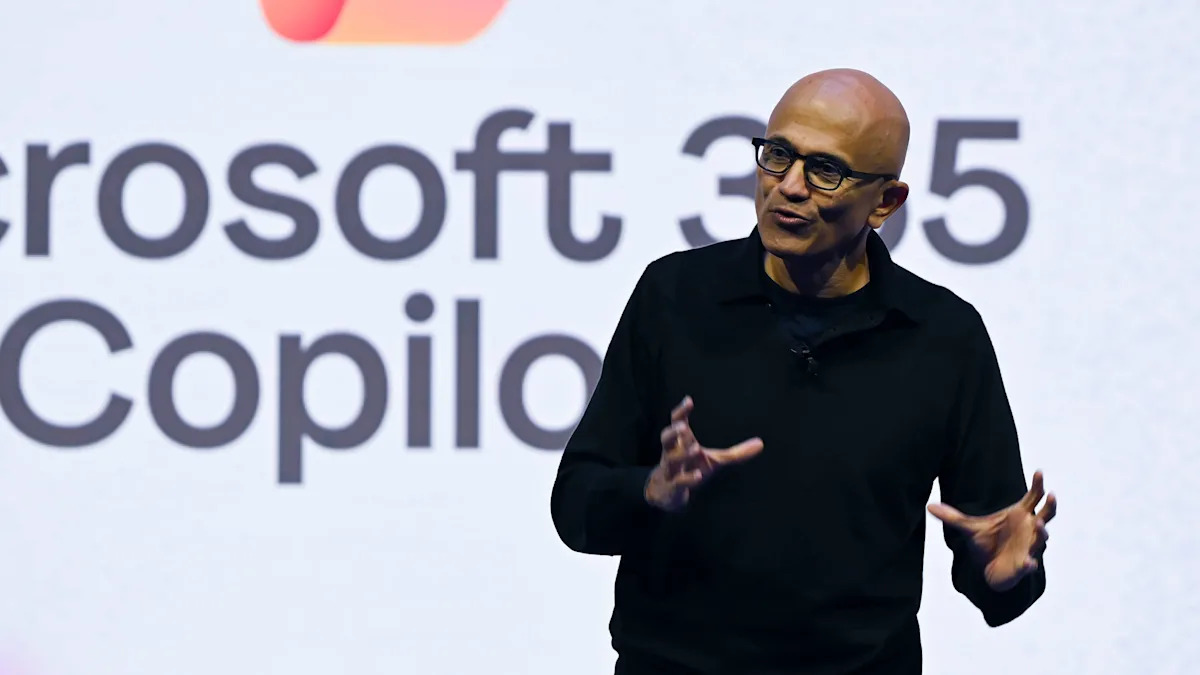
Microsoft Exceeds Q1 Earnings Estimates Amid AI Growth
- Significant AI Growth: Microsoft's AI business reported a remarkable year-over-year growth of 123%, indicating a strong return on investment in artificial intelligence, which could lay the groundwork for future revenue increases.
- Increased Capex Forecast: The company raised its capital expenditure forecast for 2026 to $190 billion, up from $150 billion, reflecting a 25% increase that underscores confidence in future growth opportunities while also highlighting rising input costs.
- Cloud Growth Constraints: Despite Azure's impressive 40% growth rate, the actual growth may be limited due to insufficient computing capacity, suggesting that the company needs to enhance its infrastructure investments to meet market demand effectively.
- Decline in Traditional Revenue: Revenue from Xbox, Windows licenses, and devices declined during the quarter, indicating challenges in Microsoft's traditional business segments, which could impact overall financial performance and market confidence.
See More

Analysts Sharply Upgrade S&P 500 Earnings Expectations


- Earnings Growth Expectations: According to LSEG IBES data, S&P 500 profits are projected to grow by 27.8% in Q1, marking the strongest growth since Q4 2021, indicating increased market confidence in economic recovery.
- Forecast Revisions: This earnings forecast significantly exceeds last Friday's 16.1% growth estimate and the 14.4% increase projected a month ago, reflecting analysts' optimism regarding the performance of megacap tech companies.
- Tech Giants' Performance: Apple (AAPL) reported its strongest quarterly sales growth in over four years on Thursday, following results from Alphabet (GOOGL), Meta (META), Amazon (AMZN), and Microsoft (MSFT) on Wednesday, capping the busiest week of the earnings season.
- Market Environment Impact: Despite persistently high oil prices and unresolved tensions with Iran, the robust performance of major tech companies continues to drive overall market optimism, reflecting investors' confidence in future economic growth.
See More

Meta's Stock Drops as Capital Expenditure Plans Raise Investor Concerns

- Capital Expenditure Plans: Meta plans to invest over $100 billion in capital expenditures in 2023, similar to Amazon, Alphabet, and Microsoft; however, its lack of a cloud computing business raises concerns about the return on investment, leading to investor apprehension regarding future prospects.
- Reality Labs Losses: The Reality Labs division reported a $4 billion loss in Q1 with only $402 million in revenue, highlighting the low return on investment in AI and intensifying market skepticism about Meta's capital allocation capabilities.
- Advertising Business Growth: Despite challenges, Meta's advertising revenue surged by 33% in Q1, significantly outpacing rival Alphabet's 15.5% growth, demonstrating success in enhancing ad targeting and user engagement.
- AI Technology Application: The launch of the Advantage+ platform, which automates the advertising process using generative AI, has attracted over 8 million advertisers, driving a 19% increase in ad impressions and a 12% rise in ad prices, indicating strong progress in advertising technology innovation.
See More

Analysis of Tech Giants' Earnings Reports
- Earnings Overview: Meta, Microsoft, Amazon, and Google's earnings reports were released on April 30, 2026, and while specific financial figures were not disclosed, management comments sparked significant market interest, indicating continued strength in the tech sector.
- Market Reaction: Following the earnings release, Meta's stock price saw a slight increase of 0.04%, reflecting investor confidence in its future growth potential, although overall market sentiment remained cautious.
- Management Commentary: Management teams emphasized their commitment to future technology investments, particularly in artificial intelligence and cloud computing, which could influence the competitive landscape moving forward.
- Industry Trends: With the release of these earnings reports, market attention on the tech sector continues to rise, as investors anticipate further innovations and market expansion efforts from these companies.
See More

Earnings Reports Analysis of Meta and Others
- Earnings Overview: Meta, Microsoft, Amazon, and Google's earnings reports were released on April 30, 2026, but specific financial data was not detailed in the video, leaving investors uncertain about future performance expectations.
- Investment Recommendations: The Motley Fool's analyst team identified 10 top stocks for investors, notably excluding Meta, which may impact investor confidence in Meta's growth potential amid fierce competition in the tech sector.
- Historical Returns Comparison: The video highlighted that Netflix and Nvidia were previously recommended stocks, yielding returns of 504,832% and 1,223,471% respectively, emphasizing the importance of stock selection, while Meta's absence from such recommendations could affect its market performance.
- Investor Community: The Motley Fool has built a community of individual investors encouraging attention to their recommended stocks; although Meta is not on the list, it still attracts investors interested in tech stocks.
See More
AI-Linked Cloud Spending Boosts Tech Giants' Earnings
- Microsoft's Strong Performance: Microsoft reported adjusted earnings of $4.27 per share for its fiscal third quarter, with revenue hitting $82.89 billion, while Azure revenue surged 40%, indicating robust competitiveness in the cloud sector and sustained growth expectations.
- Google Cloud Revenue Surge: Alphabet's cloud revenue soared 63% to $20 billion, with backlog nearly doubling to $462 billion, reflecting strong demand for AI-driven products and further solidifying its market position.
- Amazon AWS Significant Growth: Amazon's AWS revenue rose 28% to $37.6 billion, marking its fastest growth rate since 2022, showcasing the company's appeal in the AI sector, although heavy investments may impact free cash flow.
- Increased Capital Expenditure Plans: Both Microsoft and Google have raised their capital expenditure plans for 2026, with Microsoft estimating around $190 billion and Google between $180 billion and $190 billion, demonstrating confidence in future growth prospects.
See More
Microsoft Exceeds Q1 Earnings Estimates Amid AI Growth
- Significant AI Growth: Microsoft's AI business reported a remarkable year-over-year growth of 123%, indicating a strong return on investment in artificial intelligence, which could lay the groundwork for future revenue increases.
- Increased Capex Forecast: The company raised its capital expenditure forecast for 2026 to $190 billion, up from $150 billion, reflecting a 25% increase that underscores confidence in future growth opportunities while also highlighting rising input costs.
- Cloud Growth Constraints: Despite Azure's impressive 40% growth rate, the actual growth may be limited due to insufficient computing capacity, suggesting that the company needs to enhance its infrastructure investments to meet market demand effectively.
- Decline in Traditional Revenue: Revenue from Xbox, Windows licenses, and devices declined during the quarter, indicating challenges in Microsoft's traditional business segments, which could impact overall financial performance and market confidence.
See More
Analysts Sharply Upgrade S&P 500 Earnings Expectations
- Earnings Growth Expectations: According to LSEG IBES data, S&P 500 profits are projected to grow by 27.8% in Q1, marking the strongest growth since Q4 2021, indicating increased market confidence in economic recovery.
- Forecast Revisions: This earnings forecast significantly exceeds last Friday's 16.1% growth estimate and the 14.4% increase projected a month ago, reflecting analysts' optimism regarding the performance of megacap tech companies.
- Tech Giants' Performance: Apple (AAPL) reported its strongest quarterly sales growth in over four years on Thursday, following results from Alphabet (GOOGL), Meta (META), Amazon (AMZN), and Microsoft (MSFT) on Wednesday, capping the busiest week of the earnings season.
- Market Environment Impact: Despite persistently high oil prices and unresolved tensions with Iran, the robust performance of major tech companies continues to drive overall market optimism, reflecting investors' confidence in future economic growth.
See More
Meta's Stock Drops as Capital Expenditure Plans Raise Investor Concerns
- Capital Expenditure Plans: Meta plans to invest over $100 billion in capital expenditures in 2023, similar to Amazon, Alphabet, and Microsoft; however, its lack of a cloud computing business raises concerns about the return on investment, leading to investor apprehension regarding future prospects.
- Reality Labs Losses: The Reality Labs division reported a $4 billion loss in Q1 with only $402 million in revenue, highlighting the low return on investment in AI and intensifying market skepticism about Meta's capital allocation capabilities.
- Advertising Business Growth: Despite challenges, Meta's advertising revenue surged by 33% in Q1, significantly outpacing rival Alphabet's 15.5% growth, demonstrating success in enhancing ad targeting and user engagement.
- AI Technology Application: The launch of the Advantage+ platform, which automates the advertising process using generative AI, has attracted over 8 million advertisers, driving a 19% increase in ad impressions and a 12% rise in ad prices, indicating strong progress in advertising technology innovation.
See More
Analysis of Tech Giants' Earnings Reports
- Earnings Overview: Meta, Microsoft, Amazon, and Google's earnings reports were released on April 30, 2026, and while specific financial figures were not disclosed, management comments sparked significant market interest, indicating continued strength in the tech sector.
- Market Reaction: Following the earnings release, Meta's stock price saw a slight increase of 0.04%, reflecting investor confidence in its future growth potential, although overall market sentiment remained cautious.
- Management Commentary: Management teams emphasized their commitment to future technology investments, particularly in artificial intelligence and cloud computing, which could influence the competitive landscape moving forward.
- Industry Trends: With the release of these earnings reports, market attention on the tech sector continues to rise, as investors anticipate further innovations and market expansion efforts from these companies.
See More
Earnings Reports Analysis of Meta and Others
- Earnings Overview: Meta, Microsoft, Amazon, and Google's earnings reports were released on April 30, 2026, but specific financial data was not detailed in the video, leaving investors uncertain about future performance expectations.
- Investment Recommendations: The Motley Fool's analyst team identified 10 top stocks for investors, notably excluding Meta, which may impact investor confidence in Meta's growth potential amid fierce competition in the tech sector.
- Historical Returns Comparison: The video highlighted that Netflix and Nvidia were previously recommended stocks, yielding returns of 504,832% and 1,223,471% respectively, emphasizing the importance of stock selection, while Meta's absence from such recommendations could affect its market performance.
- Investor Community: The Motley Fool has built a community of individual investors encouraging attention to their recommended stocks; although Meta is not on the list, it still attracts investors interested in tech stocks.
See More