Pantheon Resources Appoints New CEO and Completes Multiple Drilling Operations
Written by Emily J. Thompson, Senior Investment Analyst
Updated: Dec 30 2025
0mins

Source: Yahoo Finance
- Executive Appointments: Pantheon Resources appointed Max Easley as CEO, who brings extensive upstream experience from BP, Apache, and PETRONAS Canada, aiming to enhance the company's leadership and strategic execution capabilities.
- Drilling Progress: Successfully completed the Megrez-1 and Dubhe-1 drilling operations; while Megrez-1 did not yield hydrocarbons, Dubhe-1's subsequent production testing is planned for 2026, indicating future development potential.
- Capital Raising: In FY 2025, the company raised approximately $64 million through convertible bonds and equity issuances, primarily for drilling projects and administrative expenses, thereby enhancing financial flexibility.
- Resource Certification: The independent certification in 2024 confirmed a total of approximately 1.6 billion barrels of crude oil and 6.6 trillion cubic feet of natural gas, laying a solid foundation for future development and targeting a market value of about $5 per barrel by 2028.
Trade with 70% Backtested Accuracy
Stop guessing "Should I Buy BP?" and start using high-conviction signals backed by rigorous historical data.
Sign up today to access powerful investing tools and make smarter, data-driven decisions.
Analyst Views on BP
Wall Street analysts forecast BP stock price to rise
11 Analyst Rating
5 Buy
5 Hold
1 Sell
Moderate Buy
Current: 44.870

Low
6.38
Averages
84.26
High
503.69
Current: 44.870
Low
6.38
Averages
84.26
High
503.69
About BP
BP p.l.c. is a United Kingdom-based integrated energy company. Its segments include Gas & low carbon energy, Oil production & operations, Customers & products, and Other businesses & corporate. The gas & low carbon energy comprises regions with upstream businesses that predominantly produce natural gas, gas marketing and trading activities and its solar, wind and hydrogen businesses. The oil production & operations segment comprises regions with upstream activities that predominantly produce crude oil, including bpx energy. The customers & products segment comprises its customer-focused businesses, which include convenience and retail fuels, electric vehicle (EV) charging, as well as Castrol, aviation and business-to-business (B2B) and midstream. It also includes its products businesses, refining and oil trading, as well as its bioenergy businesses. The other businesses and corporate also comprises the Company's shipping and treasury functions, and corporate activities worldwide.
About the author

Emily J. Thompson
Emily J. Thompson, a Chartered Financial Analyst (CFA) with 12 years in investment research, graduated with honors from the Wharton School. Specializing in industrial and technology stocks, she provides in-depth analysis for Intellectia’s earnings and market brief reports.

BP Expands Indonesia Footprint with New PSCs
- New Contract Signing: BP and its partners have signed three new production sharing contracts (PSCs) in Indonesia, increasing the total number of oil and gas blocks in which the company participates to 11, reflecting BP's ongoing confidence in the Indonesian market.
- Strategic Block Locations: The newly signed Bintuni and Drawa blocks are located near BP's Tangguh LNG project, which has been producing since 2009 with an annual capacity of 11.4 million tonnes, expected to further enhance BP's competitive position in Indonesia.
- Collaborative Partnerships: In the Bintuni and Drawa blocks, BP will collaborate with partners including CNOOC Southeast Asia, MI Berau (a joint venture between INPEX and Mitsubishi), and Indonesia Natural Gas Resources Muturi, forming a robust network to drive resource development.
- Long-Term Development Potential: The Barong block in East Java is projected to meet stable energy demand in the medium to long term, with BP holding a 49% stake and INPEX holding 51%, laying the groundwork for future development and production.
See More
U.S. Stocks Rally as Investors Eye Middle East Developments


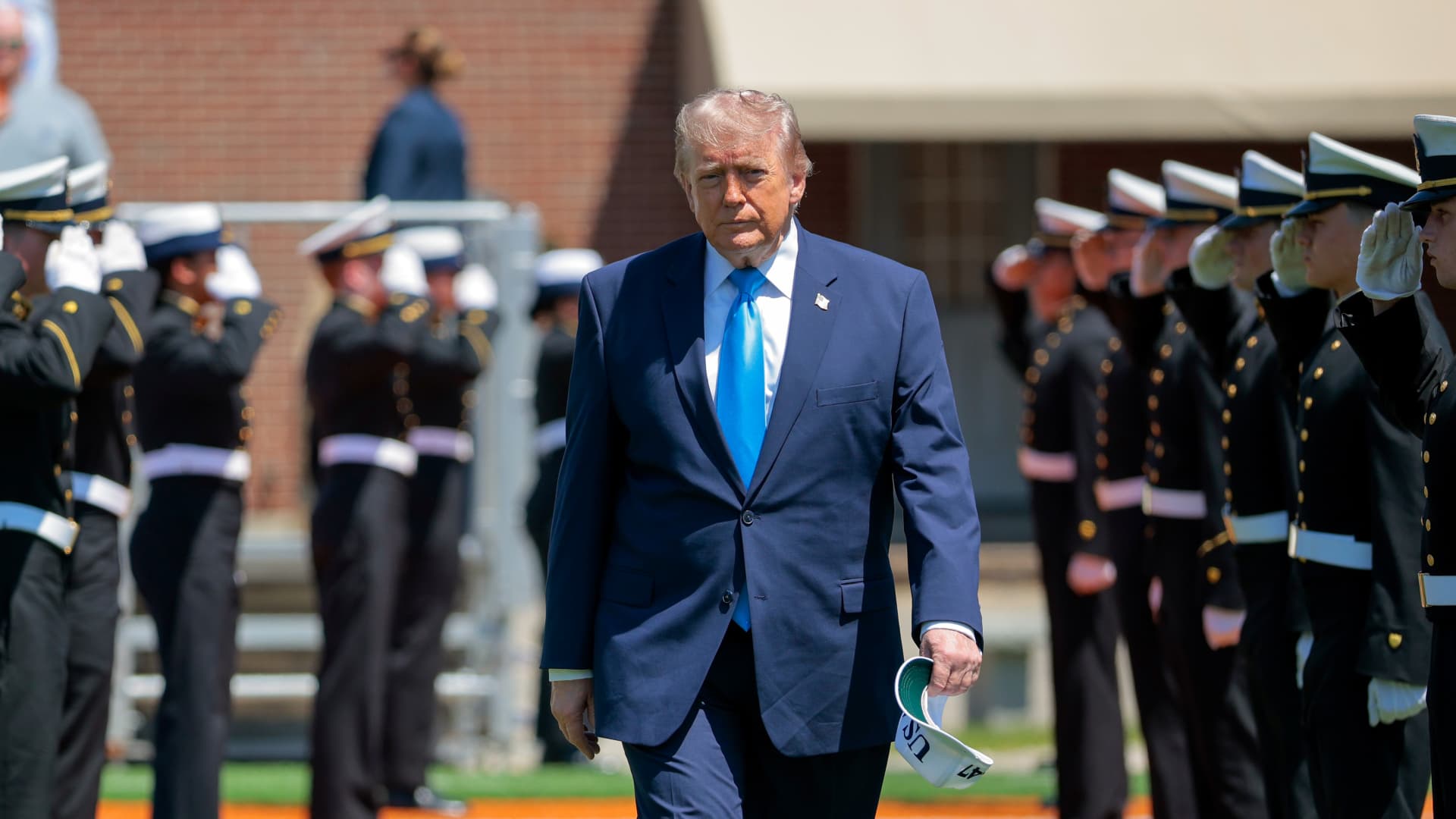
- Market Rally: The S&P 500 is on track for its eighth consecutive weekly gain, reflecting growing investor optimism regarding de-escalation in the Middle East and increased confidence in economic recovery.
- Dow Jones Surge: The Dow Jones Industrial Average rose by 276.31 points to a record close, indicating positive market sentiment towards U.S.-Iran peace negotiations, which could attract further investments.
- Oil Price Volatility: Oil prices resumed their rally after three days of declines, with Brent and U.S. West Texas Intermediate futures both advancing around 2%, highlighting market concerns over energy supply and geopolitical uncertainties.
- Quantum Computing Investment: The U.S. government announced $2 billion in grants to nine firms, with IBM receiving $1 billion, significantly boosting quantum computing stocks and showcasing the ongoing investment surge in the tech sector.
See More
2026 EnerCom Denver Energy Investment Conference Set for August


- Conference Dates and Venue: The EnerCom Denver Energy Investment Conference will take place from August 17-19, 2026, at the Westin Denver Downtown, expected to attract over 1,000 industry professionals and investors, providing extensive networking opportunities.
- Charity Golf Tournament: Kicking off the event, a charity golf tournament will be held on August 17, requiring a $150 donation to participate, with proceeds supporting inclusive higher education for students with intellectual disabilities, highlighting the conference's commitment to social responsibility.
- Investor Engagement Opportunities: The conference offers investors direct access to executives from over 70 energy companies through one-on-one meetings and Q&A sessions, enabling them to gain insights into operational and financial strategies that inform investment decisions.
- Sponsors and Participating Companies: EnerCom Denver has attracted notable sponsors and participating companies, including Netherland, Sewell & Associates, showcasing its significant role in the global energy sector and enhancing connections with investors.
See More

2026 EnerCom Denver Energy Investment Conference Set to Take Place

- Conference Dates and Venue: The EnerCom Denver Energy Investment Conference will take place from August 17-19, 2026, at the Westin Denver Downtown, expecting over 1,000 industry professionals and investors, providing extensive networking opportunities.
- Charity Golf Tournament: On the opening day, a charity golf tournament will be held, requiring a $150 donation to participate, with proceeds supporting inclusive higher education initiatives in Colorado, highlighting the conference's commitment to social responsibility.
- Executive Access Opportunities: The conference offers investors direct access to executives from over 70 energy companies through one-on-one meetings and breakout Q&A sessions, aimed at helping investors gain insights into operational and financial strategies.
- Sponsorship and Presentation Opportunities: EnerCom Denver provides sponsorship opportunities for companies looking to enhance their market presence, attracting participation from several well-known firms, thereby increasing the conference's industry impact and professionalism.
See More
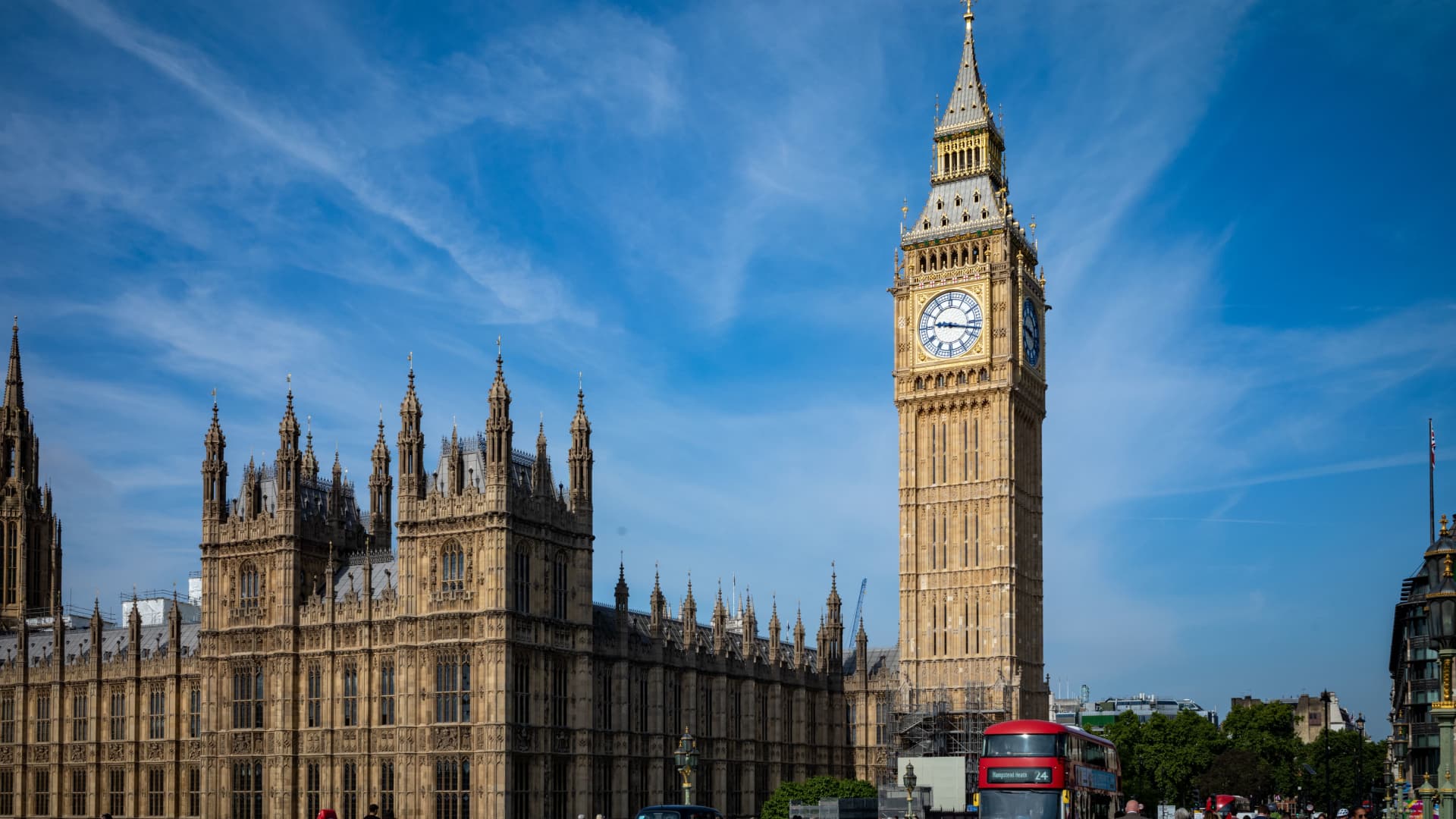
Volatility in UK Assets Amid Political Turmoil and Investment Opportunities


- Political Turmoil Impacting Markets: The recent volatility in UK assets, particularly the 10-year gilt yield nearing post-2008 highs, reflects market uncertainty stemming from Prime Minister Keir Starmer's questioned leadership and potential challenges from rival Andy Burnham.
- Investor Optimism on Large Caps: Despite the political upheaval, Citi analysts maintain a bullish outlook on the FTSE 100, citing its significant commodity and defensive exposure as a geopolitical hedge, indicating strong investor confidence in large-cap stocks.
- Opportunities in Small Caps: Jupiter Asset Management's Adrian Gosden highlights that while small and mid-cap stocks (SMIDs) face severe challenges, identifying financially sound companies could yield substantial returns, especially given the current pessimistic market sentiment.
- Attraction of SALO Businesses: Ben Needham from Ninety One notes that the market's harsh treatment of soft asset, low obsolescence SALO businesses has created attractive investment opportunities, particularly as many companies accelerate buybacks and cash returns, signaling strong value amidst the turmoil.
See More
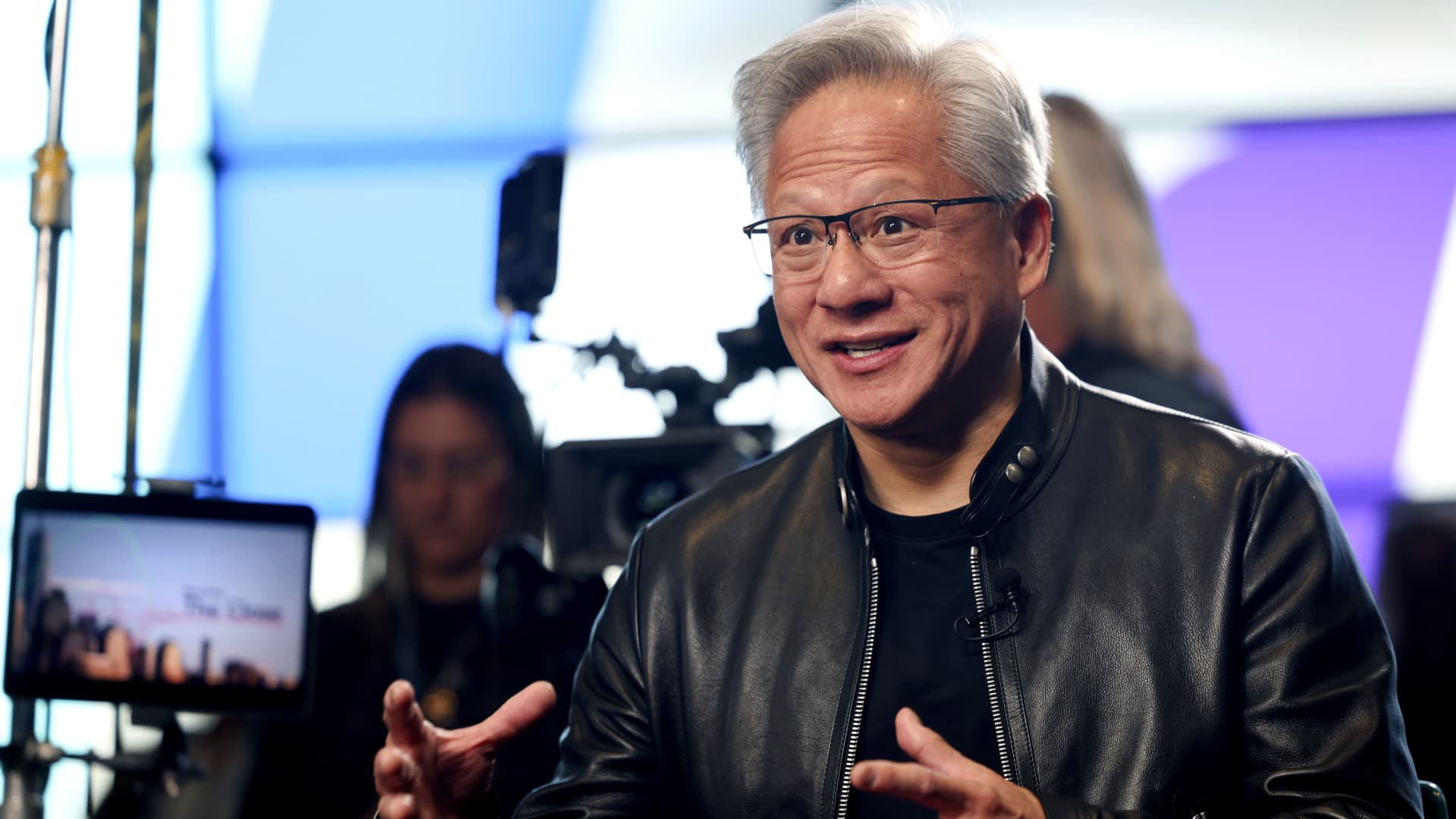
Nvidia's Strong Earnings Report Sparks Attention
- Strong Earnings: Nvidia's earnings report reveals nearly doubling year-over-year data center revenue, indicating relentless demand for its GPUs, although shares slipped in after-hours trading as investors scrutinized future guidance and rising competition.
- IPO Frenzy: SpaceX has filed for an IPO aiming to raise around $75 billion, surpassing Alibaba's record for the largest IPO, highlighting the intensifying competition among tech companies for public offerings, which could significantly impact market sentiment.
- Stabilizing Semiconductor Supply Chains: Samsung Electronics has reached a tentative agreement with its union to suspend a planned strike, likely providing temporary relief to global semiconductor supply chains critical for the ongoing AI boom.
- Market Rebound: Wall Street staged a strong rebound with the Dow surging over 600 points due to easing oil prices and moderating rate concerns, leading to a positive sentiment that has also lifted Asia-Pacific markets.
See More
BP Expands Indonesia Footprint with New PSCs
- New Contract Signing: BP and its partners have signed three new production sharing contracts (PSCs) in Indonesia, increasing the total number of oil and gas blocks in which the company participates to 11, reflecting BP's ongoing confidence in the Indonesian market.
- Strategic Block Locations: The newly signed Bintuni and Drawa blocks are located near BP's Tangguh LNG project, which has been producing since 2009 with an annual capacity of 11.4 million tonnes, expected to further enhance BP's competitive position in Indonesia.
- Collaborative Partnerships: In the Bintuni and Drawa blocks, BP will collaborate with partners including CNOOC Southeast Asia, MI Berau (a joint venture between INPEX and Mitsubishi), and Indonesia Natural Gas Resources Muturi, forming a robust network to drive resource development.
- Long-Term Development Potential: The Barong block in East Java is projected to meet stable energy demand in the medium to long term, with BP holding a 49% stake and INPEX holding 51%, laying the groundwork for future development and production.
See More
U.S. Stocks Rally as Investors Eye Middle East Developments
- Market Rally: The S&P 500 is on track for its eighth consecutive weekly gain, reflecting growing investor optimism regarding de-escalation in the Middle East and increased confidence in economic recovery.
- Dow Jones Surge: The Dow Jones Industrial Average rose by 276.31 points to a record close, indicating positive market sentiment towards U.S.-Iran peace negotiations, which could attract further investments.
- Oil Price Volatility: Oil prices resumed their rally after three days of declines, with Brent and U.S. West Texas Intermediate futures both advancing around 2%, highlighting market concerns over energy supply and geopolitical uncertainties.
- Quantum Computing Investment: The U.S. government announced $2 billion in grants to nine firms, with IBM receiving $1 billion, significantly boosting quantum computing stocks and showcasing the ongoing investment surge in the tech sector.
See More
2026 EnerCom Denver Energy Investment Conference Set for August
- Conference Dates and Venue: The EnerCom Denver Energy Investment Conference will take place from August 17-19, 2026, at the Westin Denver Downtown, expected to attract over 1,000 industry professionals and investors, providing extensive networking opportunities.
- Charity Golf Tournament: Kicking off the event, a charity golf tournament will be held on August 17, requiring a $150 donation to participate, with proceeds supporting inclusive higher education for students with intellectual disabilities, highlighting the conference's commitment to social responsibility.
- Investor Engagement Opportunities: The conference offers investors direct access to executives from over 70 energy companies through one-on-one meetings and Q&A sessions, enabling them to gain insights into operational and financial strategies that inform investment decisions.
- Sponsors and Participating Companies: EnerCom Denver has attracted notable sponsors and participating companies, including Netherland, Sewell & Associates, showcasing its significant role in the global energy sector and enhancing connections with investors.
See More
2026 EnerCom Denver Energy Investment Conference Set to Take Place
- Conference Dates and Venue: The EnerCom Denver Energy Investment Conference will take place from August 17-19, 2026, at the Westin Denver Downtown, expecting over 1,000 industry professionals and investors, providing extensive networking opportunities.
- Charity Golf Tournament: On the opening day, a charity golf tournament will be held, requiring a $150 donation to participate, with proceeds supporting inclusive higher education initiatives in Colorado, highlighting the conference's commitment to social responsibility.
- Executive Access Opportunities: The conference offers investors direct access to executives from over 70 energy companies through one-on-one meetings and breakout Q&A sessions, aimed at helping investors gain insights into operational and financial strategies.
- Sponsorship and Presentation Opportunities: EnerCom Denver provides sponsorship opportunities for companies looking to enhance their market presence, attracting participation from several well-known firms, thereby increasing the conference's industry impact and professionalism.
See More
Volatility in UK Assets Amid Political Turmoil and Investment Opportunities
- Political Turmoil Impacting Markets: The recent volatility in UK assets, particularly the 10-year gilt yield nearing post-2008 highs, reflects market uncertainty stemming from Prime Minister Keir Starmer's questioned leadership and potential challenges from rival Andy Burnham.
- Investor Optimism on Large Caps: Despite the political upheaval, Citi analysts maintain a bullish outlook on the FTSE 100, citing its significant commodity and defensive exposure as a geopolitical hedge, indicating strong investor confidence in large-cap stocks.
- Opportunities in Small Caps: Jupiter Asset Management's Adrian Gosden highlights that while small and mid-cap stocks (SMIDs) face severe challenges, identifying financially sound companies could yield substantial returns, especially given the current pessimistic market sentiment.
- Attraction of SALO Businesses: Ben Needham from Ninety One notes that the market's harsh treatment of soft asset, low obsolescence SALO businesses has created attractive investment opportunities, particularly as many companies accelerate buybacks and cash returns, signaling strong value amidst the turmoil.
See More
Nvidia's Strong Earnings Report Sparks Attention
- Strong Earnings: Nvidia's earnings report reveals nearly doubling year-over-year data center revenue, indicating relentless demand for its GPUs, although shares slipped in after-hours trading as investors scrutinized future guidance and rising competition.
- IPO Frenzy: SpaceX has filed for an IPO aiming to raise around $75 billion, surpassing Alibaba's record for the largest IPO, highlighting the intensifying competition among tech companies for public offerings, which could significantly impact market sentiment.
- Stabilizing Semiconductor Supply Chains: Samsung Electronics has reached a tentative agreement with its union to suspend a planned strike, likely providing temporary relief to global semiconductor supply chains critical for the ongoing AI boom.
- Market Rebound: Wall Street staged a strong rebound with the Dow surging over 600 points due to easing oil prices and moderating rate concerns, leading to a positive sentiment that has also lifted Asia-Pacific markets.
See More