Over 100 Companies Urge Governments to Prioritize Electrification Strategy
Written by Emily J. Thompson, Senior Investment Analyst
Updated: 57 minutes ago
0mins
Source: Newsfilter
- Electrification Initiative: A coalition of 112 companies, including Nestle and Uber, has urged governments to prioritize electrification as a core economic strategy to reduce reliance on volatile fossil fuel costs, thereby enhancing energy security and competitiveness.
- Economic Impact: With a combined annual revenue of approximately $1.5 trillion, these companies highlight the negative effects of fossil fuel price volatility on economies, which can lead to supply chain instability and delayed investments, ultimately affecting overall economic growth.
- Policy Requirements: The statement emphasizes that the success of the electrification transition depends on clear and predictable government policies, including improving electricity market design, investing in grids, and expediting permitting processes to support the widespread adoption of renewable energy.
- Future Outlook: As global demand for electrification rises, a recent poll indicates that 90% of business leaders expect their operations to be electrified within a decade, reflecting a strong commitment to sustainability and confidence in future markets.
Trade with 70% Backtested Accuracy
Stop guessing "Should I Buy UBER?" and start using high-conviction signals backed by rigorous historical data.
Sign up today to access powerful investing tools and make smarter, data-driven decisions.
Analyst Views on UBER
Wall Street analysts forecast UBER stock price to rise
32 Analyst Rating
28 Buy
3 Hold
1 Sell
Strong Buy
Current: 70.910

Low
72.00
Averages
107.10
High
150.00
Current: 70.910
Low
72.00
Averages
107.10
High
150.00
About UBER
Uber Technologies, Inc. operates a technology platform that uses network and technology to power movement from point A to point B. It develops and operates technology applications supporting a variety of offerings on its platform (platform(s)). Its segments include Mobility, Delivery and Freight. Mobility products connect consumers with drivers who provide rides in a variety of vehicles, such as cars, auto rickshaws, motorbikes, minibuses, or taxis. Delivery offerings allow consumers to search for and discover local restaurants, order a meal, and either pick-up at the restaurant or have the meal delivered. In certain markets, the Delivery segment provides offerings for grocery, alcohol, and convenience store delivery as well as select other goods. The Freight segment connects carriers with shippers on its platform, and gives carriers upfront, pricing and the ability to book a shipment. The Freight segment also includes transportation management and other logistics service offerings.
About the author

Emily J. Thompson
Emily J. Thompson, a Chartered Financial Analyst (CFA) with 12 years in investment research, graduated with honors from the Wharton School. Specializing in industrial and technology stocks, she provides in-depth analysis for Intellectia’s earnings and market brief reports.

Lime to Name Uber as Anchor Investor in IPO

- Investor Relations for IPO: Lime plans to name Uber as an anchor investor in its initial public offering, with discussions set to begin this week during a roadshow aimed at raising approximately $200 million at a valuation of about $1.8 billion, which will provide crucial funding for Lime's market expansion.
- Market Valuation Outlook: The IPO valuation of $1.8 billion reflects Lime's potential in the electric bike and scooter network market, and successful fundraising could enhance its position in the highly competitive shared mobility sector.
- Investor Confidence Boost: Uber's involvement as a well-known ride-hailing platform may bolster market confidence in Lime, attracting more investor interest and potentially facilitating a successful IPO.
- Industry Collaboration Opportunities: The partnership with Uber not only provides financial backing for Lime but may also lead to strategic synergies, fostering further collaboration and innovation between the two companies in the mobility sector.
See More

Over 100 Companies Urge Governments to Prioritize Electrification Strategy

- Electrification Initiative: A coalition of 112 companies, including Nestle and Uber, has urged governments to prioritize electrification as a core economic strategy to reduce reliance on volatile fossil fuel costs, thereby enhancing energy security and competitiveness.
- Economic Impact: With a combined annual revenue of approximately $1.5 trillion, these companies highlight the negative effects of fossil fuel price volatility on economies, which can lead to supply chain instability and delayed investments, ultimately affecting overall economic growth.
- Policy Requirements: The statement emphasizes that the success of the electrification transition depends on clear and predictable government policies, including improving electricity market design, investing in grids, and expediting permitting processes to support the widespread adoption of renewable energy.
- Future Outlook: As global demand for electrification rises, a recent poll indicates that 90% of business leaders expect their operations to be electrified within a decade, reflecting a strong commitment to sustainability and confidence in future markets.
See More
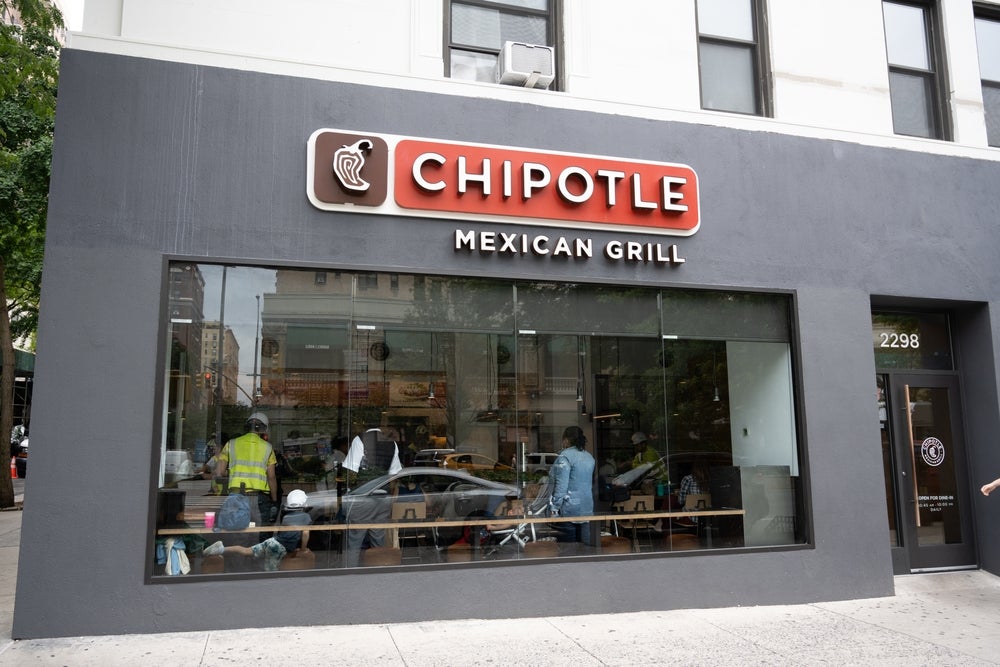
Domino's Pizza Stock Plummets 25%: Investment Insights

- Stock Decline: As of June 19, Domino's Pizza has seen its stock price drop approximately 25% year-to-date, trading at $312 per share, which is close to a 52-week low, indicating investor concerns about its future growth prospects.
- Low Valuation: The stock is currently trading at a price-to-earnings ratio of 17, marking the lowest valuation in over a decade, which may attract long-term investors looking for undervalued opportunities.
- Disappointing Sales Performance: The first-quarter earnings report revealed a 3.5% year-over-year increase in global sales, but a 0.4% decline in international same-store sales led to a downward revision of U.S. same-store growth guidance, reflecting the impact of macroeconomic pressures.
- Digital Transformation: Domino's significant investment in its website and app has notably boosted digital sales, with online orders accounting for 85% of total U.S. sales last year, and partnerships with third-party delivery services have enhanced profit margins, showcasing its adaptability in a competitive market.
See More
Domino's Pizza Stock Struggles but Signals Long-Term Potential
- Stock Decline: As of June 19, Domino's Pizza has seen its stock price drop 25% year-to-date, currently trading at $312 per share, which is close to a 52-week low, indicating market concerns about its future growth prospects.
- Historic Low Valuation: The company's price-to-earnings ratio stands at 17 times, with a forward P/E of 16 times, marking not only a 52-week low but also the lowest valuation in over a decade, reflecting investor skepticism about its profitability.
- Weak Sales Growth: While global sales increased by 3.5% year-over-year, U.S. sales rose only 3%, and international same-store sales fell by 0.4%, prompting the company to lower its U.S. same-store growth guidance, highlighting the impact of macroeconomic pressures.
- Digital Investment: Domino's is heavily investing in its website and app, with online orders accounting for 85% of total U.S. sales last year, and has partnered with third-party delivery services like DoorDash and Uber Eats to enhance market share and margins.
See More

Bill Ackman Launches $5 Billion Fund for U.S. Investors


- New Fund Launch: Bill Ackman launched a $5 billion closed-end fund, Pershing Square USA, in April, benefiting from permanent capital that allows for a focus on long-term investment decisions, enhancing flexibility and strategic depth in his investment approach.
- Portfolio Transparency: Ackman disclosed that Pershing Square USA has purchased eight out of twelve stocks since its IPO, indicating a high overlap with his previous fund, Pershing Square Holdings, which reflects consistency in his investment strategy and keen market opportunity recognition.
- Market Opportunity Identification: Ackman highlighted that tech giants like Amazon, Microsoft, and Meta are undervalued in the current market, despite strong performances from semiconductor and neo-cloud companies, suggesting significant buying opportunities that could yield substantial returns for investors.
- Management Fee Consideration: The new fund charges a 2% annual management fee, which, while not excessive, necessitates careful evaluation by investors as most active funds fail to outperform the market after fees, raising concerns about the fund's overall investment value and potential risks.
See More

Ackman Launches New Fund Pershing Square USA with $5 Billion
- Fund Launch: Ackman launched the closed-end fund Pershing Square USA in April, raising $5 billion and investing 85% of the capital within seven weeks, demonstrating his commitment to long-term investment strategies.
- Portfolio Overlap: The new fund's portfolio significantly overlaps with his other publicly traded fund, Pershing Square Holdings, with eight out of twelve disclosed stocks being long-term holdings, indicating Ackman's continued confidence in these companies.
- Market Opportunities: Ackman highlighted that tech giants like Amazon, Microsoft, and Meta are undervalued in the current market, suggesting significant upside potential for these stocks, especially as investors focus on emerging tech companies.
- Management Fee Consideration: With a 2% annual management fee and a 5% decline in net asset value since its IPO, Pershing Square USA presents a potential entry point for patient investors who align with Ackman's long-term investment approach.
See More
Lime to Name Uber as Anchor Investor in IPO
- Investor Relations for IPO: Lime plans to name Uber as an anchor investor in its initial public offering, with discussions set to begin this week during a roadshow aimed at raising approximately $200 million at a valuation of about $1.8 billion, which will provide crucial funding for Lime's market expansion.
- Market Valuation Outlook: The IPO valuation of $1.8 billion reflects Lime's potential in the electric bike and scooter network market, and successful fundraising could enhance its position in the highly competitive shared mobility sector.
- Investor Confidence Boost: Uber's involvement as a well-known ride-hailing platform may bolster market confidence in Lime, attracting more investor interest and potentially facilitating a successful IPO.
- Industry Collaboration Opportunities: The partnership with Uber not only provides financial backing for Lime but may also lead to strategic synergies, fostering further collaboration and innovation between the two companies in the mobility sector.
See More
Over 100 Companies Urge Governments to Prioritize Electrification Strategy
- Electrification Initiative: A coalition of 112 companies, including Nestle and Uber, has urged governments to prioritize electrification as a core economic strategy to reduce reliance on volatile fossil fuel costs, thereby enhancing energy security and competitiveness.
- Economic Impact: With a combined annual revenue of approximately $1.5 trillion, these companies highlight the negative effects of fossil fuel price volatility on economies, which can lead to supply chain instability and delayed investments, ultimately affecting overall economic growth.
- Policy Requirements: The statement emphasizes that the success of the electrification transition depends on clear and predictable government policies, including improving electricity market design, investing in grids, and expediting permitting processes to support the widespread adoption of renewable energy.
- Future Outlook: As global demand for electrification rises, a recent poll indicates that 90% of business leaders expect their operations to be electrified within a decade, reflecting a strong commitment to sustainability and confidence in future markets.
See More
Domino's Pizza Stock Plummets 25%: Investment Insights
- Stock Decline: As of June 19, Domino's Pizza has seen its stock price drop approximately 25% year-to-date, trading at $312 per share, which is close to a 52-week low, indicating investor concerns about its future growth prospects.
- Low Valuation: The stock is currently trading at a price-to-earnings ratio of 17, marking the lowest valuation in over a decade, which may attract long-term investors looking for undervalued opportunities.
- Disappointing Sales Performance: The first-quarter earnings report revealed a 3.5% year-over-year increase in global sales, but a 0.4% decline in international same-store sales led to a downward revision of U.S. same-store growth guidance, reflecting the impact of macroeconomic pressures.
- Digital Transformation: Domino's significant investment in its website and app has notably boosted digital sales, with online orders accounting for 85% of total U.S. sales last year, and partnerships with third-party delivery services have enhanced profit margins, showcasing its adaptability in a competitive market.
See More
Domino's Pizza Stock Struggles but Signals Long-Term Potential
- Stock Decline: As of June 19, Domino's Pizza has seen its stock price drop 25% year-to-date, currently trading at $312 per share, which is close to a 52-week low, indicating market concerns about its future growth prospects.
- Historic Low Valuation: The company's price-to-earnings ratio stands at 17 times, with a forward P/E of 16 times, marking not only a 52-week low but also the lowest valuation in over a decade, reflecting investor skepticism about its profitability.
- Weak Sales Growth: While global sales increased by 3.5% year-over-year, U.S. sales rose only 3%, and international same-store sales fell by 0.4%, prompting the company to lower its U.S. same-store growth guidance, highlighting the impact of macroeconomic pressures.
- Digital Investment: Domino's is heavily investing in its website and app, with online orders accounting for 85% of total U.S. sales last year, and has partnered with third-party delivery services like DoorDash and Uber Eats to enhance market share and margins.
See More
Bill Ackman Launches $5 Billion Fund for U.S. Investors
- New Fund Launch: Bill Ackman launched a $5 billion closed-end fund, Pershing Square USA, in April, benefiting from permanent capital that allows for a focus on long-term investment decisions, enhancing flexibility and strategic depth in his investment approach.
- Portfolio Transparency: Ackman disclosed that Pershing Square USA has purchased eight out of twelve stocks since its IPO, indicating a high overlap with his previous fund, Pershing Square Holdings, which reflects consistency in his investment strategy and keen market opportunity recognition.
- Market Opportunity Identification: Ackman highlighted that tech giants like Amazon, Microsoft, and Meta are undervalued in the current market, despite strong performances from semiconductor and neo-cloud companies, suggesting significant buying opportunities that could yield substantial returns for investors.
- Management Fee Consideration: The new fund charges a 2% annual management fee, which, while not excessive, necessitates careful evaluation by investors as most active funds fail to outperform the market after fees, raising concerns about the fund's overall investment value and potential risks.
See More
Ackman Launches New Fund Pershing Square USA with $5 Billion
- Fund Launch: Ackman launched the closed-end fund Pershing Square USA in April, raising $5 billion and investing 85% of the capital within seven weeks, demonstrating his commitment to long-term investment strategies.
- Portfolio Overlap: The new fund's portfolio significantly overlaps with his other publicly traded fund, Pershing Square Holdings, with eight out of twelve disclosed stocks being long-term holdings, indicating Ackman's continued confidence in these companies.
- Market Opportunities: Ackman highlighted that tech giants like Amazon, Microsoft, and Meta are undervalued in the current market, suggesting significant upside potential for these stocks, especially as investors focus on emerging tech companies.
- Management Fee Consideration: With a 2% annual management fee and a 5% decline in net asset value since its IPO, Pershing Square USA presents a potential entry point for patient investors who align with Ackman's long-term investment approach.
See More