

OpenAI Launches GPT-5.6 Model Series, Pricing Starts at $1


Catch up on the top artificial intelligence news and commentary by Wall Street analysts on publicly traded companies in the space with this daily recap compiled by The Fly.GPT-5.6 FAMILY OF MODELS:OpenAI said it is launching the GPT-5.6 family of models for general availability following its limited preview. "GPT-5.6 spans three model tiers: Sol, our flagship; Terra, a lower-cost model with performance competitive with GPT-5.5; and Luna, our fastest and most affordable model. The number identifies the generation, while Sol, Terra, and Luna are durable capability tiers that can advance on their own cadence. GPT-5.6 is available starting today across ChatGPT, Codex, and the OpenAI API. The rollout is starting globally now and will continue gradually toward full availability over the next 24 hours... GPT-5.6 is priced per 1M tokens across three model sizes: Sol is $5 input / $30 output; Terra is $2.50 input / $15 output; and Luna is $1 input / $6 output. GPT-5.6 also introduces more predictable prompt caching, including support for explicit cache breakpoints and a 30-minute minimum cache life. For GPT-5.6 and later models, cache writes are billed at 1.25x the model's uncached input rate, while cache reads continue to receive the 90% cached-input discount," the company said.AI CHIP PRODUCTION:Metaplans to begin manufacturing its in-house AI chip, code-named Iris, in September as part of a broader effort to expand computing capacity and use custom silicon to enhance AI capabilities across Facebook and Instagram, Reuters' Katie Paul, Max A. Cherney, and Stephen Nellis, citing an internal memo reviewed by the publication. Meta is working with Broadcomto help design the chip and TSMCto manufacture it, the report notes.MUSE SPARK AI:Meta has released developer access to its Muse Spark AI model and an upgraded version, positioning the company to compete with Anthropic and OpenAI by offering advanced AI coding and agentic capabilities as part of its personal superintelligence strategy, Reuters' Harshita Mary Varghese and Katie Paul. The upgraded model can write and debug code, use software and external tools, understand text, images and video, and carry out complex multi-step tasks with less human intervention, according to the report.IN-HOUSE TOOLS:Starbucksis developing in-house tools with the help of AI that could replace some software applications it now buys from companies such as Microsoftand IBM, Bloomberg's Daniela Sirtori and Brody Ford. The coffee chain is building alternatives to a Microsoft system that tracks inventory and an IBM tool that manages maintenance, according to an internal presentation reviewed by Bloomberg News. Some of the Starbucks-developed software could roll out by the end of next year, pending the results of testing, the authors add.AI DISCLOSURES FOR ADS:Googleis rolling out global AI disclosures for ads across Search, YouTube, and Discover, allowing users to see whether an ad was created or modified using AI through a new "How this ad was made" section, SearchEngineLand's Danny Goodwin.OPERATING MODEL FRAMEWORK FOR AI:Rackspaceand Palantirannounced an operating model framework to help regulated and sovereign enterprises own and operate AI in production. The framework, delivered through Rackspace, combines Palantir Foundry and AIP with Rackspace's governed private cloud, sovereign cloud, on-prem infrastructure, certified FDEs, and managed operations for customers that require control over data, security, governance, deployment location, and operational outcomes. The framework is built for markets such as healthcare systems protecting patient records, financial institutions running on regulated data, energy operators with air-gapped infrastructure, and sovereign organizations that cannot move data across borders. Rackspace has scaled to approximately 400 Palantir certifications across sales, engineering, delivery, and operations, including a large global cohort of Palantir-certified forward deployed engineers to serve demand across healthcare, financial services, energy, and mid-market. Rackspace is also committing to deploy Foundry and AIP across more than 70% of its own back-office operations under the Rackspace OneOS program. Under the framework, Rackspace serves as a preferred operator for on-premise, private cloud, and sovereign Palantir deployments across critical infrastructure in both the public and private sectors, and for enterprises that demand the same control governments require - with Palantir Foundry and AIP as the data + AI platform layer of the governed enterprise AI stack that Rackspace has been assembling throughout 2026.AIDORA ACQUISITION:Paylocityannounced the acquisition of Aidora, an AI-native leave management compliance software company built on a natural language interaction model that automates highly regulated leave processes. Paylocity does not expect the acquisition of Aidora to have a material impact on first quarter or fiscal 2027 financial results. Paylocity will provide financial guidance in the normal course of business in its next earnings release.AI-POWERED INFRASTRUCTURE MONITORING:ServiceNowhas partnered with Hitachi (HTHY) subsidiary Hitachi Digital Services to strengthen reliable and efficient management of mission-critical infrastructure. Through this collaboration, the companies will advance Hitachi Intelligent Infrastructure Monitoring, or HIIM, an AI-driven solution that provides real-time monitoring and remote inspection while enabling a coordinated response across complex operations environments. As part of the broader partnership ecosystem, this collaboration leverages Hitachi Digital Services' operational technology domain knowledge along with its physical AI and systems integration expertise to help customers connect operational data and enterprise workflows on the ServiceNow AI Platform, enabling teams to act on insights at scale. The combined HIIM and ServiceNow platform aims to provide intelligent solutions that safeguard and enable efficient operations of critical infrastructure.AGENTIC-AI PLATFORM CONTRACT:Voyager Technologieswas awarded a contract to deliver an agentic-AI spectrum operations platform for an undisclosed program. Voyager's agentic platform will support the full lifecycle of autonomous systems operations, from mission planning and execution to data management and exploitation. The yearlong contract focuses on explainable AI, human-machine teaming and modular open architectures, priorities that align with the U.S. government's long-term vision for next-generation mission systems.SPACEXAI API:Rocket Oneannounced that it has added the SpaceXAI APIto its AI technology stack following acceptance into the SpaceXAI API program. The addition provides Rocket One with access to SpaceXAI's latest multimodal artificial intelligence models for coding, reasoning, text, image, video, and voice applications.
Trade with 70% Backtested Accuracy
Analyst Views on GOOG

About GOOG
About the author


World Cup Drives Record Queries for Google Search

- Record Search Queries: Following Argentina's victory over Egypt, Google Search experienced historic highs in query volume, demonstrating the World Cup's significant impact on search engines and reinforcing Google's dominance in the search market.
- Surge in Real-Time Queries: Google reported that query volume peaked at unprecedented levels right after Argentina's winning goal, indicating a heightened user interest in real-time event information, although specific numbers were not disclosed.
- Stable Market Share: Google maintains a 90% share of the search market, showcasing its ability to remain relevant despite competition from AI chatbots, which highlights the adaptability of its traditional search engine in a changing technological landscape.
- Strong Revenue Growth: The company's stock price has more than doubled in the past year, with the fastest revenue growth in the first quarter since 2022, indicating robust financial performance amid evolving market conditions.
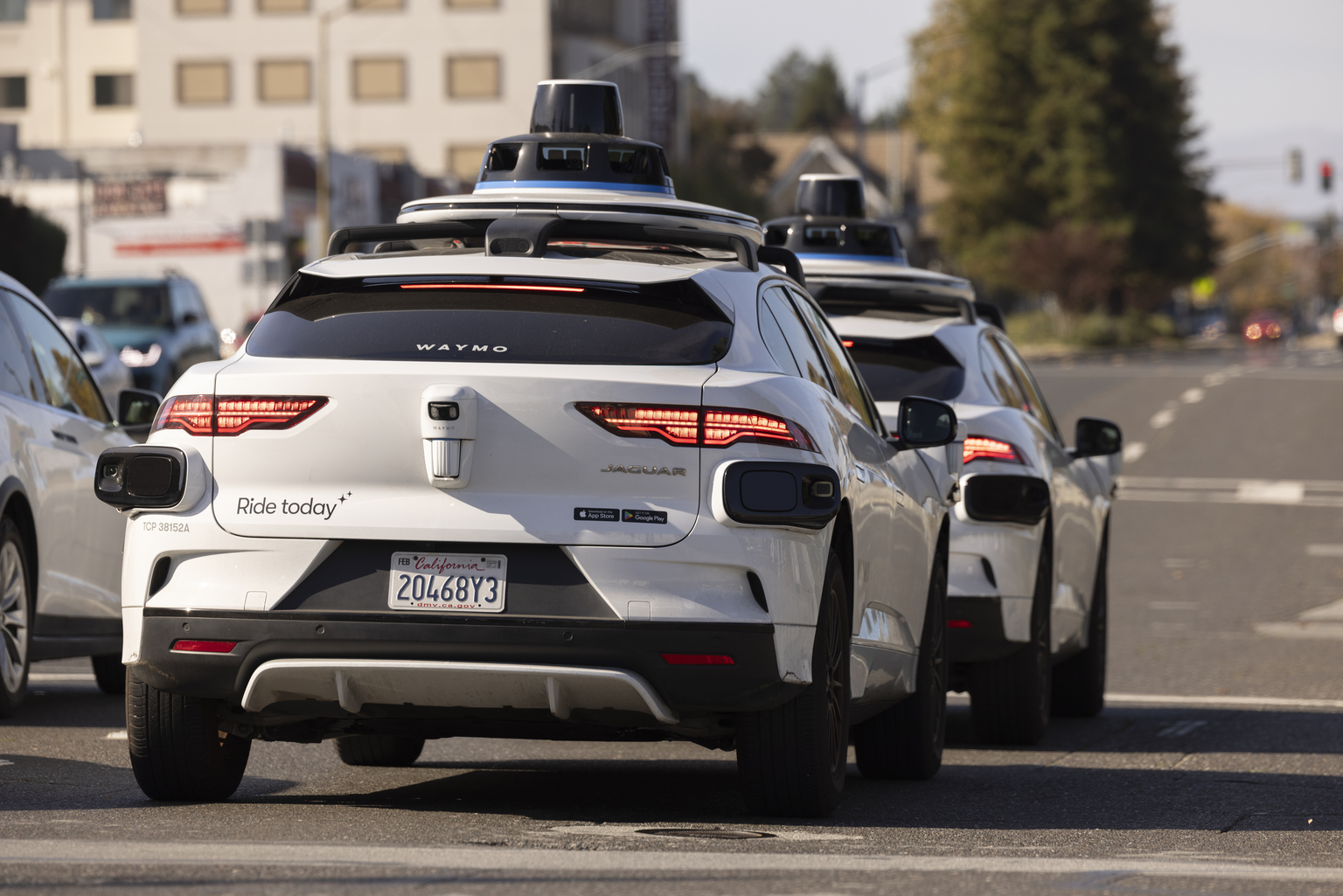
Waymo Launches Driverless Service Expansion
- Driverless Service Expansion: Waymo announced the launch of its driverless vehicle service in San Diego, Las Vegas, Tampa, and Denver, initially available to Alphabet employees before public rollout, indicating a proactive approach in the autonomous ride-hailing market.
- Intensifying Competition: With competitors like Tesla's robotaxi and Amazon's Zoox emerging, Waymo is accelerating its market expansion to address increasing commercialization competition, ensuring its leading position in the autonomous driving sector.
- Funding Support: Waymo completed a $16 billion funding round earlier this year, valuing the company at approximately $126 billion, which provides robust financial backing for its technology development and market expansion, further solidifying its market position.
- Technology Validation Phase: Waymo has begun autonomous driving tests with its Hyundai IONIQ 5 vehicles, equipped with an “autonomous specialist,” aiming to validate its technology for fully autonomous operations and laying the groundwork for offering more travel options in the future.
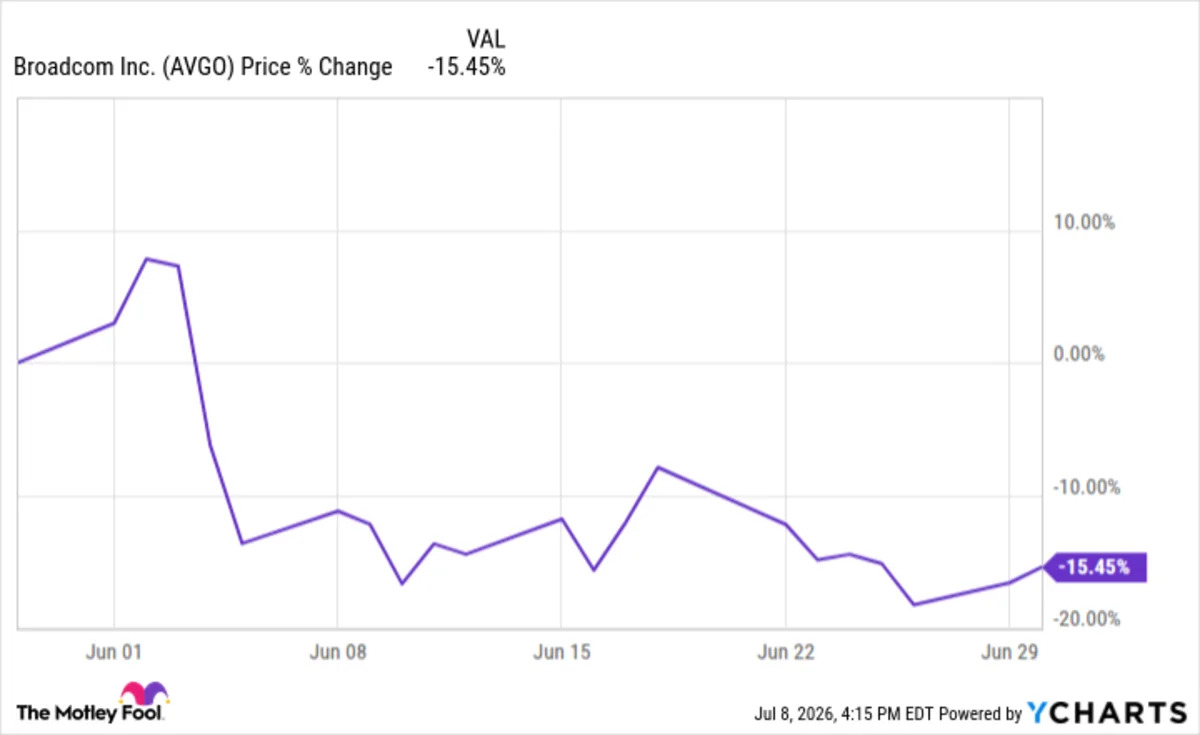
Broadcom Shares Drop 15% in June Amid AI Revenue Concerns

- Earnings Performance: Broadcom reported a 48% revenue increase to $22.2 billion in Q2, with adjusted EPS rising from $1.58 to $2.44, slightly beating expectations; however, concerns arose as AI revenue growth did not meet market forecasts, leading to a stock decline.
- AI Revenue Dynamics: The company's AI-related revenue surged 143% to $10.8 billion, but the forecast for Q3 at $16 billion fell short of the $17 billion expected, indicating market apprehension about future growth prospects.
- Market Reaction: Following the earnings report, Broadcom's stock plummeted 15% due to investor concerns over high valuations and overspending on AI infrastructure, reflecting a diminished confidence in the company's growth trajectory.
- Strategic Partnership: Broadcom signed a $30 billion deal with Apple for chip manufacturing, with Apple investing $1.5 billion to expand a Colorado facility, potentially providing new growth avenues for Broadcom, although the market remains cautious about long-term sustainability.

Google Sets Search Record During World Cup Final

- Record Search Volume: Following Argentina's national team comeback victory in the World Cup final, Google Search achieved its highest usage ever, demonstrating its immense draw during major sporting events.
- Peak Query Moment: Google reported that queries peaked immediately after Argentina's winning goal, highlighting the World Cup's significant impact on search engine traffic, although specific numbers were not disclosed.
- Stable Market Share: Google maintains a 90% share of the search market, proving the relevance of its traditional search engine amidst the rise of AI chatbots, which have become increasingly prevalent in recent years.
- Strong Revenue Growth: The company's stock price has more than doubled over the past year, and its revenue growth in the first quarter was the fastest since 2022, indicating robust performance in the digital advertising sector.
Berkshire's Abel Rapidly Accumulates Alphabet Stake
- Increased Stake in Google: Berkshire Hathaway significantly raised its Alphabet holdings from approximately $550 million to $16.6 billion in Q1 2026, demonstrating CEO Abel's strong confidence in the tech sector and marking a strategic shift for the company.
- Private Placement Investment: Berkshire agreed to a $10 billion private placement to acquire 28.6 million shares of Alphabet, indicating Abel's willingness to make substantial investments in the market to support Alphabet's growth initiatives.
- Cloud Business Growth: Alphabet's cloud segment saw a remarkable 63% year-over-year growth in Q1 2026, generating around $20 billion in revenue and tripling operating income to $6.6 billion, highlighting robust market demand and future growth potential.
- Shift in Investment Strategy: Abel's aggressive investment approach signals a departure from merely hoarding cash, reflecting confidence in Alphabet's future, although it also carries risks related to AI spending and regulatory pressures.

Berkshire Invests Over $20 Billion in Alphabet
- Significant Investment Scale: Berkshire Hathaway has built a position in Alphabet worth over $20 billion, with holdings increasing from approximately $16.6 billion to over $20 billion in Q1 2026, reflecting new CEO Greg Abel's aggressive investment strategy.
- Private Placement Boost: In June 2026, Berkshire agreed to a $10 billion private placement, acquiring 28.6 million shares directly from Alphabet, indicating strong confidence in Alphabet's future growth while also funding its cloud business expansion.
- Rapid Cloud Business Growth: Alphabet's cloud revenue surged 63% year-over-year in Q1 2026, reaching about $20 billion, with operating income tripling to $6.6 billion, showcasing robust market demand and profitability.
- Strategic Shift Signal: Abel's investment decisions suggest that Berkshire will actively seek to deploy cash into quality businesses rather than hoarding it, marking a significant shift in investment strategy that could influence future market performance.
World Cup Drives Record Queries for Google Search
- Record Search Queries: Following Argentina's victory over Egypt, Google Search experienced historic highs in query volume, demonstrating the World Cup's significant impact on search engines and reinforcing Google's dominance in the search market.
- Surge in Real-Time Queries: Google reported that query volume peaked at unprecedented levels right after Argentina's winning goal, indicating a heightened user interest in real-time event information, although specific numbers were not disclosed.
- Stable Market Share: Google maintains a 90% share of the search market, showcasing its ability to remain relevant despite competition from AI chatbots, which highlights the adaptability of its traditional search engine in a changing technological landscape.
- Strong Revenue Growth: The company's stock price has more than doubled in the past year, with the fastest revenue growth in the first quarter since 2022, indicating robust financial performance amid evolving market conditions.
Waymo Launches Driverless Service Expansion
- Driverless Service Expansion: Waymo announced the launch of its driverless vehicle service in San Diego, Las Vegas, Tampa, and Denver, initially available to Alphabet employees before public rollout, indicating a proactive approach in the autonomous ride-hailing market.
- Intensifying Competition: With competitors like Tesla's robotaxi and Amazon's Zoox emerging, Waymo is accelerating its market expansion to address increasing commercialization competition, ensuring its leading position in the autonomous driving sector.
- Funding Support: Waymo completed a $16 billion funding round earlier this year, valuing the company at approximately $126 billion, which provides robust financial backing for its technology development and market expansion, further solidifying its market position.
- Technology Validation Phase: Waymo has begun autonomous driving tests with its Hyundai IONIQ 5 vehicles, equipped with an “autonomous specialist,” aiming to validate its technology for fully autonomous operations and laying the groundwork for offering more travel options in the future.
Broadcom Shares Drop 15% in June Amid AI Revenue Concerns
- Earnings Performance: Broadcom reported a 48% revenue increase to $22.2 billion in Q2, with adjusted EPS rising from $1.58 to $2.44, slightly beating expectations; however, concerns arose as AI revenue growth did not meet market forecasts, leading to a stock decline.
- AI Revenue Dynamics: The company's AI-related revenue surged 143% to $10.8 billion, but the forecast for Q3 at $16 billion fell short of the $17 billion expected, indicating market apprehension about future growth prospects.
- Market Reaction: Following the earnings report, Broadcom's stock plummeted 15% due to investor concerns over high valuations and overspending on AI infrastructure, reflecting a diminished confidence in the company's growth trajectory.
- Strategic Partnership: Broadcom signed a $30 billion deal with Apple for chip manufacturing, with Apple investing $1.5 billion to expand a Colorado facility, potentially providing new growth avenues for Broadcom, although the market remains cautious about long-term sustainability.
Google Sets Search Record During World Cup Final
- Record Search Volume: Following Argentina's national team comeback victory in the World Cup final, Google Search achieved its highest usage ever, demonstrating its immense draw during major sporting events.
- Peak Query Moment: Google reported that queries peaked immediately after Argentina's winning goal, highlighting the World Cup's significant impact on search engine traffic, although specific numbers were not disclosed.
- Stable Market Share: Google maintains a 90% share of the search market, proving the relevance of its traditional search engine amidst the rise of AI chatbots, which have become increasingly prevalent in recent years.
- Strong Revenue Growth: The company's stock price has more than doubled over the past year, and its revenue growth in the first quarter was the fastest since 2022, indicating robust performance in the digital advertising sector.
Berkshire's Abel Rapidly Accumulates Alphabet Stake
- Increased Stake in Google: Berkshire Hathaway significantly raised its Alphabet holdings from approximately $550 million to $16.6 billion in Q1 2026, demonstrating CEO Abel's strong confidence in the tech sector and marking a strategic shift for the company.
- Private Placement Investment: Berkshire agreed to a $10 billion private placement to acquire 28.6 million shares of Alphabet, indicating Abel's willingness to make substantial investments in the market to support Alphabet's growth initiatives.
- Cloud Business Growth: Alphabet's cloud segment saw a remarkable 63% year-over-year growth in Q1 2026, generating around $20 billion in revenue and tripling operating income to $6.6 billion, highlighting robust market demand and future growth potential.
- Shift in Investment Strategy: Abel's aggressive investment approach signals a departure from merely hoarding cash, reflecting confidence in Alphabet's future, although it also carries risks related to AI spending and regulatory pressures.
Berkshire Invests Over $20 Billion in Alphabet
- Significant Investment Scale: Berkshire Hathaway has built a position in Alphabet worth over $20 billion, with holdings increasing from approximately $16.6 billion to over $20 billion in Q1 2026, reflecting new CEO Greg Abel's aggressive investment strategy.
- Private Placement Boost: In June 2026, Berkshire agreed to a $10 billion private placement, acquiring 28.6 million shares directly from Alphabet, indicating strong confidence in Alphabet's future growth while also funding its cloud business expansion.
- Rapid Cloud Business Growth: Alphabet's cloud revenue surged 63% year-over-year in Q1 2026, reaching about $20 billion, with operating income tripling to $6.6 billion, showcasing robust market demand and profitability.
- Strategic Shift Signal: Abel's investment decisions suggest that Berkshire will actively seek to deploy cash into quality businesses rather than hoarding it, marking a significant shift in investment strategy that could influence future market performance.





