OpenAI CEO Says ChatGPT Exceeds 10% Monthly Growth


Catch up on the top artificial intelligence news and commentary by Wall Street analysts on publicly traded companies in the space with this daily recap compiled by The Fly.MONTHLY GROWTH:OpenAI CEO Sam Altman told employees that ChatGPT is "back to exceeding 10% monthly growth," according to an internal Slack message viewed by CNBC, Ashley Capoot and Kate Rooney. The company is aiming to launch a new model within ChatGPT this week, Altman said. In his message, Altman also said OpenAI's coding product, Codex, grew about 50% from a week ago.SUPERCONDUCTORS:Microsoftis exploring high-temperature superconductors to design more efficient data centers by enabling zero-resistance electricity flow, which could significantly reduce space and power infrastructure needs, The Verge's Justine Calma. If commercialized, the technology could help address AI-driven energy demand, grid constraints, and community concerns tied to data center expansion, according to the report. The Fly notes that shares of American Superconductor, a grid-wide provider of advanced power electronics and superconductor systems, were up on Tuesday.AI CLUSTER BUILDOUTS:Ciscounveiled the Silicon One G300, a 102.4 Tbps switching silicon is says is designed for massive AI cluster buildouts. "The Cisco Silicon One G300 will power new Cisco N9000 and Cisco 8000 systems that push the frontier of AI networking in the data center. The systems feature innovative liquid cooling and support high-density optics to achieve new efficiency benchmarks and ensure customers get the most out of their GPU investments. In addition, the company enhanced Nexus One to make it easier for enterprises to operate their AI networks - on-premises or in the cloud - removing the complexity that can hold organizations back from scaling AI data centers," the company stated.
Trade with 70% Backtested Accuracy
Analyst Views on MSFT

About MSFT
About the author


Microsoft's East Africa Data Center Delayed

- Project Delay Reason: Microsoft's data center construction in Kenya has been delayed due to disagreements with the government over payment guarantees, highlighting the policy challenges the company faces in expanding its cloud computing services.
- Investment Scale: Microsoft, in partnership with UAE-based AI firm G42, plans to invest $1 billion in Kenya to enhance cloud capabilities in East Africa, but the government failed to provide the necessary payment guarantees.
- Negotiation Breakdown: The parties requested the Kenyan government to commit to annual payments for a certain capacity, but talks broke down when the government could not meet Microsoft's demands, potentially impacting Microsoft's market expansion in the region.
- Strategic Implications: This incident underscores the policy risks Microsoft faces in its East African market expansion, which may delay its cloud service growth plans and affect its competitive position in a rapidly growing market.
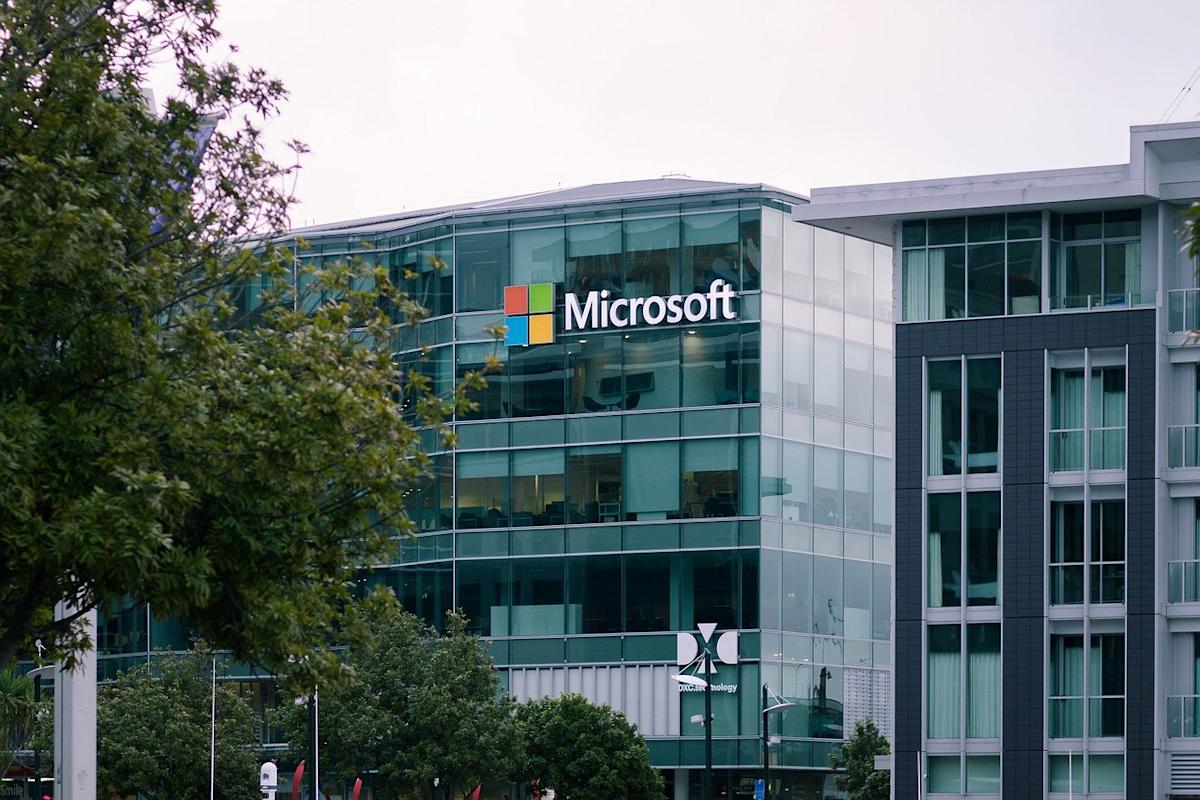
Microsoft Expands Data Center Investments in Europe Amid Growing Demand
- Investment Expansion: Microsoft announced significant investments in new data center regions across Austria, Belgium, Greece, Finland, and Denmark to address the growing demand for cloud and AI services, demonstrating the company's responsiveness to market needs.
- Customer Support: Azure Marketing VP Jessica Hawk stated that the expansion aims to help customers scale critical workloads while ensuring secure and resilient cloud and AI services, thereby enhancing customer trust and satisfaction.
- Analyst Ratings: According to 63 analyst ratings compiled by CNN, 95% rated Microsoft as a 'Buy', with an average price target of $550, representing a 33.70% upside from the current price of $411.38, reflecting optimistic market expectations for its future performance.
- Strategic Significance: Microsoft's investments extend beyond capacity expansion to include the provision of sovereign infrastructure that complies with local regulations, aiming to support innovation and enhance operational control, further solidifying its leadership position in the global cloud computing market.

Intel's Stock Surge Reshapes Market Position in the AI Era


- Significant Stock Recovery: Intel's stock has surged over 240% since its removal from the Dow, with a remarkable 377% increase since November 2024, now boasting a market cap exceeding $640 billion, making it the 15th largest component in the S&P 500, indicating a strong market rebound potential.
- Market Share Recovery: Through cost-cutting, restructuring, and new management, Intel has achieved growth in its data center and AI segments, particularly driven by increased demand for central processing units (CPUs), highlighting its increasingly vital role in the AI ecosystem.
- Upgraded Earnings Forecast: Analysts now project Intel's earnings per share to reach $1.53 in fiscal 2027, representing a 40.4% increase from 2026's average estimates, providing a clear runway for high-margin growth, although its valuation has significantly risen with a forward P/E ratio of 115.
- Intensifying Industry Competition: Despite Intel's strong recovery momentum, Nvidia's market cap remains eight times larger than Intel's, and its greater influence in the Dow underscores the need for Intel to continue enhancing its competitiveness to potentially reclaim a spot in the index.

Anthropic Commits $200 Billion to Google Cloud for AI Infrastructure

- Massive Investment Commitment: Anthropic has announced a commitment of $200 billion over five years to Google Cloud for enhanced computing capacity and custom chips, a move that not only highlights the reshaping of hyperscale infrastructure deals in the AI era but also underscores Alphabet's central role in this transformation.
- Deepening Collaboration: With a long history of partnership, Anthropic recently secured an agreement with Broadcom to ensure multiple gigawatts of next-generation TPU capacity coming online by 2027, which not only strengthens its competitive edge in the AI infrastructure market but also lays a foundation for future technological advancements.
- Rapid Cloud Growth: Google Cloud generated $20 billion in revenue in Q1 2026, marking a 63% year-over-year increase, indicating strong enterprise demand for AI infrastructure and data analytics, further enhancing Alphabet's profitability and market share.
- Sustainable Growth Potential: Alphabet's cloud backlog doubled to over $460 billion in Q1, reflecting contractual commitments from customers for future capacity, which not only provides substantial revenue visibility but also secures the company's competitive position amid intense market competition.

Anthropic Expands Partnership with Google Cloud in $200 Billion Deal
- Partnership Expansion: Anthropic is deepening its relationship with Google Cloud, committing $200 billion over five years for compute capacity and custom chips, which will significantly enhance the training efficiency of its AI model, Claude, and solidify its competitive position in the AI sector.
- Revenue Growth: Google Cloud generated $20 billion in revenue in Q1 2026, marking a 63% year-over-year increase, indicating strong enterprise demand for AI infrastructure and data analytics, further driving Google Cloud's market share growth.
- Profit Improvement: Operating income for Google Cloud reached $6.6 billion in Q1, with margins expanding to 33%, reflecting the success of its business model and providing Alphabet with substantial cash flow support to maintain its competitive edge in a fierce market.
- Backlog Increase: By the end of Q1 2026, Alphabet's cloud backlog surged to $460 billion, doubling quarter-over-quarter, which demonstrates strong customer demand for future capacity and provides Alphabet with excellent revenue visibility, further solidifying its leadership in AI infrastructure.
OpenAI's Revenue Share Payments to Microsoft Capped at $38 Billion
- Revenue Share Cap: According to The Information, OpenAI's revenue-sharing payments to Microsoft are now capped at $38 billion, which could significantly impact the financial arrangements and collaboration models between the two companies.
- Collaboration Context: The specific details of this revenue-sharing agreement remain largely undisclosed, but the cap may reflect a cautious outlook on future earnings expectations, especially amid increasing competition in the AI market.
- Market Reaction: While Reuters has not yet verified this report, if true, it could affect OpenAI's liquidity, potentially impacting its research and development and market expansion strategies.
- Strategic Implications: The establishment of a payment cap may be a risk management strategy to ensure that Microsoft's returns on investment in OpenAI remain manageable, which could also influence OpenAI's long-term financial planning and investment decisions.
Microsoft's East Africa Data Center Delayed
- Project Delay Reason: Microsoft's data center construction in Kenya has been delayed due to disagreements with the government over payment guarantees, highlighting the policy challenges the company faces in expanding its cloud computing services.
- Investment Scale: Microsoft, in partnership with UAE-based AI firm G42, plans to invest $1 billion in Kenya to enhance cloud capabilities in East Africa, but the government failed to provide the necessary payment guarantees.
- Negotiation Breakdown: The parties requested the Kenyan government to commit to annual payments for a certain capacity, but talks broke down when the government could not meet Microsoft's demands, potentially impacting Microsoft's market expansion in the region.
- Strategic Implications: This incident underscores the policy risks Microsoft faces in its East African market expansion, which may delay its cloud service growth plans and affect its competitive position in a rapidly growing market.
Microsoft Expands Data Center Investments in Europe Amid Growing Demand
- Investment Expansion: Microsoft announced significant investments in new data center regions across Austria, Belgium, Greece, Finland, and Denmark to address the growing demand for cloud and AI services, demonstrating the company's responsiveness to market needs.
- Customer Support: Azure Marketing VP Jessica Hawk stated that the expansion aims to help customers scale critical workloads while ensuring secure and resilient cloud and AI services, thereby enhancing customer trust and satisfaction.
- Analyst Ratings: According to 63 analyst ratings compiled by CNN, 95% rated Microsoft as a 'Buy', with an average price target of $550, representing a 33.70% upside from the current price of $411.38, reflecting optimistic market expectations for its future performance.
- Strategic Significance: Microsoft's investments extend beyond capacity expansion to include the provision of sovereign infrastructure that complies with local regulations, aiming to support innovation and enhance operational control, further solidifying its leadership position in the global cloud computing market.
Intel's Stock Surge Reshapes Market Position in the AI Era
- Significant Stock Recovery: Intel's stock has surged over 240% since its removal from the Dow, with a remarkable 377% increase since November 2024, now boasting a market cap exceeding $640 billion, making it the 15th largest component in the S&P 500, indicating a strong market rebound potential.
- Market Share Recovery: Through cost-cutting, restructuring, and new management, Intel has achieved growth in its data center and AI segments, particularly driven by increased demand for central processing units (CPUs), highlighting its increasingly vital role in the AI ecosystem.
- Upgraded Earnings Forecast: Analysts now project Intel's earnings per share to reach $1.53 in fiscal 2027, representing a 40.4% increase from 2026's average estimates, providing a clear runway for high-margin growth, although its valuation has significantly risen with a forward P/E ratio of 115.
- Intensifying Industry Competition: Despite Intel's strong recovery momentum, Nvidia's market cap remains eight times larger than Intel's, and its greater influence in the Dow underscores the need for Intel to continue enhancing its competitiveness to potentially reclaim a spot in the index.
Anthropic Commits $200 Billion to Google Cloud for AI Infrastructure
- Massive Investment Commitment: Anthropic has announced a commitment of $200 billion over five years to Google Cloud for enhanced computing capacity and custom chips, a move that not only highlights the reshaping of hyperscale infrastructure deals in the AI era but also underscores Alphabet's central role in this transformation.
- Deepening Collaboration: With a long history of partnership, Anthropic recently secured an agreement with Broadcom to ensure multiple gigawatts of next-generation TPU capacity coming online by 2027, which not only strengthens its competitive edge in the AI infrastructure market but also lays a foundation for future technological advancements.
- Rapid Cloud Growth: Google Cloud generated $20 billion in revenue in Q1 2026, marking a 63% year-over-year increase, indicating strong enterprise demand for AI infrastructure and data analytics, further enhancing Alphabet's profitability and market share.
- Sustainable Growth Potential: Alphabet's cloud backlog doubled to over $460 billion in Q1, reflecting contractual commitments from customers for future capacity, which not only provides substantial revenue visibility but also secures the company's competitive position amid intense market competition.
Anthropic Expands Partnership with Google Cloud in $200 Billion Deal
- Partnership Expansion: Anthropic is deepening its relationship with Google Cloud, committing $200 billion over five years for compute capacity and custom chips, which will significantly enhance the training efficiency of its AI model, Claude, and solidify its competitive position in the AI sector.
- Revenue Growth: Google Cloud generated $20 billion in revenue in Q1 2026, marking a 63% year-over-year increase, indicating strong enterprise demand for AI infrastructure and data analytics, further driving Google Cloud's market share growth.
- Profit Improvement: Operating income for Google Cloud reached $6.6 billion in Q1, with margins expanding to 33%, reflecting the success of its business model and providing Alphabet with substantial cash flow support to maintain its competitive edge in a fierce market.
- Backlog Increase: By the end of Q1 2026, Alphabet's cloud backlog surged to $460 billion, doubling quarter-over-quarter, which demonstrates strong customer demand for future capacity and provides Alphabet with excellent revenue visibility, further solidifying its leadership in AI infrastructure.
OpenAI's Revenue Share Payments to Microsoft Capped at $38 Billion
- Revenue Share Cap: According to The Information, OpenAI's revenue-sharing payments to Microsoft are now capped at $38 billion, which could significantly impact the financial arrangements and collaboration models between the two companies.
- Collaboration Context: The specific details of this revenue-sharing agreement remain largely undisclosed, but the cap may reflect a cautious outlook on future earnings expectations, especially amid increasing competition in the AI market.
- Market Reaction: While Reuters has not yet verified this report, if true, it could affect OpenAI's liquidity, potentially impacting its research and development and market expansion strategies.
- Strategic Implications: The establishment of a payment cap may be a risk management strategy to ensure that Microsoft's returns on investment in OpenAI remain manageable, which could also influence OpenAI's long-term financial planning and investment decisions.